
Vapor Combustion Unit
Controlled, Safe, and Reliable Combustion of Hydrocarbon Vapours with Vapor Combustion Units.
.svg)
Overview
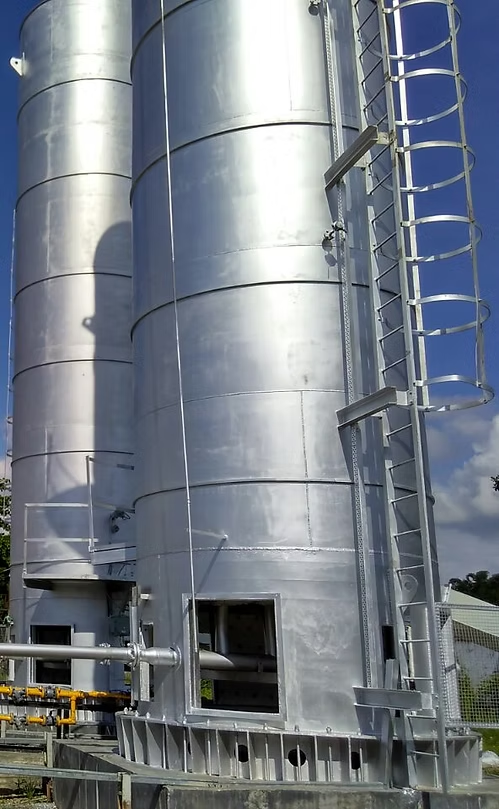
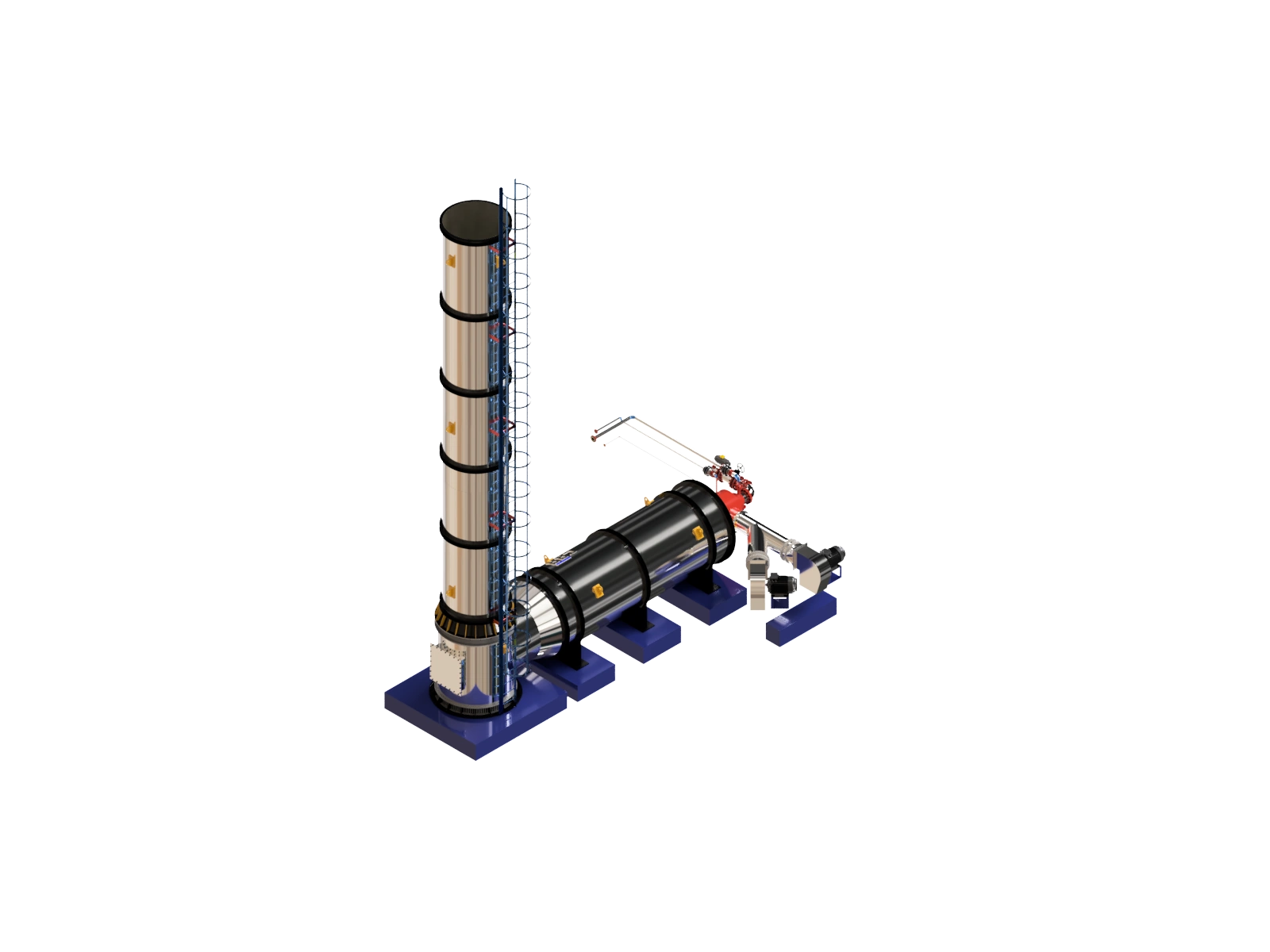
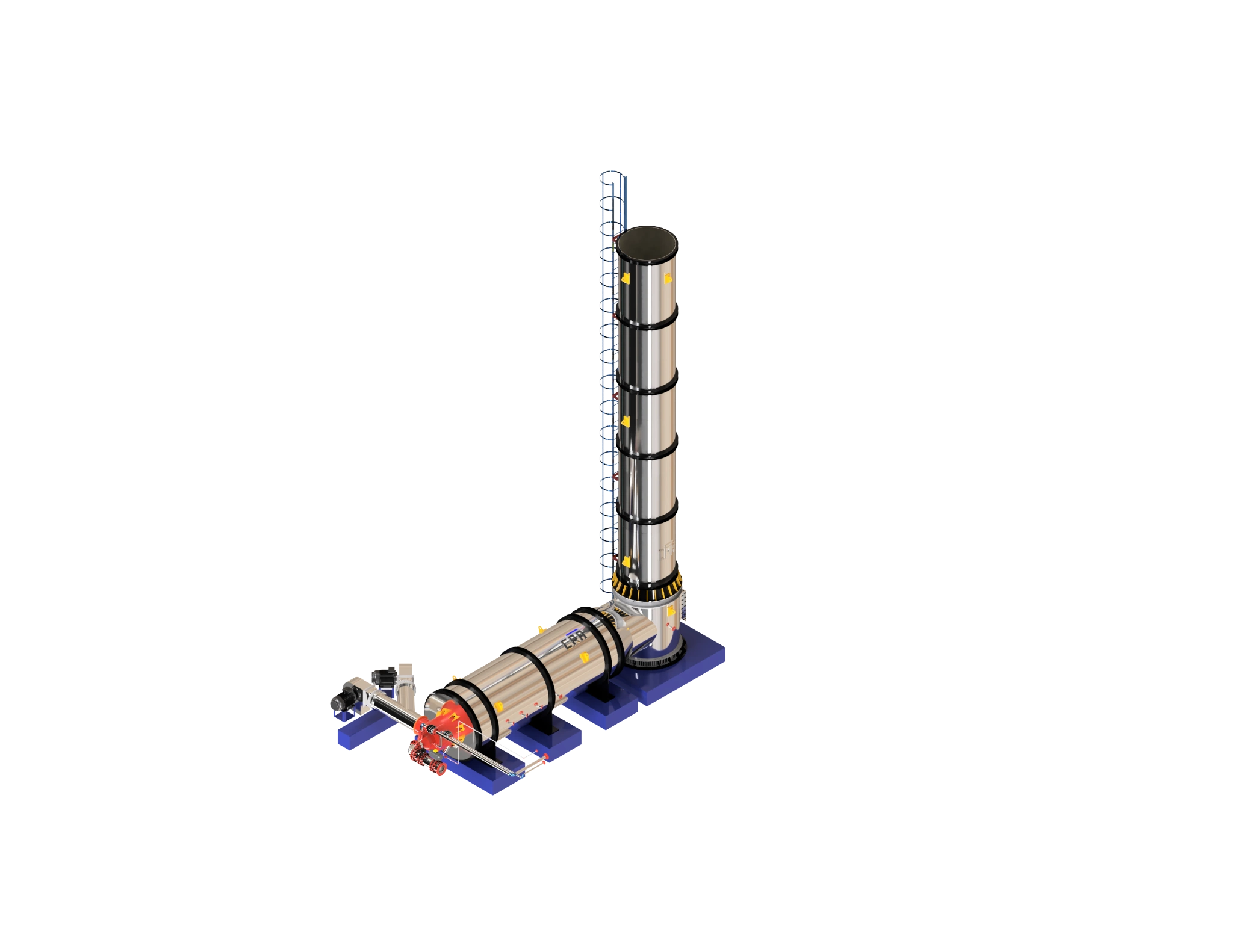
Our Vapor Combustion Units are engineered systems designed to safely combust hydrocarbon vapours and low calorific gas streams generated from storage, loading, and vapor recovery processes. These systems provide controlled destruction of vapours while ensuring operational safety and environmental compliance. Built on CRA’s deep combustion and process engineering expertise, vapor combustion skids integrate combustion hardware, ignition systems, safety devices, instrumentation, and controls into a compact, skid-mounted package. Designed for continuous or intermittent duty, they deliver stable combustion performance under variable vapour flow rates and compositions, making them ideal for industrial vapor handling applications.
Key Benefits
Controlled combustion eliminates uncontrolled vapour releases and reduces fire and explosion risks.
Designed to maintain reliable flame stability across fluctuating vapour flow and composition.
Pre-engineered skid construction minimizes footprint and simplifies site installation.
Robust design supports continuous or intermittent operation with minimal operator intervention.
Careful combustion design, safety logic, and controls integration ensure compliant operation.
The CRA Edge
Decades of experience in combustion, vapor handling, and emissions control systems.
Integrated combustion, process, mechanical, and controls engineering under one roof.

Designed to meet applicable environmental, safety, and industry standards.
Each vapor combustion unit is engineered to suit site-specific vapour conditions.
Applications

.webp)
.webp)
.png)
Frequently Asked Questions
What is a vapor combustion unit and when is it used?
A vapor combustion unit (VCU) is an enclosed combustion device designed to safely destroy hydrocarbon vapors and low-BTU gas streams from storage tanks, loading operations, and vapor recovery systems. It's the standard solution when intermittent vapor flows must be disposed of without producing visible flame or noise.
Typical service:
- Tank farm breathing and working losses
- Truck, railcar, and marine loading vapors
- Vapor recovery unit (VRU) tail gas
- Backup vapor destruction when VRU is offline
- Low-pressure, intermittent process vents
VCUs differ from open flares by being fully enclosed, suppressing visible flame and noise, which makes them suitable for terminals, distribution facilities, and sites near populated areas.
How does a VCU differ from an enclosed ground flare?
VCUs and enclosed ground flares are structurally similar, but optimized for different duty cycles. VCUs handle intermittent, low-pressure, low-BTU vapor streams (loading, tank breathing). Enclosed ground flares handle continuous or larger-volume gas flows from process operations and biogas plants.
- VCU — typically smaller; designed for intermittent loading or tank-vent service; optimized for low-BTU gas with assist fuel; multiple small burners; often skid-mounted.
- Enclosed ground flare — typically larger; designed for continuous or peak-relief duty; multi-burner staged combustion; standalone or process-tied installation.
Selection depends on duty cycle, flow profile, BTU content, and whether the source is loading/breathing (VCU) or process/relief (enclosed flare). Both achieve >98% destruction efficiency on hydrocarbons.
What destruction efficiency can a VCU achieve on tank loading vapors?
A properly designed VCU achieves destruction efficiency above 98% (often 99%+) on tank loading and breathing vapors, meeting Coast Guard 33 CFR 154, EPA 40 CFR 63 Subpart Y (marine loading), and equivalent international standards. Performance is verified by stack testing during commissioning.
Performance drivers:
- Adequate residence time (typically 0.5–1 sec at 760°C+) for full oxidation
- Stable combustion temperature maintained by assist fuel modulation
- Multi-burner design for stable flame across full vapor flow range
- Properly sized chamber to handle peak loading rates without flame quenching
- Reliable pilot and ignition system for intermittent service
For terminals handling variable products (gasoline, jet fuel, ethanol blends), the VCU is sized to the worst-case BTU and flow profile.
What flow rates and vapor compositions can a VCU handle?
VCUs typically handle vapor flows from 50 to 5,000+ Nm³/hr with hydrocarbon concentrations from a few percent (low-BTU) up to near-stoichiometric. Sizing depends on peak loading rate, vapor composition, and assist-fuel availability for low-BTU service.
Common service:
- Gasoline and diesel loading vapors (high BTU, often self-sustaining)
- Crude oil loading vapors (variable BTU)
- Tank breathing emissions (very low BTU; require assist fuel)
- VRU tail gas (low BTU after recovery)
- Mixed product terminals with variable vapor composition
Lean vapors below the lower flammability limit require continuous assist fuel; rich vapors can sustain combustion alone. Modulating controls match assist fuel to instantaneous vapor BTU content.
What safety features does a VCU include?
VCUs include flame arrestors, detonation arrestors, vapor isolation valves, flame detection, and continuous pilot monitoring to prevent flashback into the vapor source and ensure safe handling of flammable streams. Safety design follows API 2000, API 2521, NFPA, and OSHA requirements.
Standard safety features:
- Detonation arrestor or flame arrestor on the inlet vapor line
- Automated vapor isolation valve interlocked with flame detection
- Continuous pilot flame monitoring with auto-relight
- High-temperature shutdown and over-pressure protection
- Purge gas system to prevent air ingress during low-flow periods
- Lower explosive limit (LEL) monitoring on the vapor inlet
- Emergency shutdown logic compliant with site SIL requirements
Layout, ignition source separation, and exclusion zones are sized per local fire and electrical codes for hazardous-area classification.
How does a VCU integrate with a vapor recovery unit (VRU)?
VCUs commonly act as backup destruction for VRU tail gas or full backup when the VRU is offline. Together they form a vapor management system: the VRU recovers most vapor as condensable product, and the VCU destroys what the VRU can't capture or handles full vapor flow during VRU downtime.
Integration modes:
- Tail gas destruction — VCU treats the lean vapor leaving the VRU; primary mode during normal operation
- Bypass/backup — VCU handles full vapor flow when VRU is offline for maintenance or upset
- Peak shaving — VCU handles spikes that exceed VRU capacity during heavy loading
- Standalone — VCU as primary destruction when VRU isn't economical
Control logic switches between VRU and VCU automatically based on flow, pressure, or VRU status, ensuring continuous vapor management compliance.
What sites typically use VCUs?
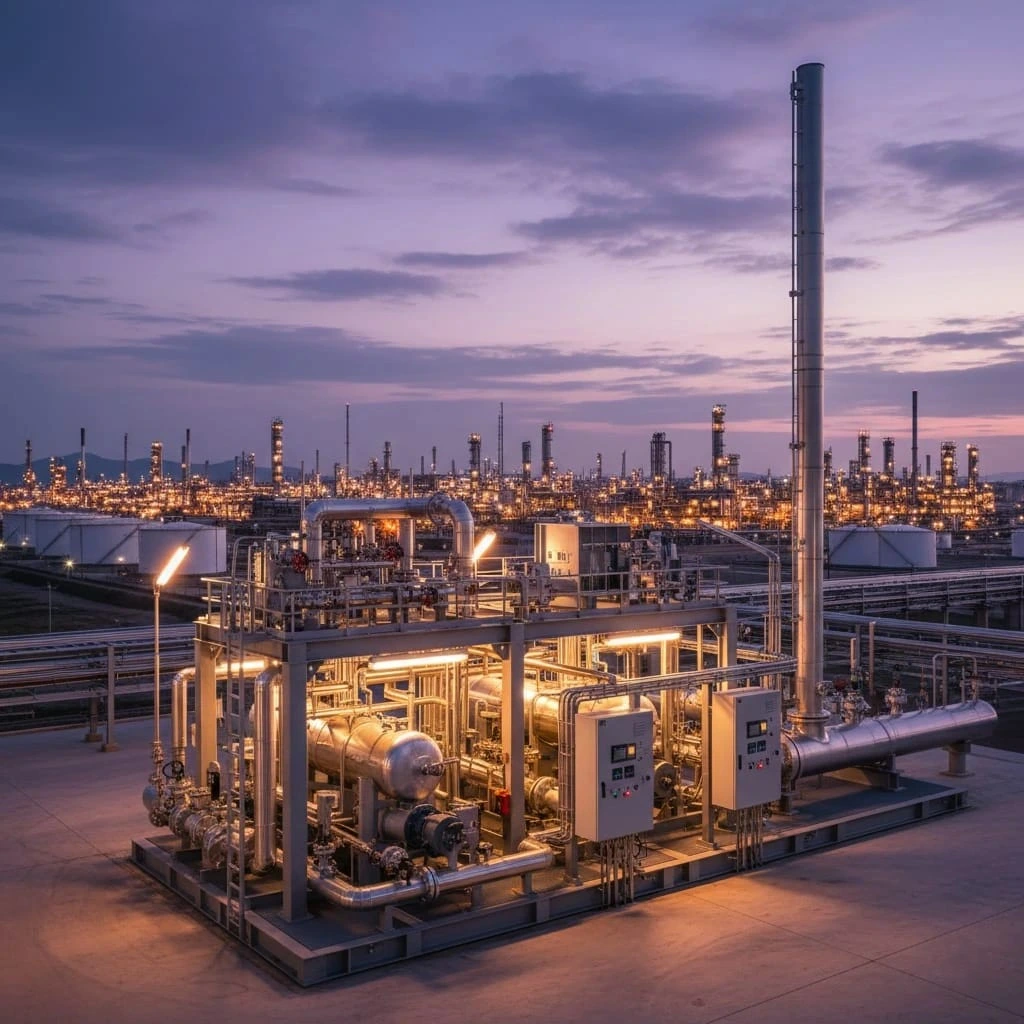
VCUs are standard equipment at terminals, marine loading facilities, distribution depots, refineries, and chemical plants wherever hydrocarbon vapors must be destroyed safely from storage and loading operations. They're particularly common at sites near populated areas where open flares aren't acceptable.
Typical applications:
- Petroleum product terminals (gasoline, diesel, jet fuel)
- Marine loading docks and ship-to-shore vapor return systems
- Truck and railcar loading rack vapor control
- Tank farms with significant breathing and working losses
- Chemical and petrochemical loading operations
- Refinery product loading
- Ethanol and biofuel distribution facilities
Regulatory drivers vary by region — Coast Guard rules for marine, MACT standards for chemical plants, EPA loading rack rules for distribution — but the engineering response is similar: a properly sized VCU with appropriate safety devices.