
Enclosed Flares for Pyrolysis Plants
Enclosed flares that give plastic and tyre pyrolysis plants a safe disposal route for start-up, upset and surplus gas.
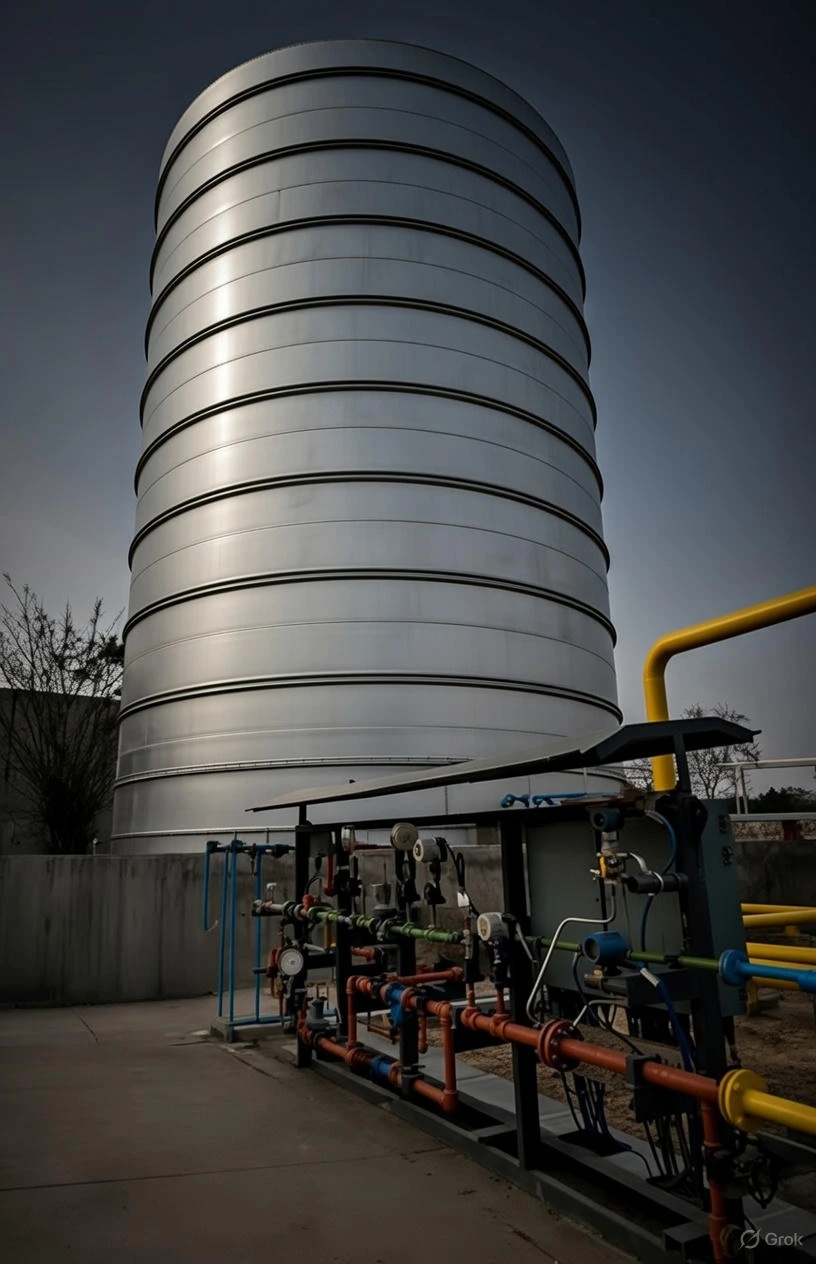

A safe disposal route for pyrolysis gas
CRA's enclosed ground flares burn pyrolysis gas whenever the plant's burner, engine or thermal oxidiser cannot take it, during start-up, shutdown, upsets and surplus periods. The flame stays inside the enclosure, and the flare is engineered together with the plant's oxidiser and burner management system.
Destruction efficiency
>98%
Flame
Enclosed, out of sight
Gas
Plastic and tyre pyrolysis gas
Operation
Fully automatic
What does an enclosed flare do at a pyrolysis plant?
An enclosed flare is the safety disposal route for a pyrolysis plant. It destroys the pyrolysis gas inside a closed chamber whenever the gas cannot be used, so the plant does not have to vent it. The flow and composition of pyrolysis gas change with the feedstock and the stage of the process, and the flare is designed for that whole range.
How it works
The flare sits on the plant's gas line beside the oxidiser or engine and takes the gas whenever they cannot.
When the burner, engine or oxidiser cannot take the gas, the gas is routed to the flare.
The flare lights and proves its flame before it takes the full gas flow.
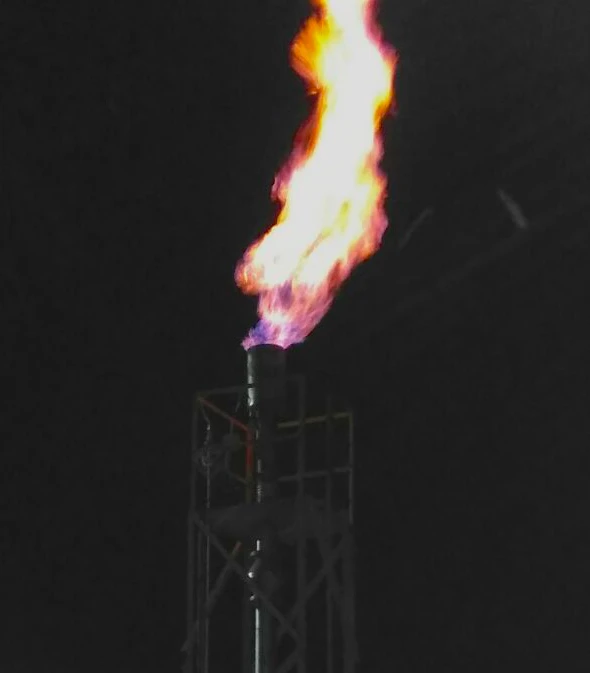
The gas burns inside the enclosure, which keeps the flame, glare and radiant heat away from the plant.
The burner is designed for the changing flow and composition of pyrolysis gas.
When the main consumer is back in service, the gas goes back to it and the flare shuts down.
Key Benefits
The flare takes the gas whenever the main consumer or the oxidiser is unavailable, so the plant does not vent.
Combustion takes place inside the enclosure, which keeps glare and radiant heat away from the plant and its neighbours.
The burner and controls are designed for the changing flow and composition of pyrolysis gas.
The flare and the thermal oxidiser share one design basis and one interlock philosophy.
The flare starts, proves its flame and shuts down on its own, under the plant's safety system.
Projects That Push Boundaries
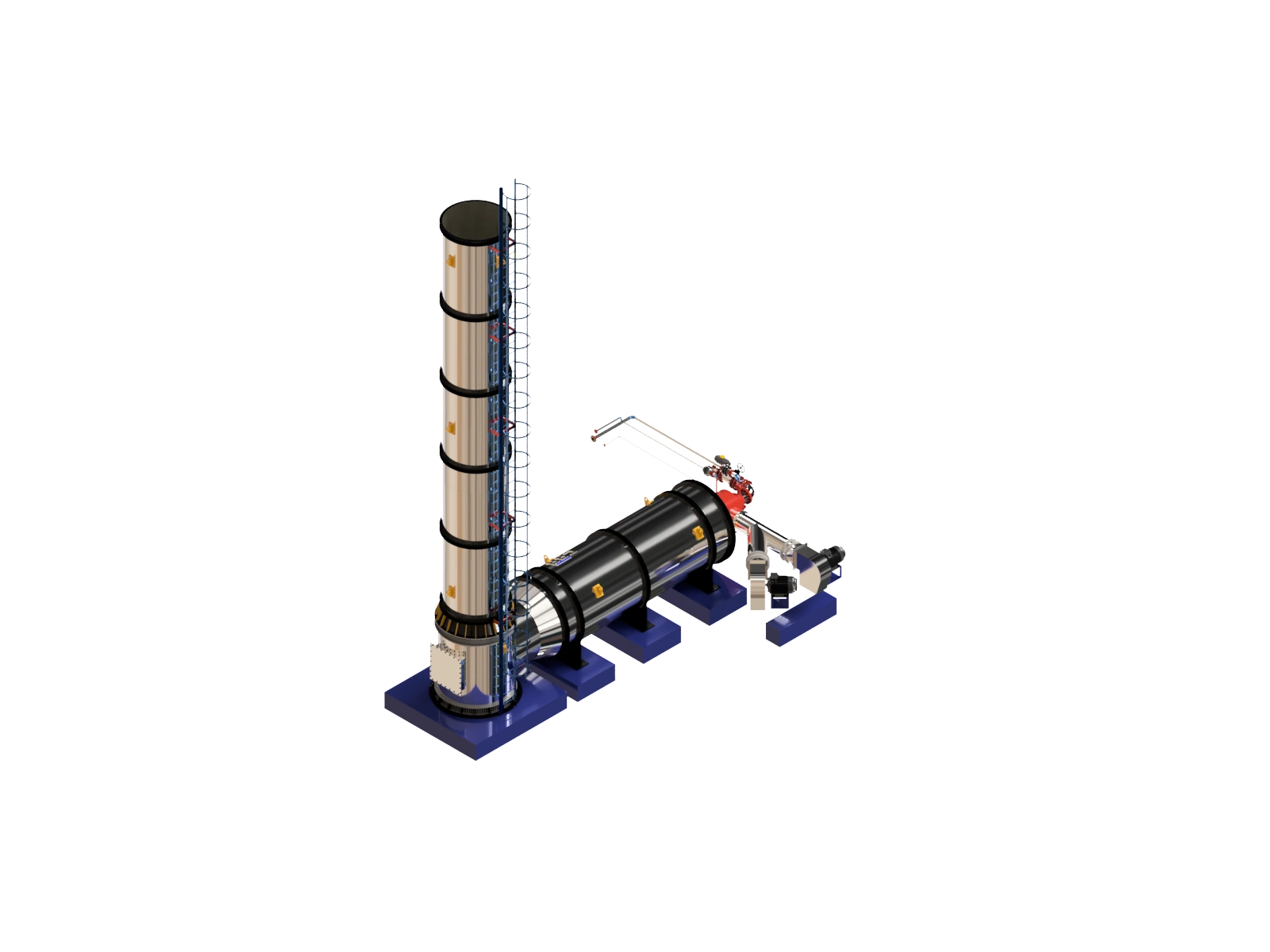
Single-package BMS, burner and enclosed flare engineered for a highly variable pyrolysis vapour stream.
The CRA Edge
CRA has more than 30 years of experience in gas handling and flare engineering.
Design, R&D and manufacturing are carried out under one roof.
ISO 9001 certified through TÜV NORD, with designs aligned with ASME, API and CE.
Designs are customised to the process needs and the regulations that apply at site.
Applications


Built to help you specify.
Sizing tools, decision guides, and technical references. Use them before, during, and after your evaluation.




Frequently Asked Questions
Why does a pyrolysis plant need an enclosed flare?
The flare is the safe disposal route for pyrolysis gas whenever the burner, engine or thermal oxidiser cannot take it, such as during start-up, shutdown and upsets. Without it, the plant would have to vent the gas.
Can the flare work with an existing thermal oxidiser?
Yes. CRA designs the flare to the same design basis as the oxidiser and ties both into one control philosophy, so gas is diverted to the flare when the oxidiser trips.
What information does CRA need to size the flare?
CRA needs the maximum, normal and minimum gas flow, the expected composition range, the supply pressure and temperature, and the site conditions. A range with a note of uncertainty is more useful than a single guessed figure.
Why choose an enclosed flare over an open flare for pyrolysis?
An enclosed flare hides the flame and keeps radiant heat and glare inside the chamber, which matters on compact industrial sites and near neighbours.
Does CRA supply the burner management system as well?
Yes. CRA supplies burner management systems, and can engineer the burner, the burner management system and the enclosed flare as one package.