
Thermal Oxidizers
CRA designs and builds thermal oxidisers that destroy VOCs, hazardous air pollutants and odorous vent gases at high temperature. The range covers regenerative, recuperative and direct-fired oxidisers, low-NOx designs, vapour combustion units and oxidisers for acid gas and sulphur tail gas, each engineered for the stream's flow and heating value.
Applications by product range
The application pages are grouped by the product range they draw on.
Flares
View the flare rangeBiogas and CBG
View the biogas and CBG rangeH₂S scrubbers
View the scrubber rangeThermal oxidisers
View the oxidiser rangeGas compression and processing
View the compression rangeWhich oxidiser fits your stream?
The right oxidiser depends on the stream's flow, the fuel value it carries and what it contains. Lean, high-volume streams favour heat recovery, while rich or difficult streams need direct firing or a specialist design. This table is a starting point, and the final choice is made against your stream data.
Oxidiser
- Best suited to
- Heat recovery
- Typical sites
Regenerative thermal oxidiser (RTO)
- Best suited to: Lean, high-volume VOC streams
- Heat recovery: High, through regenerative beds
- Typical sites: Solvent, coating and printing plants
Recuperative thermal oxidiser
- Best suited to: Moderate flows where the recovered heat can be used
- Heat recovery: Medium, through a heat exchanger
- Typical sites: Process vents and dryer exhausts
Direct-fired thermal oxidiser
- Best suited to: Rich, variable or dirty streams, including liquids and particulates
- Heat recovery: Can be added after the oxidiser
- Typical sites: Pyrolysis plants and paper mills
Low NOx thermal oxidiser
- Best suited to: Sites with tight NOx limits
- Heat recovery: Matched to the duty
- Typical sites: Chemical plants
Acid gas and halogenated thermal oxidiser
- Best suited to: Streams that contain halogens or acid gases
- Heat recovery: Limited, as the flue gas is quenched
- Typical sites: Chemical and pharmaceutical plants
Sulphur tail gas thermal oxidiser
- Best suited to: Tail gas from sulphur recovery units
- Heat recovery: Waste heat recovery can be added
- Typical sites: Refineries and gas plants
Vapour combustion unit
- Best suited to: Vapours from tank loading and storage
- Heat recovery: Not used
- Typical sites: Tank farms and loading terminals
CRA thermal oxidiser range
CRA designs each oxidiser around the stream's flow, heating value and contaminants, and builds it in its own factories.
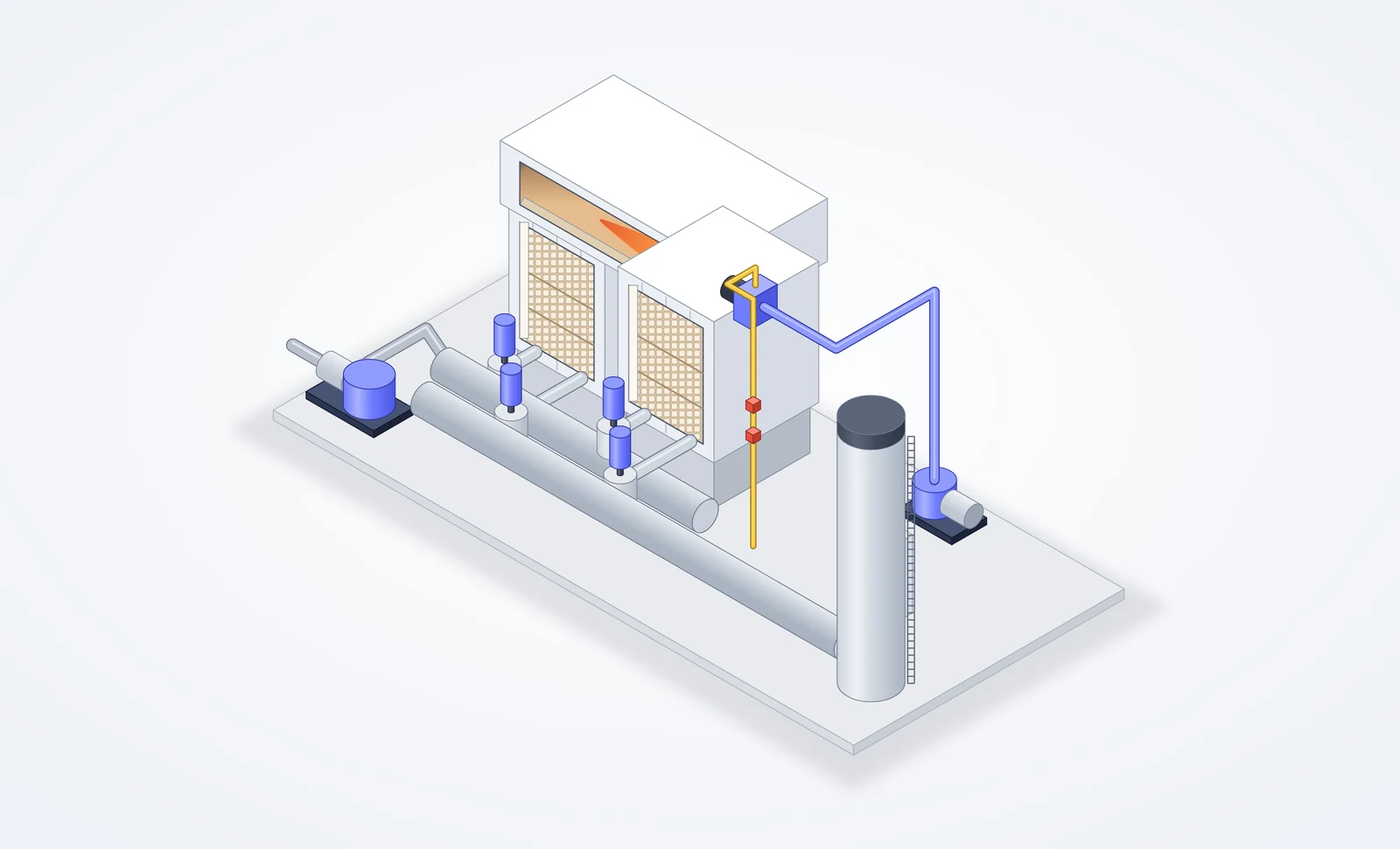
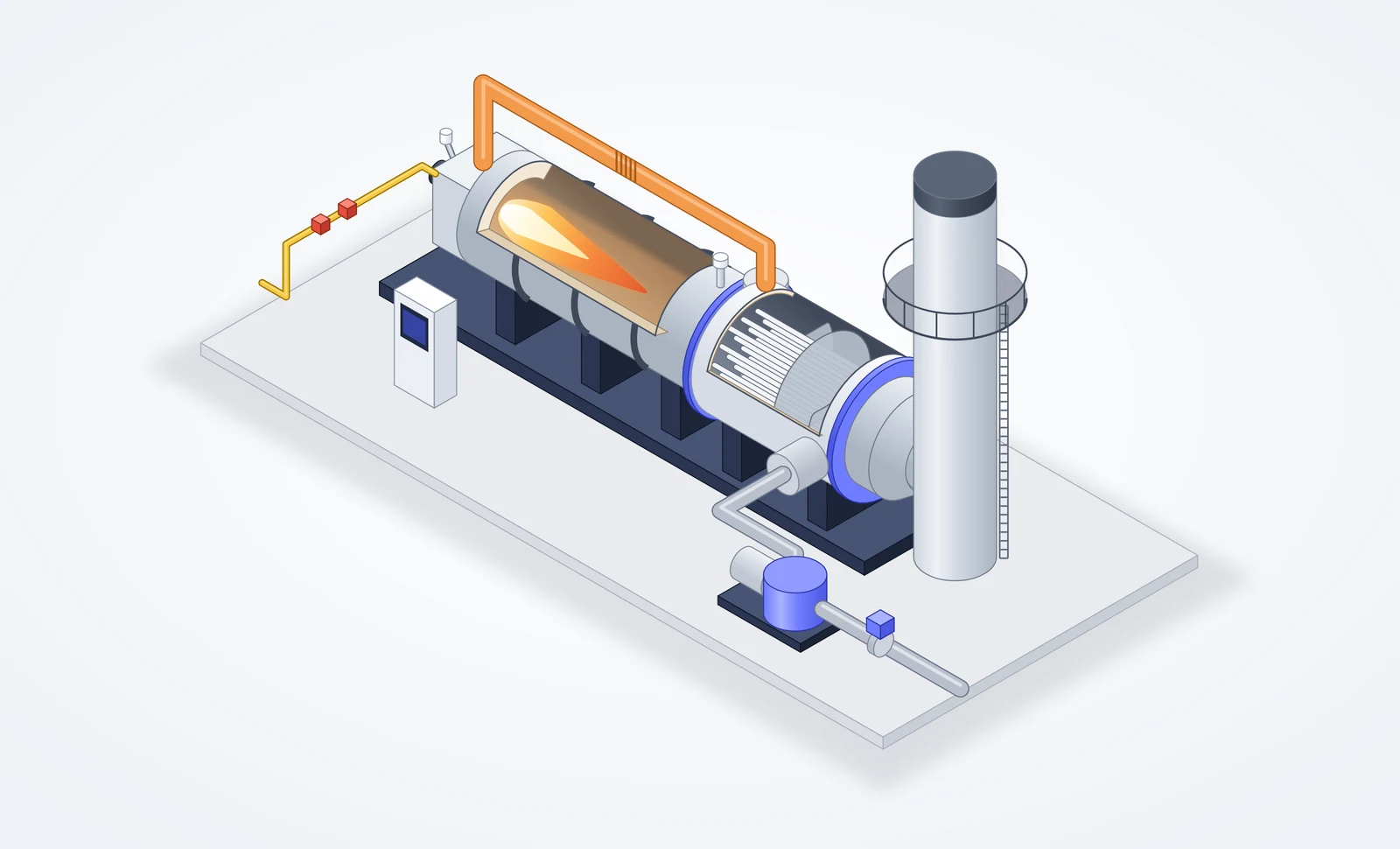
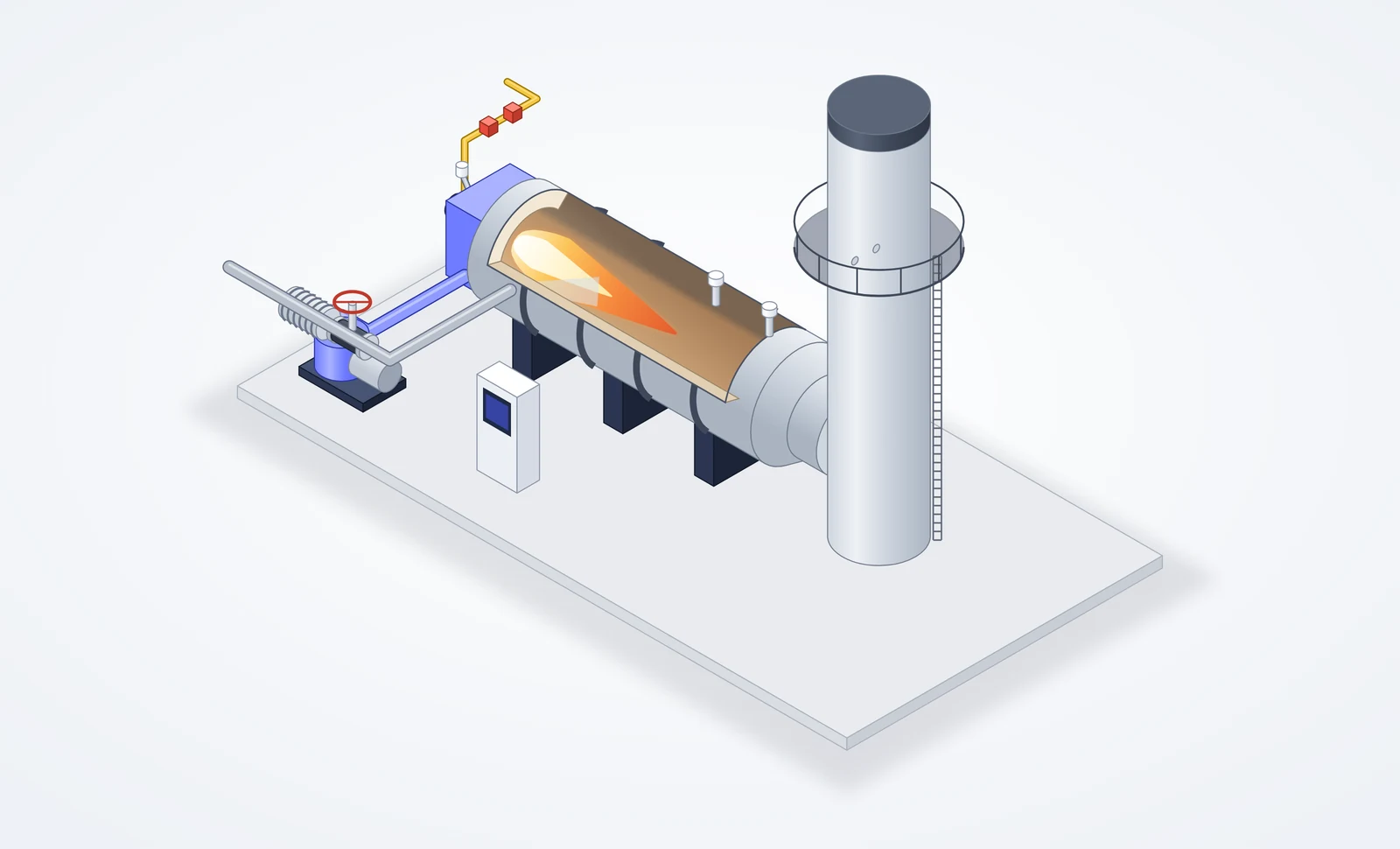
VOC and process vents
Oxidisers for VOC-laden air and process vents, with or without heat recovery.
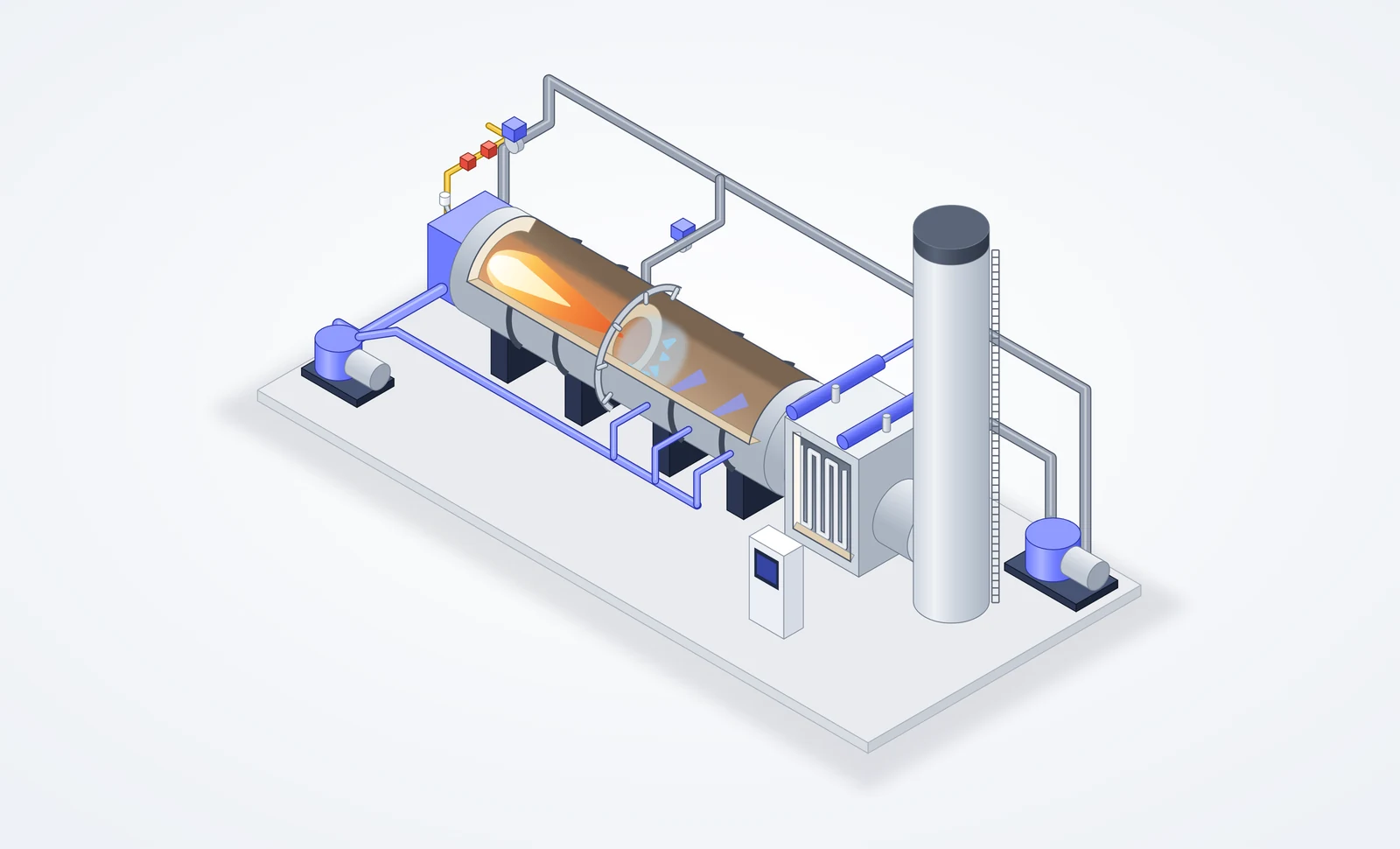
Specialist duties
Oxidisers for acid gas, halogenated and sulphur-bearing streams, and for tight NOx limits.


Loading and storage
Vapour combustion for tank farms and loading terminals.
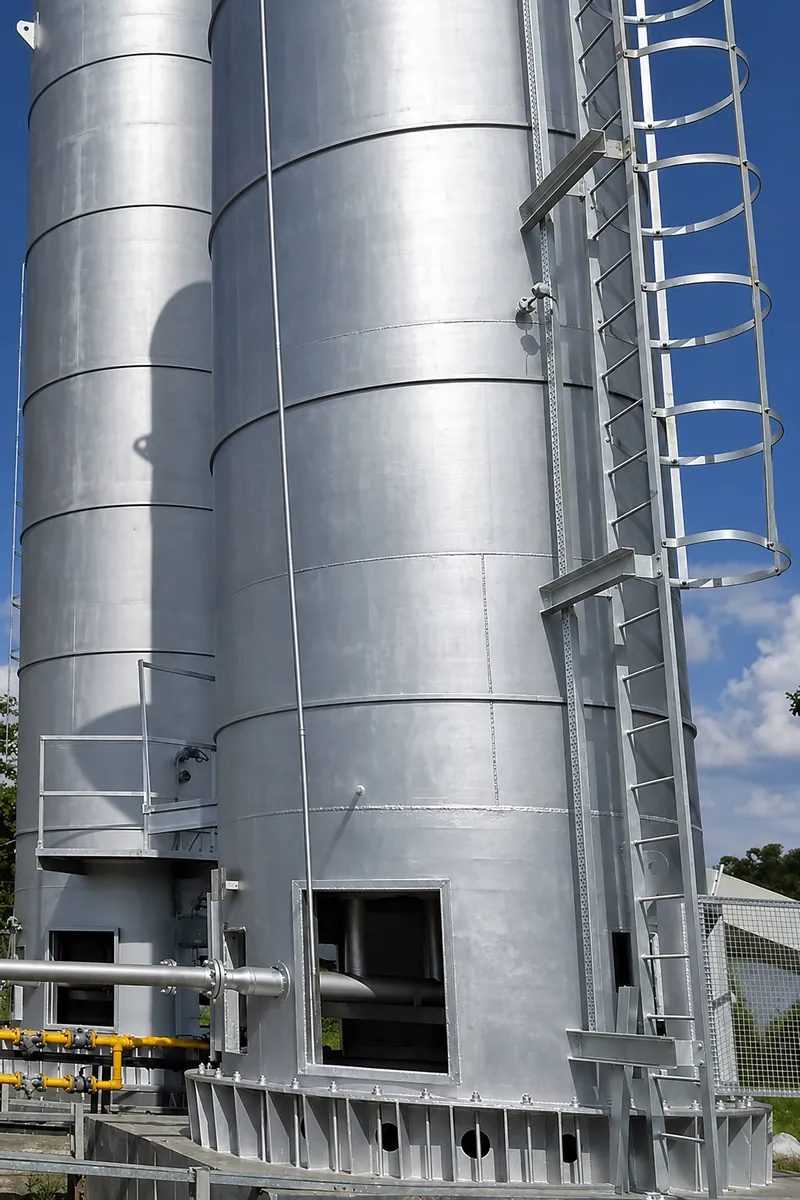
A safe route for the gas on every trip
CRA supplies each thermal oxidiser with a disposal route for the process gas when the oxidiser trips, usually an enclosed ground flare.
Thermal oxidisers by application
Each application page covers the duty, the equipment CRA supplies for it and the questions buyers ask.
Why CRA for thermal oxidisers
Designed in-house
Combustion, process and controls design are done by CRA's own engineers for each stream.
Safety ancillaries built by CRA
Flame arrestors, water seals and ignition systems for each oxidiser are designed and made in CRA's factories.
Supplied worldwide
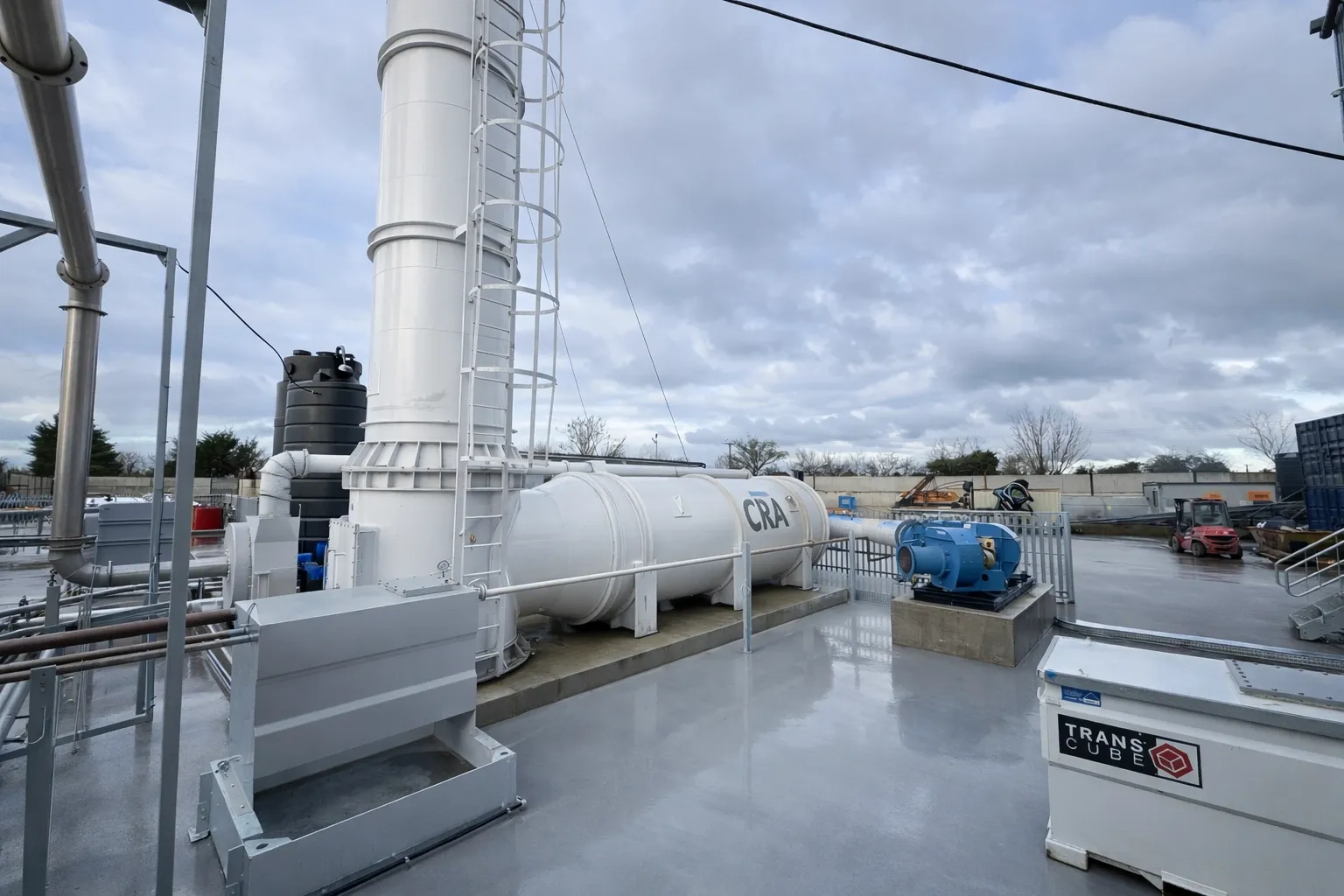
CRA oxidisers run in India and abroad, including a direct-fired unit at a plastic pyrolysis plant in the UK.
The full range
CRA builds regenerative, recuperative, direct-fired and specialist oxidisers, so the type is chosen to suit the stream.
Thermal oxidiser projects

Thermal oxidiser questions
The questions buyers ask most often before they choose.
Ask an engineerWhat is the difference between a regenerative and a recuperative thermal oxidiser?
Both recover heat from the hot exhaust to cut fuel use. A regenerative oxidiser stores the heat in beds that switch between heating the incoming air and cooling the outgoing gas, which gives the highest recovery and suits lean, high-volume streams.
A recuperative oxidiser passes the heat across an exchanger to the incoming air, which suits moderate flows and lets the plant use the heat elsewhere.
When is a direct-fired thermal oxidiser the right choice?
A direct-fired oxidiser suits streams that are rich, variable or dirty, such as pyrolysis off-gas, non-condensable gases from paper mills and streams that carry liquids or particulates. It burns the stream with a support fuel, and heat recovery can be added after it where the plant can use the heat.
Can CRA treat halogenated or acid gas streams?
CRA's acid gas and halogenated oxidisers are designed for streams that contain halogens or acid components. A quench and scrubbing stage after the oxidiser cleans the flue gas before it is released.
Does a thermal oxidiser need a flare as well?
CRA supplies each thermal oxidiser with a disposal route for the process gas when the oxidiser trips, and this is usually an enclosed ground flare. CRA designs and builds both, so the oxidiser and the flare work as one system.
What information does CRA need to size a thermal oxidiser?
CRA needs the stream flow and its range, the composition and heating value, the contaminants, the inlet temperature and pressure, the emission limits that apply and any use for recovered heat. The thermal oxidiser questionnaire lists these items.
Brochures and questionnaires
Tell us about your stream
Send us the flow, the composition and the emission limit, and we will arrange a call with an oxidiser engineer to go through it.