
Industrial Odor Control Systems
Advanced Odor Treatment Systems for H₂S, VOCs & Corrosive Emissions

.svg)
Multi-technology odor and H₂S treatment for industrial and municipal gas streams
CRA’s Industrial Odor Control Systems are engineered to eliminate odor-causing compounds from complex industrial and municipal gas streams. Built on decades of expertise in H₂S removal, sulfur treatment, and emissions control, our systems help facilities control nuisance odors, protect equipment, improve workplace safety, and meet environmental regulations through chemical, biological, activated carbon, and hybrid odor treatment technologies.
Target Compounds
H₂S, VOCs, mercaptans
Technologies
Chemical, biological, carbon
Application
Industrial & municipal
Operation
Continuous duty
What is a Industrial Odor Control Systems?
Industrial odor control systems remove odor-causing compounds, including hydrogen sulfide, volatile organic compounds, ammonia, and mercaptans, from industrial and municipal gas streams, protecting equipment, improving workplace safety, and meeting environmental regulations.
How it works
Treatment technology is selected based on the contaminant profile, gas flow rate, and site operating constraints, then applied through one or more of CRA's four treatment methods.
Treatment technology is selected based on the contaminant profile, gas flow rate, and site operating constraints.
Circulating alkaline or oxidizing solutions in packed towers remove high concentrations of odor-causing compounds.
Bacteria colonizing packing media treat moderate contaminant loads continuously, without chemical input.
Activated carbon adsorption removes residual odorous compounds, bringing outlet concentrations down to low final levels.
Where a single technology can't meet the full treatment requirement, two or more stages combine into one system, such as biological pretreatment followed by carbon polishing.
Key Benefits
Designed to handle H₂S, sulfur compounds, VOCs, ammonia, mercaptans, and corrosive industrial emissions
Chemical, biological, activated carbon, and hybrid odor treatment systems engineered under one roof
Built for continuous operation in corrosive, high-moisture, and variable-flow operating environments
Optimized designs reduce chemical consumption, maintenance, pressure drop, and energy usage
Controls nuisance odors, worker exposure risks, and environmental emissions to meet strict regulations
The CRA Edge
Built on decades of experience treating H₂S, sulfur compounds, and corrosive industrial gases
Chemical, biological, activated carbon, and hybrid systems engineered under one roof
Designed for harsh industrial conditions, fluctuating flows, and demanding operating environments
In-house engineering, fabrication, controls, commissioning, and long-term technical support
Applications
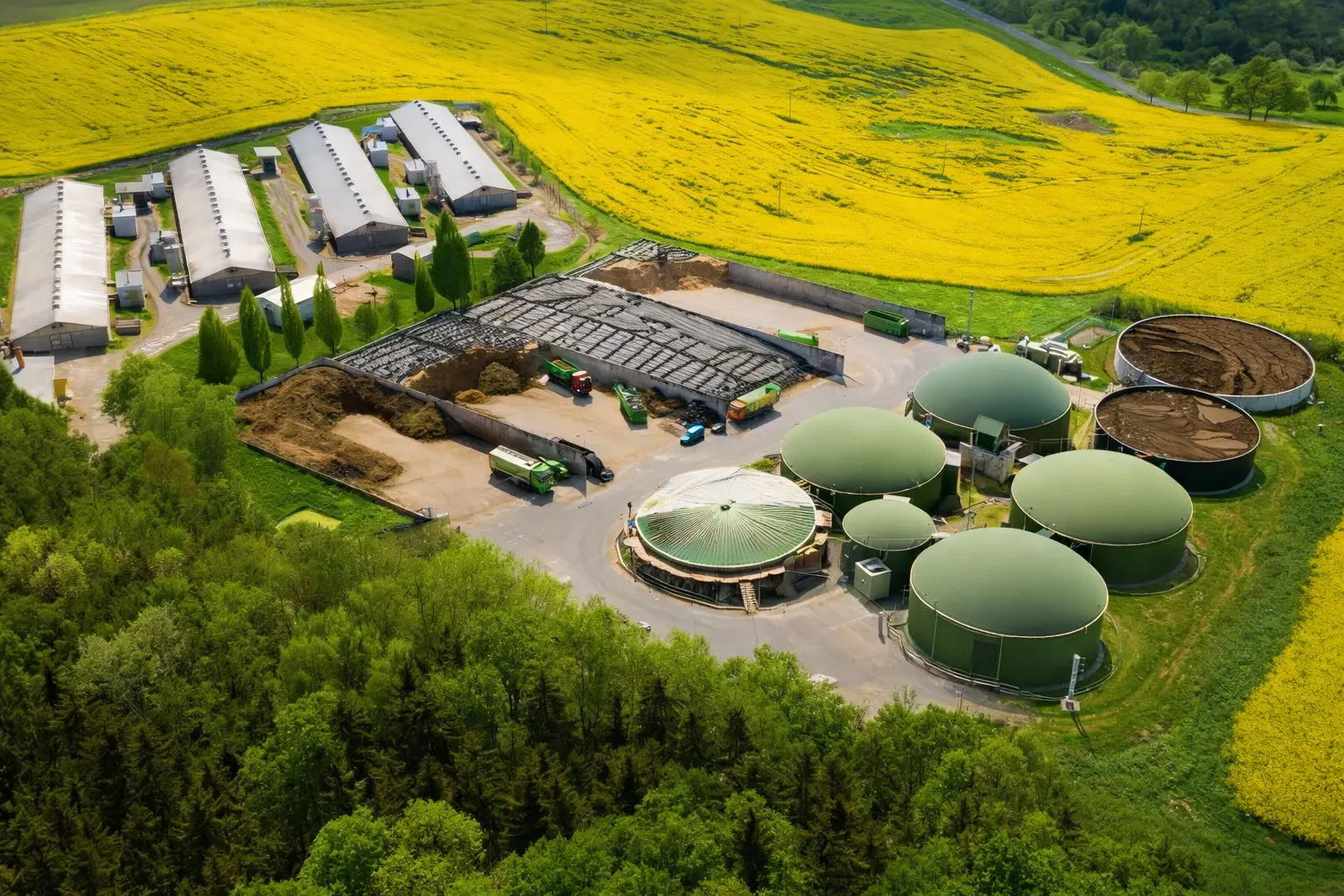
.webp)

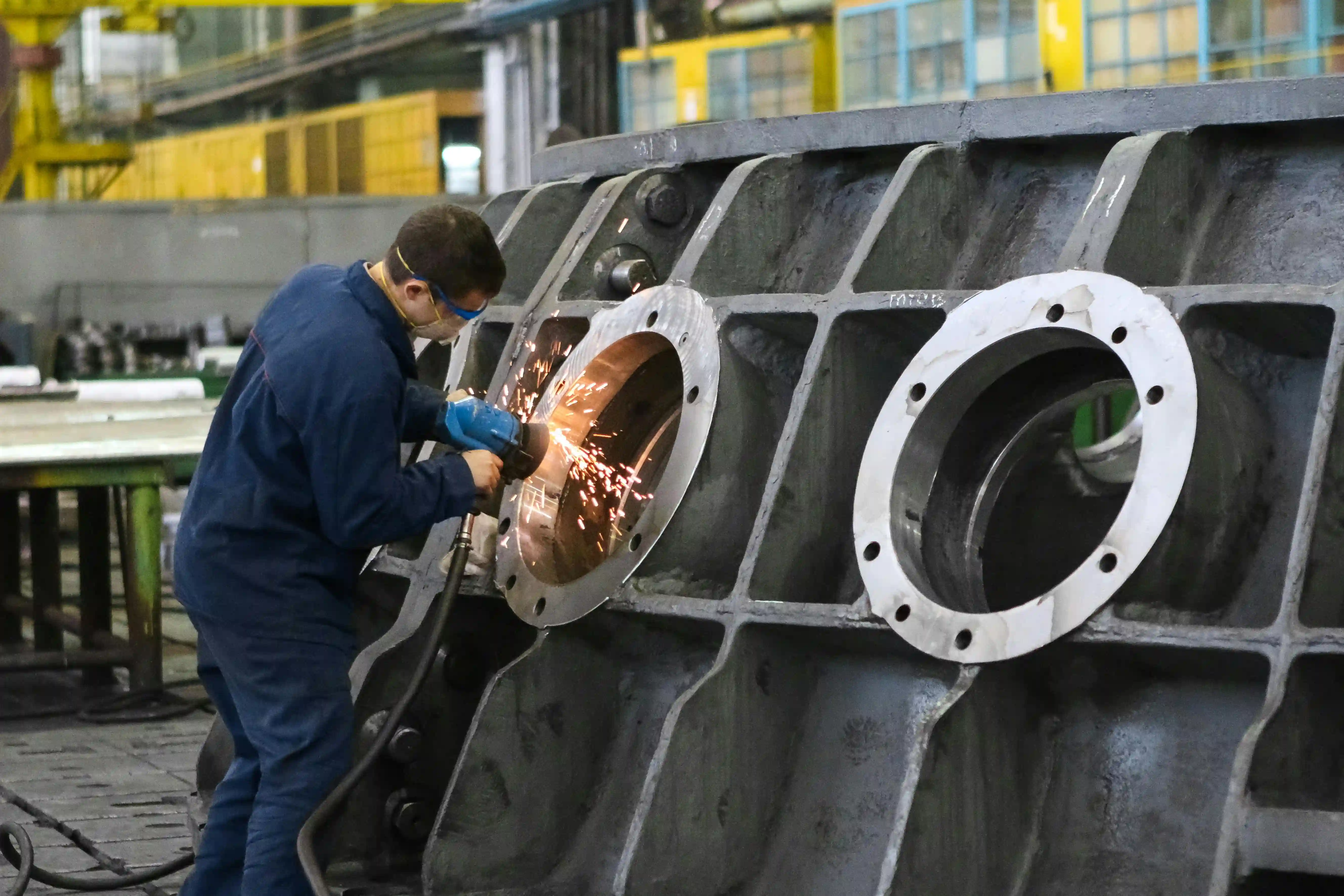
.webp)
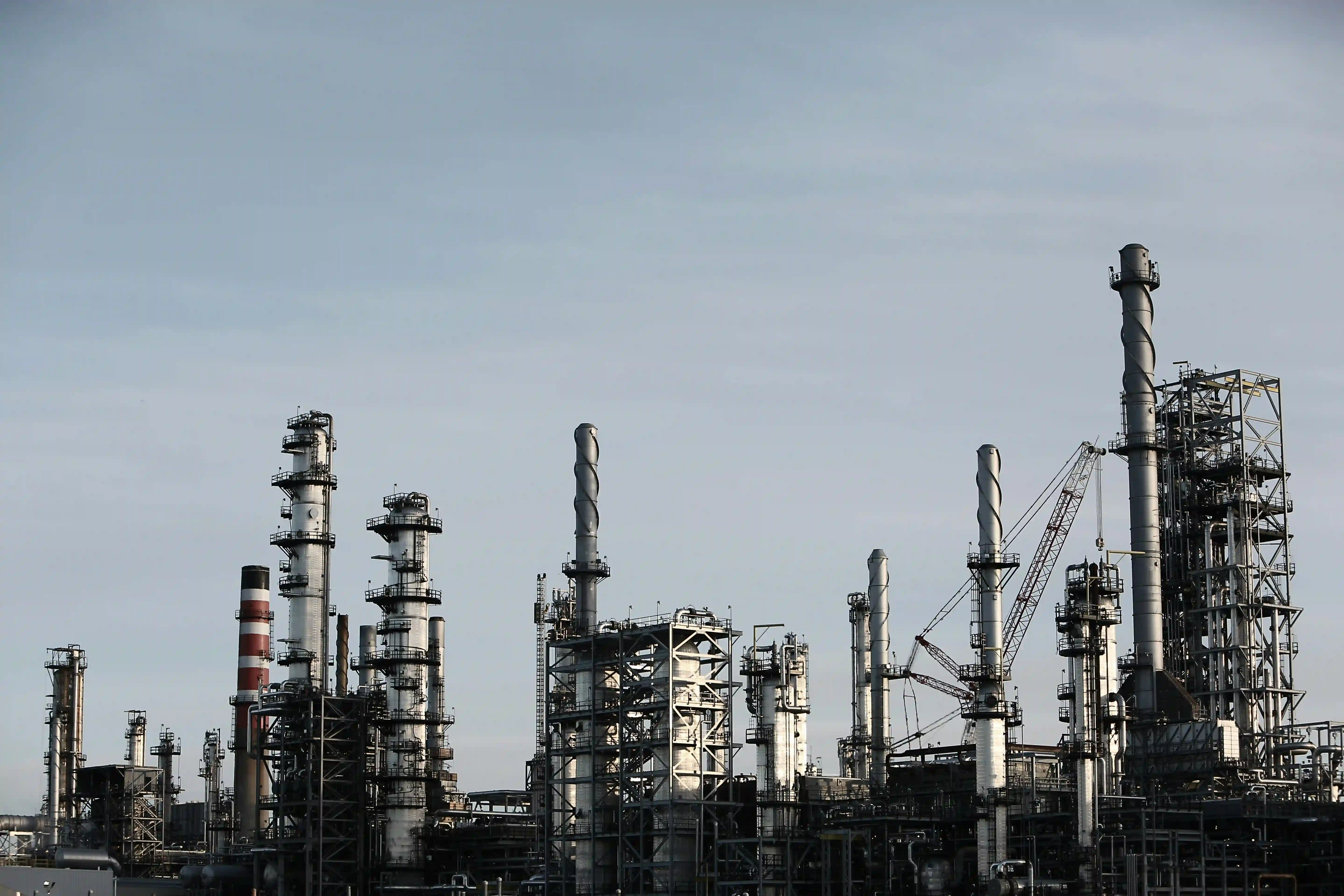
.webp)
Frequently Asked Questions
What is an industrial odor control system?
An industrial odor control system removes odor-causing compounds such as hydrogen sulfide (H₂S), VOCs, ammonia, mercaptans, and sulfur compounds from industrial or municipal gas streams using technologies like chemical scrubbers, biological systems, activated carbon adsorption, and hybrid odor treatment processes.
What is the best technology for H₂S odor removal?
The best H₂S removal technology depends on inlet concentration, gas flow, moisture, operating costs, and required outlet levels. Chemical scrubbers are effective for high H₂S loading, biological systems provide low operating cost treatment, and activated carbon systems are commonly used for final polishing.
What is the difference between chemical and biological odor scrubbers?
Chemical scrubbers use reactive chemicals such as caustic or oxidizing solutions to rapidly neutralize contaminants like H₂S and ammonia. Biological scrubbers use naturally occurring microorganisms to biologically oxidize contaminants into less harmful compounds while reducing chemical consumption and operating costs.
Can CRA provide complete turnkey odor control systems?
Yes. As the designer, manufacturer, and supplier of the equipment, CRA delivers complete turnkey odor control solutions including gas analysis, process evaluation, technology selection, CFD-driven engineering, skid fabrication, automation systems, commissioning, retrofit support, and long-term optimization.
How do activated carbon odor removal systems work?
Activated carbon odor removal systems use highly porous carbon media to adsorb odor-causing compounds from gas streams. These systems are highly effective for removing VOCs, sulfur compounds, siloxanes, and trace contaminants in polishing and low-concentration applications.