
Biogas Enclosed Flare
Safe, Reliable, and Compliant Biogas Flaring Solutions
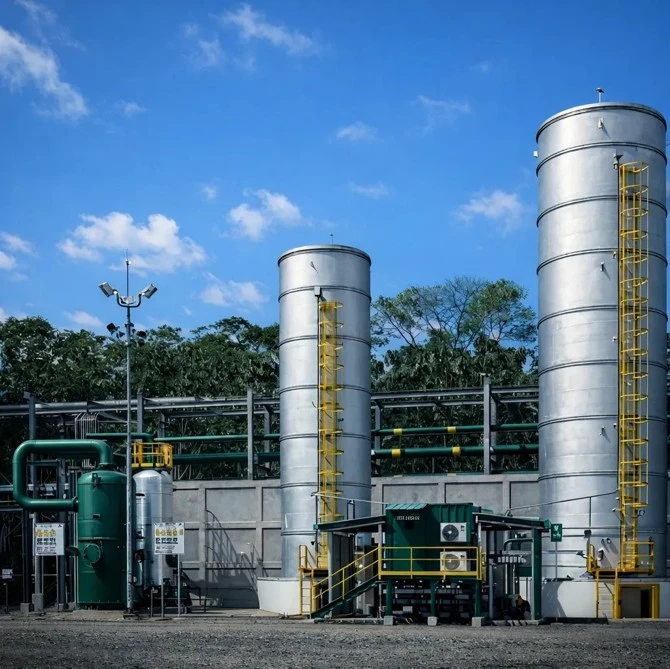
.svg)
Controlled biogas combustion for safety, backup, and regulatory compliance
CRA’s Biogas Enclosed Flare systems are engineered to safely combust surplus biogas under normal, upset, or emergency operating conditions. Designed to handle variable flow rates and fluctuating gas compositions, these flares ensure high destruction efficiency while minimizing environmental impact. CRA biogas enclosed flares deliver stable performance, regulatory compliance, and long-term reliability across landfill, wastewater, and renewable energy facilities.
Destruction Efficiency
>98%
Methane Operating Range
20–80% CH₄
Flame Visibility
Zero (enclosed chamber)
Operation
Fully automated
What is a Biogas Enclosed Flare?
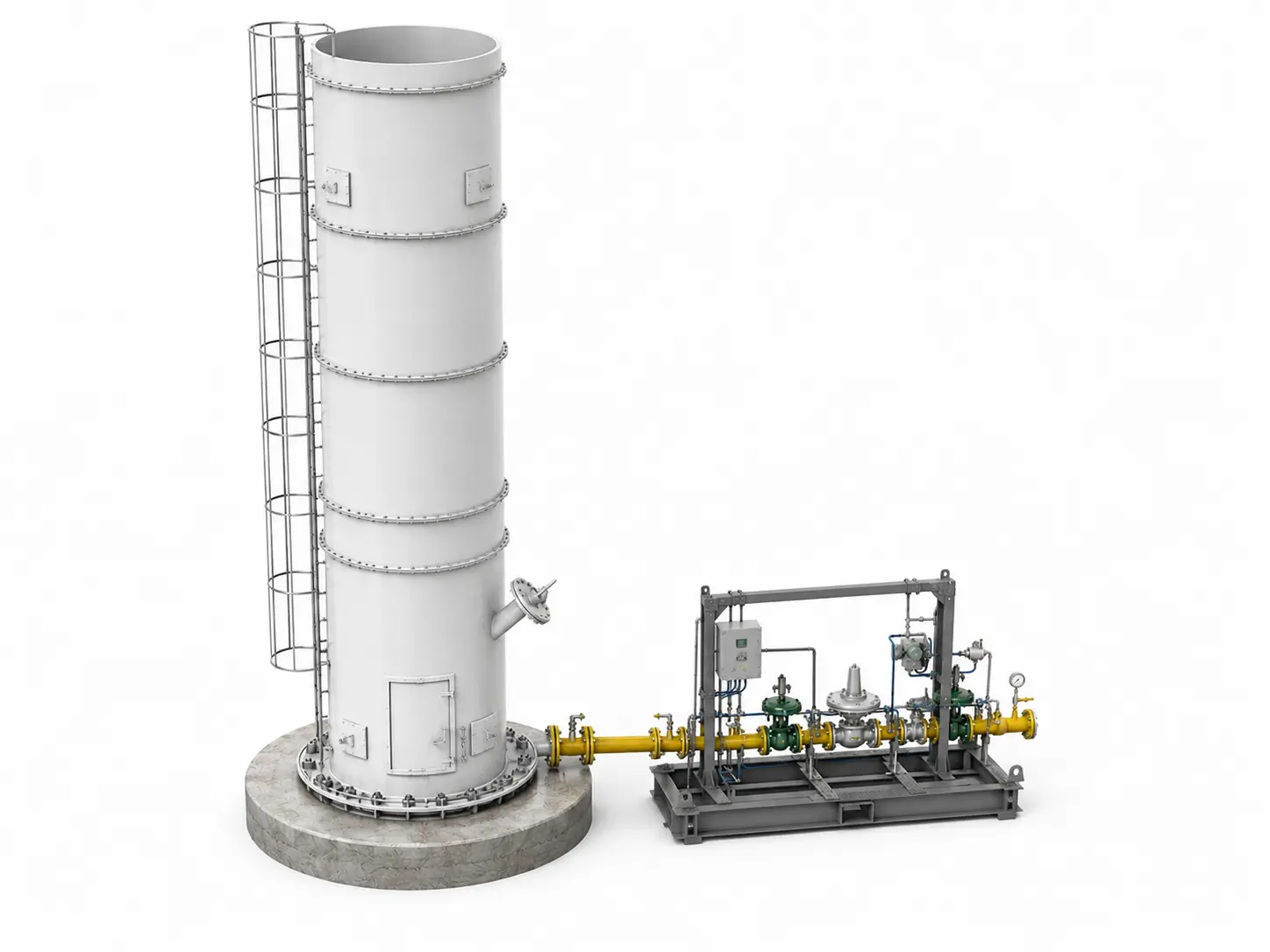
A biogas enclosed flare is a thermally insulated combustion unit that safely destroys surplus, off-spec, or emergency biogas in a contained refractory-lined chamber — with no visible flame, low radiant heat, and controlled stack emissions.
How it works
Biogas enters through a calibrated control valve and mixes with combustion air inside the chamber, where a standing pilot flame holds the temperature needed for high destruction efficiency.
Biogas enters through a calibrated control valve and mixes with combustion air inside the chamber.
Integrated pilots maintain a standing flame at the operating temperature required for high destruction efficiency.
An automated control system modulates gas flow across the full range, from minimum turndown to peak emergency load.
Flame detection, high-temperature shutdown, and pressure monitoring operate as independent safety interlocks.
Exhaust exits through a stack at low temperature once combustion is complete.
Key Benefits
Ensures controlled destruction of excess biogas, preventing hazardous gas accumulation.
Stable combustion across fluctuating methane content, flow rates, and pressures.
Achieves >98% methane and VOC destruction to reduce greenhouse gas emissions.
Integrated ignition, flame detection, and safety interlocks enable reliable hands-free operation.
Designed to meet EPA, EU IED, and international biogas flaring standards.
Projects That Push Boundaries
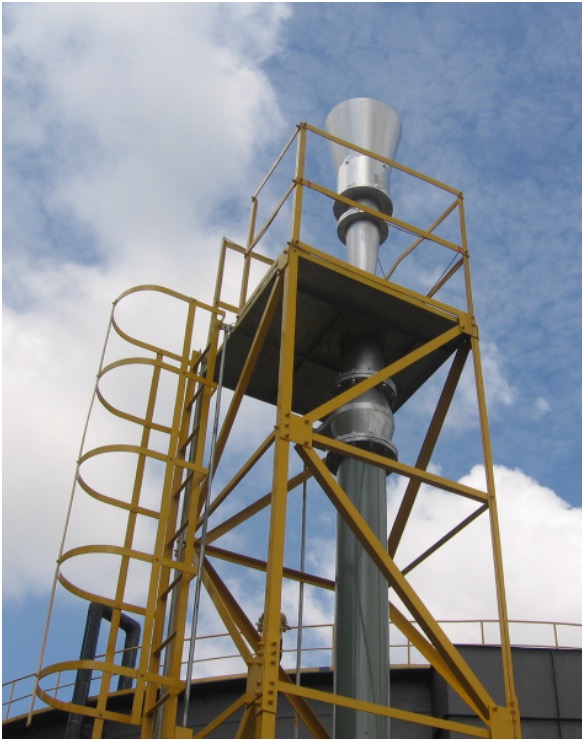
Covers both routine surplus and emergency relief biogas under a single compliant system.
.webp)
Two enclosed ground flares with spares for SUEZ India's 500 MLD wastewater treatment facility serving MCGM in Worli, Mumbai.
Factory-tested with continuous flame supervision and fail-safe shutdown for a public utility.
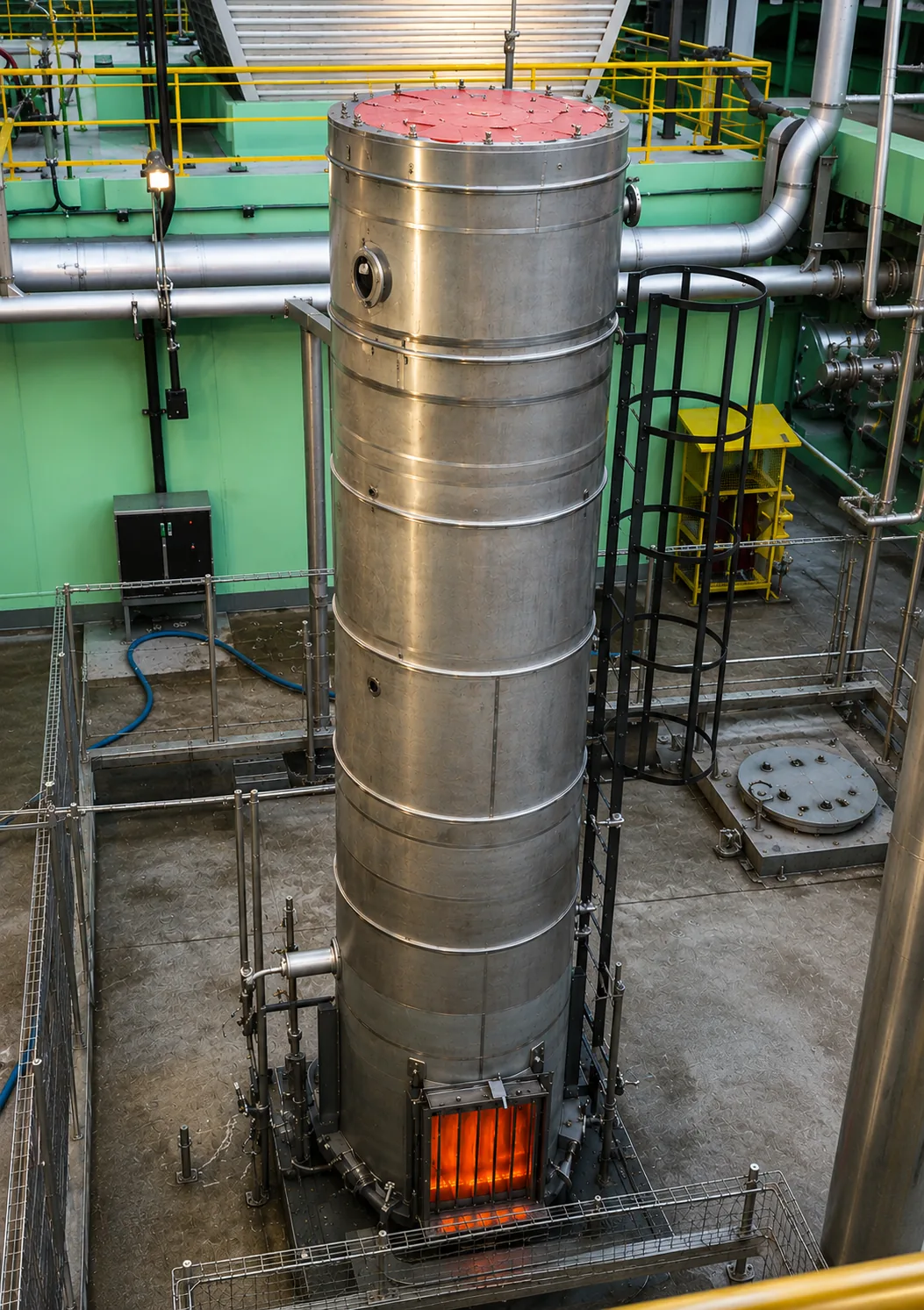
Designed for reliable, smokeless performance across variable gas quality and flow conditions.
Enclosed ground flare system for MCGM's Gorai dumpsite closure, commissioned and running without interruption ever since.
Enclosed flare tower and extraction system handling 600 Nm3/h of landfill gas at DRE above 99%, compliant with CPCB stack limits.
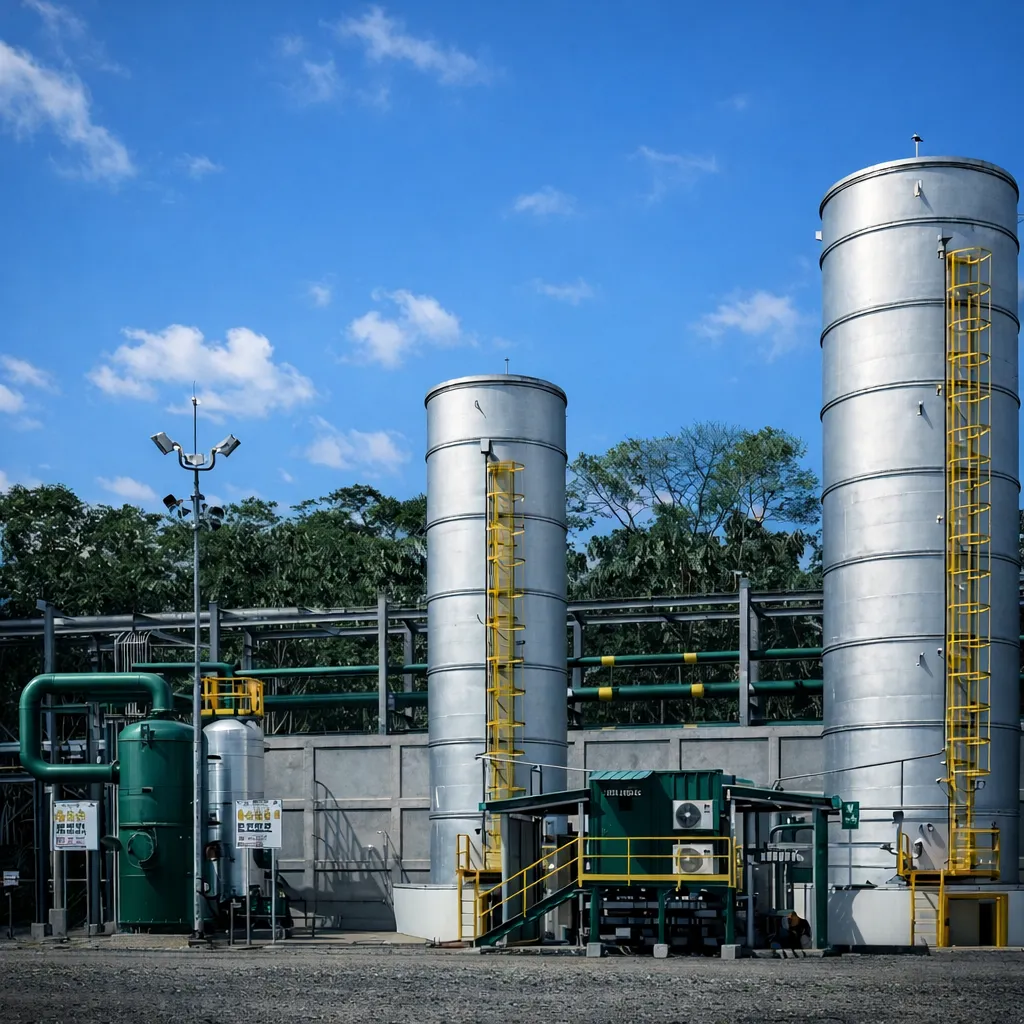
CRA's first Sub-Saharan Africa landfill gas installation, delivered under a single contract from design through commissioning.
The CRA Edge
Decades of experience delivering flares for biogas and waste-to-energy projects.
Design, fabrication, and commissioning managed in-house.
Systems engineered to meet international environmental and safety standards.
Each flare is customized for site conditions, gas composition, and flow variability.
Applications

Built to help you specify.
Sizing tools, decision guides, and technical references. Use them before, during, and after your evaluation.



Frequently Asked Questions
Why are flares considered critical in biogas plants?
Flares aren’t just backup devices — they are essential safety systems. In case of excess gas, pressure build-up, or equipment failure, a flare safely combusts methane and other gases, preventing leaks, explosions, and environmental damage.
What destruction efficiency and emissions performance do biogas flares achieve?
>98% methane destruction required; flares manufactured by CRA achieve >99.5%. Performance: 760-1100°C combustion | >0.3 sec residence | <50 ppm CO | <10 ppm unburned HC | <5% opacity GHG benefit: 1 kg CH₄ flared = 2.75 kg CO₂ vs. 28 kg CO₂-eq vented = 90% reduction
What are the operating costs and maintenance requirements for biogas flare systems?
Low operating cost; critical for 24/7 safety function. Opex (500 Nm³/hr): Pilot fuel $2-7K/yr | Assist air $2-9K/yr | Power $400-1750/yr | Total $5-16K/yr Maintenance: Daily flame check | Monthly burner inspection | Quarterly sensor cleaning | Annual full inspection | Refractory 5-10 years Uptime: >99% availability
When is a Biogas Flare System necessary and what are the key design considerations?
Essential safety equipment for all biogas facilities. Prevents gas accumulation, destroys methane (28x GWP of CO₂). Required for: Emergency relief | Startup/shutdown | Load-following | Off-spec gas | Regulatory compliance (>98% CH₄ destruction) Design: Size for 125-150% utilization capacity | 4:1 to 10:1 turndown | 760-1100°C combustion | <5% opacity
What destruction efficiency and turndown should a biogas flare actually deliver?
A biogas flare has to hold destruction efficiency across a wide and unpredictable methane content range, not just at design-point conditions. The biogas enclosed flares CRA manufactures operate stably across a 20% to 80% CH₄ range while maintaining greater than 98% destruction efficiency, with no visible flame at the stack due to the enclosed chamber design. Ignition, flame detection, and safety interlocks are fully automated, and the design meets EPA Method 21 and EU IED requirements for facilities operating under those frameworks.