
Direct Fired Thermal Oxidizer
Rapid, Rugged, Reliable VOC & HAP Destruction with Direct-Fired Thermal Oxidizers
.svg)
Robust, low-maintenance VOC and HAP destruction across diverse waste streams
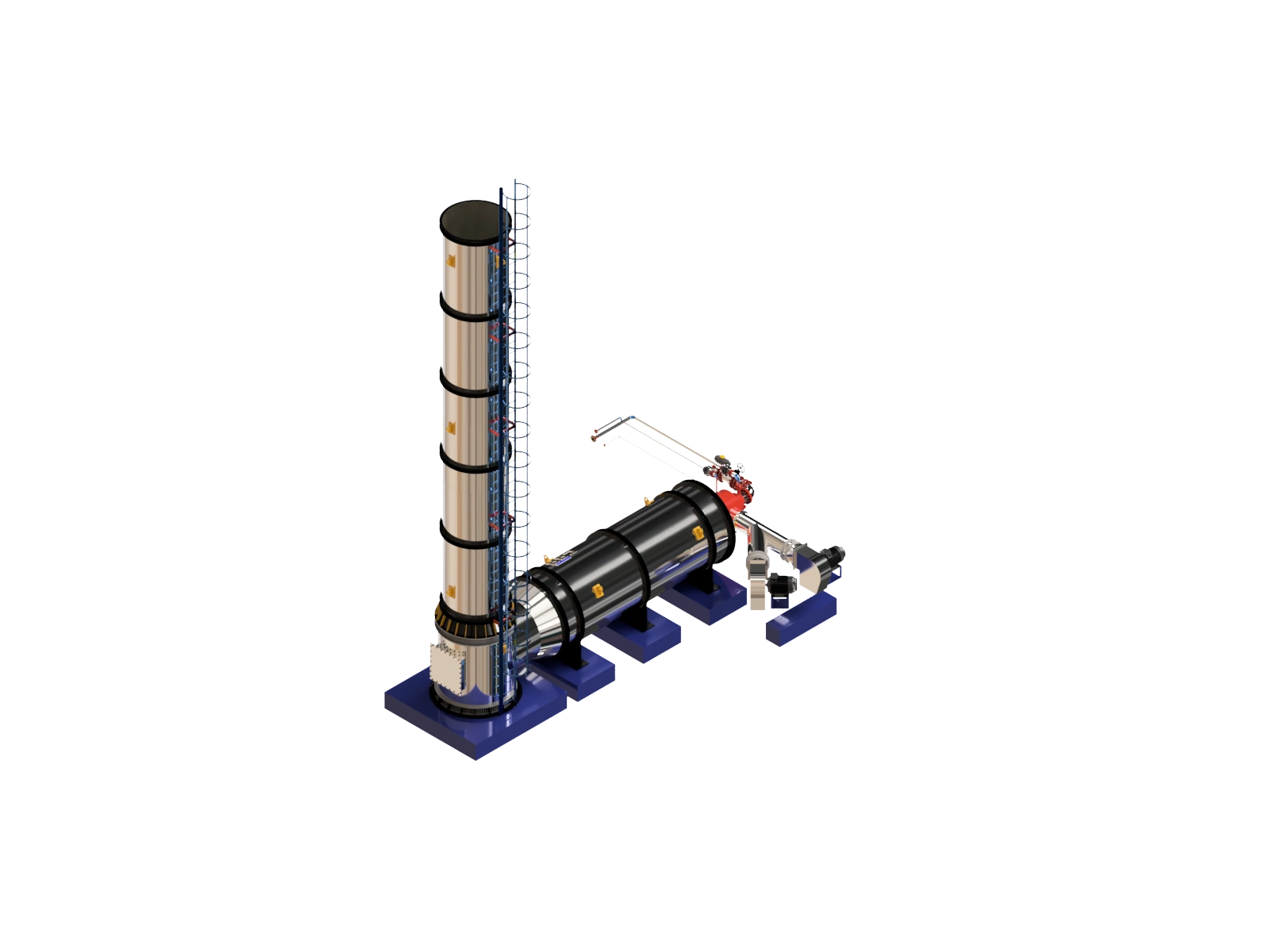
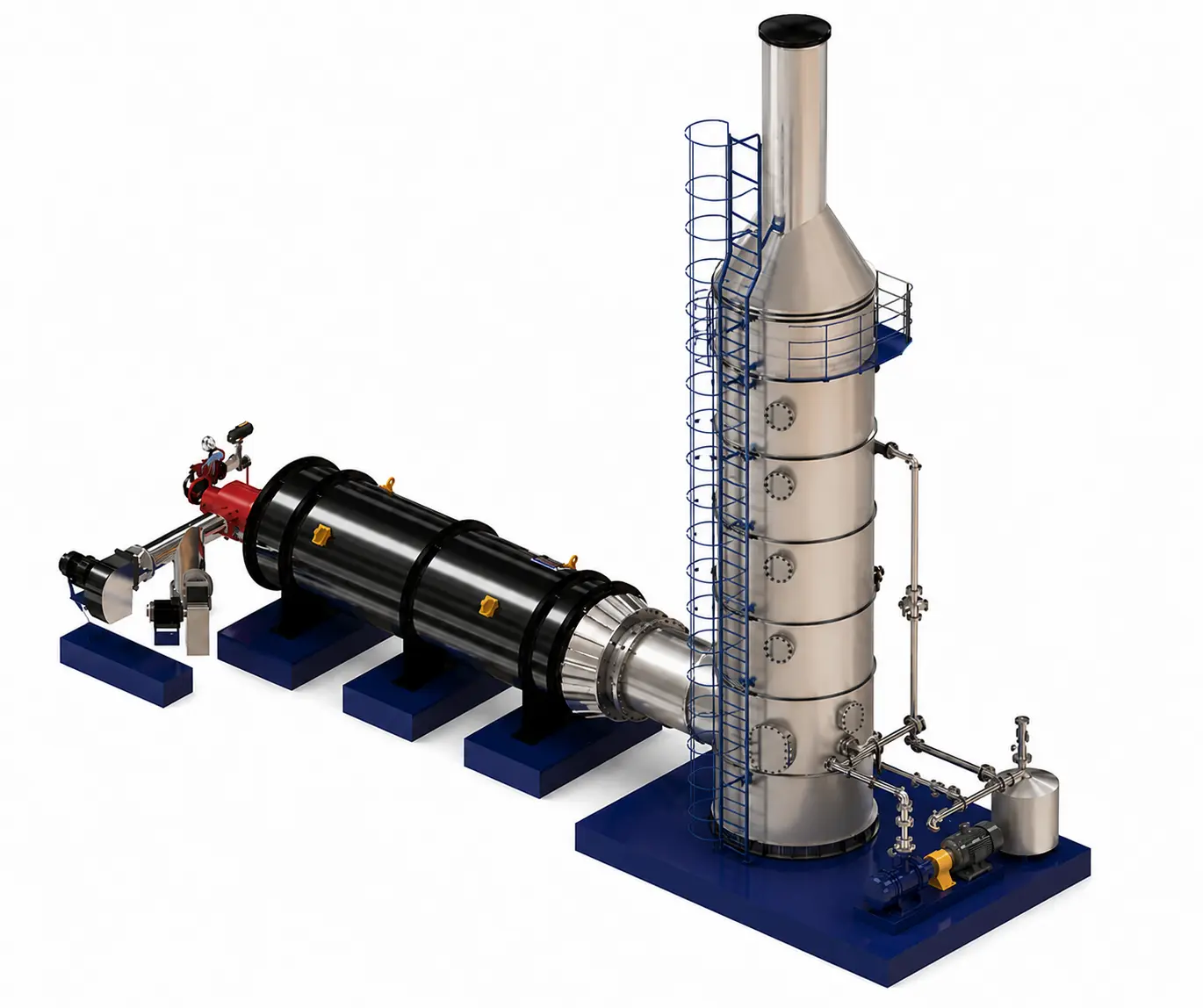
Our Direct Fired Thermal Oxidizer (DFTO) destroys volatile organic compounds (VOCs) and hazardous air pollutants (HAPs) through high-temperature combustion in a dedicated chamber. With years of R&D, it delivers robust, low-maintenance performance across a diverse range of industrial gases and vapours. DFTOs handle challenging waste streams while maintaining efficiency, reliability, and compliance with global environmental standards.
VOC/HAP Destruction
>99%
Operating Temp
760–1,200°C
Waste Streams
Gas, liquid, particulate
Mount
Skid
What is a Direct Fired Thermal Oxidizer?
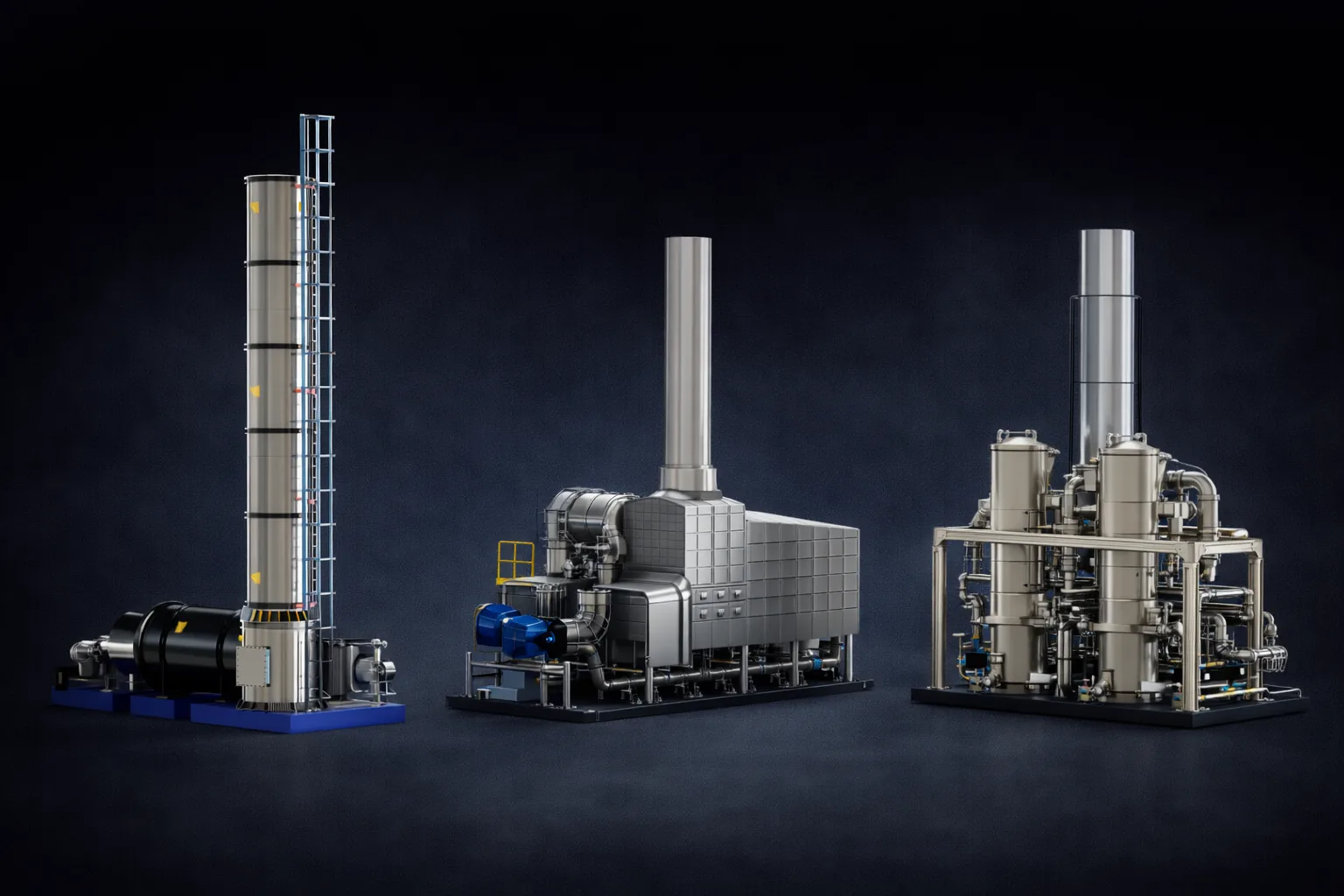
A direct fired thermal oxidizer destroys volatile organic compounds, hazardous air pollutants, and odorous emissions by combusting waste gas in a dedicated high-temperature chamber — without heat recovery equipment, making it the simplest and lowest-capital thermal oxidizer for streams that generate sufficient heat of combustion or where fuel cost is not the primary operating concern.
How it works
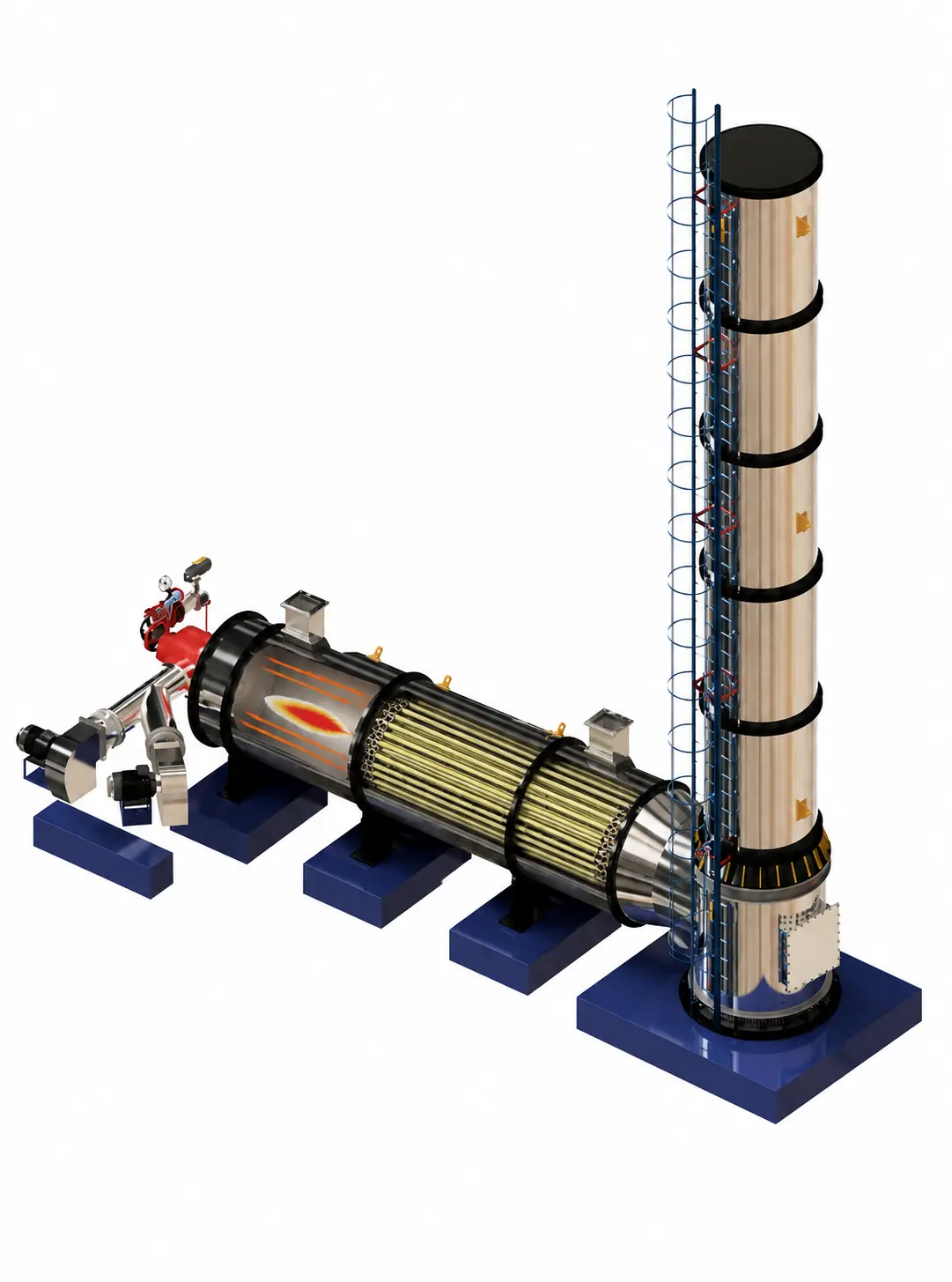
Waste gas enters a single combustion chamber and burns directly with supplemental fuel and air, with residence time set to reach the required destruction efficiency before it exits.
Waste gas burns with supplemental fuel and air at temperatures between 760°C and 1,200°C.
The chamber holds the gas long enough at temperature to achieve the required destruction efficiency before discharge.
Exhaust leaves the chamber directly, or routes to a downstream heat recovery boiler or scrubber where one is specified.
Key Benefits
Achieves >99% VOC, HAP, and odour destruction; special units exceed 99.9% DRE
Destroys high-VOC, corrosive, halogenated, liquid, and particulate-laden streams
Rugged, low-maintenance design ensures long operational life with minimal downtime
Fast heat-up and wide turndown make DFTOs ideal for variable loads and batch processes
Detailed CFD, process simulations, and strict QC guarantees adequate residence times and high DRE
Projects That Push Boundaries
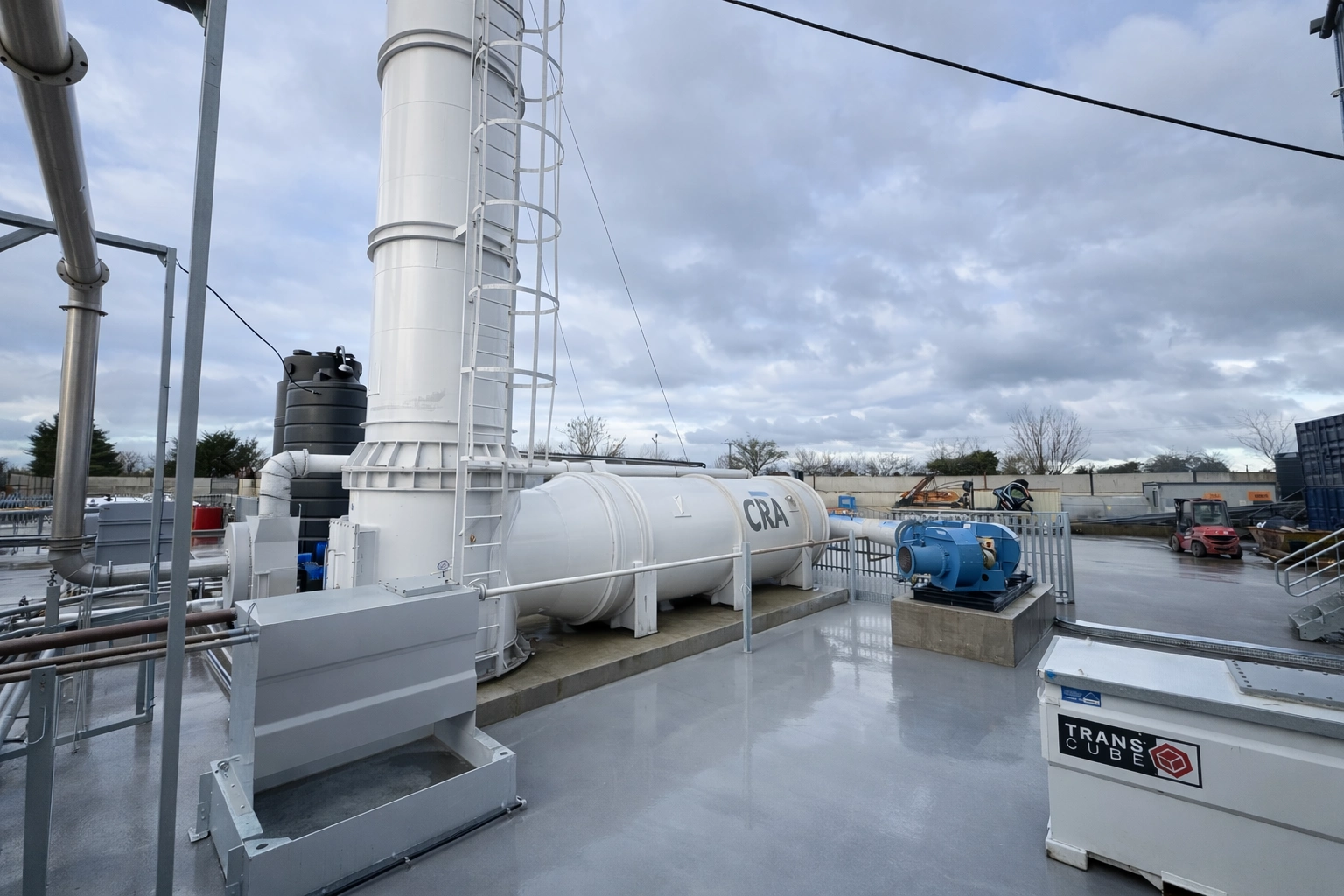
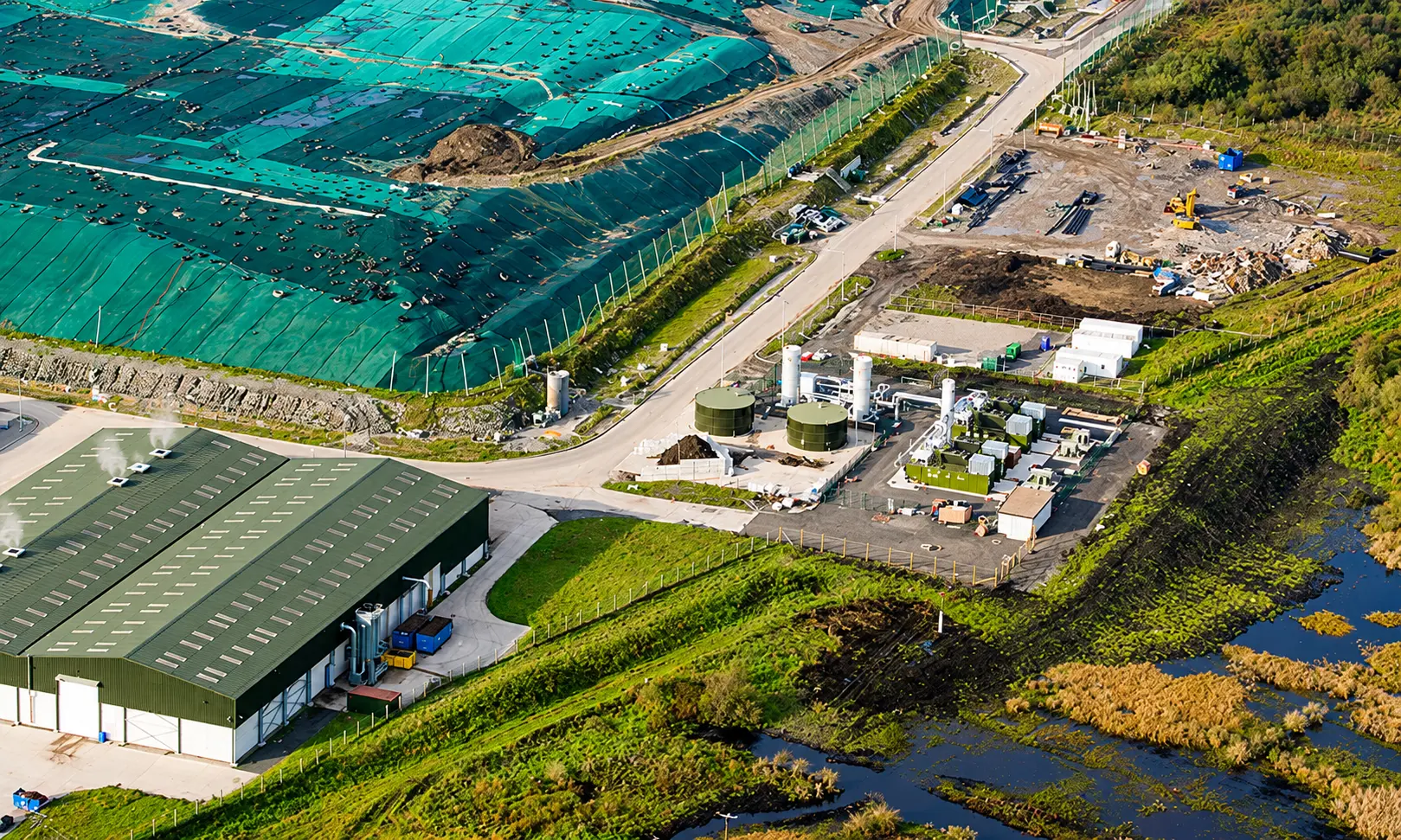
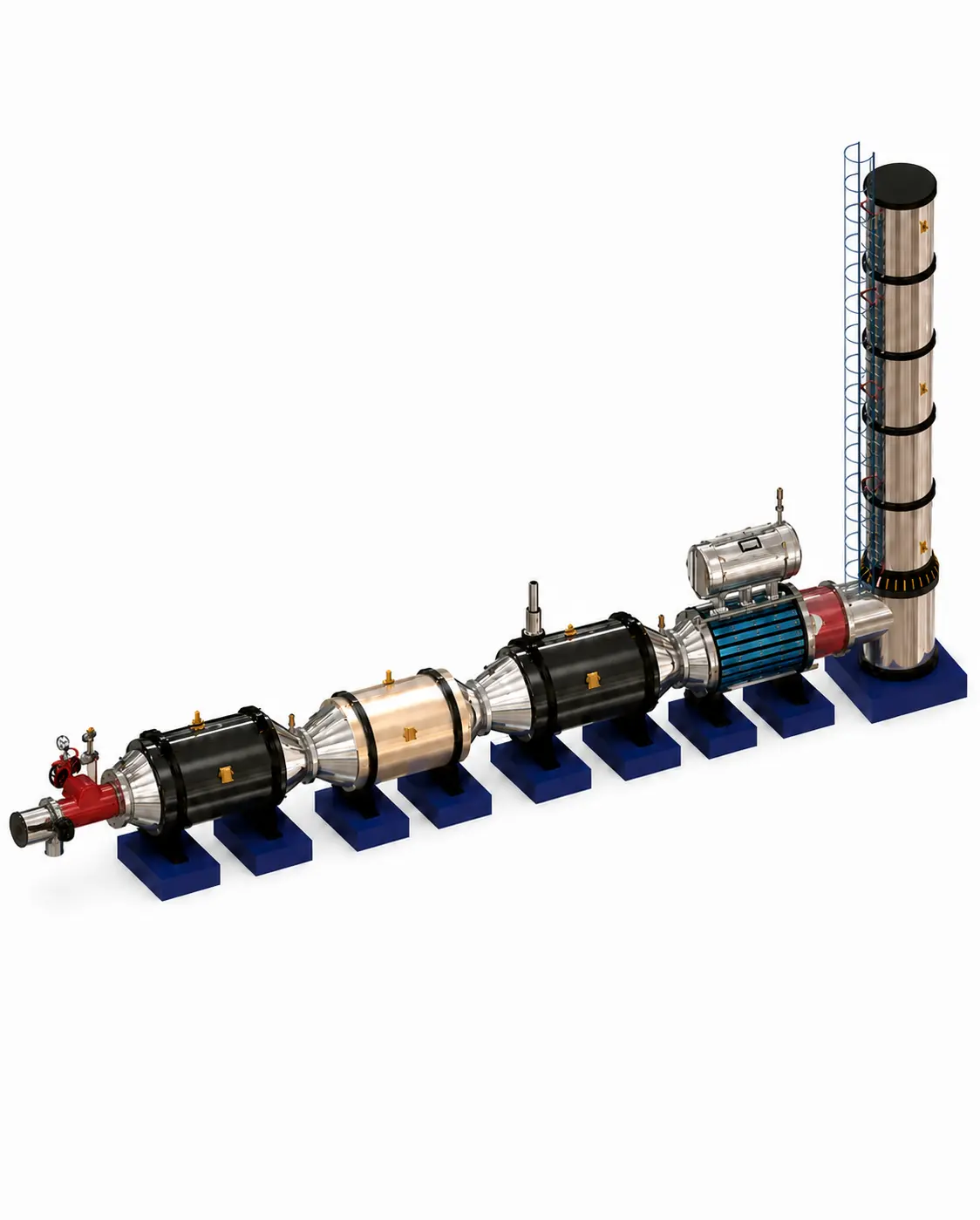
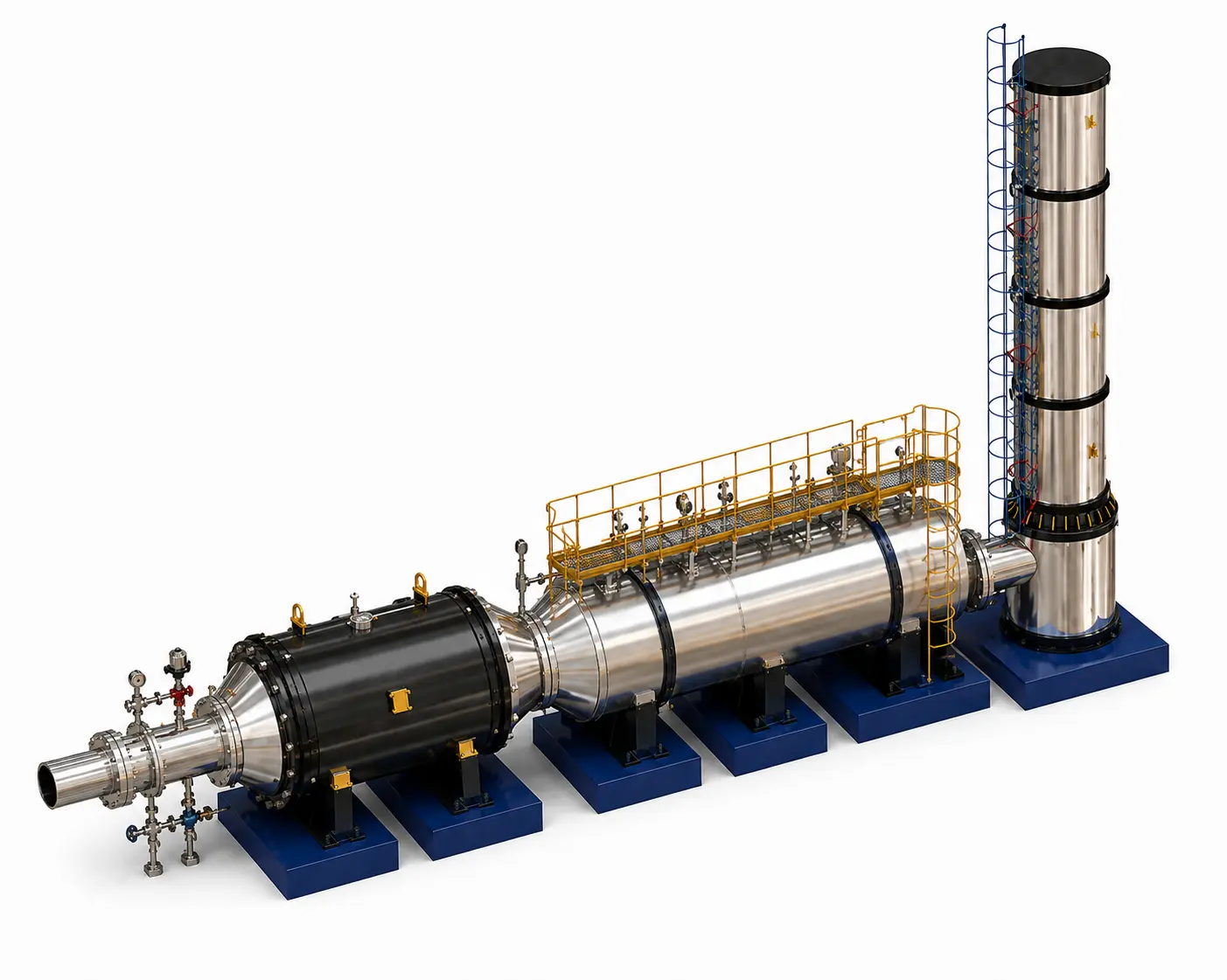
Self-fuelled from process-derived gas to meet UK regulatory destruction efficiency requirements.

Simultaneous destruction of multiple corrosive gas streams in an active paper manufacturing process.
The CRA Edge
30+ years of expertise solving the toughest emissions challenge
End-to-end design, R&D, and manufacturing under one roof for speed and quality
ISO 9001, ASME Standards, API, CE
Customized designs meet your exact process needs and strictest regulations
Applications
.webp)

Built to help you specify.
Sizing tools, decision guides, and technical references. Use them before, during, and after your evaluation.






.webp)
Frequently Asked Questions
What is a thermal oxidizer and how does it work?
A thermal oxidizer destroys volatile organic compounds (VOCs), hazardous air pollutants (HAPs), and odorous gases through high-temperature oxidation. By maintaining controlled temperature, residence time, and turbulence, pollutants are converted into CO₂ and H₂O while meeting regulatory emission limits. The process uses controlled combustion in a dedicated chamber where waste gases are heated to temperatures typically ranging from 760°C to 1,200°C, ensuring complete destruction of harmful organic compounds.
How do thermal oxidizers differ from flares?
While both destroy hydrocarbons through high-temperature oxidation, thermal oxidizers and flares differ significantly in design, operation, and application: Thermal Oxidizers: Enclosed combustion chamber with controlled environment; Consistent temperature control (±10-20°C typical); Defined residence time - Engineered for specific DRE; Heat recovery possible - RTO or recuperative designs; Automated controls - PLC-based operation; Best for: Continuous or batch VOC streams, regulatory compliance, energy efficiency. Enclosed Flares: Controlled combustion in enclosed structure; Variable operating conditions based on relief flow; Wide flow turndown (up to 100:1 or more); Radiation shielding and noise control; Best for: Emergency relief, variable vents, safety applications. Open Elevated Flares: Atmospheric combustion at elevated height; Visible flame during operation; Assist systems (steam or air) for smokeless performance; Extreme turndown for emergency relief; Best for: Large emergency relief, peak flows, safety vents. Selection Criteria: Continuous VOC streams → Thermal Oxidizer; Intermittent/emergency relief → Flare; Regulatory destruction efficiency → Thermal Oxidizer; Safety relief system → Flare. CRA provides both technologies and can help determine the right solution for each application.
Can thermal oxidizers handle multiple process vents?
Yes. Thermal oxidizers can be designed to handle combined streams from multiple process vents, providing economic benefits through: System Integration Benefits: Single oxidizer treats multiple sources; Lower total capital cost vs. individual units; Reduced footprint - One installation instead of several; Centralized monitoring and control; Simplified permitting - One emission point. Engineering Considerations: Flow balancing - Manifold design for uniform distribution; Isolation dampers - Allow individual source shutdown for maintenance; VOC concentration variations - System must handle combined load; Chemical compatibility - Ensure compounds don't react before oxidation; Temperature variations - Design for mixed inlet conditions. When Combined System Makes Sense: Multiple low-flow vents that together justify larger, more efficient system; Coordinated production schedules allow simultaneous operation; Centralized location feasible; Consistent regulatory limits across sources. When Separate Systems Better: Widely dispersed sources (long duct runs uneconomical); Very different operating schedules; Incompatible chemical streams; Segregated permit requirements. CRA performs detailed engineering analysis to determine optimal configuration.
When is a Direct Fired Thermal Oxidizer the best choice?
A DFTO is ideal for high-VOC or high-heating-value streams, batch operations, emergency vents, and applications with fluctuating flows where fast response, simplicity, and reliability matter more than heat recovery. Optimal Applications: High VOC concentrations (>25% LEL) where autothermal or fuel-producing operation is possible; Intermittent or batch operations where heat recovery equipment sits idle; Emergency relief systems requiring instant availability; Variable flow applications with wide turndown requirements; Applications with particulate where heat exchangers would foul; Corrosive streams where simple construction minimizes material costs; Budget-constrained projects where capital cost is primary driver. Industry Examples: Batch pharmaceutical production; Chemical reactor vents during synthesis; Emergency venting and pressure relief; Tank loading/unloading operations; Intermittent coating lines; Pilot plant operations; Hazardous waste treatment. Key Advantages: Simplicity - Burner + combustion chamber, minimal moving parts; Reliability - Fewer components mean fewer failure points; Fast response - Instant heat-up, no thermal mass to stabilize; Wide turndown - Handle 20:1 or greater flow variations; Lowest capital cost - Simplest design, quickest installation; Minimal maintenance - No heat recovery equipment to maintain.
What should buyers evaluate when comparing thermal oxidizer suppliers?
Destruction efficiency is where thermal oxidizer suppliers converge, and it rarely separates them. What matters is whether the manufacturer sized the chamber against your actual vent profile, upset and turndown cases included, rather than a nameplate flow. Ask whether burner management is designed to NFPA 86, and who carries responsibility when the system trips on a load swing. Ask whether heat recovery was engineered against your plant’s steam or hot oil demand or lifted from a catalogue. CRA designs and manufactures RTO, recuperative, direct fired, acid gas, sulphur tail gas, and Low NOx thermal oxidizers in-house, supplying burner, chamber, heat recovery, and controls as one engineered package.