
Utility Flare
Reliable, Robust, and Field-Proven Flare Systems
.svg)
Reliable unassisted combustion for clean-burning vent streams
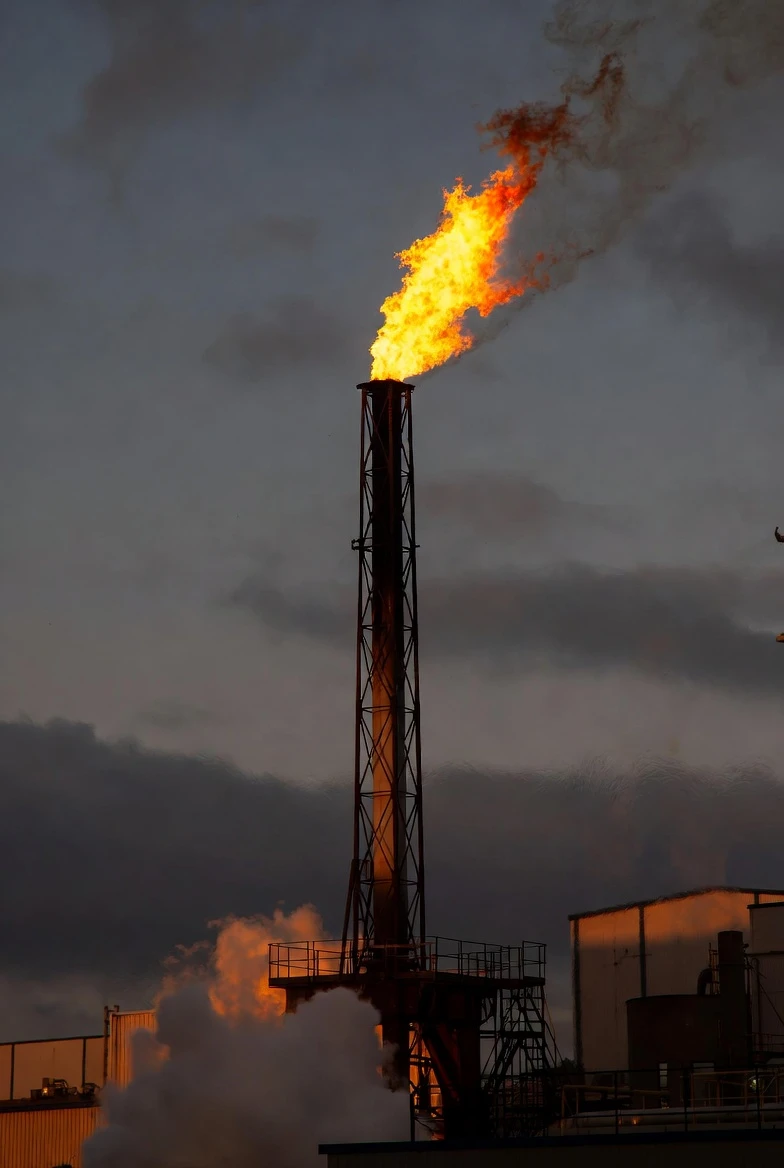
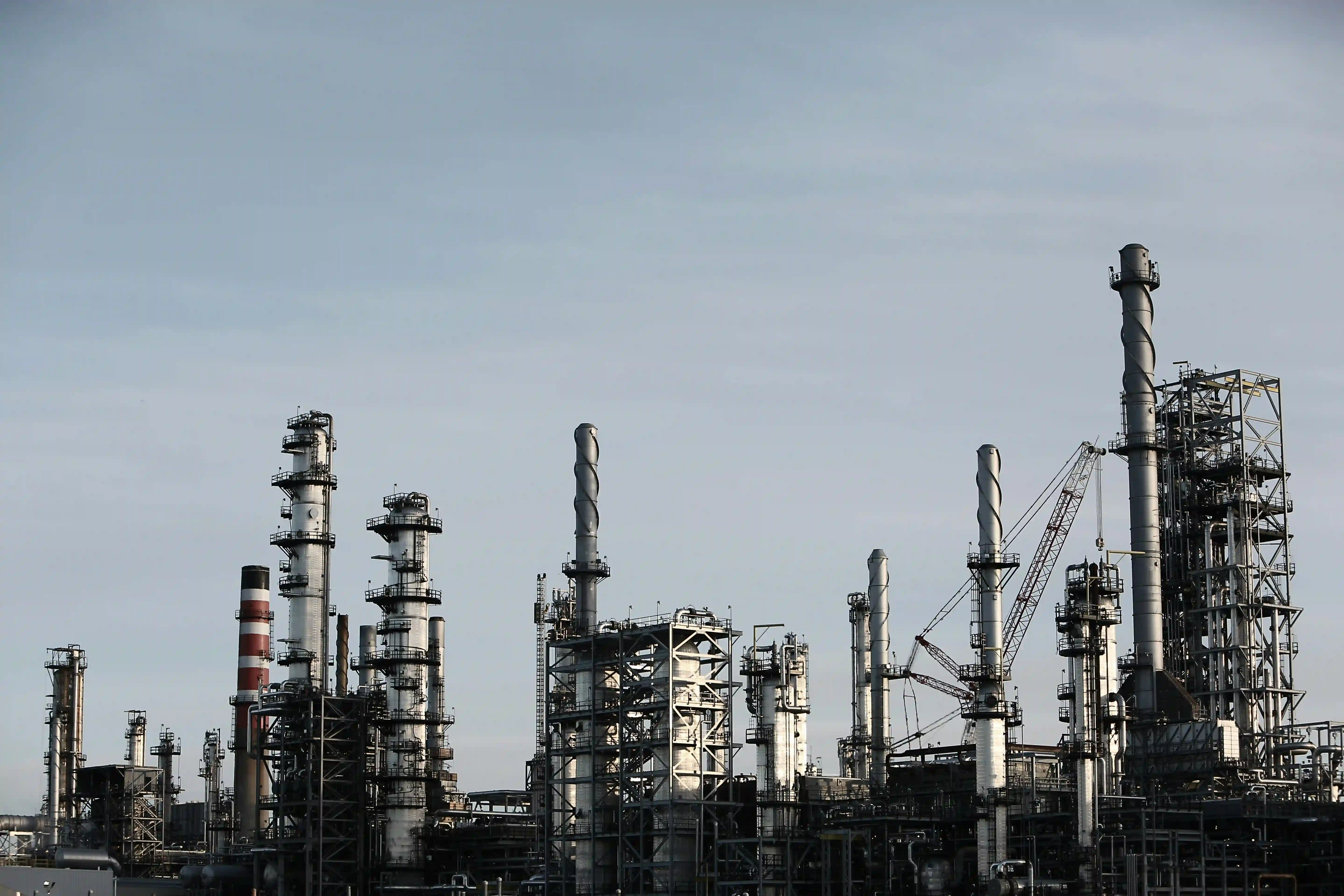
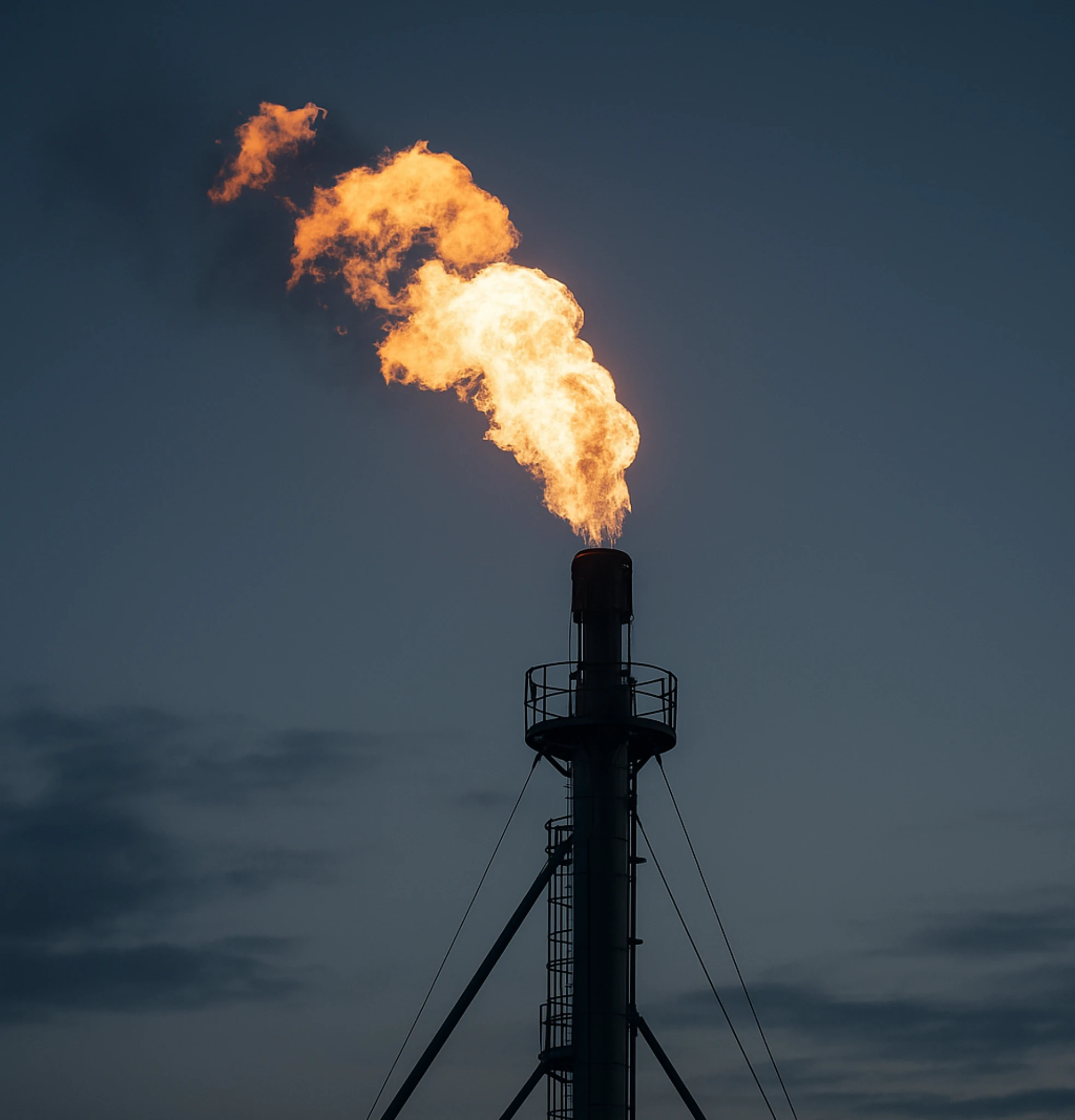
CRA's Utility Flares are un-assisted flares designed for safe, efficient combustion of vent gases and emergency relief streams. They are ideal for waste streams that burn smokeless themselves or for applications where smokeless flaring is not a requirement. Built with rugged tips and durable structures, these flares ensure dependable, stable performance and regulatory compliance for continuous or intermittent service in demanding industrial environments.
Destruction Efficiency
>98%
Structures
3 types
Assist
Unassisted
Standard
API 537
What is a Utility Flare?
A utility flare is an unassisted combustion system designed for waste gas streams that combust cleanly without auxiliary injection — providing a straightforward, cost-effective solution for routine venting and emergency relief where smokeless performance is not a regulatory or operational requirement.
How it works
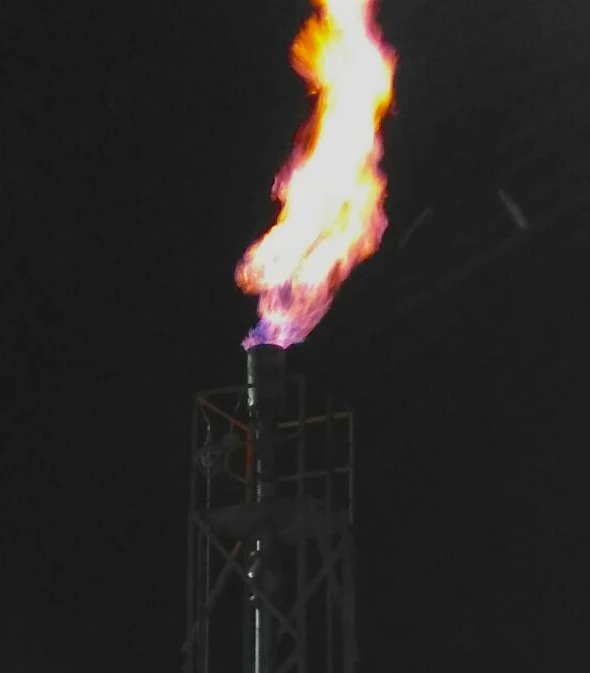
The flare tip burns in an open flame at the top of a vertical stack, with an always-lit pilot maintaining ignition through every flow condition the system sees.
The flare tip operates as an open flame at the top of a vertical stack, with no blower, steam header, or auxiliary injection involved.
An always-lit pilot maintains ignition through all flow conditions, including low-flow and emergency relief events.
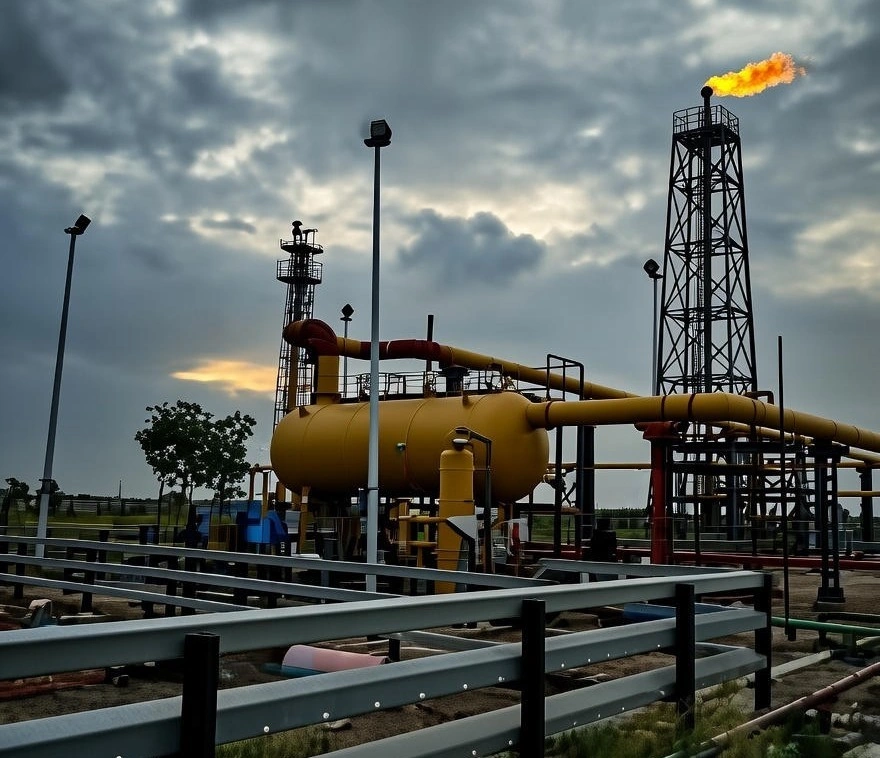
Structure type, self-supported, guyed, or derrick, is selected based on stack height, site wind loading, and available footprint.
Key Benefits
Capable of managing both steady vent streams and sudden emergency relief events
Durable construction with minimal moving parts reduces downtime and service intervals
Available in self-supported, guyed, or derrick-supported structures to fit site layouts and gas loads
Designed and tested in line with API 537, EPA 40 CFR 60.18, and international flare regulations
High turndown rates ensure stable performance from routine venting to full emergency relief events
Projects That Push Boundaries
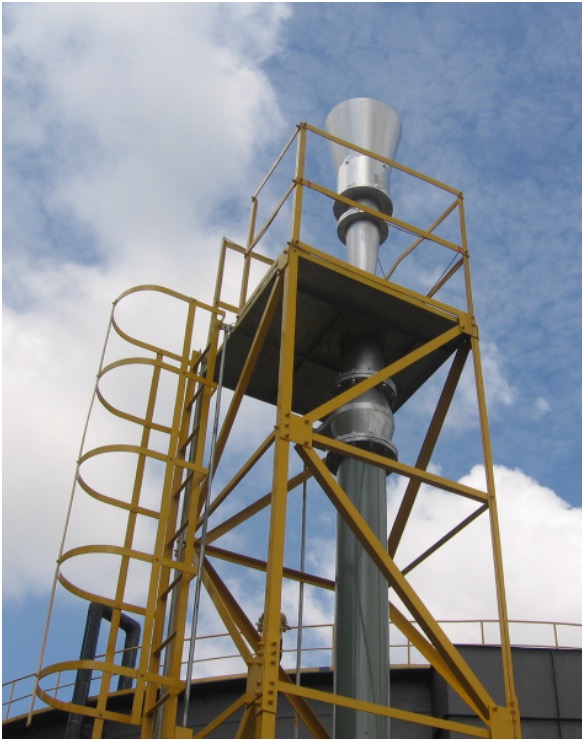
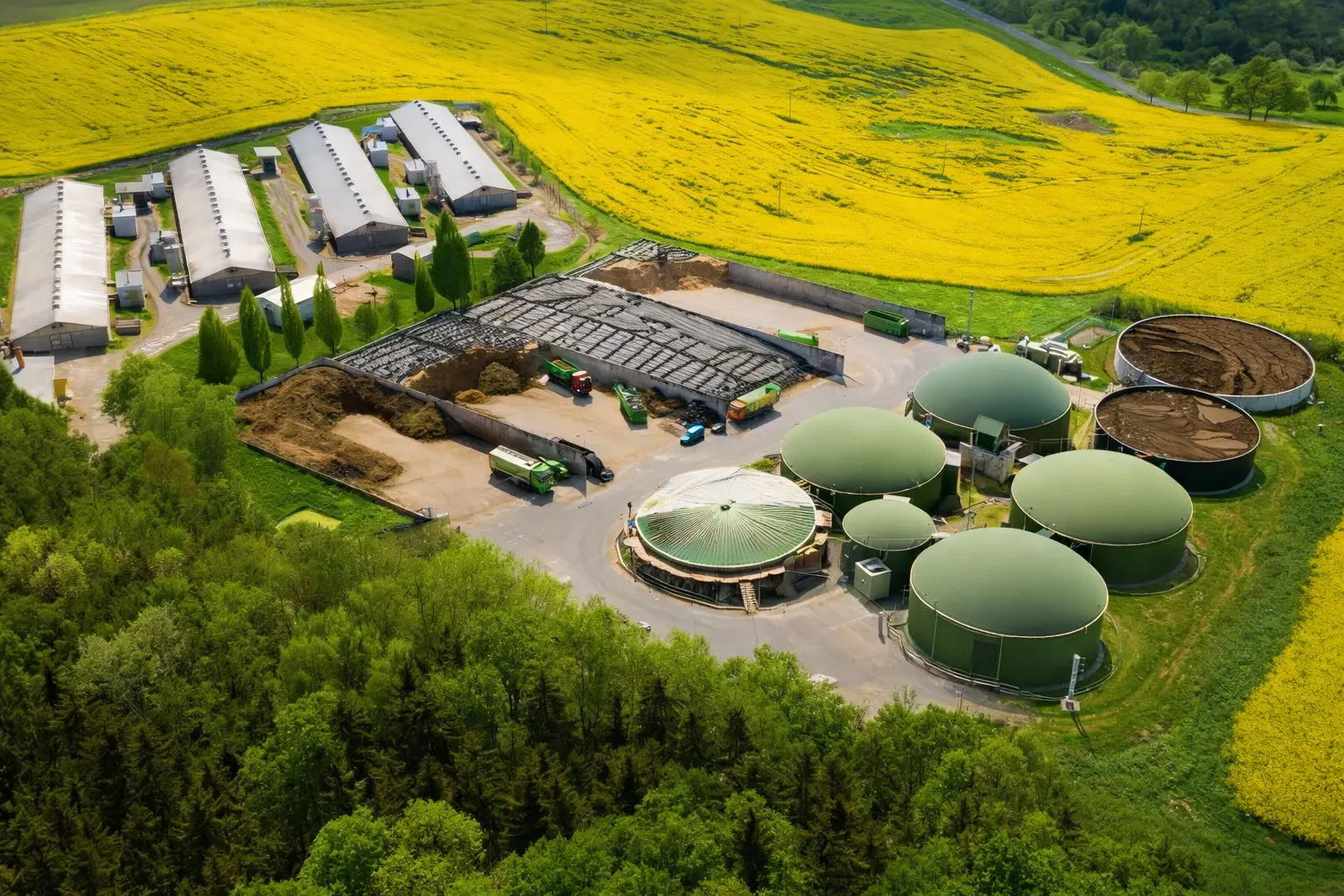
Covers both routine surplus and emergency relief biogas under a single compliant system.
The CRA Edge
Over 30 years in gas handling and flare engineering
End-to-end design, R&D, and manufacturing under one roof for speed and quality
ISO 9001, ASME Standards, API, and CE
Customized designs meet your exact process needs and strictest regulations
Applications
.webp)

Built to help you specify.
Sizing tools, decision guides, and technical references. Use them before, during, and after your evaluation.




Frequently Asked Questions
When is a utility (unassisted) flare the right choice?
A utility flare — unassisted, no steam or forced air — is the right choice when waste gas burns smokelessly on its own, or when smokeless operation is not a regulatory or community requirement. It's the simplest, lowest-cost flare configuration and the most reliable due to fewer moving parts. Best fit when: Waste gas is light hydrocarbons, hydrogen-rich, or otherwise self-smokeless; Site is industrial with no smoke-visibility constraints; Steam or forced air infrastructure isn't available or justified; Capital budget is constrained; Service is intermittent (emergency relief) rather than continuous. For heavy hydrocarbon streams or sites with smoke-visibility constraints, air-assisted or steam-assisted flares are required.
What gas streams burn smokelessly without assist?
Gas streams that burn smokelessly without assist are typically light hydrocarbons (methane, ethane), hydrogen-rich streams, and gases with low carbon-to-hydrogen ratios. They produce clean flames because there's not enough heavy carbon content to form soot before complete combustion. Common self-smokeless streams: Natural gas (mostly methane); Hydrogen, syngas, or hydrogen-rich purges; Refinery off-gas with high H₂ content; Biogas (with sufficient methane content and low siloxanes); Landfill gas (when methane > 30%); Light naphtha vapors at low concentration. Streams with C3+, aromatics, or olefins generally require air or steam assist to burn smokelessly. Test burns or composition analysis confirm whether a stream qualifies for unassisted flaring.
What support structures are available for utility flares?
Utility flares are available in three structural configurations sized for the height and wind/seismic loading of the application: self-supported, guyed, and derrick-supported. Selection depends on stack height, ground footprint, and wind load. Self-supported — single stack with internal/external structural reinforcement; preferred for shorter heights (typically up to 30 m); minimal ground footprint.; Guyed — slender stack stabilized by tensioned guy wires anchored to the ground; cost-effective for tall stacks (60+ m) where footprint is available.; Derrick-supported — external lattice structure surrounds the stack; preferred for very tall flares (60+ m) on constrained sites or in high-wind/seismic zones. Structural design follows ASME and applicable wind/seismic codes for the project location.
How does a utility flare differ from assisted flares?
The defining difference is the absence of assist medium. Utility flares rely entirely on the gas stream's own properties for clean combustion; assisted flares add steam, air, or pressure energy to enable smokeless combustion of streams that would otherwise smoke. Utility (unassisted) — simplest, lowest cost, most reliable; only suited to self-smokeless streams or sites where smoke is acceptable.; Air-assisted — adds blower for smokeless combustion of moderate-flow heavy hydrocarbons; preferred when steam is unavailable.; Steam-assisted — adds high-pressure steam for highest smokeless capacity; standard at refineries with steam infrastructure.; High-pressure (sonic) — uses gas pressure itself for smokeless combustion of high-pressure streams; no external assist needed. Capital, operating cost, and complexity all increase as you move from utility to assisted designs.
What standards do utility flares need to meet?
Utility flares meet API 537 (flare design), API 521 (pressure relief), and EPA 40 CFR 60.18 (control device requirements). Even though they're the simplest flare type, the same regulatory and design standards apply as for assisted flares — only the assist hardware is omitted. Compliance items: Tip exit velocity within stable-flame limits; Combustion-zone net heating value above regulatory minimum; Continuous pilot monitoring with assured ignition; Radiation calculations for personnel-safe ground levels (per API 521); Structural design per ASME and applicable wind/seismic codes. Manufacturing meets ISO 9001, ASME, API, and CE; project-specific certifications added as required.