
Gas Compression Skid
Smooth, Continuous, and Compact Gas Compression Skids for Industrial Applications
.svg)
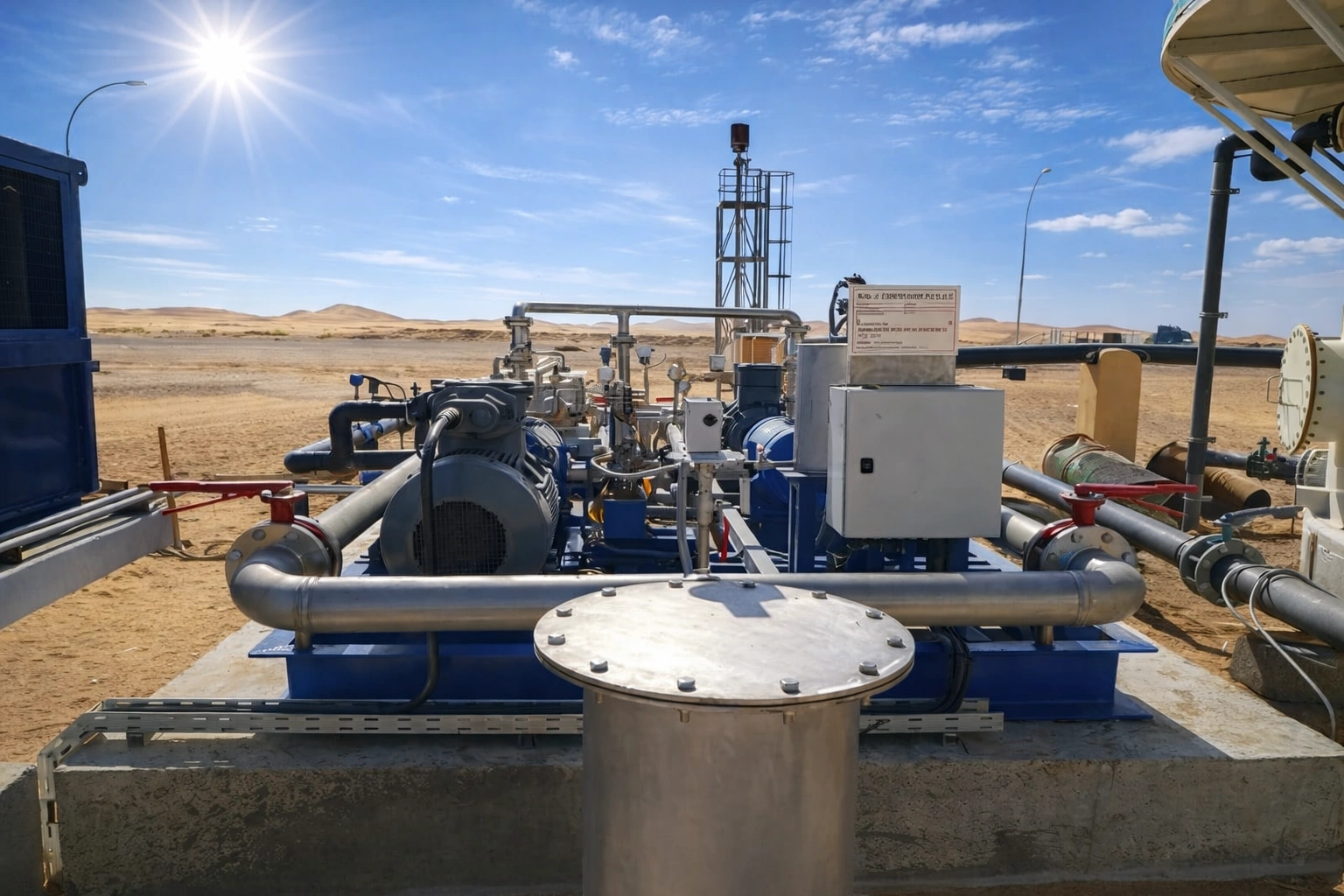
Modular compression for stable, low-pulsation gas delivery
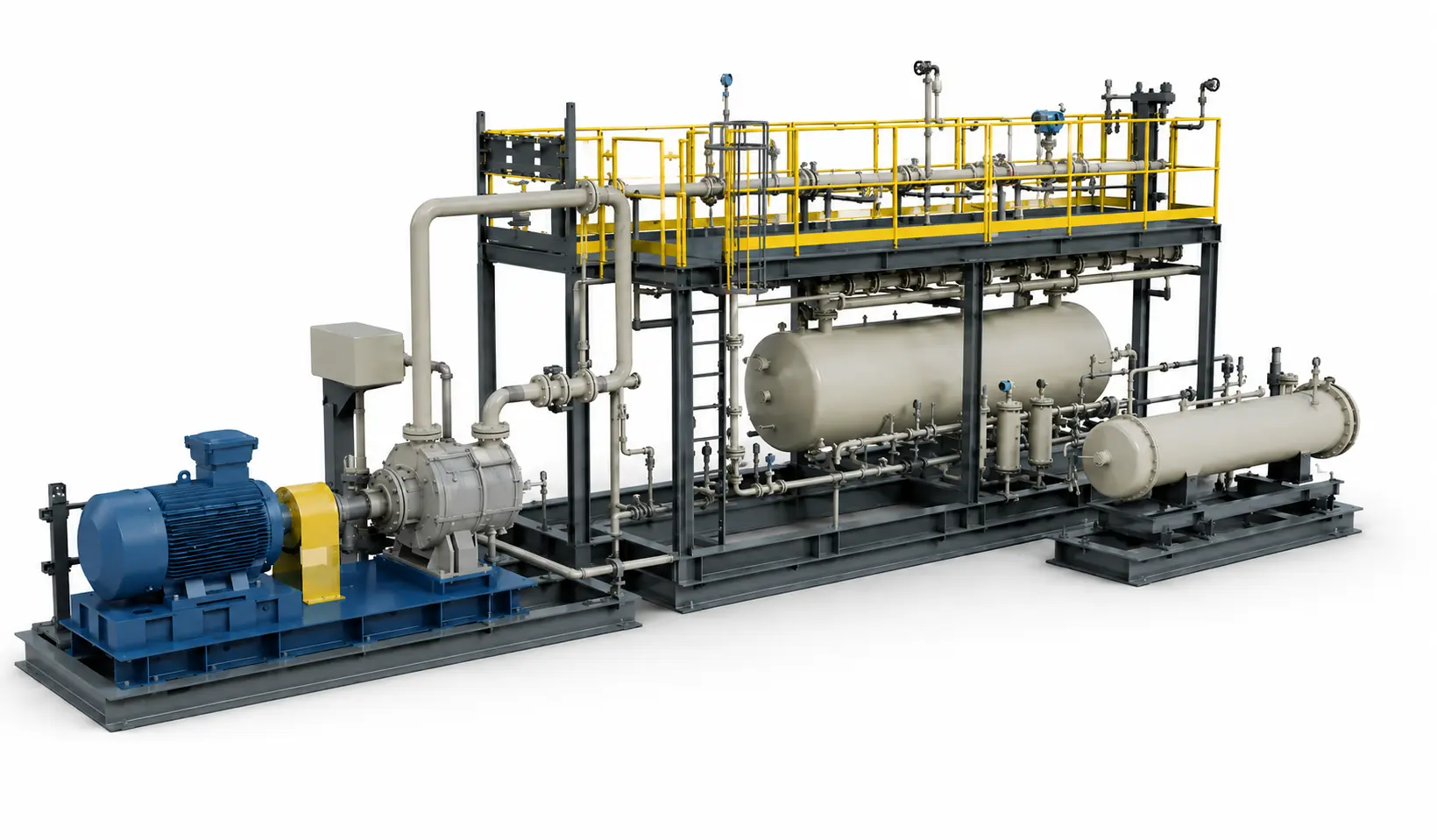
Our Gas Compression Skids are engineered systems designed to compress and stabilize low to medium pressure gas streams in continuous industrial operations. These systems deliver steady flow with minimal pulsation, making them well suited for vapor recovery, fuel gas, and process gas applications. Backed by CRA’s process and mechanical engineering expertise, the compression skids integrate the compressor, driver, piping, instrumentation, and controls into a single modular package. The design emphasizes smooth operation, compact footprint, and reliable performance when handling variable gas compositions and fluctuating flow conditions.
Operation
Continuous duty
Pulsation
Low
Pressure Range
Low to medium
Mount
Single skid package
What is a Gas Compression Skid?
A gas compression skid is a modular, skid-mounted system that compresses and stabilizes low to medium pressure gas streams for continuous industrial operations, integrating the compressor, driver, piping, instrumentation, and controls into a single package.
How it works
Gas moves through inlet conditioning, compression, and pulsation control in sequence before it leaves the skid at the required discharge pressure.
Gas enters the skid through inlet scrubbing and filtration, removing liquids and particulates before it reaches the compressor.
The conditioned gas passes through the compressor stage, where pressure is raised to the required discharge level.
Pulsation dampeners and piping layout minimise flow disturbances downstream of the compressor.
Key Benefits
Steady, low-pulsation compression protects downstream equipment and improves process stability.
Designed for uninterrupted service in applications with variable gas flow and composition.
Skid-mounted construction minimizes space requirements and simplifies transport and installation.
Simple mechanical layouts support long service life with reduced routine maintenance.
Careful equipment selection and system integration ensure efficient and reliable operation.
Projects That Push Boundaries
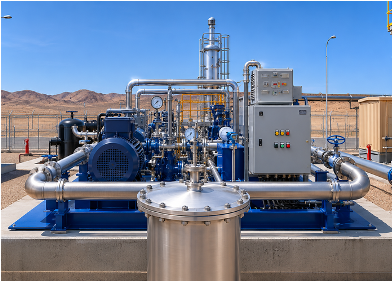
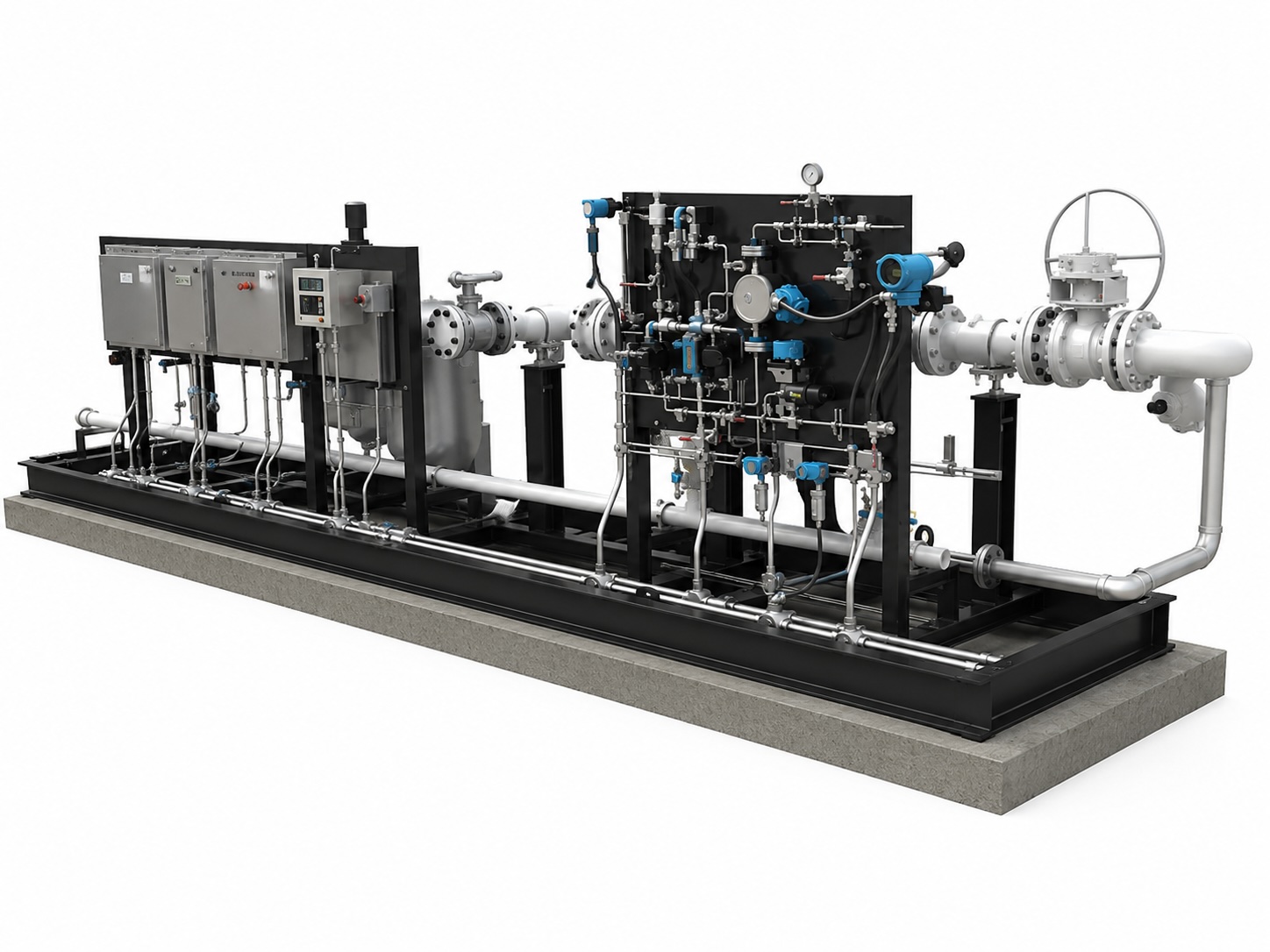
Purpose-built for remote dairy site conditions with gas delivery to a distant utilization point.

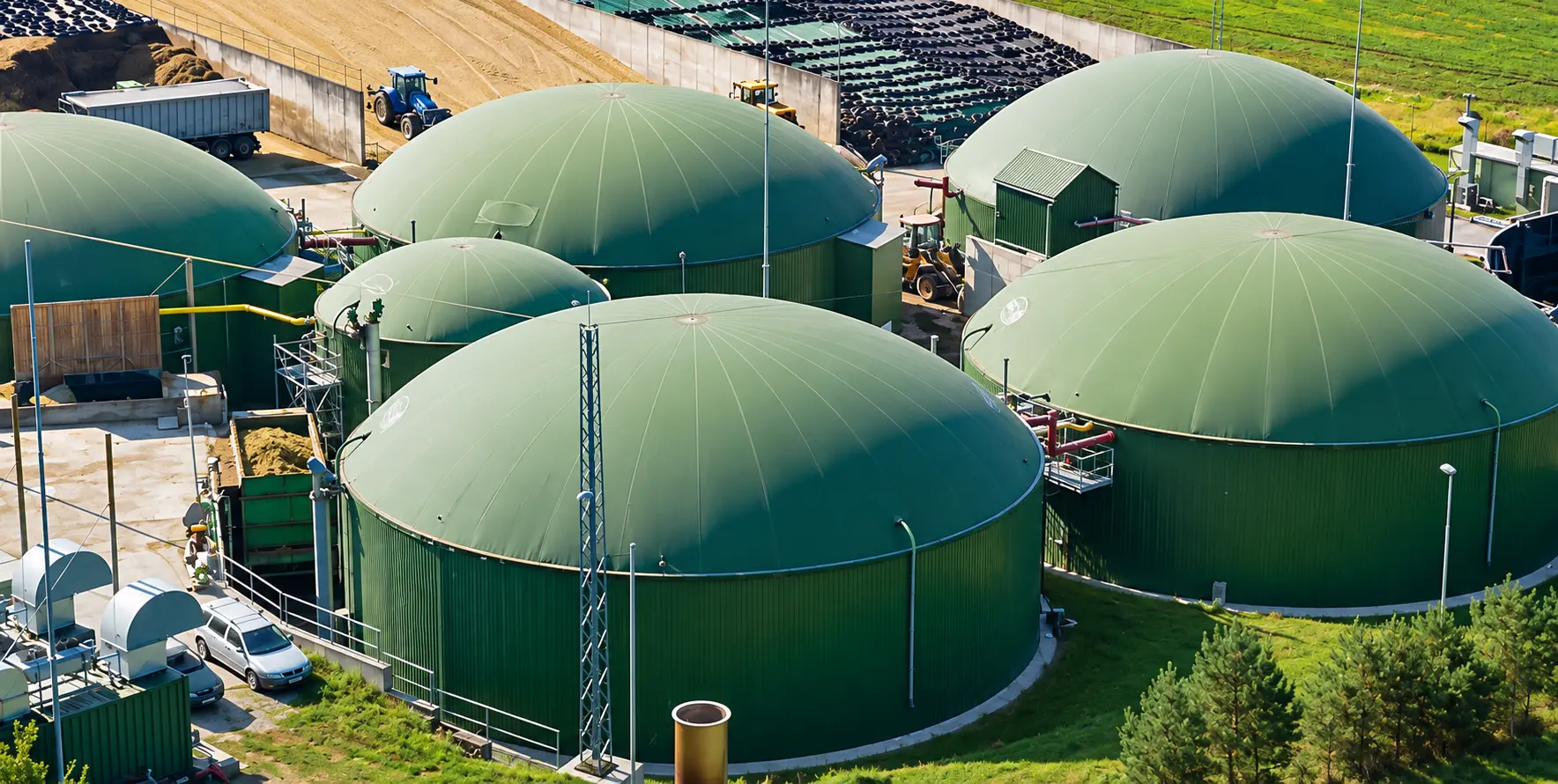
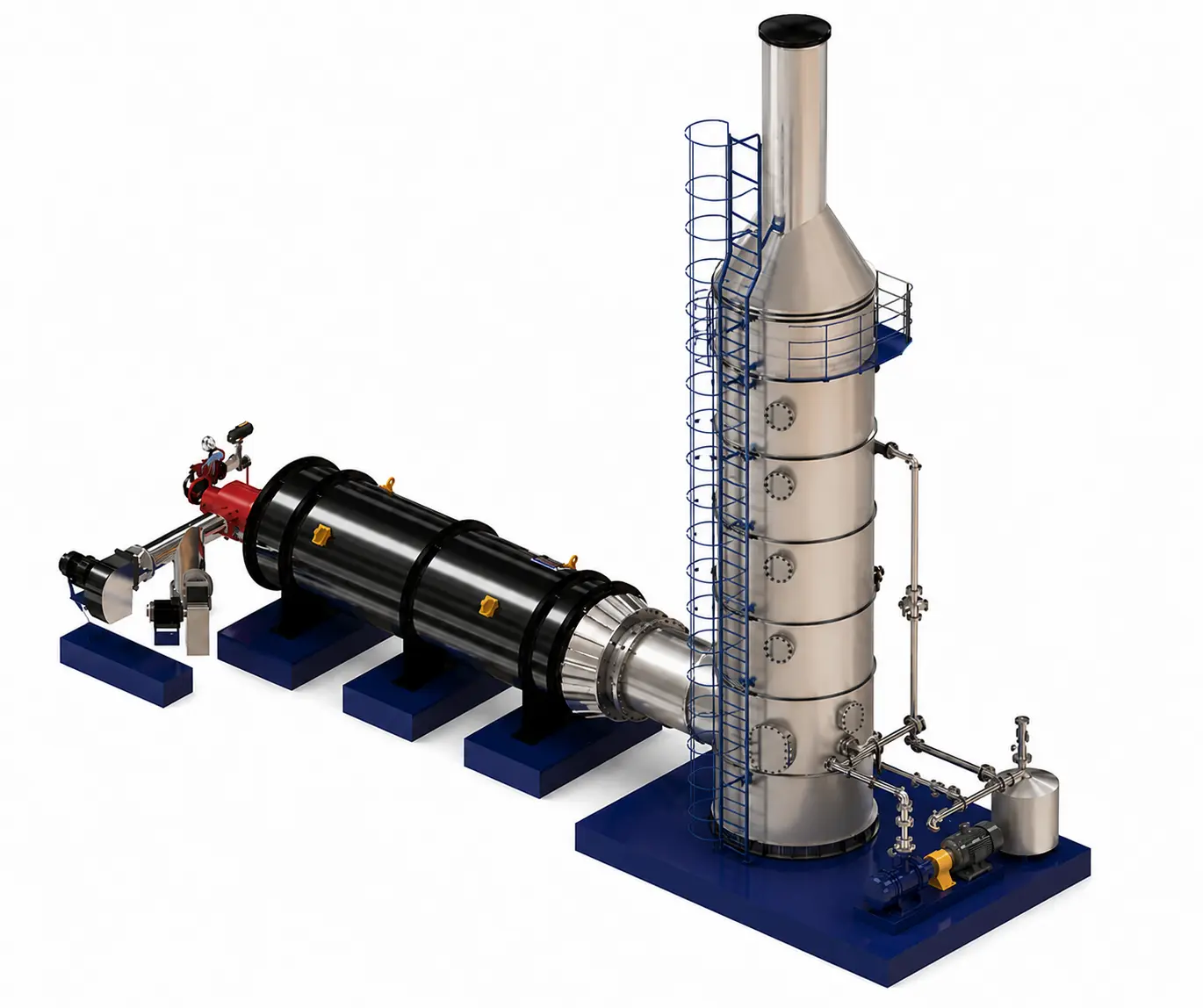
Continuous recirculation with automated gas distribution — no mechanical mixers inside the digesters.

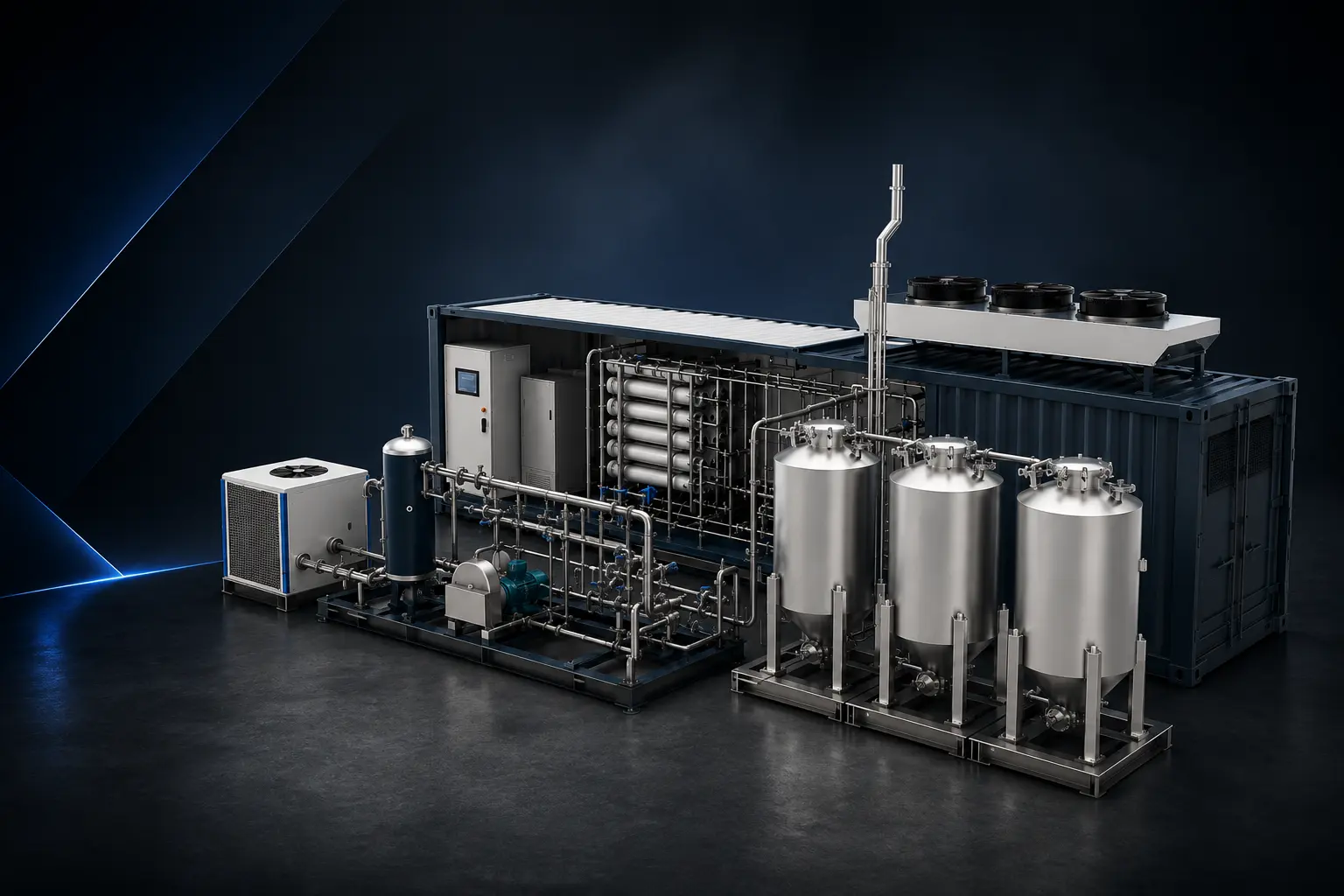
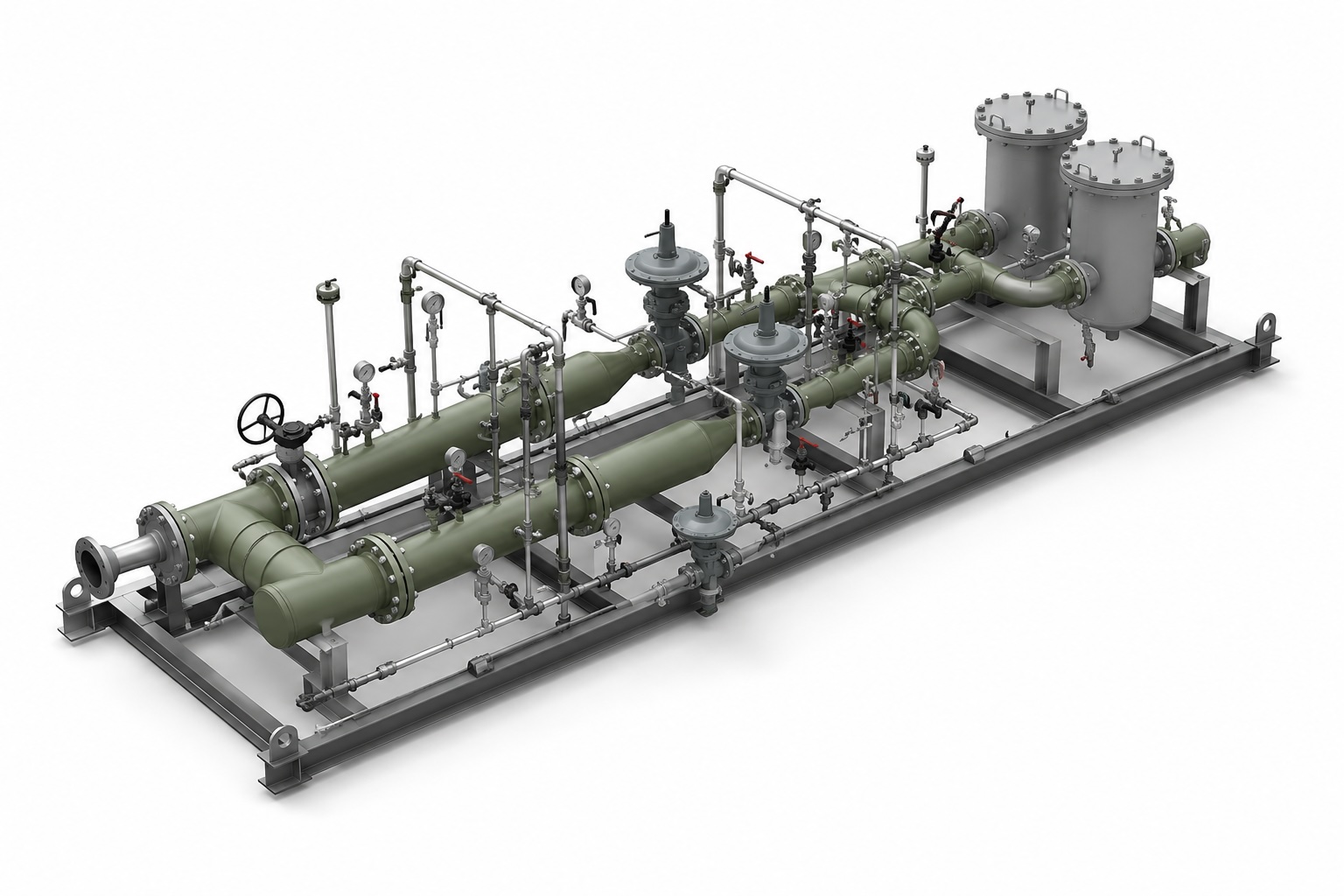
Complete gas conditioning train transforming raw digester gas into clean, usable fuel for a city utility.
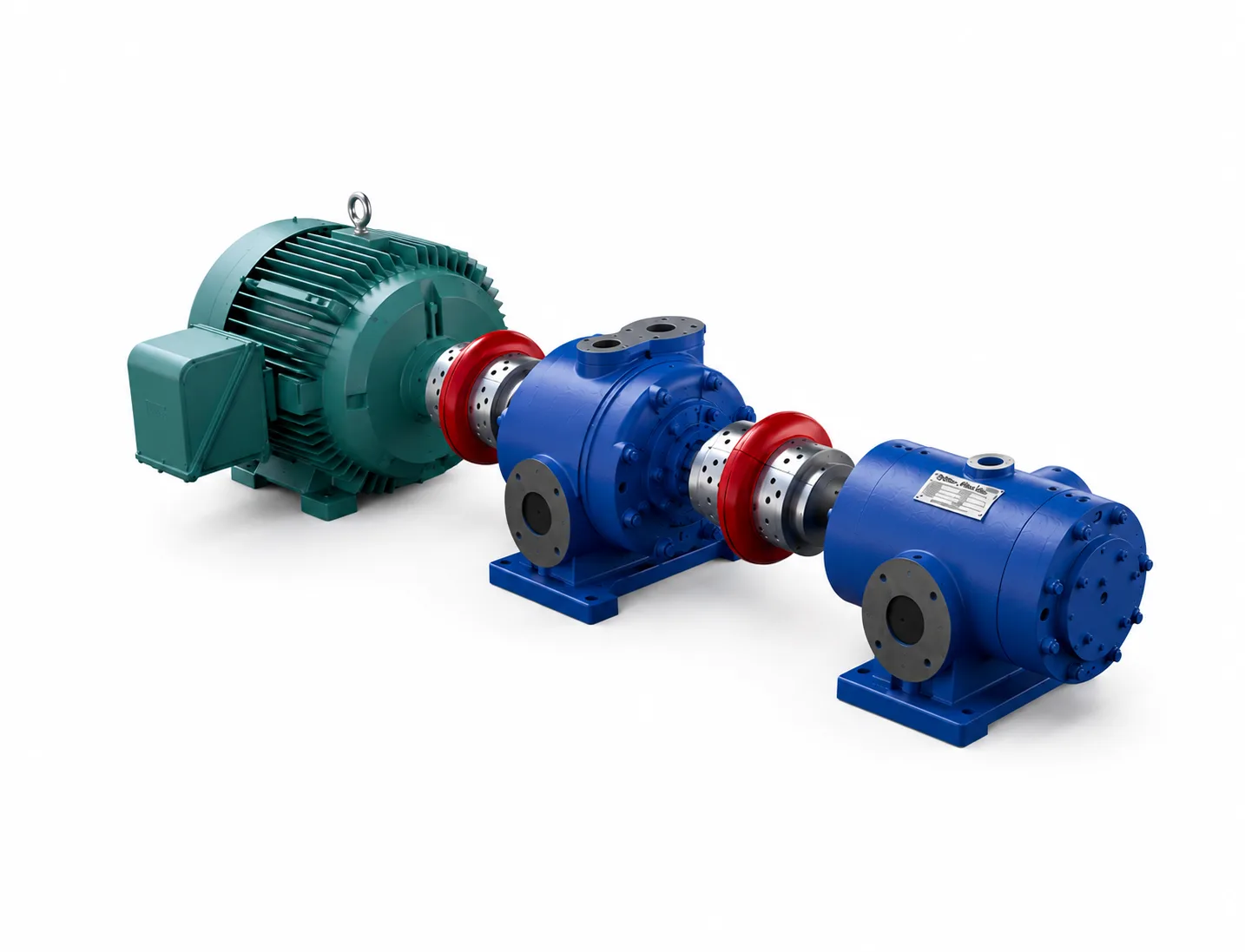
Ro-Flo rotary vane compressor units engineered for continuous digester gas recirculation at a municipal STP.
The CRA Edge
Decades of experience in gas handling, compression, and combustion systems.
Integrated process, mechanical, and controls engineering under one roof.
Designed to meet API, ASME, ISO, IEC, and project-specific standards.
Each compression skid is engineered to suit real process conditions, not constrained by catalogs.
Applications

.webp)



Frequently Asked Questions
What does a gas compression skid do?
A gas compression skid raises and stabilizes the pressure of a low or medium pressure gas stream so it can be reused as fuel gas, recovered from a vapor recovery system, or fed into a downstream process instead of being vented or flared. CRA's skids integrate the compressor, driver, piping, instrumentation, and controls into one modular, pre-engineered package rather than a field-assembled system.
What applications typically use a gas compression skid?
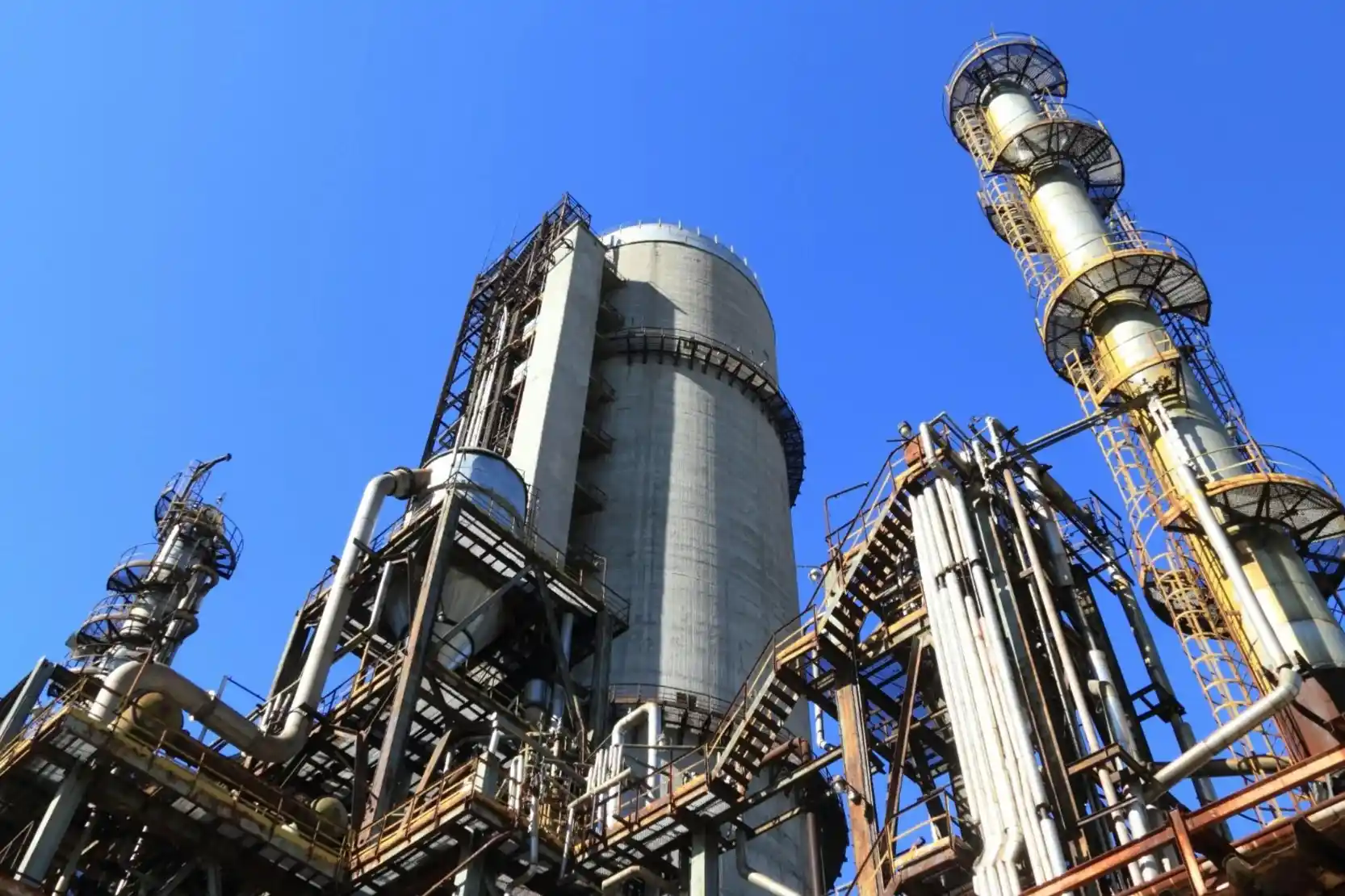
Common duty includes vapor recovery units, flare gas recovery systems, fuel gas boosting, low pressure process gas handling, gas recycling and reuse, and managing emergency or upset gas volumes. Because these streams often carry variable composition and fluctuating flow, the skid is engineered around low-pulsation, continuous-duty compression rather than a fixed-point rating.
How is a compression skid sized for a specific site?
CRA sizes the compressor, driver, and piping around the actual inlet pressure, gas composition, and flow variability at the site rather than a standard catalogue configuration. This includes accounting for gas composition swings common in biogas and process gas streams, which affect compressor selection and turndown requirements.
What standards govern gas compression skid design?
CRA compression skids are engineered to meet API, ASME, ISO, and IEC requirements as applicable, along with any project-specific specification covering the pressure boundary, piping, and controls scope. The exact code set depends on the destination market and the compressor technology used.
Does CRA support gas compression skids after installation?
Yes. CRA's scope covers operations and maintenance, long-term service agreements, retrofit, and field services in addition to new-build skids, so an existing compression package can be serviced, upgraded, or retrofitted rather than replaced outright.