
High-Energy Ignition (HEI) System
Capacitor-discharge high-energy ignition for flares and burners, including heavy and contaminated fuels
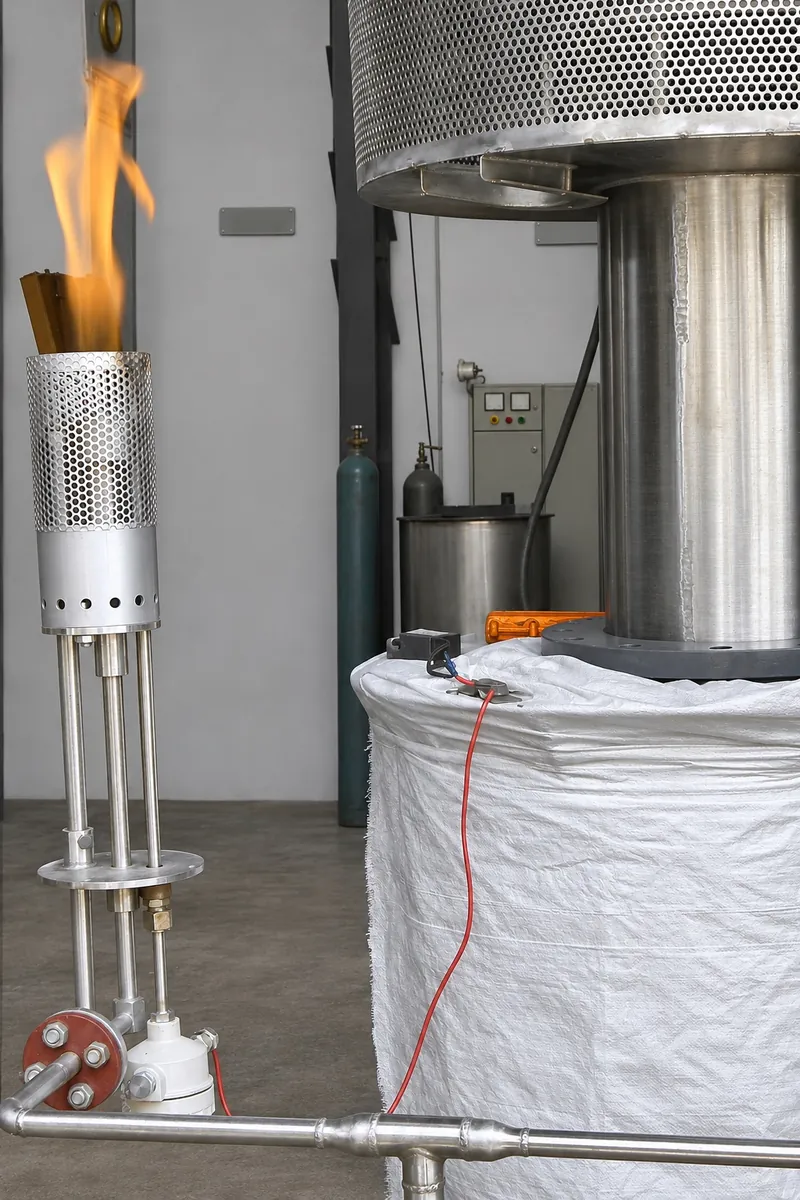

High-current spark ignition for heavy and contaminated fuels
Our High-Energy Ignition (HEI) systems use capacitor-discharge technology to deliver a high-current spark that fires through contaminants, moisture, and harsh conditions. For gaseous, liquid, or heavy, contaminated fuels, HEI is designed for fast, repeatable ignition.
Spark Energy
Up to 30 J
Technology
Capacitor discharge
Fuel Compatibility
Gas, liquid, heavy fuels
Operation
High-frequency sparking
What is a High-Energy Ignition System?
A high-energy ignition (HEI) system uses capacitor-discharge technology to deliver a powerful, high-current spark at the ignition electrode, providing reliable light-off for gaseous, liquid, and heavy contaminated fuels that would foul or extinguish lower-energy ignition sources.
How it works
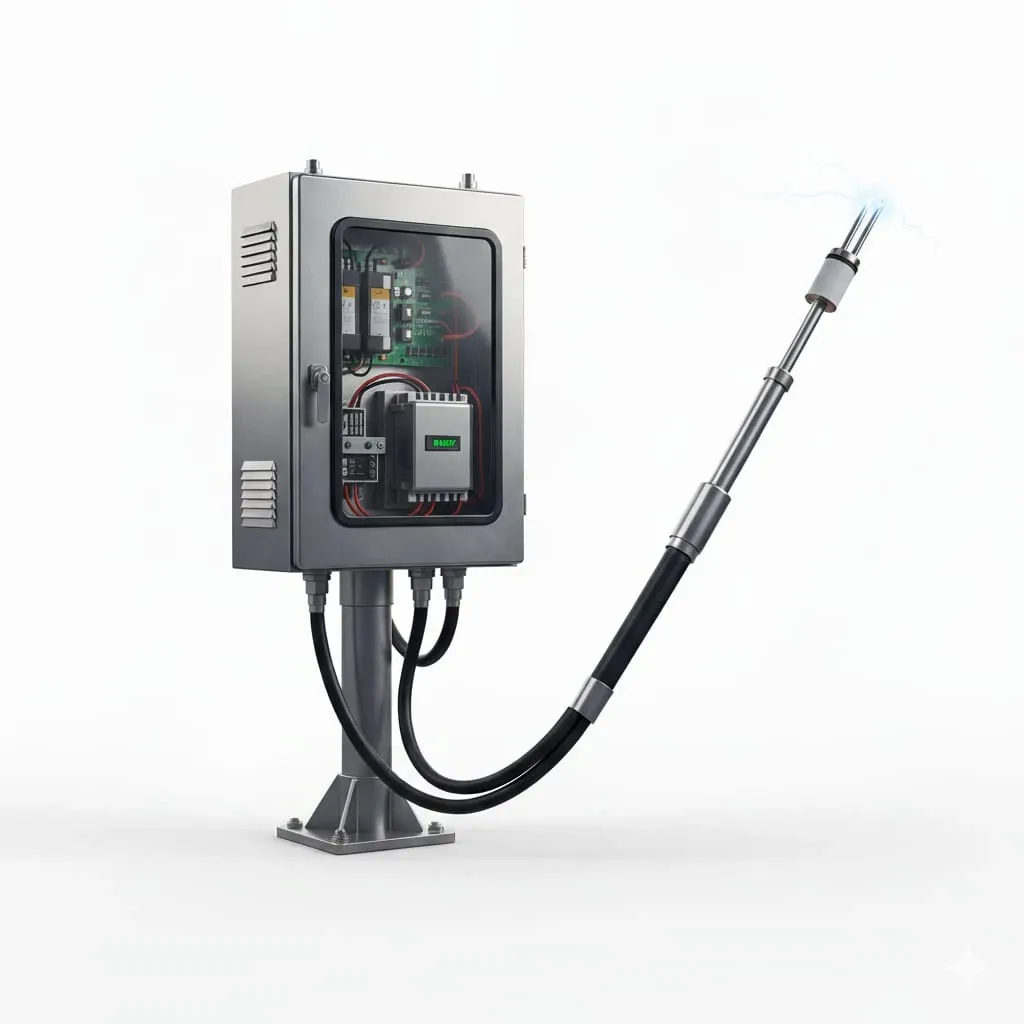
Electrical energy stored in a capacitor bank discharges through the ignition electrode in rapid, high-frequency pulses, each one carrying enough energy to ignite through surface contamination at the electrode.
Electrical energy is stored in a capacitor bank ahead of each discharge cycle.
The capacitor discharges through the ignition electrode in rapid pulses carrying up to 30 J of spark energy, burning through surface contamination, moisture films, and carbon deposits that would otherwise block ignition.
The spark recurs at high frequency, fast enough to catch the fuel-air mixture even as flow or composition fluctuates.
Key Benefits
Up to 30 J spark energy for reliable ignition of even heavy or contaminated fuels.
High-frequency sparking delivers near-instant light-off under demanding process conditions.
Handles gas, liquid, or atomized heavy fuels with equal performance and reliability.
Electronics resist fouling and wear, reducing cleaning and replacement needs.
Weather-sealed, rugged construction withstands heat, vibration, and corrosive atmospheres.
Projects That Push Boundaries
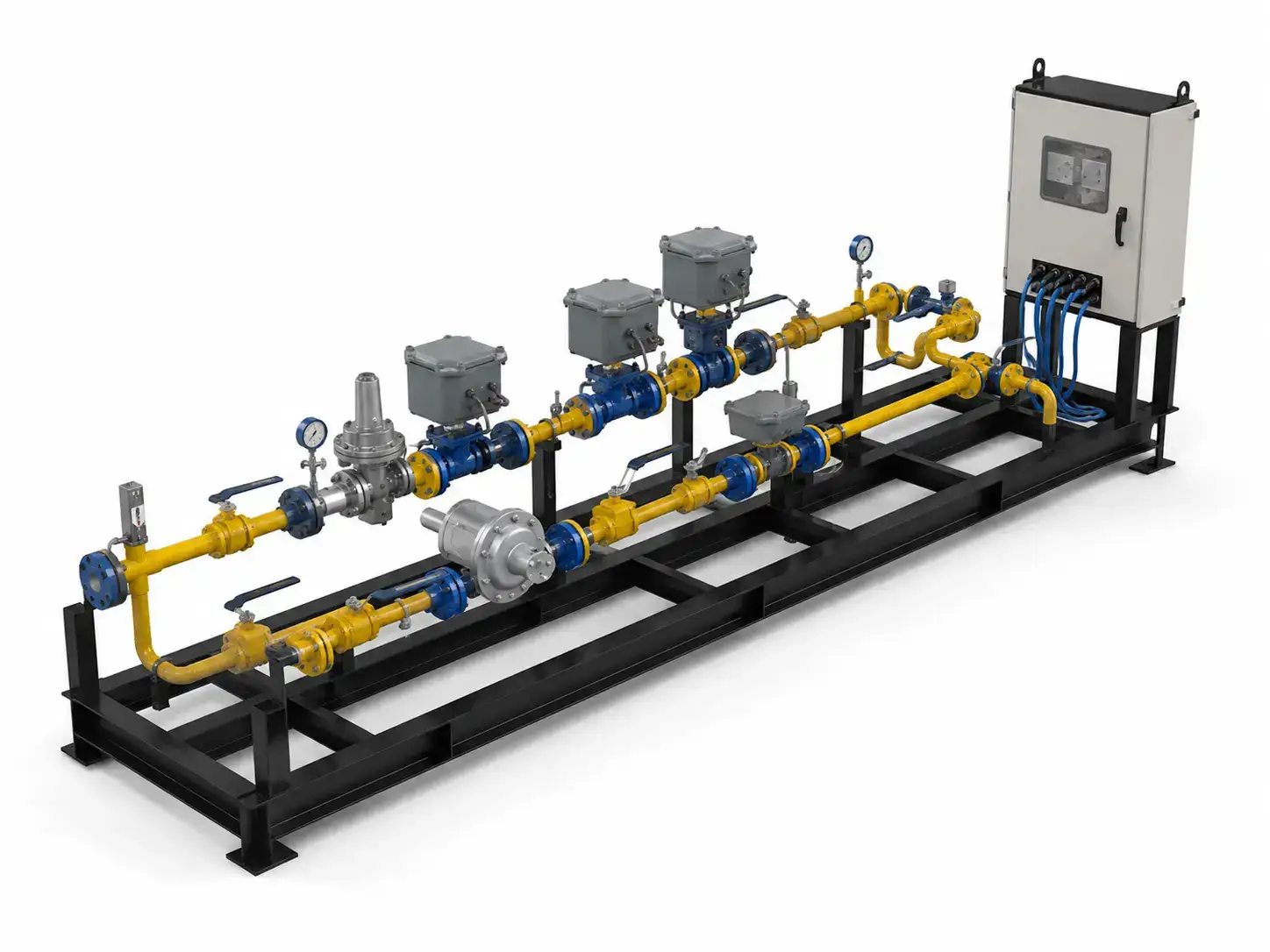
Fully integrated with plant DCS and safety interlocks for reliable pilot lighting in adverse weather.
The CRA Edge
CRA has over 30 years of experience designing flare ignition systems.
Precision engineering and robust design give consistent ignition in harsh environments.
CRA equipment is installed in 25+ countries.
Each HEI unit is tailored to the site's fuel composition, flare setup and operational needs.
Applications

Frequently Asked Questions
What is a high-energy ignition (HEI) system?
A high-energy ignition system uses capacitor-discharge technology to deliver a powerful, high-current spark, up to 30 J of spark energy in CRA's design. That spark ignites gas, liquid or heavy contaminated fuels that a conventional low-energy igniter struggles with, and it cuts through moisture and fouling on the igniter tip in harsh conditions. CRA supplies HEI systems for flare pilots, process burners, incinerators and reformers.
When is HEI preferred over a high voltage or piezoelectric ignition system?
HEI is specified where the fuel is heavy, contaminated or difficult to ignite, or where repeatable high-frequency sparking is needed whatever the process condition, because the capacitor-discharge design resists fouling better than a standard spark gap. High voltage ignition (HVI) is the usual choice where the pilot electrode sits at a long distance or elevation. Piezoelectric ignition is chosen for power-independent, manual or backup duty where continuous automated ignition is unnecessary. CRA offers all three and selects on fuel, geometry and duty.
Which fuels and conditions can an HEI system handle?
CRA's HEI systems are rated for gaseous, liquid and atomised heavy fuels, including low-calorific and difficult-to-ignite gases. The high-current spark lights heavy oil and viscous fuels as well as clean fuel gas. The units are weather-sealed and built to withstand heat, vibration and corrosive atmospheres for continuous industrial service, so they suit refinery, chemical plant and waste-to-energy sites.
What maintenance does an HEI system need?
HEI electronics are designed to resist fouling and wear, which reduces the frequency of cleaning and component replacement compared with lower-energy ignition methods. CRA tailors each HEI system to the site's fuel composition and flare setup, which avoids the mismatched ignition performance that would otherwise drive unplanned maintenance. Routine attention is limited to inspection of the igniter and its connections during normal plant maintenance.
Which industries and applications use HEI systems?
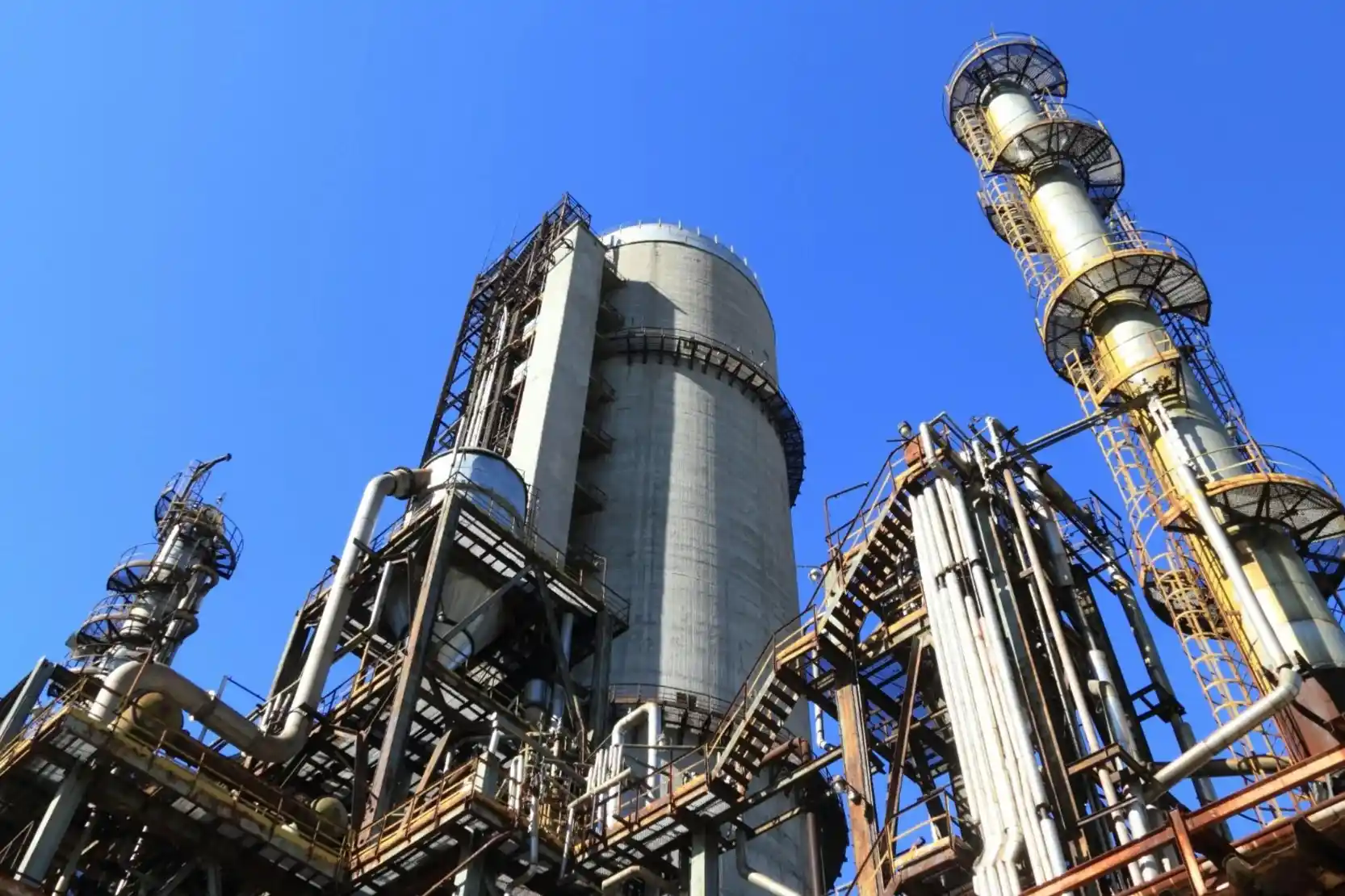
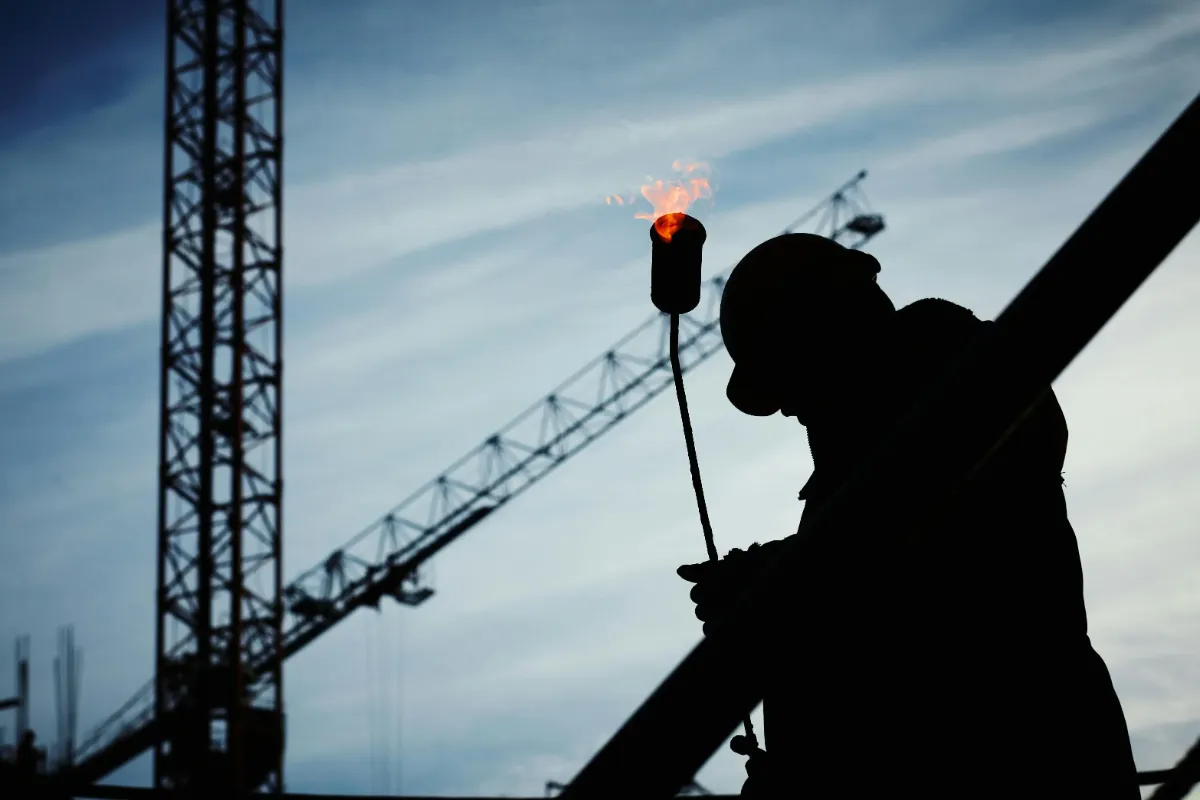
Common applications are heavy oil and viscous fuel ignition, flare pilots for rapid response and zero-flaring operation, process burners, incinerators and reformers, and emergency, upset or backup ignition. HEI is also used for remote and unattended start-up and for high-reliability start-up of critical systems. CRA has supplied HEI systems to refineries, chemical plants and waste-to-energy facilities in more than 25 countries.