
Flare Systems
CRA designs and builds flare systems for the safe disposal of relief, waste and off-spec gas. The range covers enclosed ground flares, open elevated flares with air or steam assist, utility flares, biogas and landfill gas flares, and trailer-mounted mobile flares, each engineered for the site's own gas, flow range and limits.
Applications by product range
The application pages are grouped by the product range they draw on.
Flares
View the flare rangeBiogas and CBG
View the biogas and CBG rangeH₂S scrubbers
View the scrubber rangeThermal oxidisers
View the oxidiser rangeGas compression and processing
View the compression rangeWhich flare fits your duty?
The right flare depends on the gas, the flow pattern and what the site can accept in flame visibility, noise and radiant heat. This table is a starting point, and the final choice is made against your gas data and site limits.
Flare
- Best suited to
- Flame
- Typical sites
Enclosed ground flare
- Best suited to: Continuous or frequent flaring close to people or plant
- Flame: Hidden inside the enclosure
- Typical sites: Gas gathering stations, upstream production, process plants
Open elevated flare
- Best suited to: Large emergency relief flows that need height to disperse the heat
- Flame: Visible, at height
- Typical sites: Refineries, petrochemical plants, production sites
Air-assisted flare
- Best suited to: Smokeless burning of heavier gas where no steam is available
- Flame: Visible and smokeless
- Typical sites: Upstream production sites and gas plants
Steam-assisted flare
- Best suited to: The highest smokeless capacity where plant steam is available
- Flame: Visible and smokeless
- Typical sites: Refineries and petrochemical plants
Utility flare
- Best suited to: Gas that burns cleanly without assist
- Flame: Visible
- Typical sites: Process plants and utility systems
Biogas enclosed and semi-enclosed flares
- Best suited to: Surplus and off-spec biogas whose flow and methane content change
- Flame: Hidden or partly hidden
- Typical sites: Biogas and CBG plants, sewage treatment plants
Landfill gas flare
- Best suited to: Landfill gas from active cells and closed sites
- Flame: Hidden inside the enclosure
- Typical sites: Landfills and dumpsite remediation
Portable mobile flare
- Best suited to: Temporary duty during maintenance, well testing or commissioning
- Flame: Visible
- Typical sites: Pipelines, well sites, plant turnarounds
CRA flare range
CRA designs every flare in-house and builds it in its own factories near Delhi.
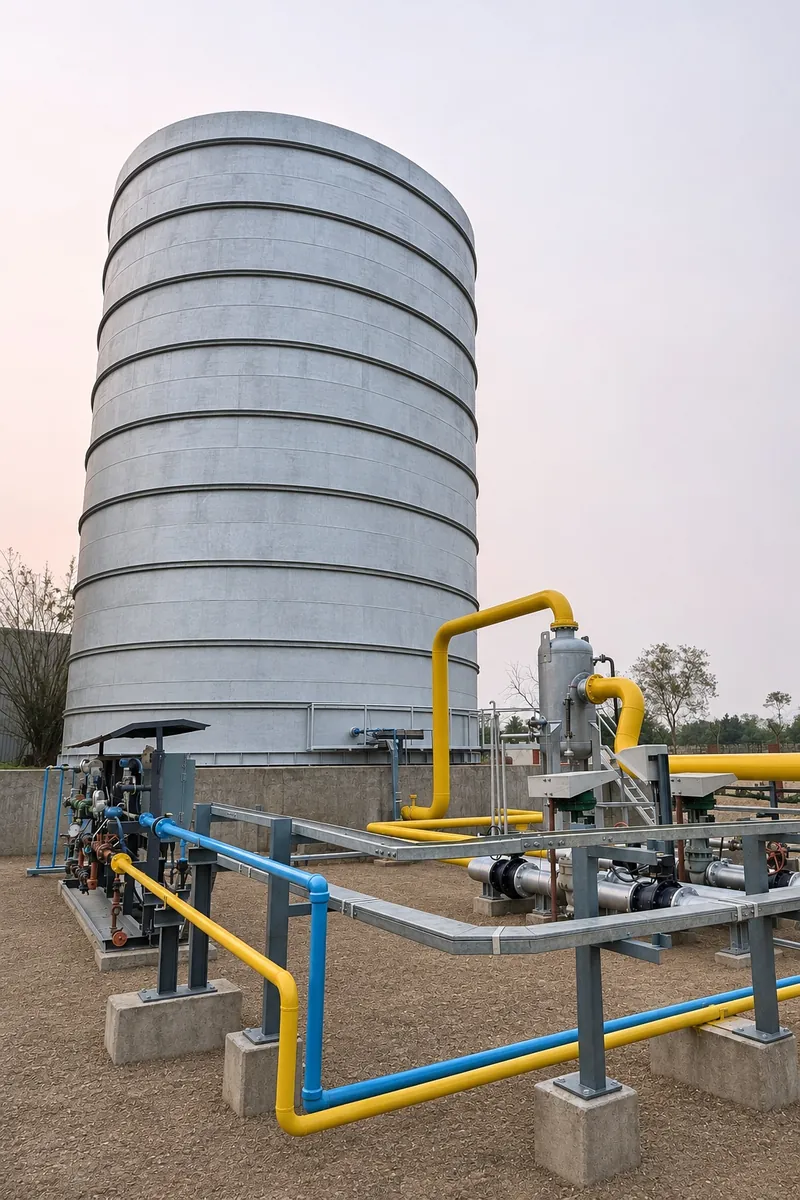
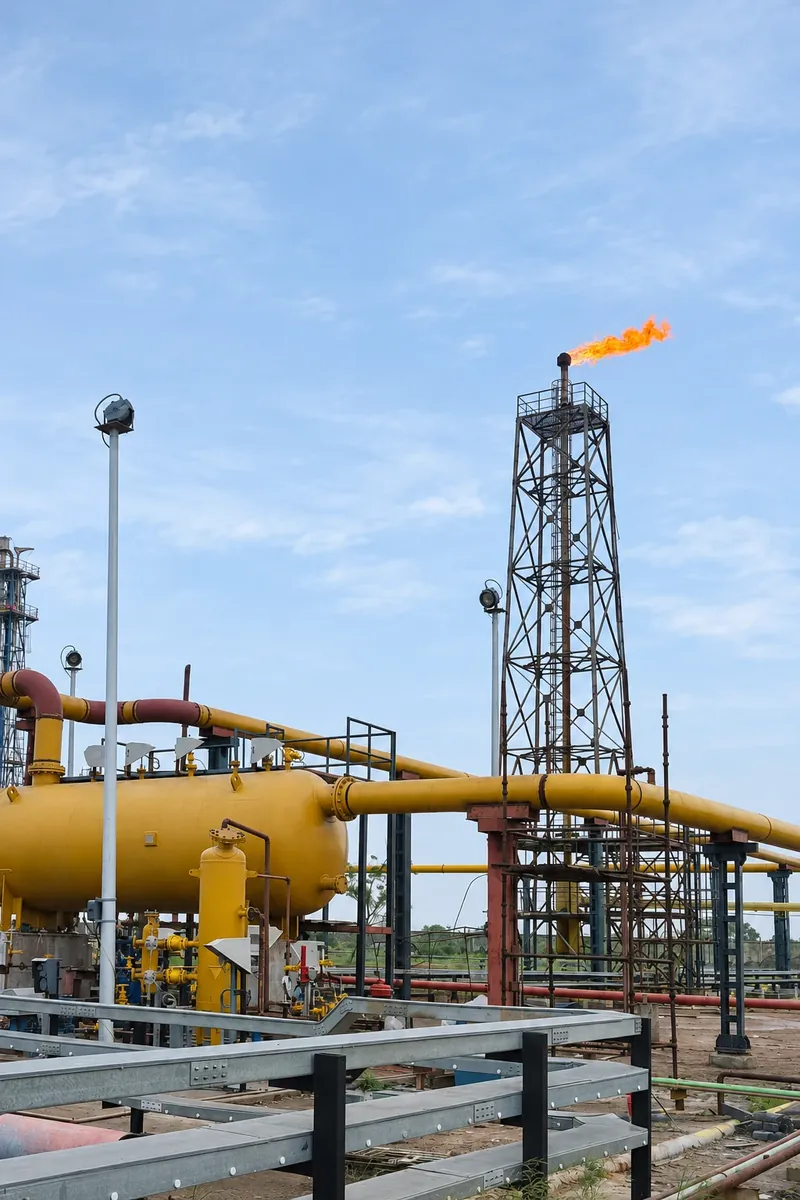
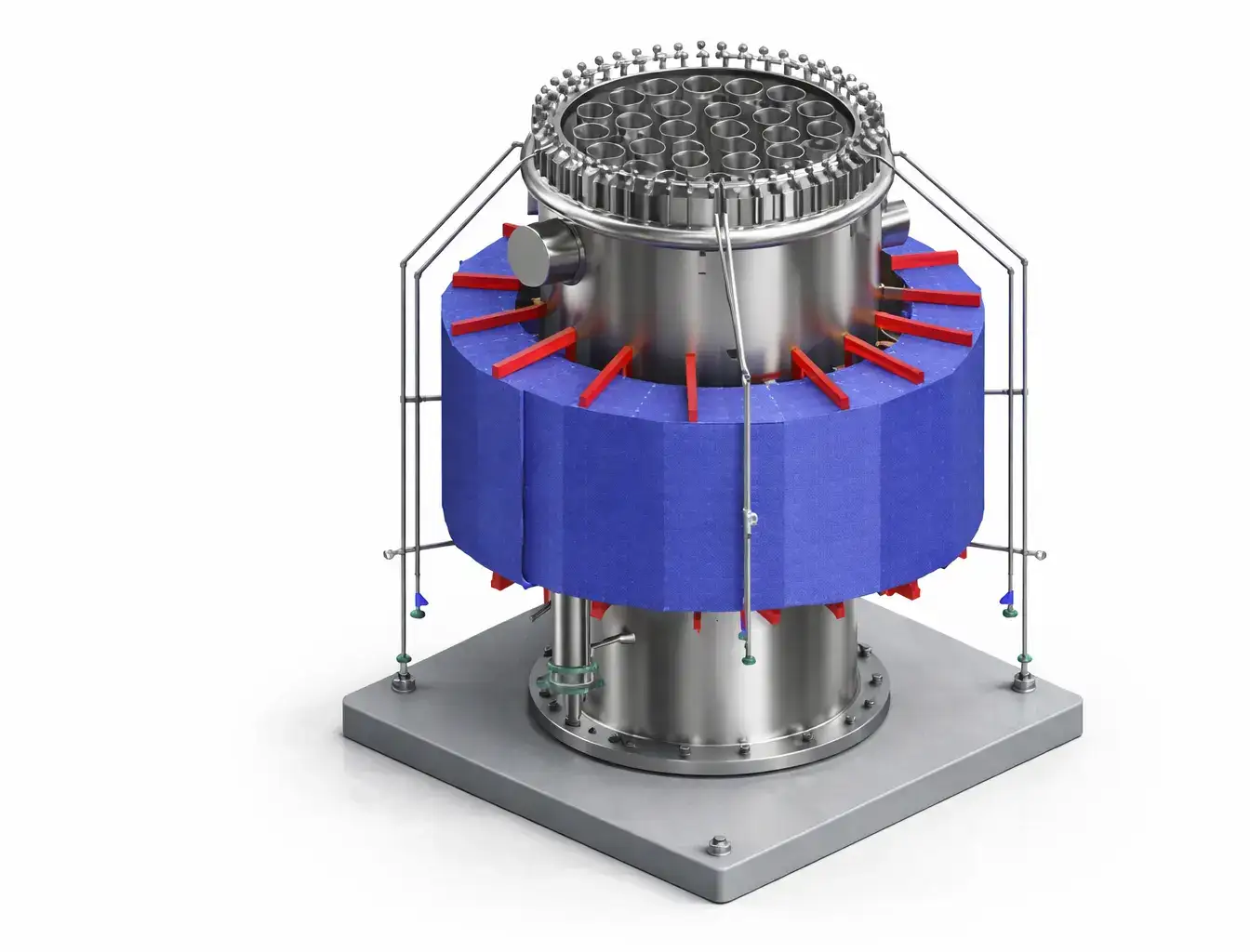
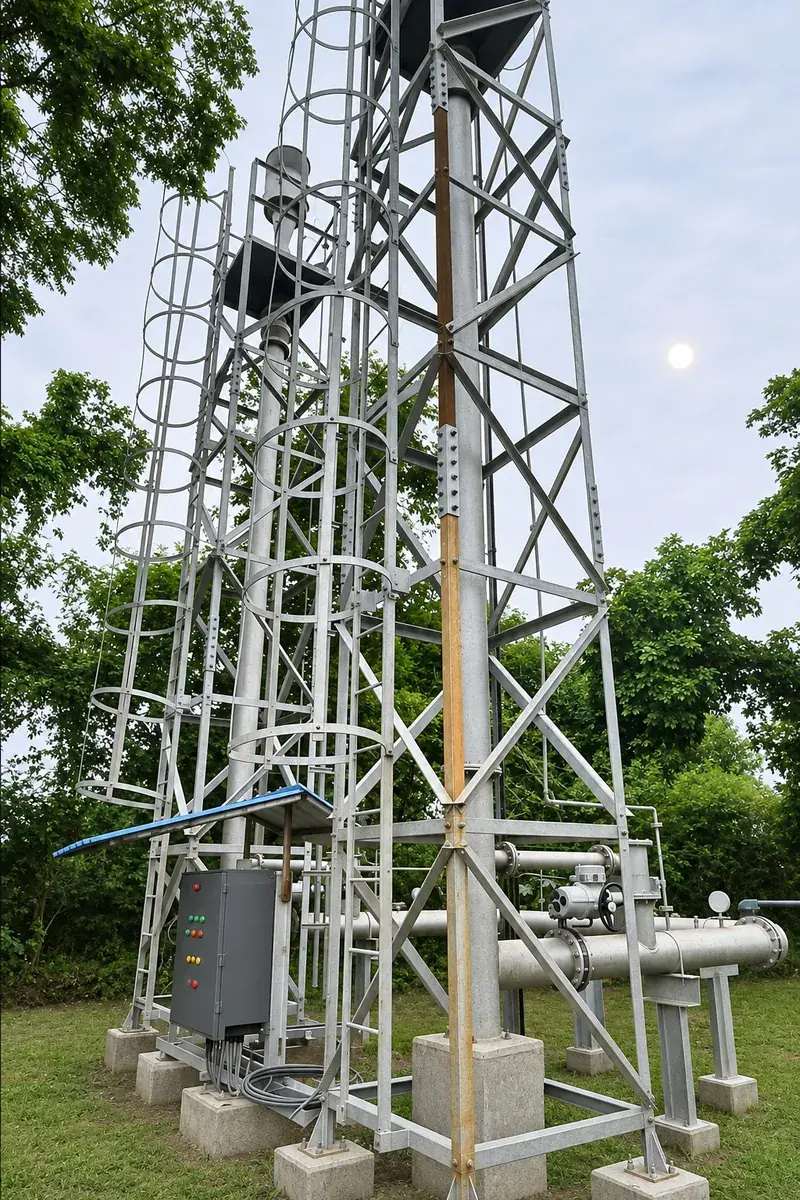
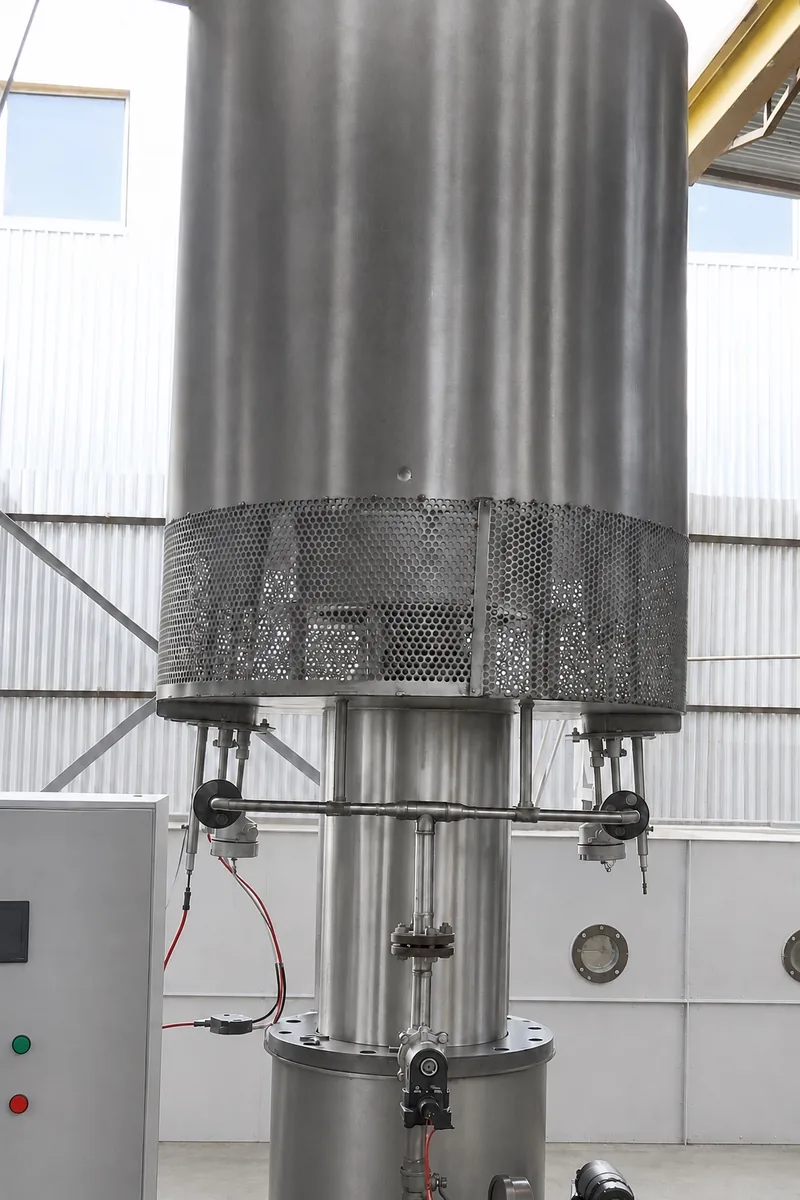
Oil, gas and process flares
Flares for relief, purge and waste gas at upstream, midstream and downstream sites.
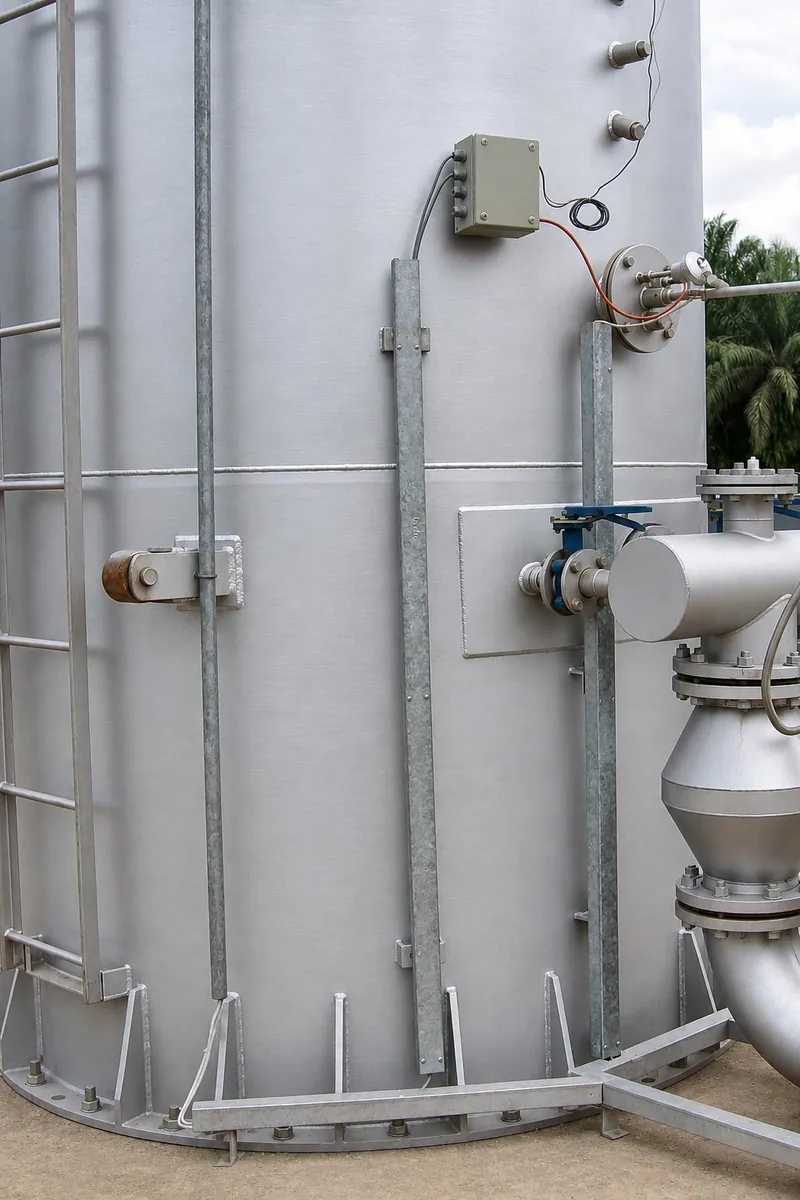
Biogas and landfill flares
Flares for surplus biogas and landfill gas, whose flow and methane content change.
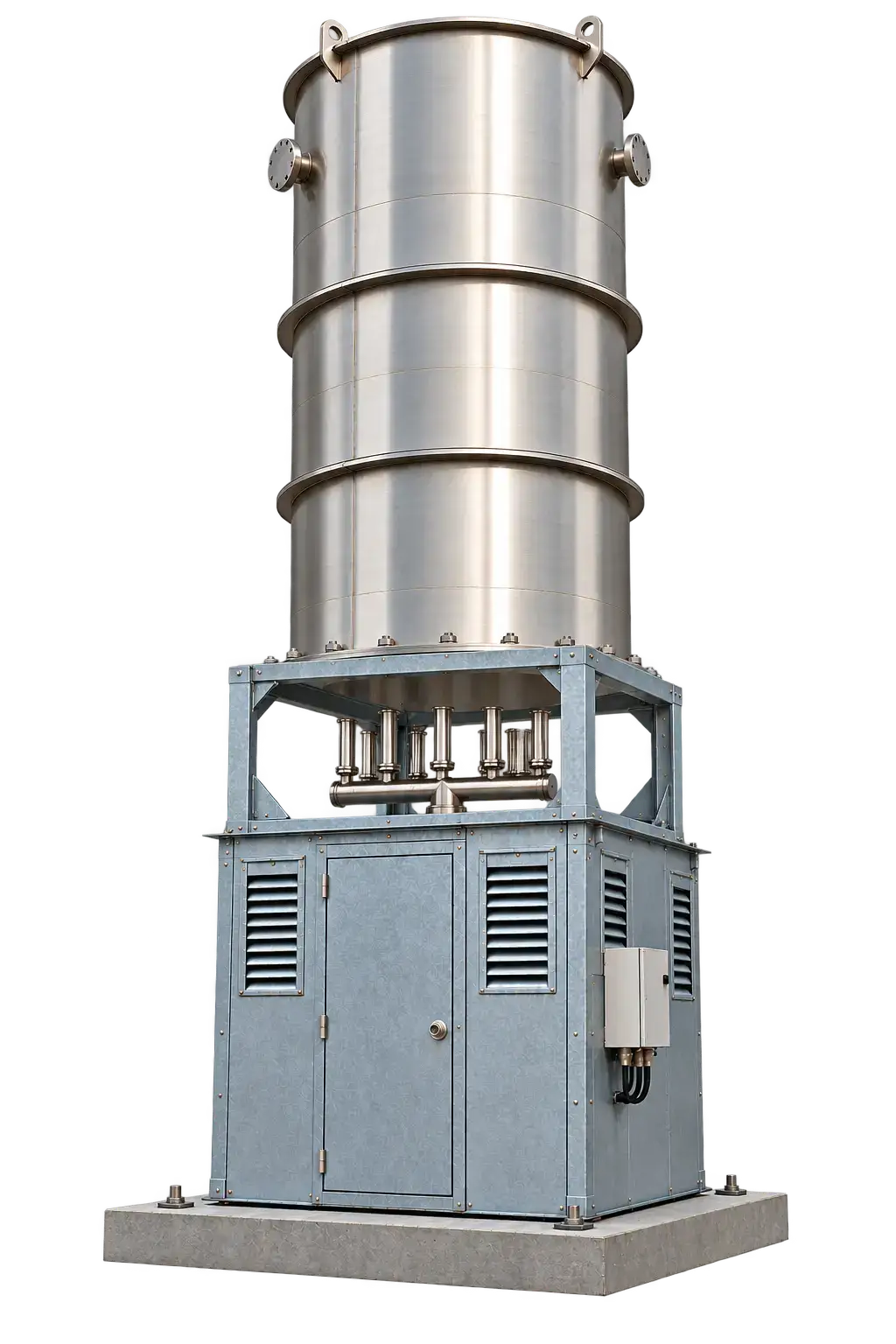
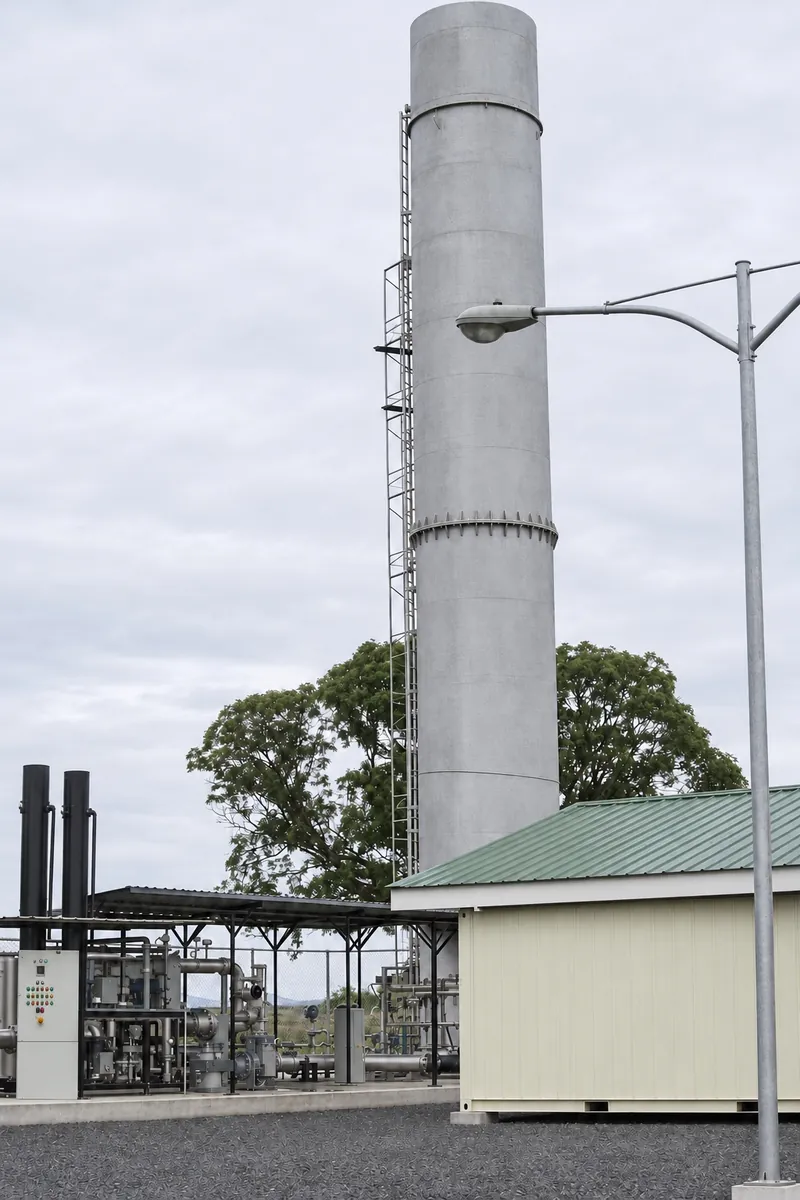
Mobile flares
Trailer-mounted flares for temporary duty, built for outright purchase and sized for each job.
Flare ancillaries
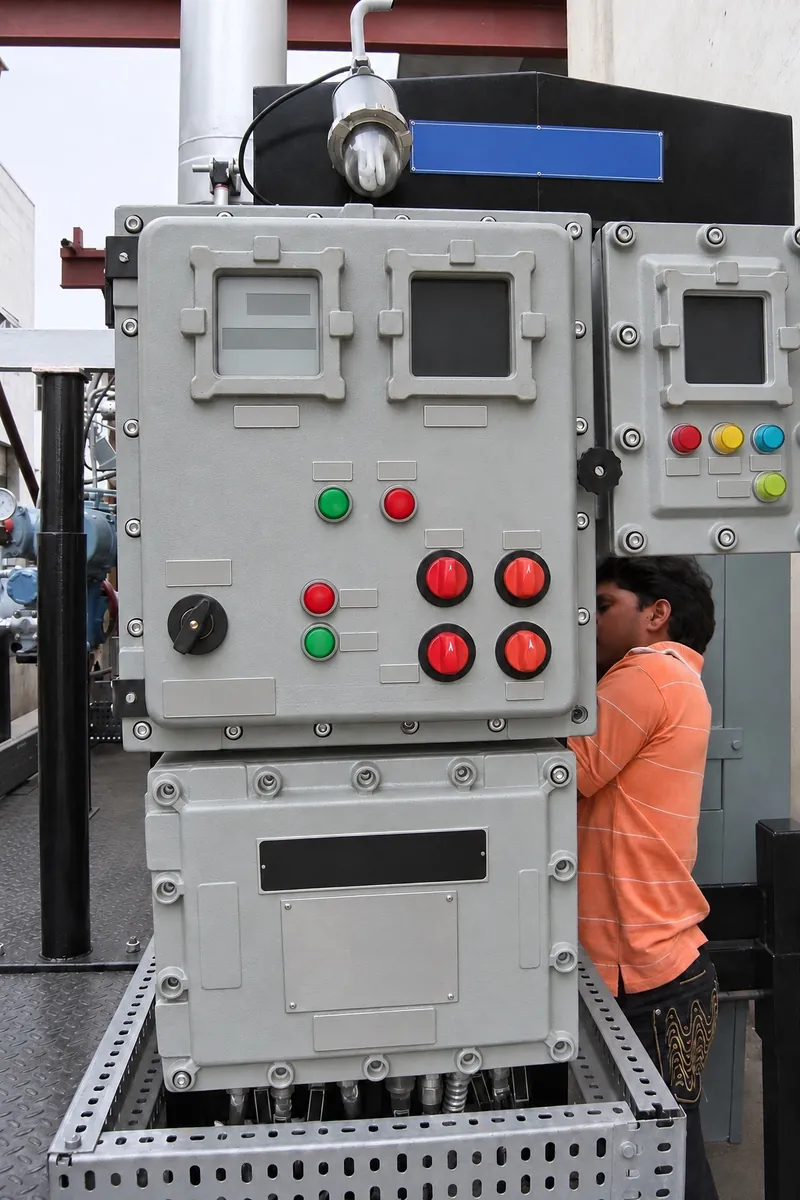
Ignition systems, flame front generators, knock-out drums, water seals, purge reduction seals, flame arrestors and burner management systems for CRA flares are built in the same factories.
Flares by application
Each application page covers the duty, the equipment CRA supplies for it and the questions buyers ask.
Why CRA for flares
Designed in-house
Process, mechanical and electrical design are done by CRA's own engineers for each site's gas and limits.
Built in our own factories
Fabrication and machining take place in CRA's two factories near Delhi.
Proven at scale
CRA built the largest enclosed ground flare in India, and its flares serve upstream, refinery, biogas and landfill sites.
Working worldwide
CRA combustion systems are in service in more than 25 countries, from Ecuador to Singapore.
Flare projects

What is the difference between an enclosed ground flare and an open elevated flare?
An enclosed ground flare burns the gas at grade inside an enclosure, so the flame is hidden and noise and radiant heat stay low. It suits continuous or frequent flaring close to people or plant.
An open elevated flare burns the gas at the top of a stack, where height disperses the heat and combustion products, and it suits very large emergency relief flows. Many sites use both, with the enclosed flare taking routine flows and the elevated flare taking major relief.
How is a flare sized?
A flare is sized from the gas it has to burn: the flow range from minimum to maximum, the composition and heating value, the pressure available at the flare and the conditions at the site. CRA's engineers work out the burner, the stack or enclosure and the controls from these, and check radiation, noise and smoke against the limits that apply.
The more of this data you can share with the enquiry, the more useful the first conversation with a flare engineer will be.
When does a flare need air or steam assist?
Assist is needed when the gas would otherwise burn with smoke, which happens with heavier hydrocarbons that do not mix with enough air at the tip. Steam assist gives the highest smokeless capacity and suits refineries and petrochemical plants that have steam available.
Air assist uses a blower to add combustion air and suits sites with no steam, such as upstream production. Gases that burn cleanly, such as most biogas, need no assist.
What information does CRA need to quote a flare?
CRA needs the gas composition, the normal and maximum flow, the pressure and temperature at the flare inlet, the site location and any limits on noise, radiation, smoke or flame visibility. The flare enquiry questionnaire lists these items, and a call with a flare engineer is usually the quickest way to fill any gaps.
Does CRA supply flares outside India?
CRA supplies flares worldwide. Its flares are in service in Ecuador, Egypt, Ethiopia, Indonesia and Singapore, among other countries, and CRA combustion systems run in more than 25 countries.
Brochures and questionnaires
Tell us about your flare duty
Send us the gas, the flow range and the site limits, and we will arrange a call with a flare engineer to go through it.