
Steam Assisted Flare
High-Capacity, Smokeless Combustion with Steam-Assist
.webp)
.svg)
Smokeless combustion of heavy hydrocarbons at scale
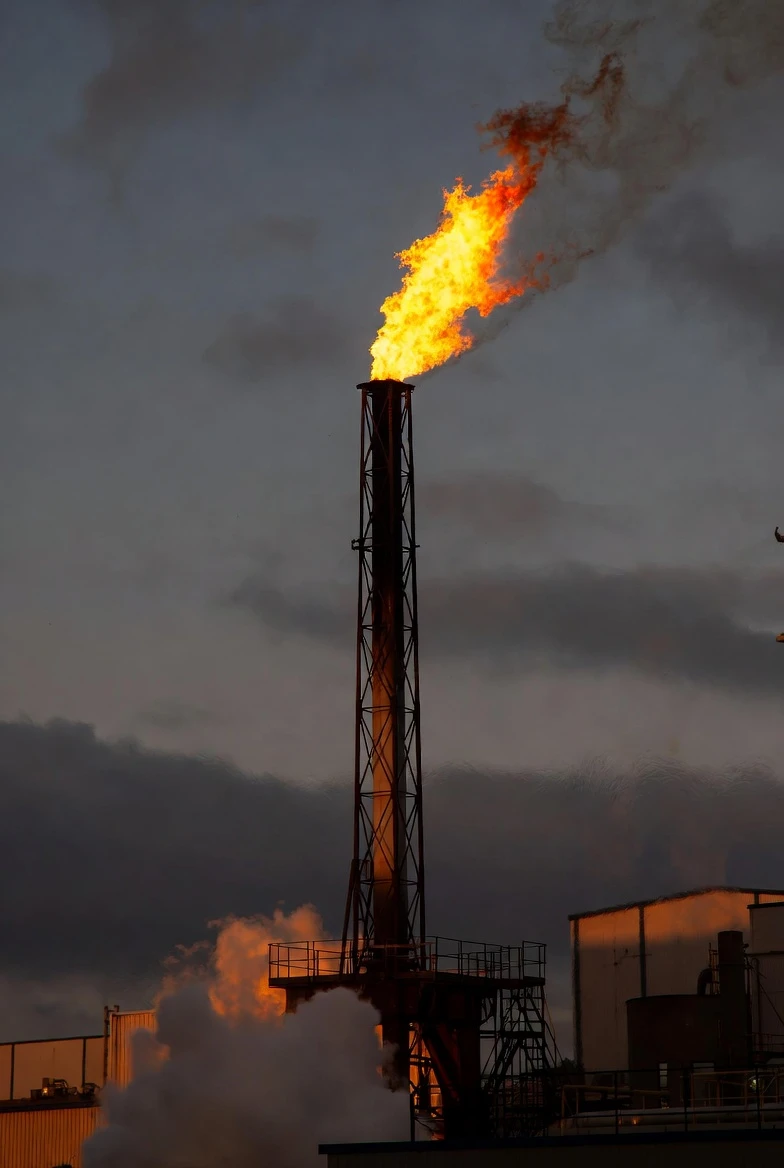
CRA’s Steam Assisted Flares ensure safe, smokeless combustion of heavy waste streams. By injecting high-velocity steam, they create turbulence for thorough mixing, achieving over 98% destruction efficiency. Steam also lowers combustion temperatures, reducing thermal cracking and incipient smoke. This technology protects the flame in high-wind conditions to minimize downwind impingement and ground-level radiation. With proprietary tips, these flares offer stable flames, quieter operation, and reliable performance for demanding industrial applications.
Destruction Efficiency
>98%
Turndown Ratio
Up to 50:1
Steam
Staged injection
Standard
API 537
What is a Steam Assisted Flare?
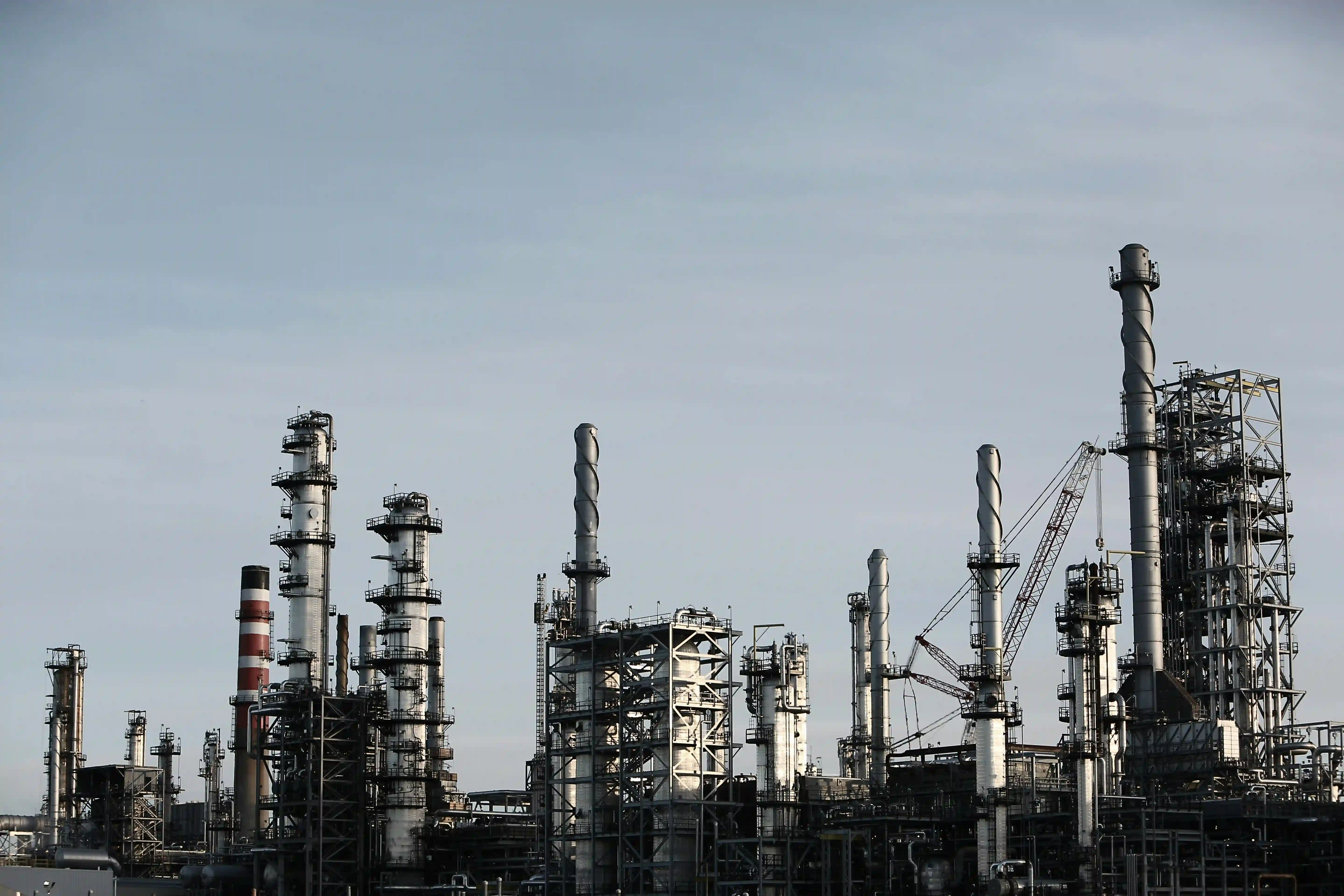
A steam assisted flare uses high-velocity steam injection at the flare tip to improve air-gas mixing and achieve smokeless combustion of heavy, high-molecular-weight hydrocarbons that would otherwise produce visible black smoke when burned in an open flame.
How it works
Steam injected at the flare tip creates the turbulence needed to mix combustion air into the gas stream before heavy hydrocarbon molecules can crack into soot.
Steam is injected at controlled pressure through proprietary tip nozzles, creating turbulence that entrains combustion air into the gas stream.
The turbulence breaks up large hydrocarbon molecules before they can crack into soot, preventing the visible black smoke an unassisted flame would produce.
Steam injection stages to match the steam-to-gas ratio to actual gas load, reducing steam consumption during low-flow periods while holding smokeless performance during peak events.
Tip geometry maintains stable flame attachment in high-wind conditions, protecting the combustion zone from blow-off and reducing downwind impingement.
Key Benefits
Steam injection enables clean combustion of heavy hydrocarbons, even at high flow rates
Steam jets improve air-gas mixing for stable flames across varying load conditions
98% destruction of VOCs and hydrocarbons ensures environmental compliance
Staged steam capabilities allow a reduction in steam consumption, increasing the operational efficiency
Compliant with API 537, EPA 40 CFR 60.18, and international flare regulations
Projects That Push Boundaries
.webp)
Handles purge-only to full emergency relief at 358 t/hr with minimised purge gas consumption.
The CRA Edge
Over 30 years in gas handling and flare engineering
End-to-end design, R&D, and manufacturing under one roof for speed and quality
ISO 9001, ASME Standards, API, and CE
Customized designs meet your exact process needs and strictest regulations.
Applications
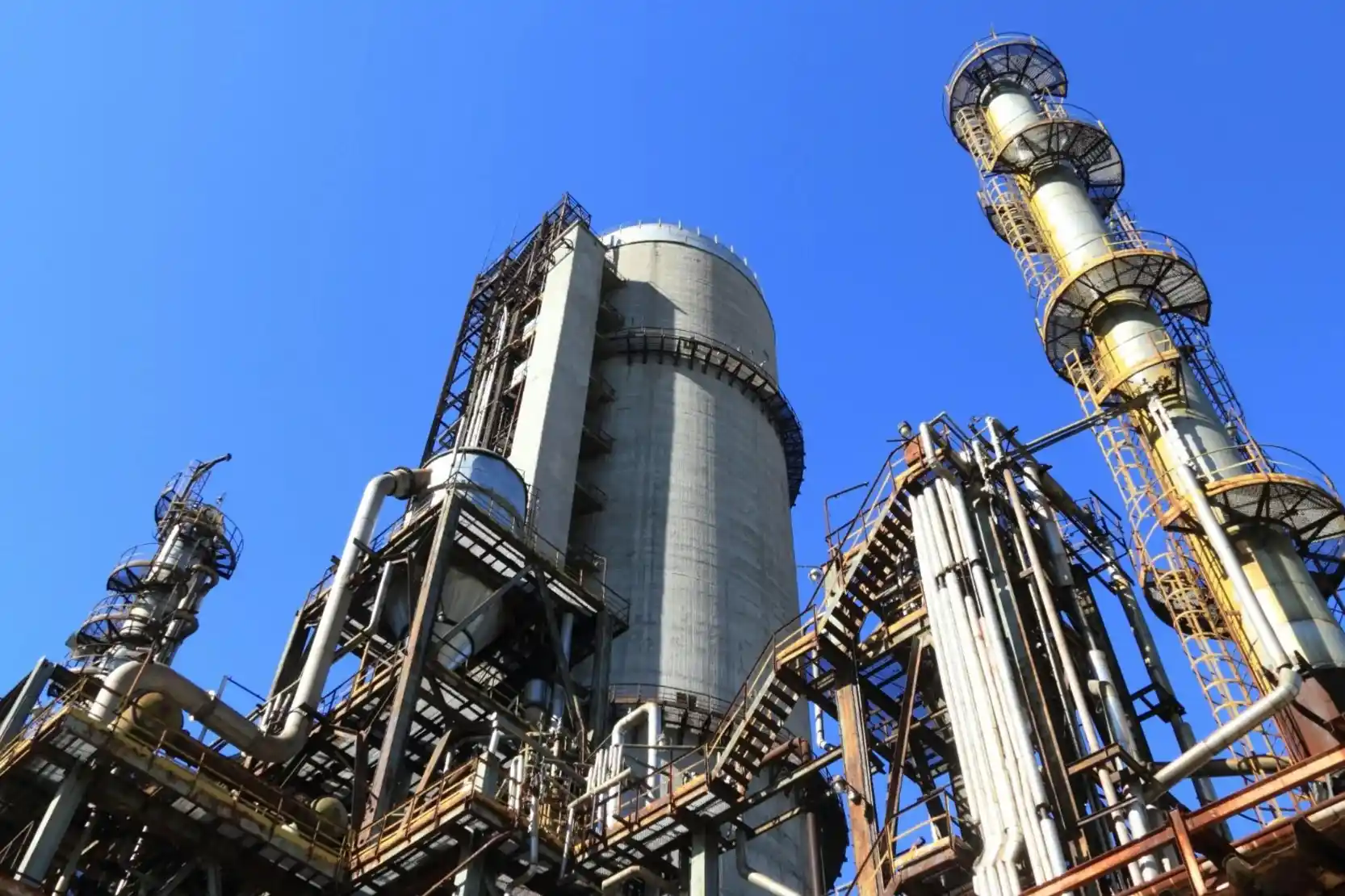
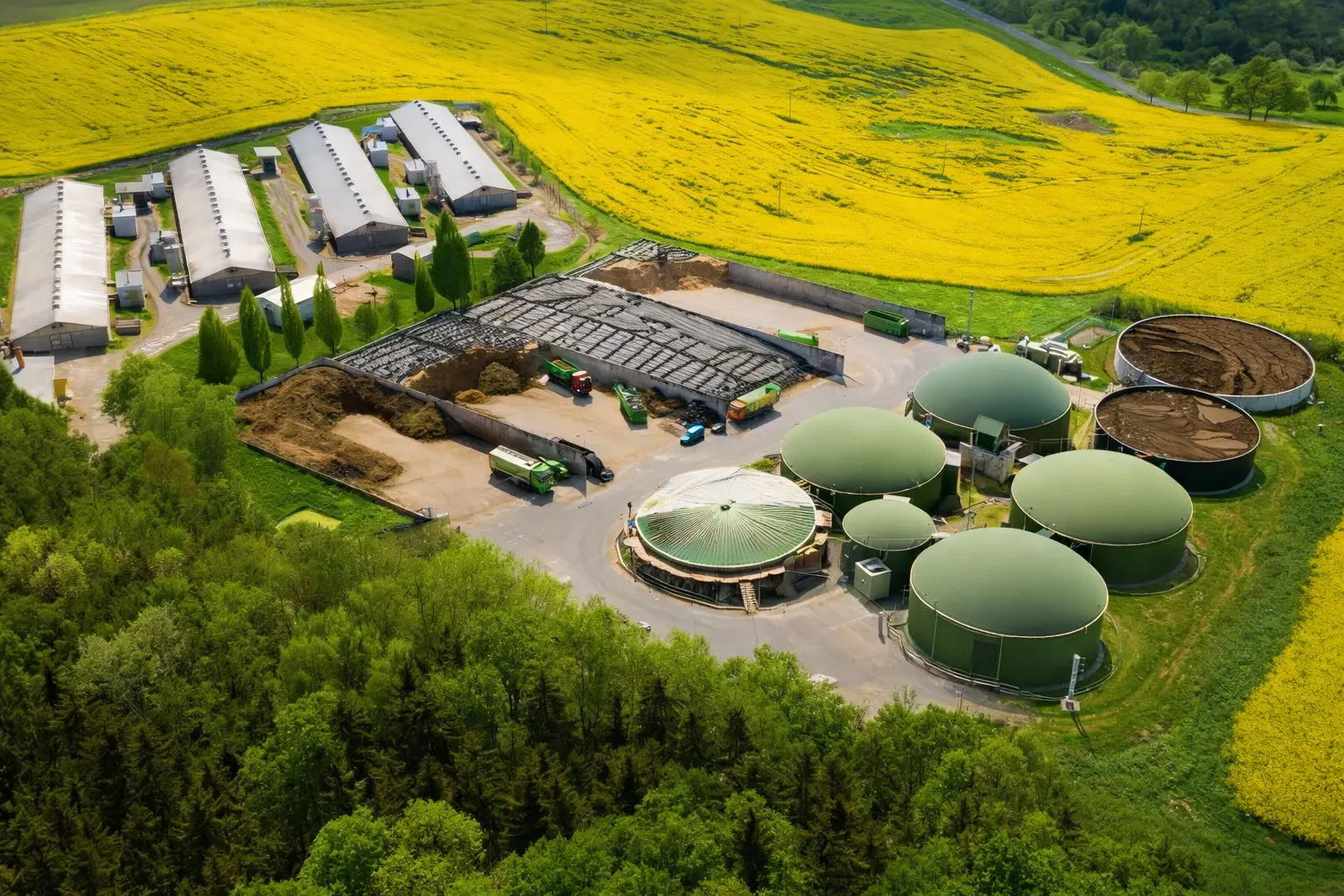
.webp)

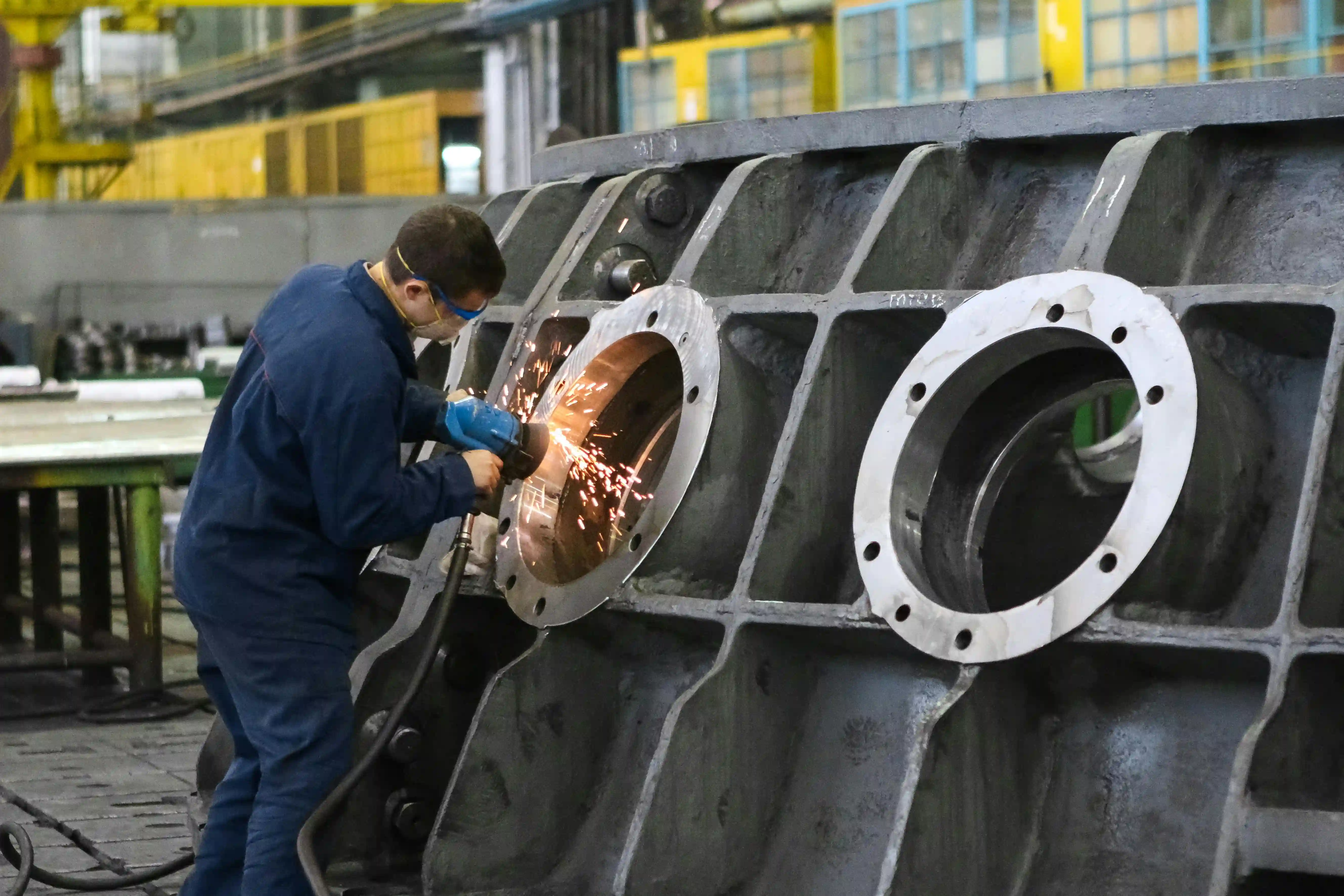
Built to help you specify.
Sizing tools, decision guides, and technical references. Use them before, during, and after your evaluation.




Frequently Asked Questions
When is a steam-assisted flare the right choice?
A steam-assisted flare is the right choice for high-volume hydrocarbon relief in refineries and petrochemical plants where reliable high-pressure steam is already available. Steam-assist offers the highest smokeless capacity of any flare type and is the industry standard for large refinery main flares. Best fit when: Peak relief includes heavy hydrocarbons (C3+, aromatics) at high flow rates; Plant has reliable medium- or high-pressure steam supply; Smokeless operation is required for compliance or community impact; Wide turndown is needed (routine purge to peak relief); Continuous flaring is part of normal operation, not just emergencies. Where steam is not available or its cost is prohibitive, air-assisted flares provide a similar smokeless capability with a forced-air blower instead of steam.
How does steam injection enable smokeless combustion?
Steam injection enables smokeless combustion through three mechanisms: it adds momentum to entrain combustion air into the flame, it lowers peak flame temperature to suppress soot formation, and the water vapor reacts with hydrocarbons through the water-gas shift reaction, breaking down soot precursors. How it works: High-velocity steam jets create turbulence and entrain ambient air; Improved air-fuel mixing prevents fuel-rich pockets that produce soot; Water vapor + carbon → CO + H₂ at flame temperature, reducing visible particulate; Lower peak flame temperature reduces thermal NOx formation as a side benefit. Properly designed steam-assist achieves smokeless operation at exit velocities and gas compositions where unassisted or air-assisted flares would smoke.
How does a steam-assisted flare differ from an air-assisted flare?
Both achieve smokeless combustion of heavy hydrocarbons, but differ in assist medium, capacity, operating cost, and best-fit scale. Steam-assisted — uses high-pressure steam; highest smokeless capacity (up to 1,000,000+ kg/hr); standard in refineries; lower capital but requires steam infrastructure; operating cost is steam consumption.; Air-assisted — uses an electric blower; suited to small-to-medium flows; lower operating cost when steam isn't available; more limited peak smokeless capacity than steam-assist; well-suited to tank vapors, biogas, low-pressure relief. Steam-assist wins when steam is plentiful and flows are large. Air-assist wins when no steam is available or for smaller, lower-pressure streams. The decision is driven by site utilities, peak flow, and lifecycle cost.
What destruction efficiency can a steam-assisted flare achieve?
Steam-assisted flares achieve destruction efficiency above 98% for hydrocarbons and VOCs when operated within the EPA 40 CFR 60.18 envelope (correct combustion-zone heating value, exit velocity, and stable pilot). Properly tuned steam-to-gas ratios maintain this DRE across the full operating range. What affects DRE: Steam-to-hydrocarbon ratio — too much steam quenches the flame and reduces DRE; Net heating value of combustion-zone gas — must stay above the regulatory floor; Exit velocity — must stay within smokeless-and-stable range; Pilot flame reliability — assured ignition is required for compliance. Modern controls modulate steam flow continuously based on gas flow and composition, holding DRE above 98% across normal, turndown, and peak relief.
What standards and certifications apply to steam-assisted flares?
Steam-assisted flares are designed to API 537 (flare design) and API 521 (pressure relief systems), with emissions performance per EPA 40 CFR 60.18. Refinery and petrochemical projects typically also reference API 560 (heaters) for shared utilities and project-specific specs. Compliance scope: Tip exit velocity within smokeless-and-stable limits; Combustion-zone net heating value above regulatory minimum; Continuous pilot monitoring with assured ignition; Records of operating parameters for emissions reporting; Structural design per ASME and applicable codes (wind, seismic). CRA's manufacturing meets ISO 9001, ASME, API, and CE marking requirements; project-specific certifications are added based on site location and regulatory authority.