Enclosed vs Open Flares: Which System Fits Your Application?

.svg)
Introduction
Flaring is a critical safeguard and emission-control measure across industrial and energy operations. But not all flares are created equal. The two primary designs, open flares and enclosed flares, differ in visibility, performance, and suitability for specific gas streams. This guide breaks down the differences to help you choose the best solution for your facility.
What Is an Open Flare?
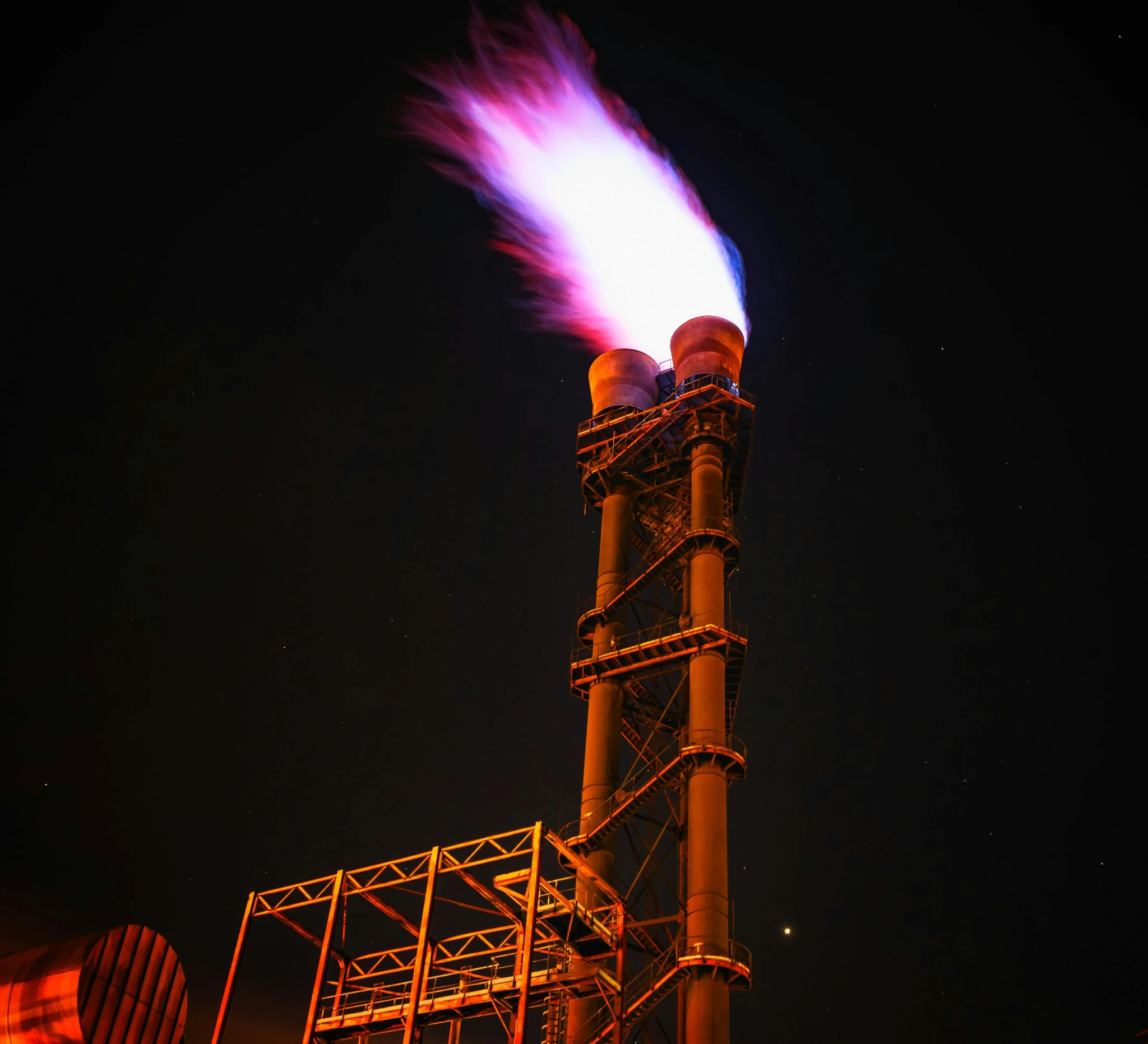
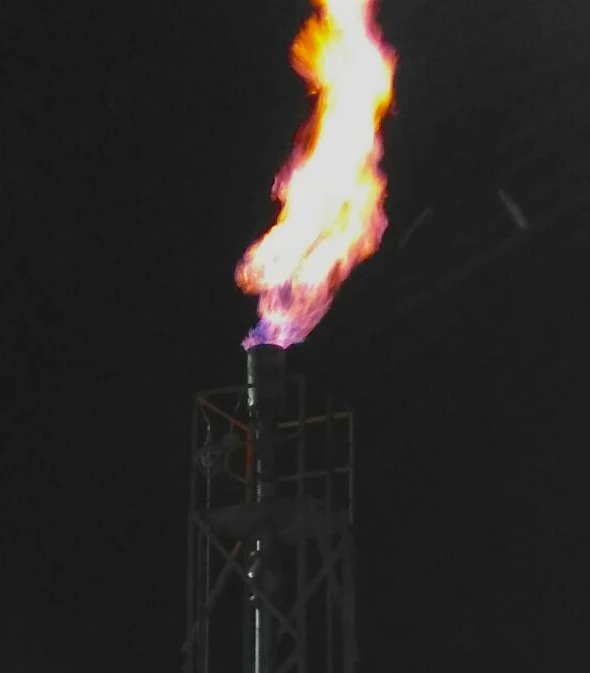
An open flare is the traditional system seen in refineries and petrochemical plants, where the flame burns openly in the air.
Common configurations include:
- Elevated flares: Mounted on tall stacks to safely disperse heat.
- Ground flares: At-grade systems with multiple burner heads.
- Pit or trench flares: Used temporarily or at remote sites.
Open flares rely on natural air entrainment, sometimes with steam or air assist to reduce smoke.
They are simple, durable, and effective for high-volume relief gases — but produce visible flames, radiant heat, and noise, which can be concerns near populated areas.
What Is an Enclosed Flare?
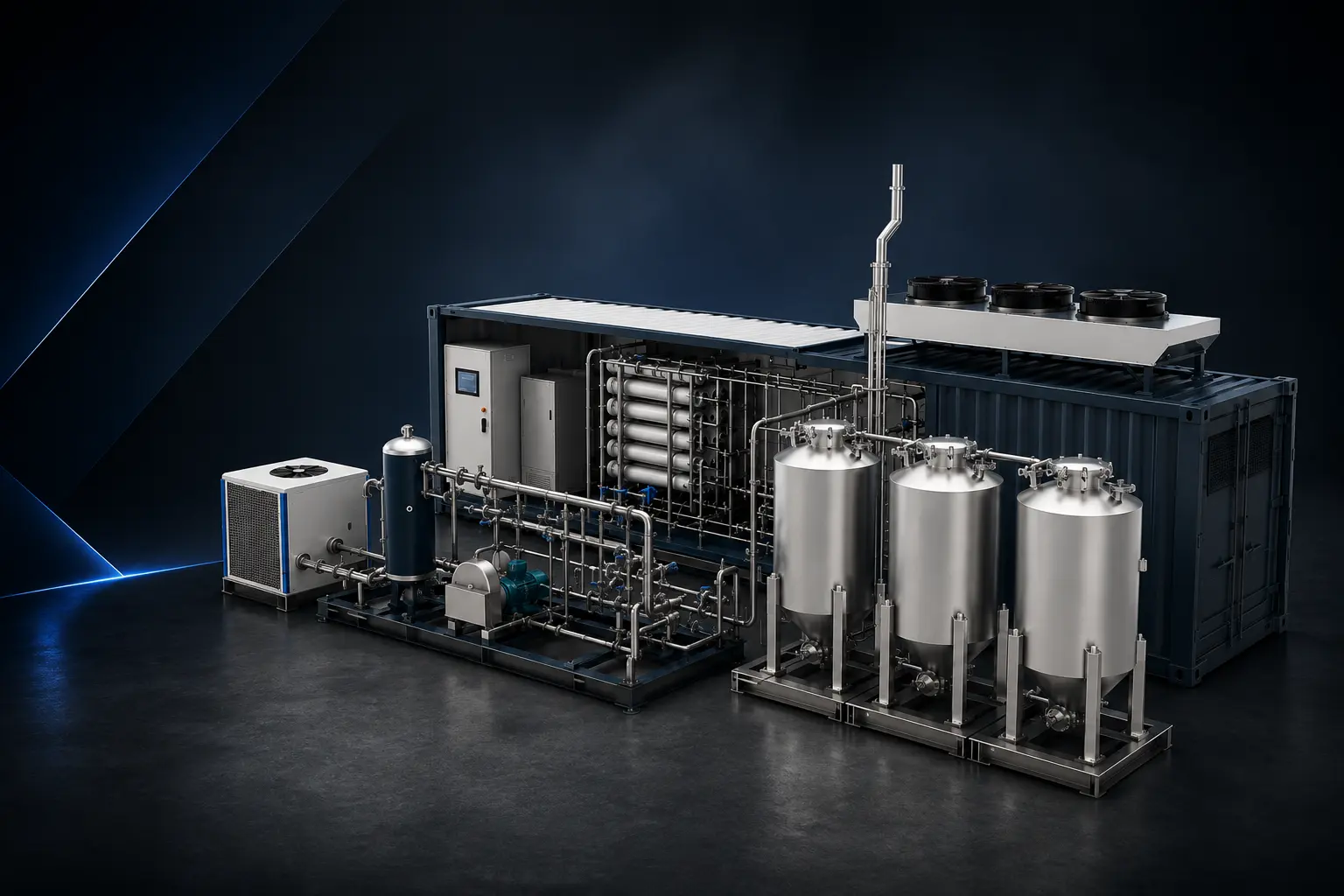
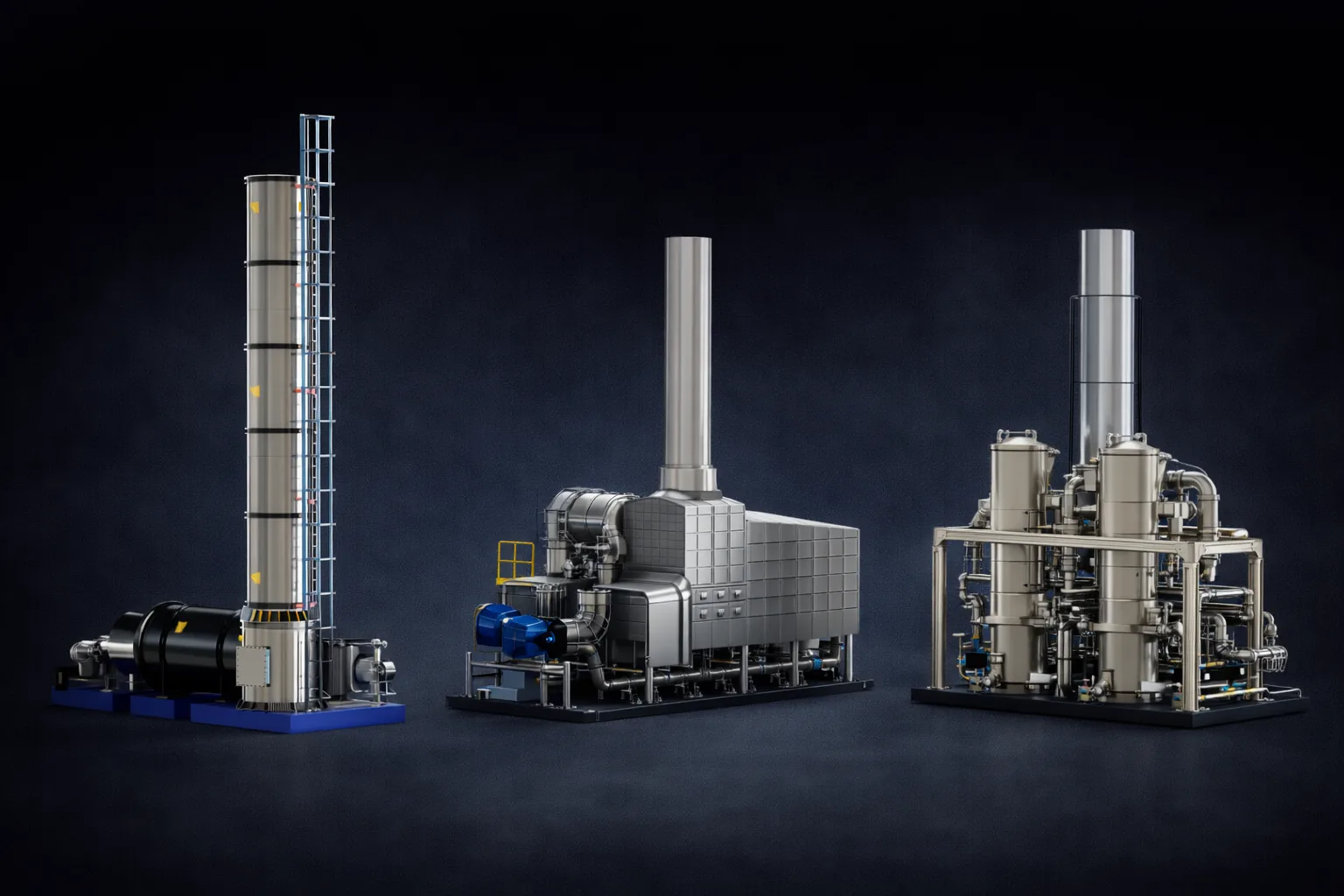
An enclosed flare burns gas inside a refractory-lined chamber, keeping the flame invisible and contained. Air is controlled using blowers or fans to ensure complete combustion and stable temperature.
Typical features include:
- A refractory-lined combustion chamber.
- Air or draft systems to manage oxygen levels.
- Temperature and flame monitoring for efficiency and safety.
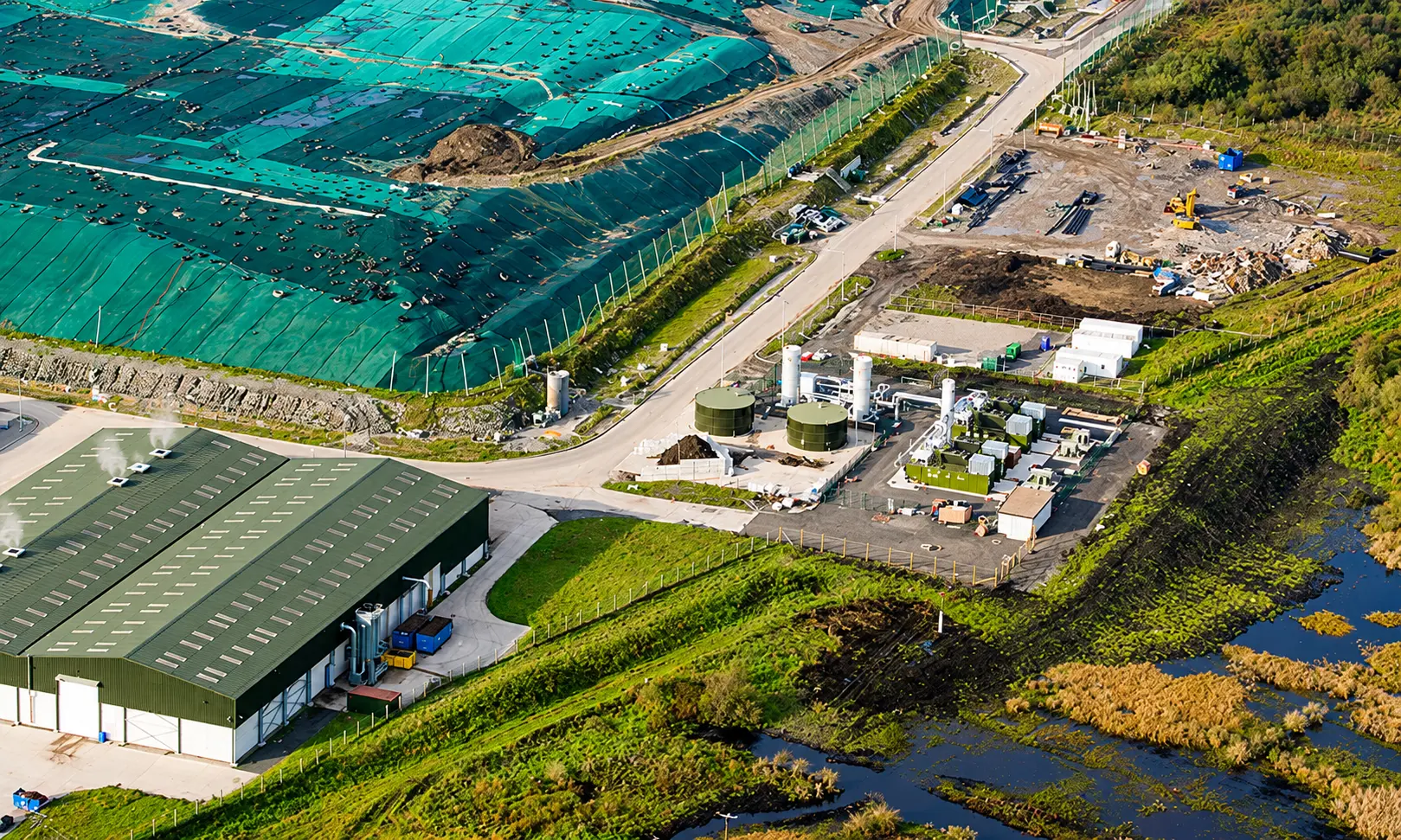
Enclosed flares are ideal for low-BTU, odor-prone, or variable gas streams — such as biogas, landfill gas, or digester gas — and are commonly used near communities where visual or odor control is required.
Performance and Design Differences
Both systems destroy hydrocarbons efficiently, but their performance profiles differ:
- Combustion Efficiency: Enclosed flares maintain higher and steadier combustion temperatures, offering consistent destruction even with fluctuating gas quality.
- Emissions & Visibility: Open flares may smoke or produce visible flames; enclosed flares are virtually smokeless and invisible.
- Noise & Heat Radiation: Enclosed flares emit less noise and radiant heat, while open flares need larger safety zones to manage exposure.
- Energy Use: Open flares often use assist gas or steam; enclosed flares may require blowers and electricity.
- Maintenance: Open flares are simpler but exposed to weather; enclosed flares have more instrumentation but offer better long-term control.
Choosing the Right Flare
Choose an Enclosed Flare if:
- Your facility is near residential or sensitive areas.
- Visual, noise, or odor emissions are restricted.
- Gas quality is low-BTU or highly variable.
- Continuous compliance and aesthetics are key.
Choose an Open Flare if:
- You handle large, intermittent or emergency gas flows.
- The site is remote or industrially isolated.
- Simplicity, robustness, and low capital cost are priorities.
Example Applications
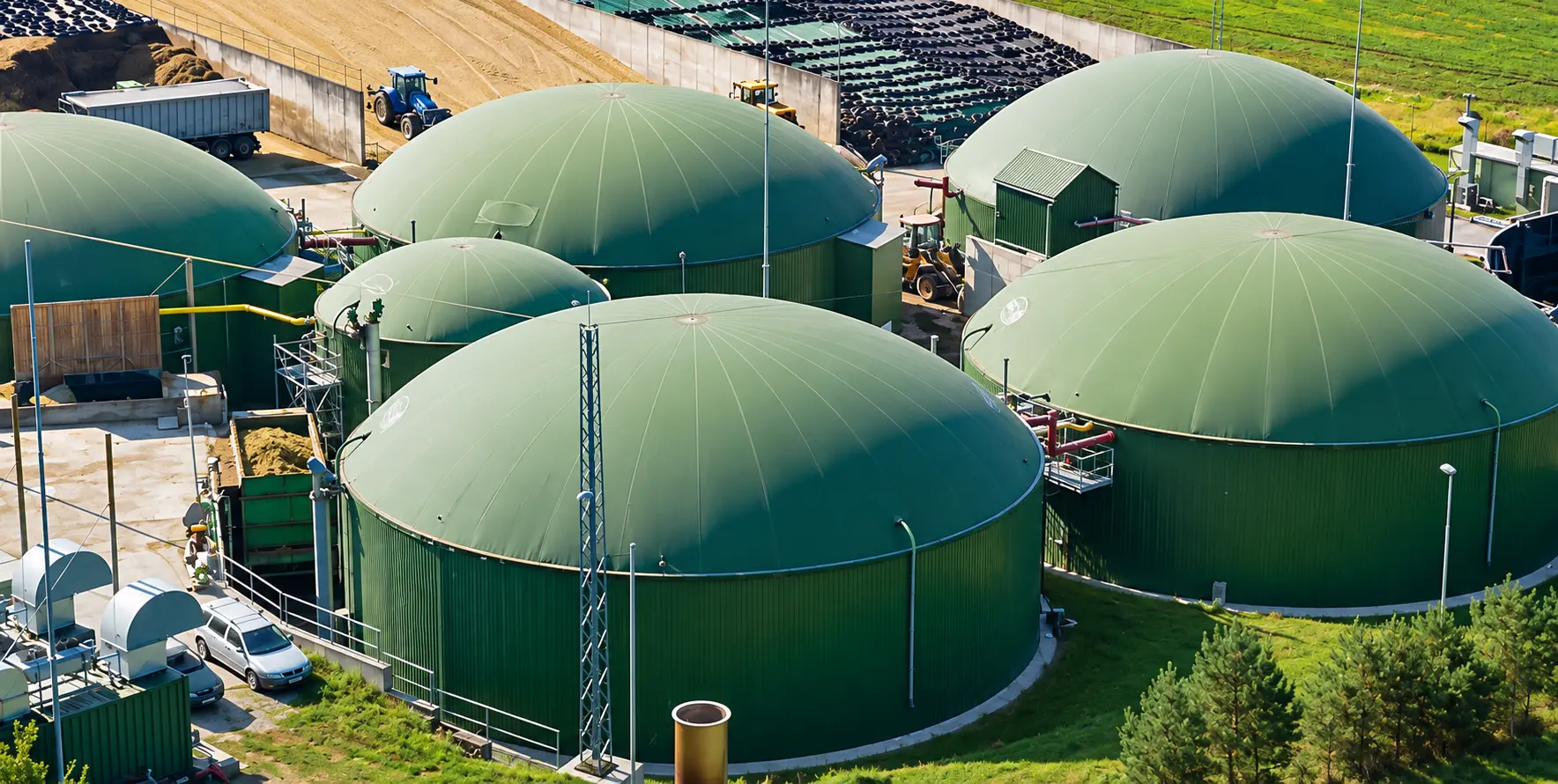
- Biogas plants: Enclosed flares ensure odor-free, smokeless operation.
- Refineries: Elevated open flares safely handle large emergency gas discharges.
- Landfills: Enclosed flares reduce odor and eliminate visible flames near communities.
- Chemical plants: Enclosed systems meet strict emission and noise limits.
Conclusion
Both open and enclosed flares are proven, reliable technologies for safe gas disposal.
Open flares offer simplicity and rugged performance for large relief events.
Enclosed flares deliver quiet, smokeless combustion where community and compliance considerations matter most.
Choosing the right flare depends on gas composition, site conditions, emission targets, and operational goals — but when designed and maintained properly, either can achieve high destruction efficiency and long-term reliability.