
Low NOx Thermal Oxidizers
Clean, Compliant, Ultra Low NOₓ Control with Low NOₓ Thermal Oxidizers
.svg)
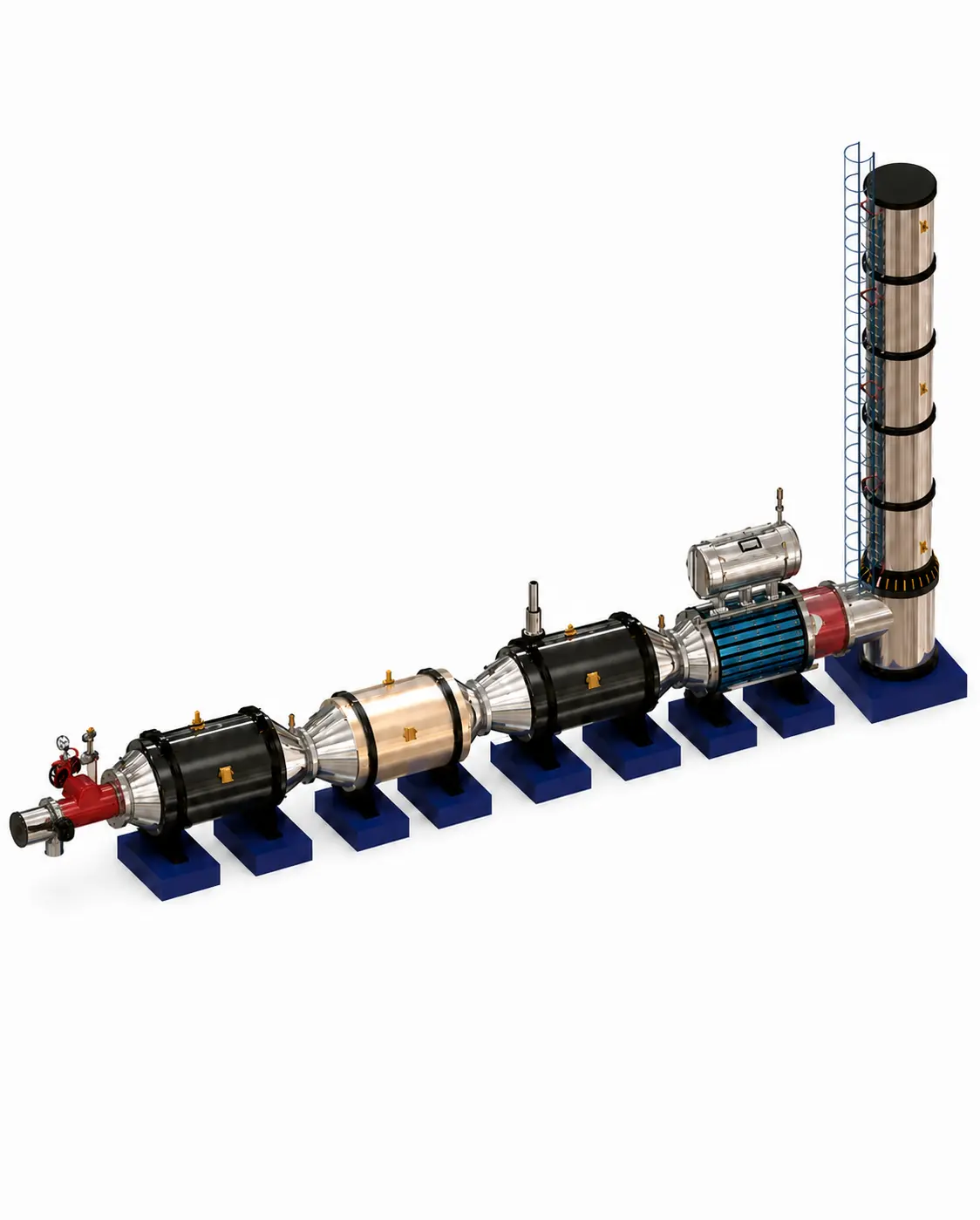
Ultra-low NOₓ emissions with >99.9% VOC destruction — no SCR required
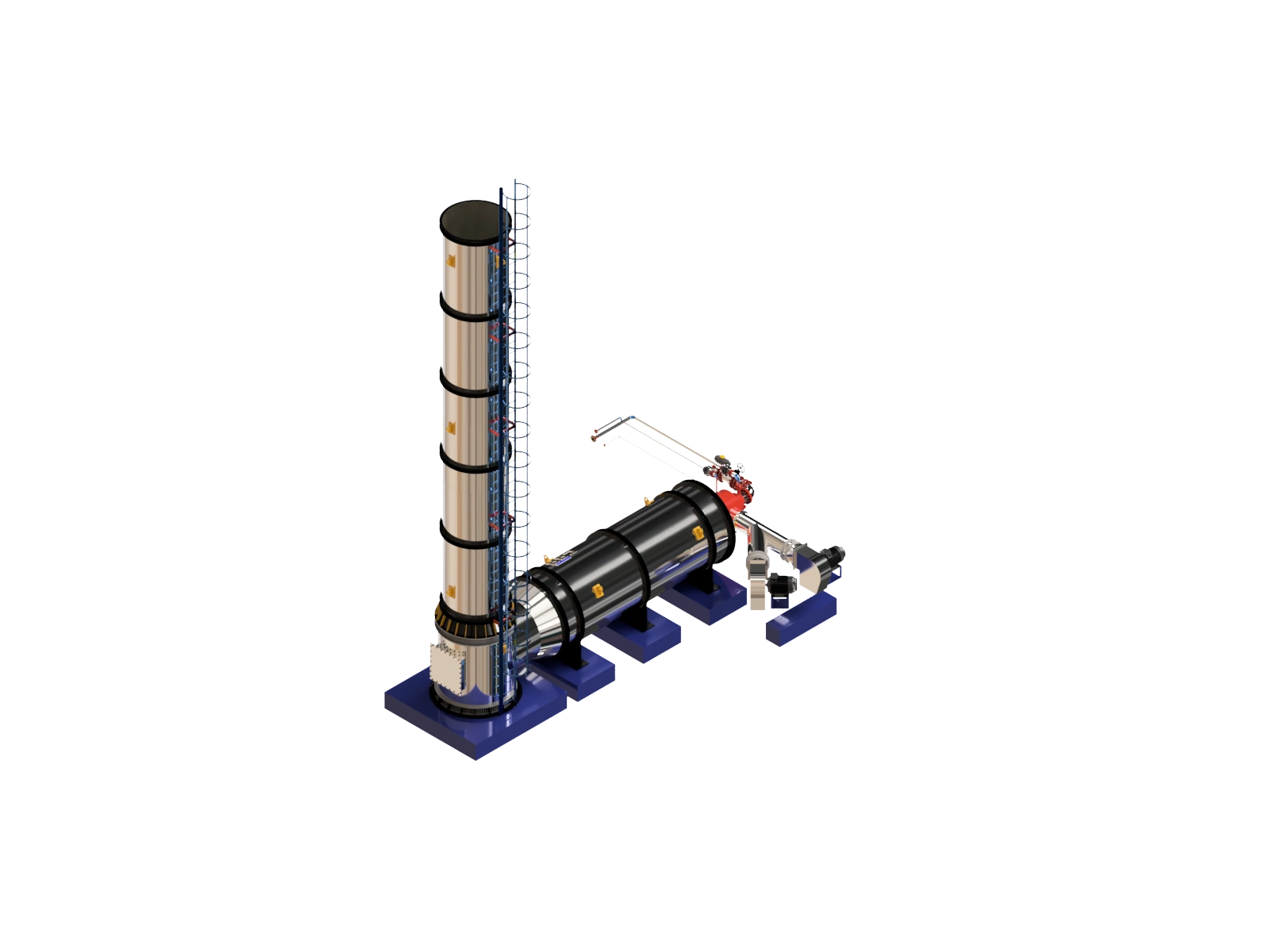
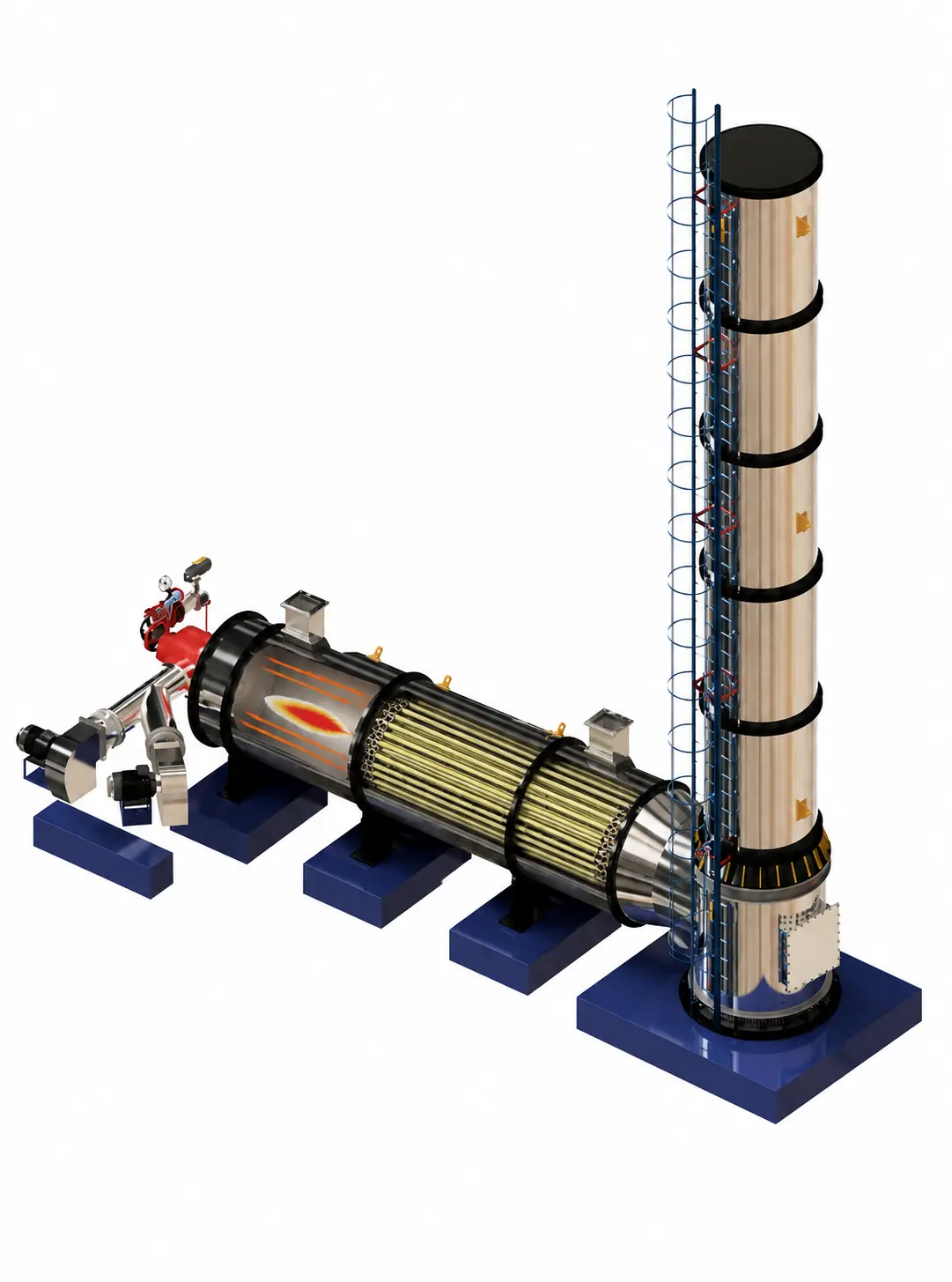
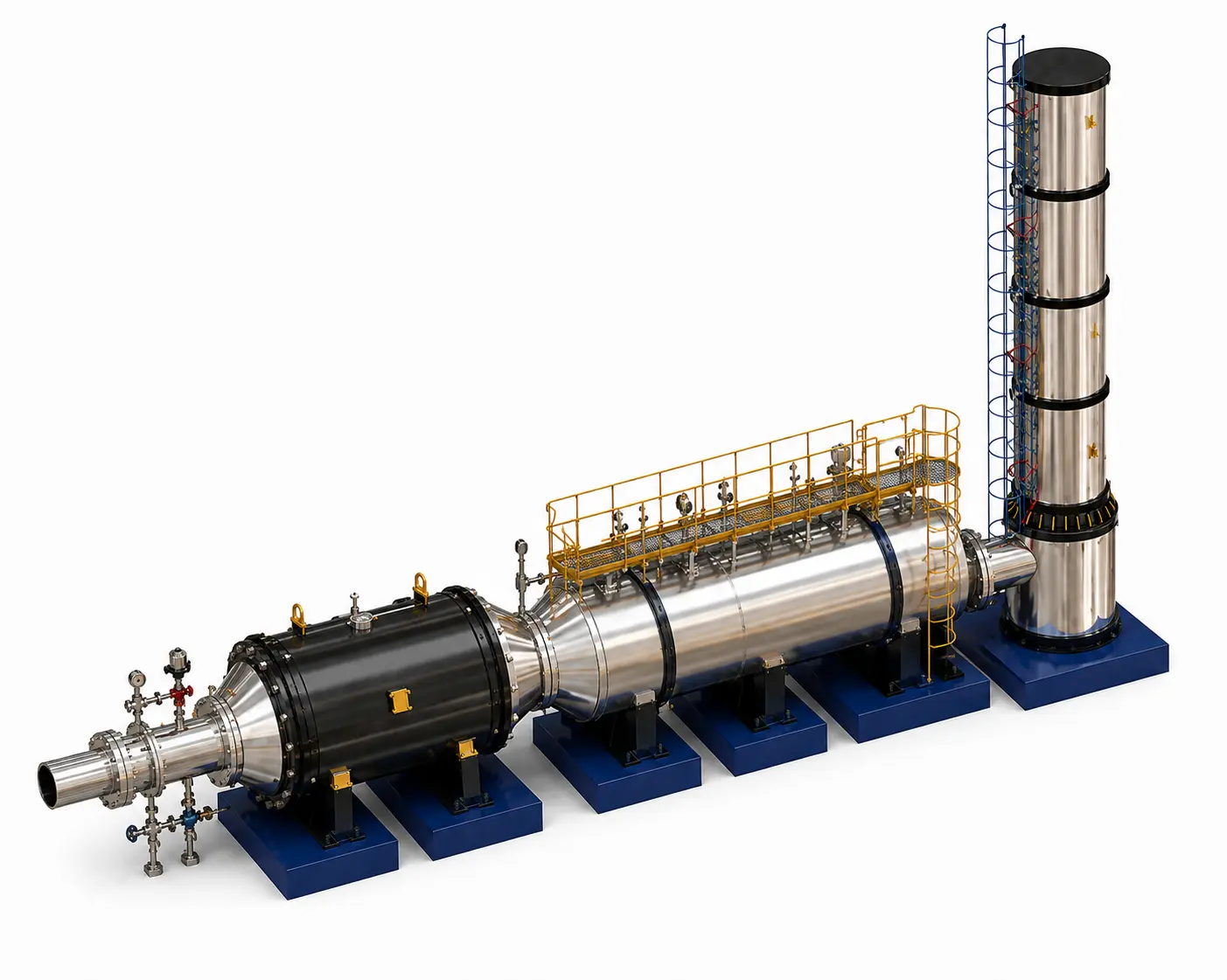
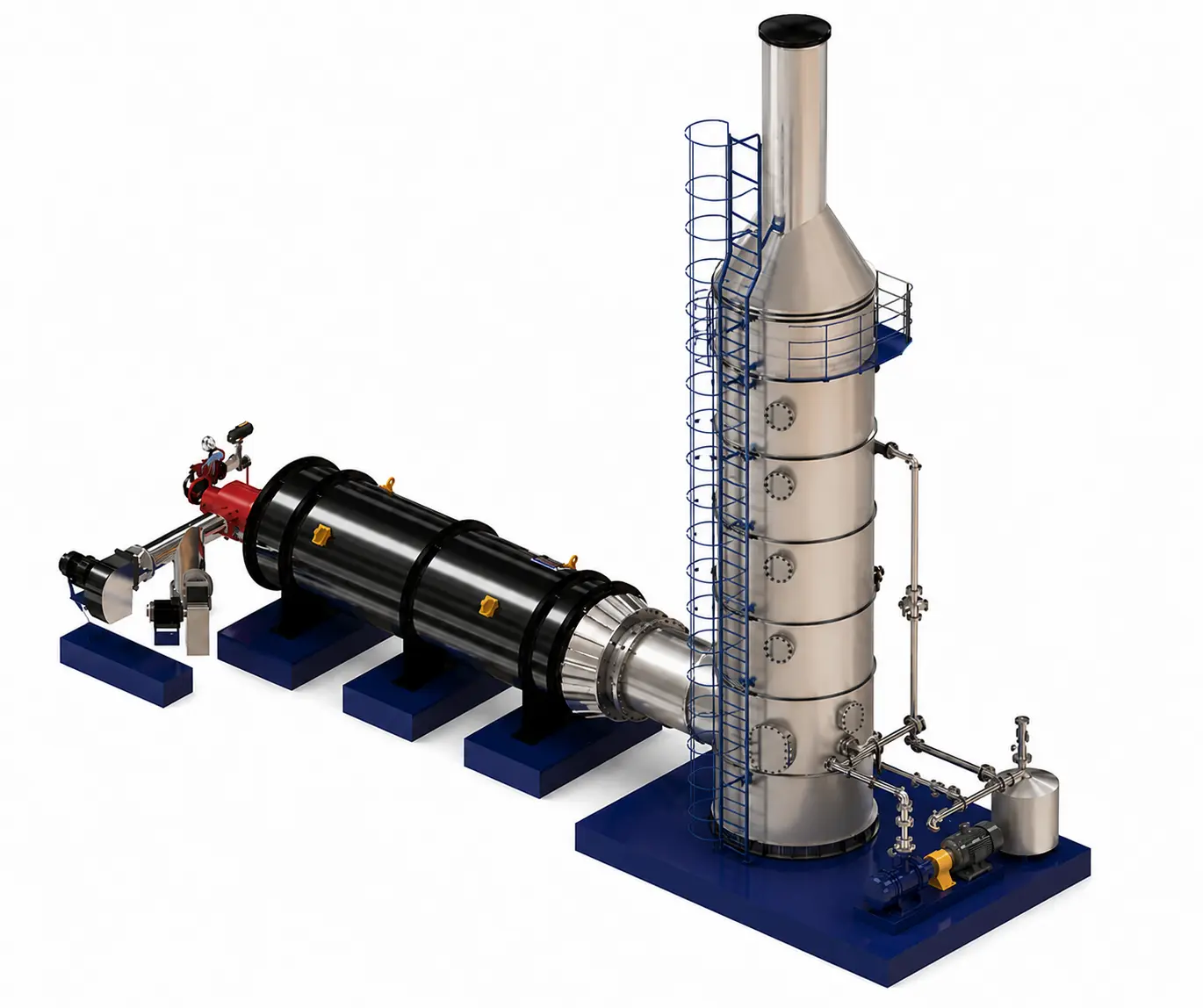
Our Low NOₓ Thermal Oxidizer (LNOₓ TO) combines advanced multi-stage burner technology, flue gas recirculation, and precision controls to limit NOₓ emissions while achieving >99.9% VOC/HAP destruction. Engineered for stringent regulations, it delivers clean performance without the need for post-combustion catalysts
VOC/HAP Destruction
>99.9%
NOₓ Control
Staged combustion + Quenching
SCR
Not required
Operating Temp
760–980°C
What is a Low NOx Thermal Oxidizers?
A low NOₓ thermal oxidizer achieves >99.9% VOC and HAP destruction while controlling thermal NOₓ formation through staged combustion, flue gas recirculation, and precision temperature management, eliminating the need for selective catalytic reduction (SCR) or other post-combustion reagent-based NOₓ treatment.
How it works
Multi-stage burners and flue gas recirculation work together to limit thermal NOₓ formation while the combustion chamber completes VOC oxidation independently of the NOₓ control strategy.
Multi-stage burners introduce fuel and combustion air in controlled zones, limiting peak flame temperature and the thermal NOₓ that forms at hot spots.
Cooled exhaust gas recirculates into the combustion zone, lowering oxygen partial pressure and further suppressing NOₓ formation.
The combustion chamber holds sufficient residence time at the required temperature for complete VOC oxidation, independent of the NOₓ control strategy.
Key Benefits
Achieves Low NOₓ using staged combustion and flue gas recirculation—no SCR required
Consistently delivers >99.9% VOC and HAP destruction, meeting the toughest air‐quality standards
Eliminates catalyst purchase/handling and minimizes reagent use, driving down lifecycle expenses
Designed and tested to meet EPA, EU, and regional NOₓ limits without complex add-ons
Detailed CFD, process simulations, and strict QC guarantees adequate residence times and high DRE
Projects That Push Boundaries
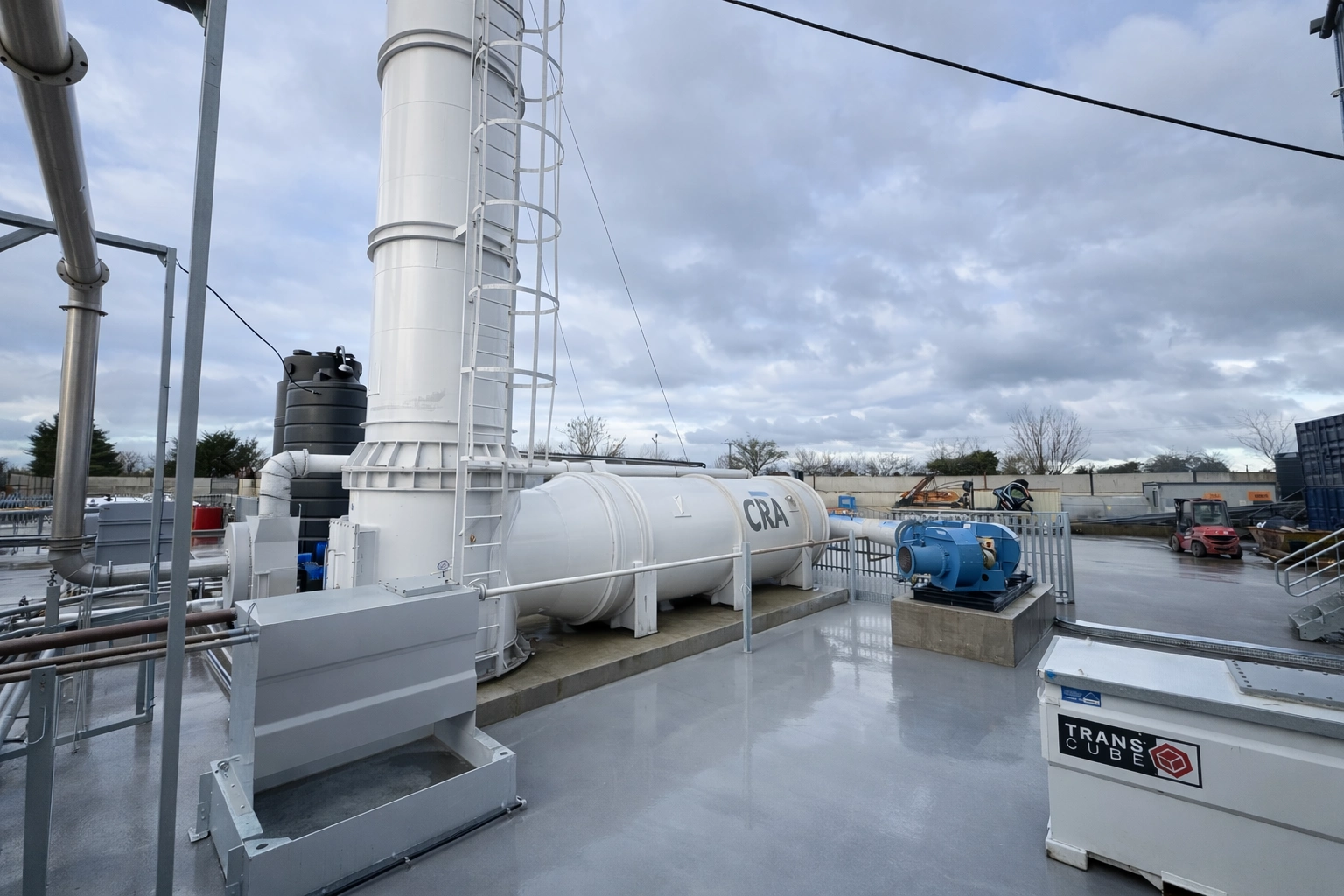
Self-fuelled from process-derived gas to meet UK regulatory destruction efficiency requirements.
The CRA Edge
30+ years of thermal oxidizer expertise solving the toughest emissions challenges
End-to-end design, R&D, and manufacturing under one roof for speed and quality
ISO 9001, ASME Standards, API, CE
Customized designs meet your exact process needs and strictest regulation
Applications
.webp)

Built to help you specify.
Sizing tools, decision guides, and technical references. Use them before, during, and after your evaluation.




.webp)
Frequently Asked Questions
When is a Low NOx Thermal Oxidizer the best choice?
Low NOₓ thermal oxidizers are best suited for applications in air quality non-attainment areas or where permit limits require NOₓ emissions below standard thermal oxidizer levels (typically <50-100 ppm NOₓ). Ideal Applications: Urban/metropolitan areas with strict air quality regulations; California and Northeast US non-attainment zones; Europe with stringent Industrial Emissions Directive limits; High-profile facilities near residential areas; Permit renewals where NOₓ limits have tightened; Greenfield projects anticipating future regulation. Industries Most Affected: Chemical and petrochemical manufacturing; Pharmaceutical production; Semiconductor fabrication; Coating and printing operations; Any sector in NOₓ-sensitive airsheds. NOₓ Formation in Thermal Oxidizers: NOₓ forms primarily through two mechanisms: 1) Thermal NOₓ - High-temperature fixation of atmospheric nitrogen (N₂ + O₂ → NOₓ); 2) Fuel NOₓ - Oxidation of nitrogen-containing compounds in waste gas or fuel. Standard thermal oxidizers typically produce 100-300 ppm NOₓ or higher. Low NOₓ designs reduce this to <50-100 ppm or even lower.
How do Low NOx thermal oxidizers achieve reduced NOx emissions?
CRA's Low NOₓ Thermal Oxidizer (LNOₓ TO) combines advanced multi-stage burner technology, flue gas recirculation (FGR), and precision controls to limit NOₓ emissions while achieving >99.9% VOC/HAP destruction. Primary NOₓ Reduction Technologies: 1. Staged Combustion: Fuel-rich primary zone - Reduces peak flame temperature; Lean secondary zone - Completes combustion at lower temperature; Reduces thermal NOₓ formation by controlling combustion temperature profile. 2. Flue Gas Recirculation (FGR): Recirculates cooled exhaust back into combustion zone; Dilutes flame with inert gases (CO₂, H₂O vapor); Lowers peak flame temperature - Exponentially reduces thermal NOₓ formation; Typical recirculation: 10-30% of exhaust flow. 3. Ultra-Low NOₓ Burners: Premixed fuel-air for staged combustion; Internal flue gas recirculation designs; Multiple flame zones with controlled temperatures; Advanced nozzle geometry optimizes mixing. 4. Lean-Premix Technology (Advanced Option): Homogeneous fuel-air mixture before combustion; Lower combustion temperature while maintaining efficiency; Can achieve <25 ppm NOₓ in optimal conditions. 5. Precise Temperature Control: Automated modulation maintains optimal combustion temperature; Prevents temperature excursions that spike NOₓ; Continuous monitoring and adjustment. 6. Optimized Chamber Design: Extended residence time allows lower temperatures; Proper turbulence ensures complete VOC destruction; CFD modeling verifies performance. Engineered for Stringent Regulations: The systems CRA manufactures deliver clean performance without the need for post-combustion catalysts (SCR), reducing complexity and operating costs while meeting the most stringent NOₓ limits.
What destruction efficiency can Low NOx systems achieve while reducing NOx?
Low NOₓ thermal oxidizers manufactured by CRA achieve >99.9% VOC/HAP destruction while simultaneously limiting NOₓ emissions to <50-100 ppm (or lower depending on configuration). Balanced Performance: VOC/HAP destruction: No compromise vs. standard thermal oxidizers; NOₓ emissions: Reduced 50-90% compared to conventional designs; CO emissions: Maintained at compliant levels (<100 ppm typical); Energy efficiency: Comparable to standard systems. Design Challenge - Balancing Competing Goals: High temperature favors VOC destruction but increases NOₓ; Low temperature reduces NOₓ but risks incomplete VOC oxidation; Solution: Staged combustion and precise control maintain both. Verification Methods: Continuous emissions monitoring for NOₓ and CO; Periodic VOC/HAP stack testing for DRE verification; Oxygen trim control optimizes combustion efficiency; Data logging for regulatory reporting.
When should Low NOx technology be chosen over standard thermal oxidizers with SCR?
Low NOₓ Thermal Oxidizer (Primary Measures): Lower capital cost - No catalyst, SCR reactor, or ammonia system; Lower operating cost - No ammonia (urea) reagent consumption; Simpler operation - No catalyst monitoring or replacement; Faster response - No catalyst warm-up time; No ammonia slip - No risk of unreacted ammonia emissions. When to Choose Low NOₓ TO: Budget constraints favor lower capital cost; Moderate NOₓ limits (50-100 ppm achievable without SCR); Intermittent operation where catalyst cycling is problematic; Simplicity preferred over maximum NOₓ reduction. Standard TO + SCR (Post-Combustion Treatment): Ultra-low NOₓ achievable (<10-25 ppm possible); Independent control of combustion and NOₓ reduction; Proven technology for extremely stringent limits. When to Choose Standard TO + SCR: Very low NOₓ limits (<25-50 ppm); Continuous operation justifies catalyst investment; Existing thermal oxidizer where SCR is retrofit option. CRA Recommendation: CRA engineers evaluate project-specific NOₓ limits, operating profile, and lifecycle costs to recommend the most cost-effective solution.
Are these FAQ answers guaranteed for my specific application?
No. The information in these FAQs is for general guidance only. Every application is unique, and actual performance depends on your specific process conditions, site requirements, and operating parameters. Detailed engineering analysis of your process data is required to provide accurate specifications and performance guarantees. Contact CRA's engineering team for a comprehensive proposal tailored to your specific needs.