
Biogas Chemical H2S Scrubber
Proven Chemical Scrubbing for Clean, Compliant Biogas Processing

.svg)
Engineered for reliable H₂S removal from raw biogas
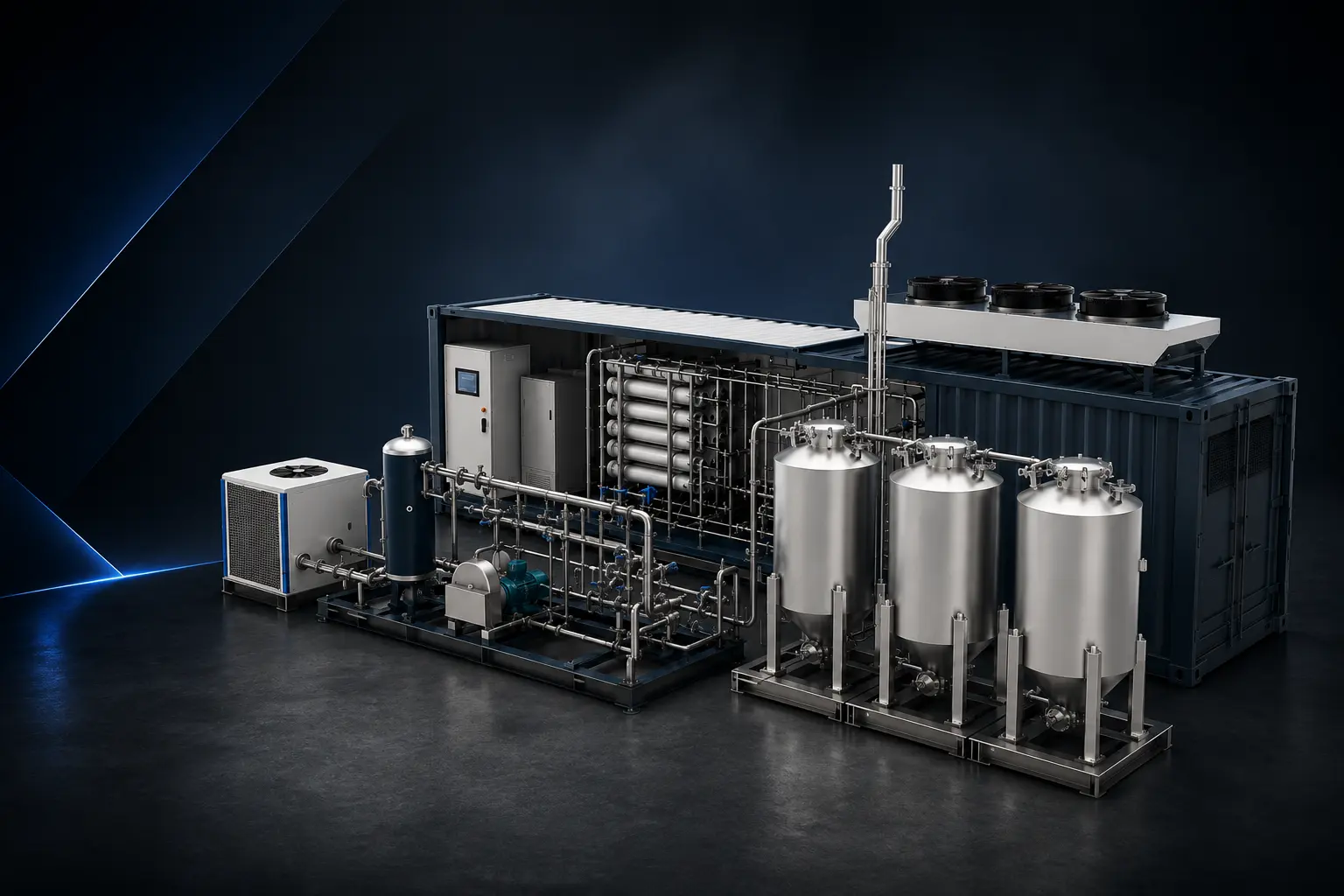
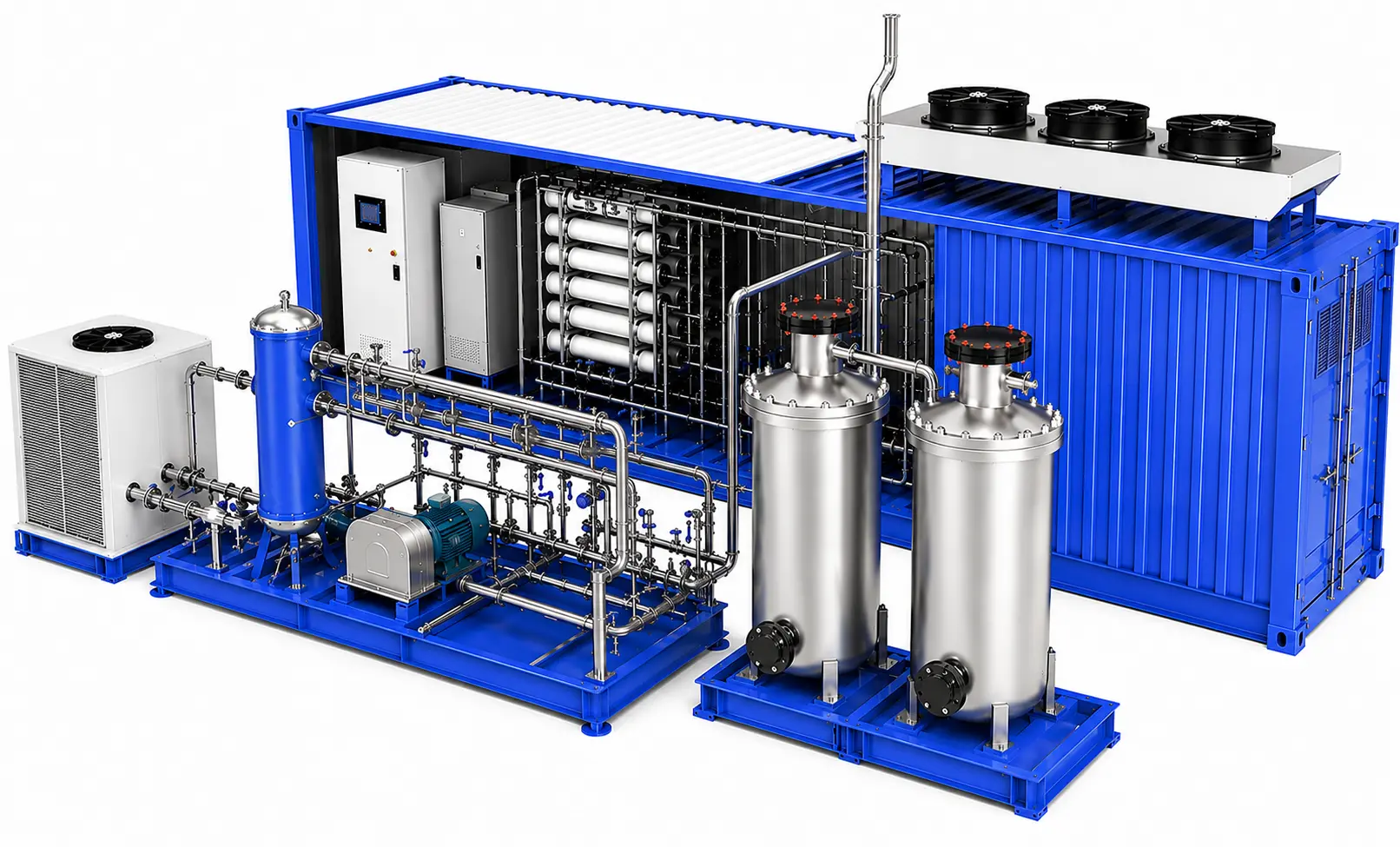
CRA’s scrubbers eliminate corrosive and odorous compounds such as hydrogen sulfide (H₂S) through automated caustic (NaOH) solution dosing. Engineered to meet exact ppm requirements for inlet conditions like H₂S levels or gas flow rate, the systems scale seamlessly with plant demands. Featuring a packed bed and spray tower designs, they ensure high scrubbing efficiency, regulatory compliance, low maintenance, and extended protection for downstream equipment.
H₂S Removal
>99%
Inlet H₂S Range
Up to 10,000 ppm
Outlet H₂S
<5 ppm
Reagent
NaOH (caustic) solution
What is a Biogas Chemical H2S Scrubber?
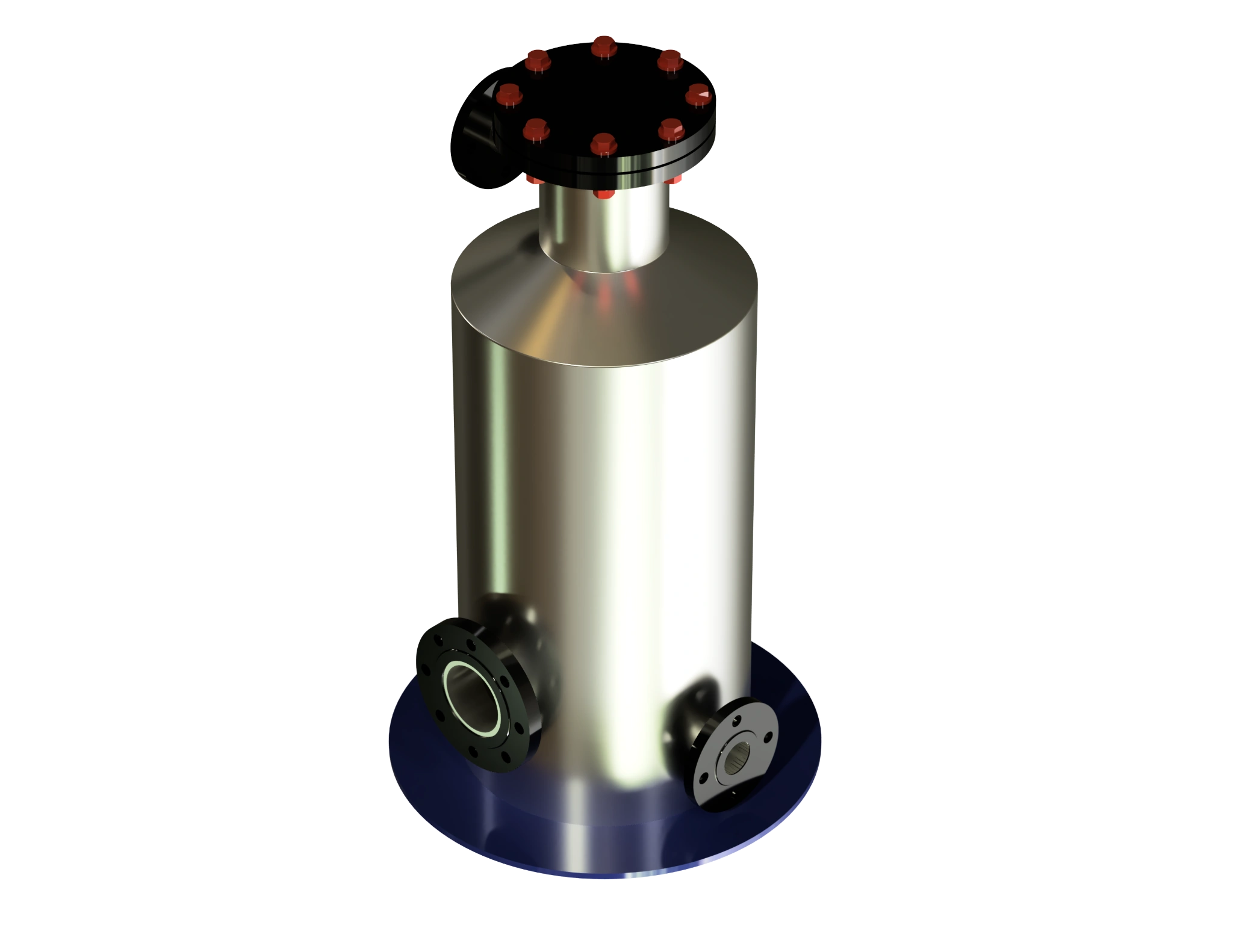
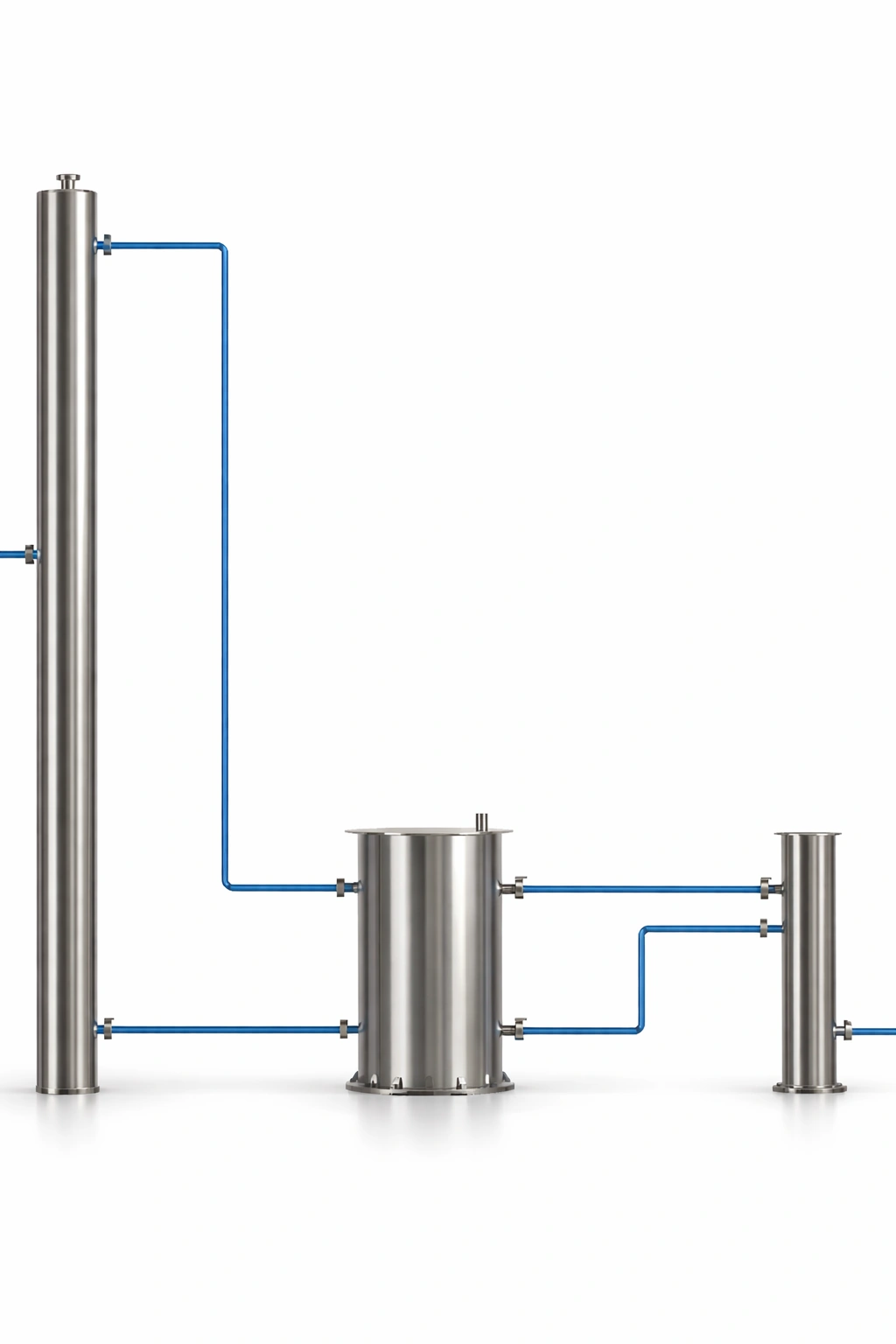
A biogas chemical H₂S scrubber removes hydrogen sulfide from raw biogas by absorbing it into a circulating alkaline solution, typically sodium hydroxide, in a packed bed or spray tower contactor.
See it in Action
Watch how our desulphurisation system operates in a real industrial environment.
How it works
Biogas flows counter-current through a packed bed against a continuously circulating caustic solution, with the reaction and dosing rate both matched to the incoming H₂S load.
Biogas flows upward through the packed bed while NaOH solution flows down against it, maximizing contact between gas and liquid.
NaOH solution is continuously circulated and dosed automatically to match the real-time H₂S load entering the system.
H₂S reacts with the alkali to form sodium sulfide, which exits with the spent scrubbing liquor.
Outlet gas is monitored continuously to confirm it meets the required ppm target before it moves downstream.
Key Benefits
Achieves high efficiency for sulfur compounds, even under fluctuating flow or load
Removes contaminants that damage compressors and membranes, reducing maintenance costs and downtime
Neutralizes foul-smelling gases to meet environmental and community standards
Energy-efficient recirculation, optimized flow, and automated chemical dosing reduce the cost of ownership
Easily integrated into new or retrofit installations, with single or multi-stage options for complex streams.
Projects That Push Boundaries
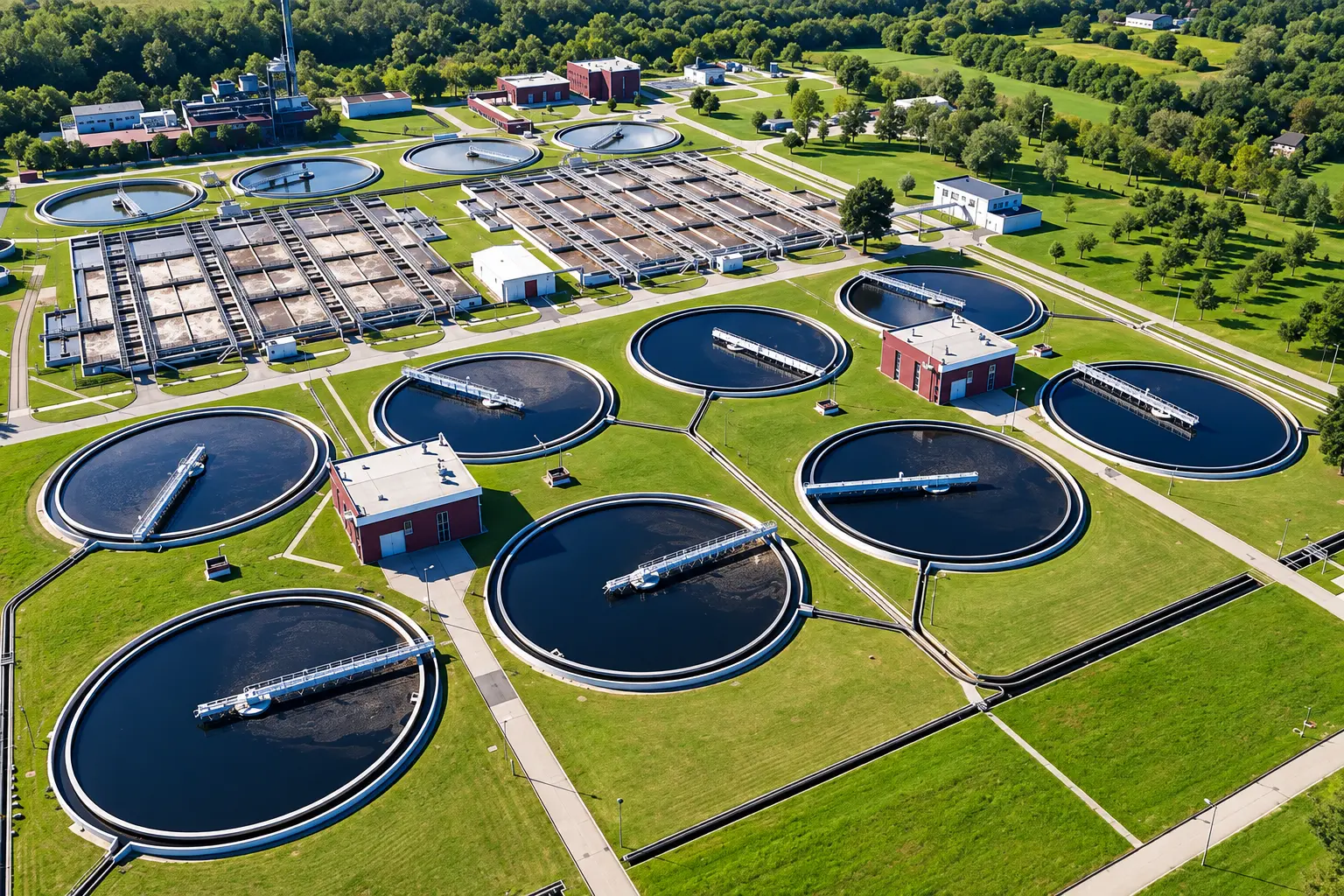
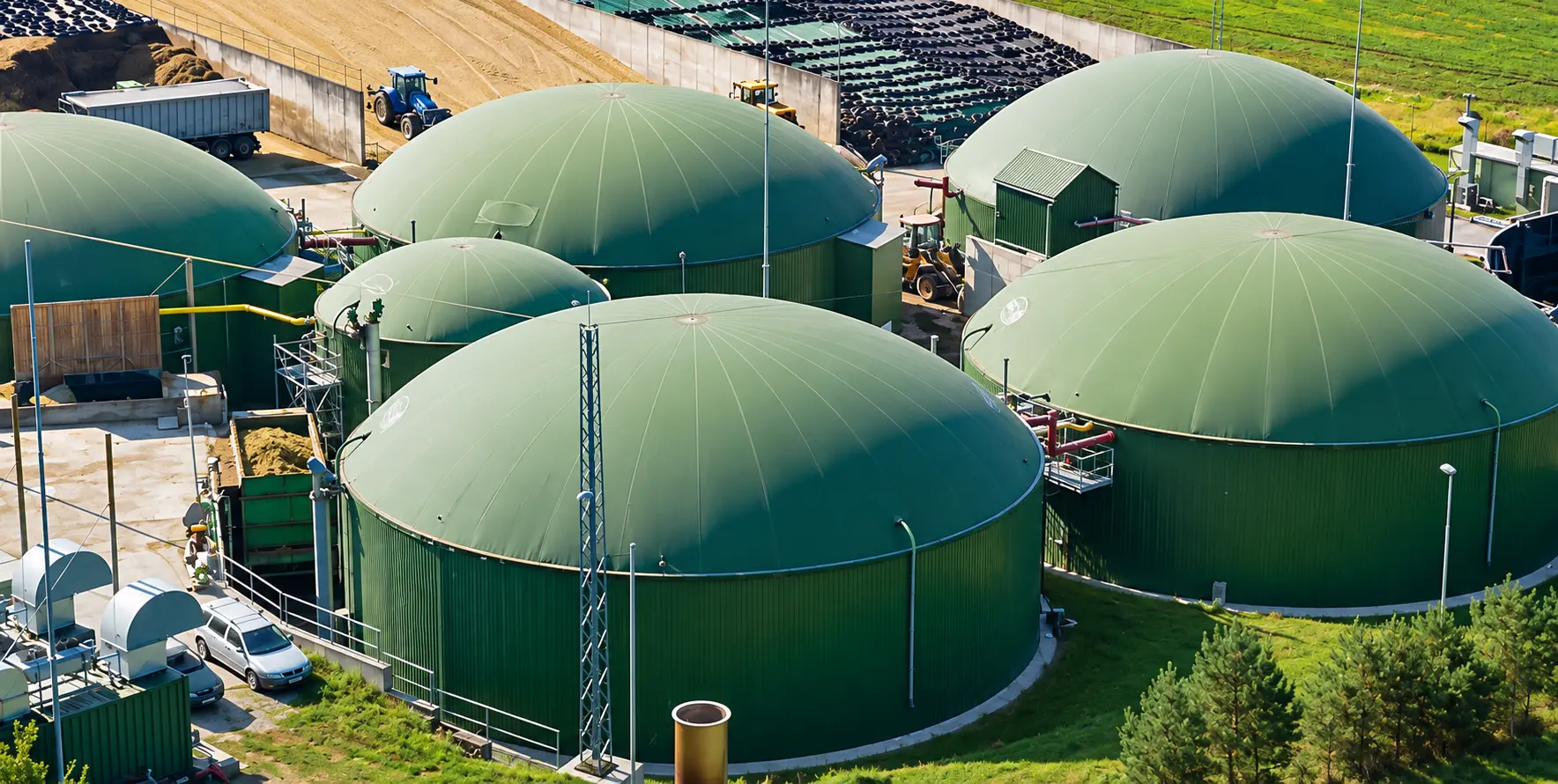
Removes H₂S from Biogas stream using a NaOH chemical scrubber, engineered for CBG Application.
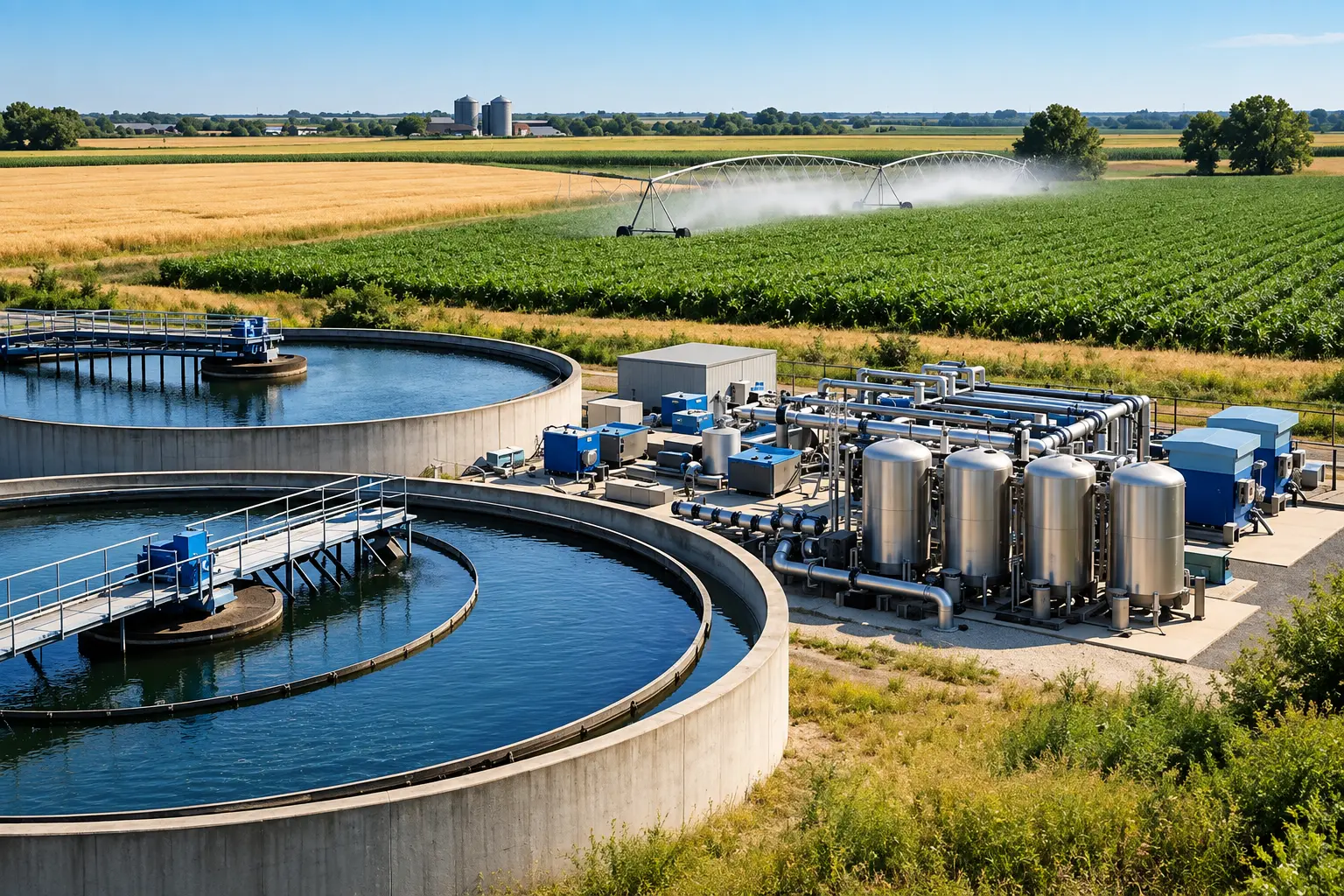
Removes H2S and acidic contaminants for safe, reliable biogas use in municipal infrastructure.

Complete gas conditioning train transforming raw digester gas into clean, usable fuel for a city utility.
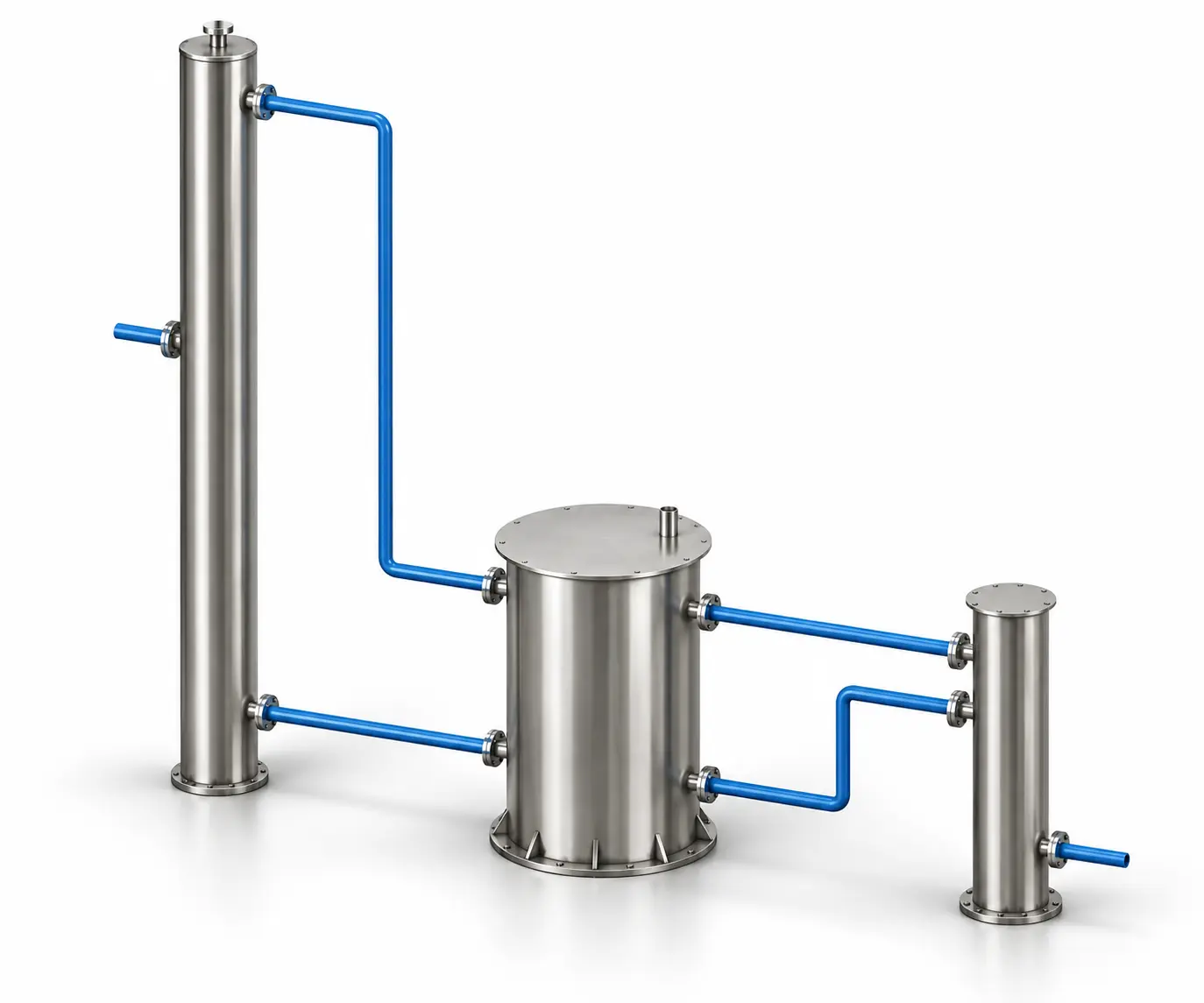
Chemical scrubber, regenerative stage, and activated-media polishing reducing H2S from 10,000 ppm to below 100 ppm.
The CRA Edge
Decades of gas treatment experience with 100+ chemical scrubbers installed around the world for diverse applications
From modeling to fabrication, CRA delivers turnkey systems with fans, pumps, dosing, and automation
CRA provides a suite of tailored, complementary products designed to meet all your biogas needs
Engineered to ensure clean gas quality, odor control, and protection of downstream equipment
Applications
.webp)

Built to help you specify.
Sizing tools, decision guides, and technical references. Use them before, during, and after your evaluation.






.webp)
Frequently Asked Questions
Can chemical scrubbers handle variable H2S concentrations and flow rates?
Yes, via automated dosing and VFD control. H₂S range: 100-10,000 ppm | Maintains <5 ppm | 5-15 min response Flow range: 25-110% (4.4:1 turndown) | >98% at 30% flow
When is a Chemical Scrubber (NaOH) the best choice for biogas H2S removal?
Best for immediate H₂S removal with minimal startup. Ideal: Instant startup | Intermittent operation | Cold (<15°C) | Variable H₂S (100-10,000+ ppm) | Ultra-low outlet (<1 ppm) | Retrofit Capacity: 50-5,000+ Nm³/hr | >98-99.5% efficiency
How does chemical regeneration reduce operating costs compared to standard NaOH scrubbers?
Biological oxidation regenerates spent caustic, reducing chemical consumption. Process: Chemical scrubber removes H₂S forming Na₂S | Bacteria oxidize Na₂S back to Na₂SO₄ + regenerate NaOH | Recycled caustic reused Savings: 30-50% NaOH reduction | Lower disposal costs | Best for >5000 ppm H₂S
How does a biogas chemical scrubber work and what removal efficiency can it achieve?
>98-99.5% H₂S removal via NaOH reaction, reducing to <1-10 ppm. Process: Counter-current packed tower | H₂S + NaOH reaction | Automated pH control (9-11) Advantages: Instant startup | -10 to +60°C | Handles spikes | Intermittent OK
What are the key differences between chemical and biological scrubbers for biogas?
Chemical: Instant startup | -10 to +60°C | Intermittent OK | <1 ppm outlet Biological: 2-4 week startup | 15-40°C | Continuous needed | 10-50 ppm outlet Choose Chemical: Intermittent | Cold | Instant start | Ultra-low H₂S Choose Biological: 24/7 | High load | Opex priority