
Activated Carbon Dry H2S Scrubber
An activated carbon scrubber polishes biogas after bulk H₂S removal, taking H₂S down to tight limits and removing siloxanes and VOCs as well.
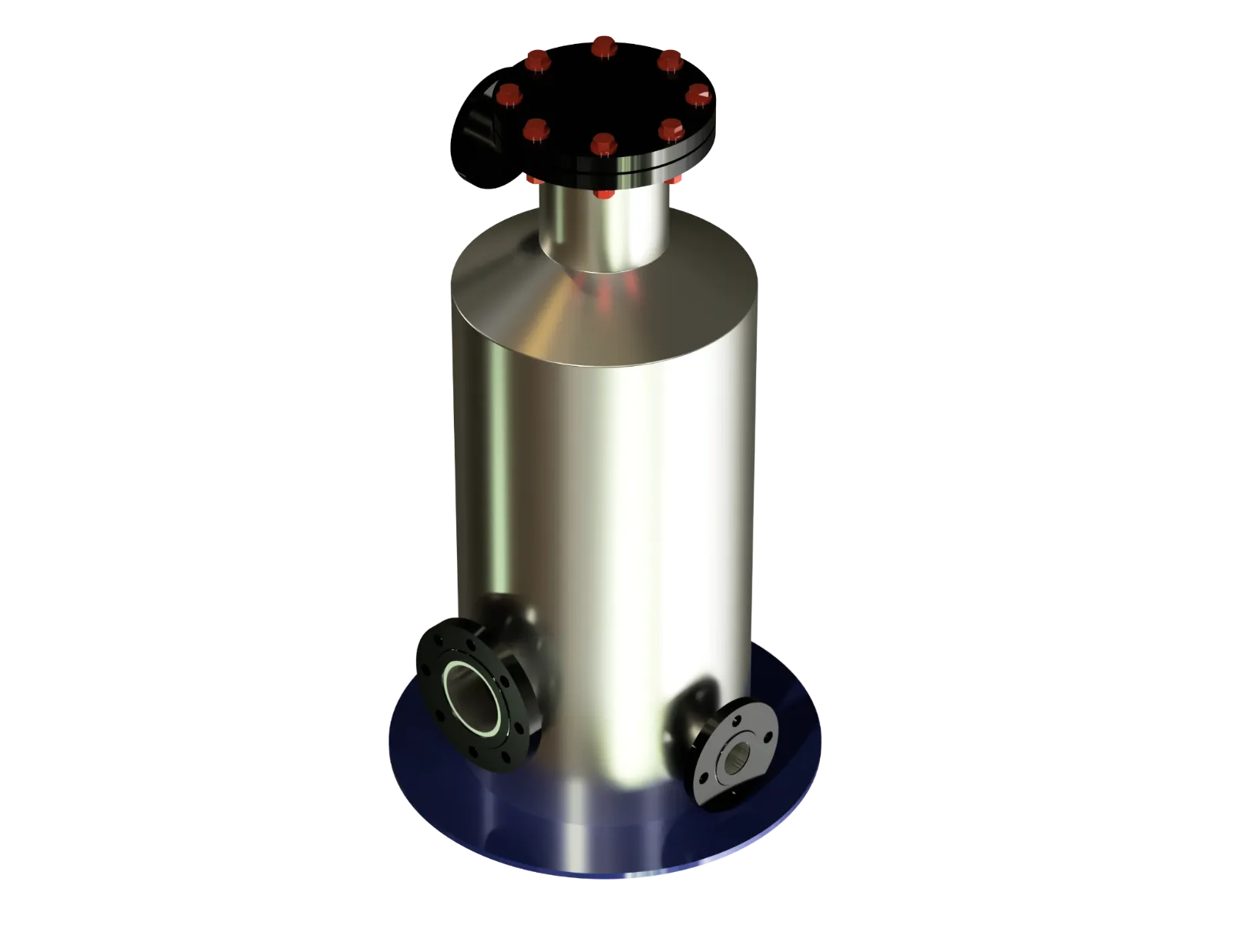

Final-stage polishing to pipeline and engine-quality gas
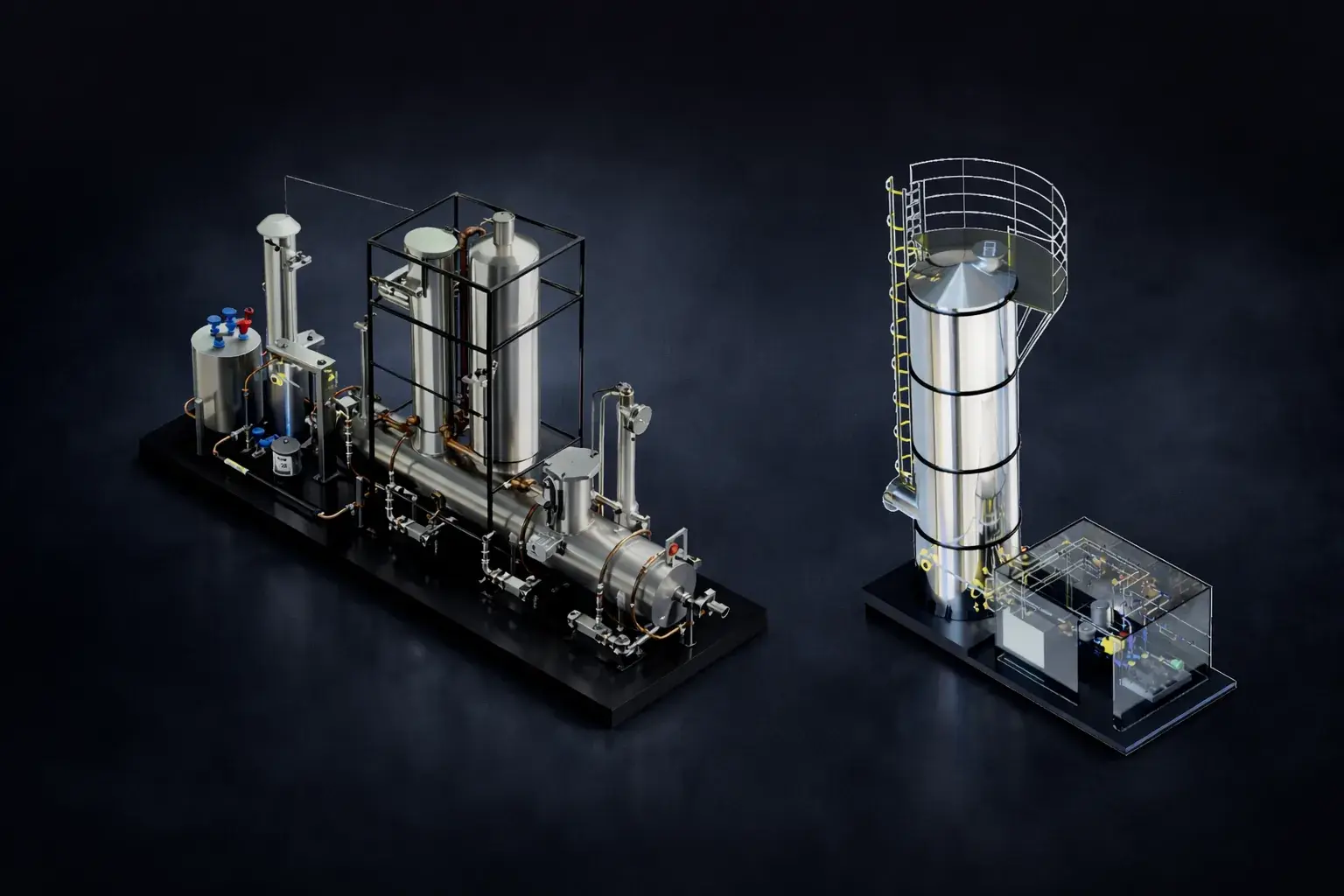
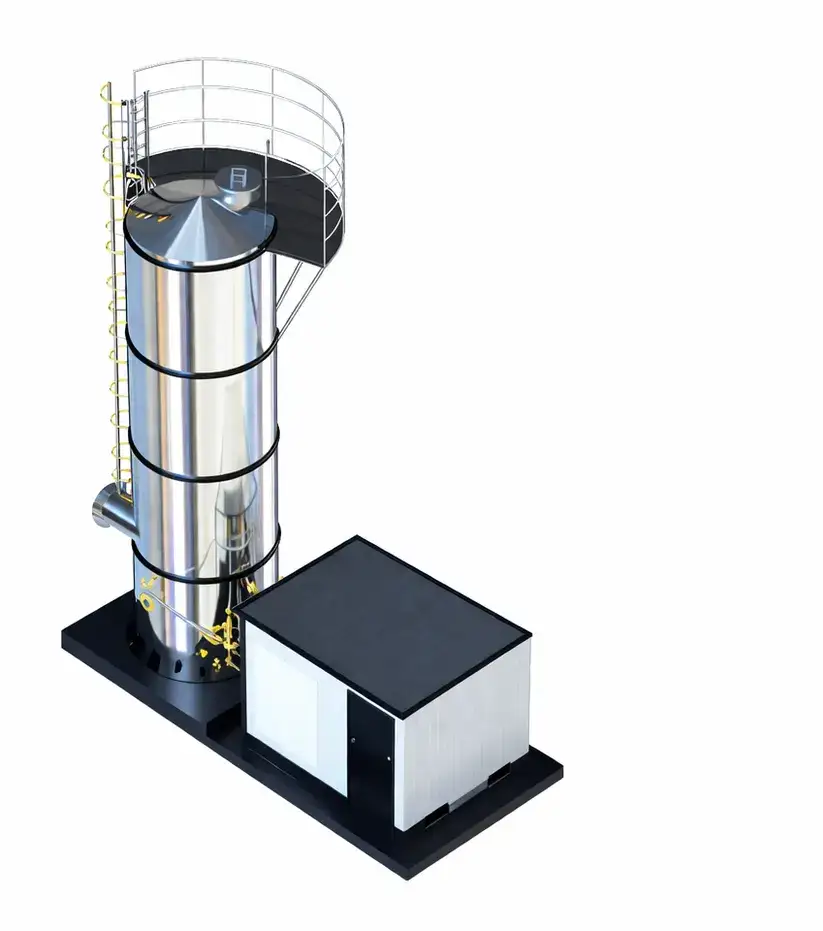
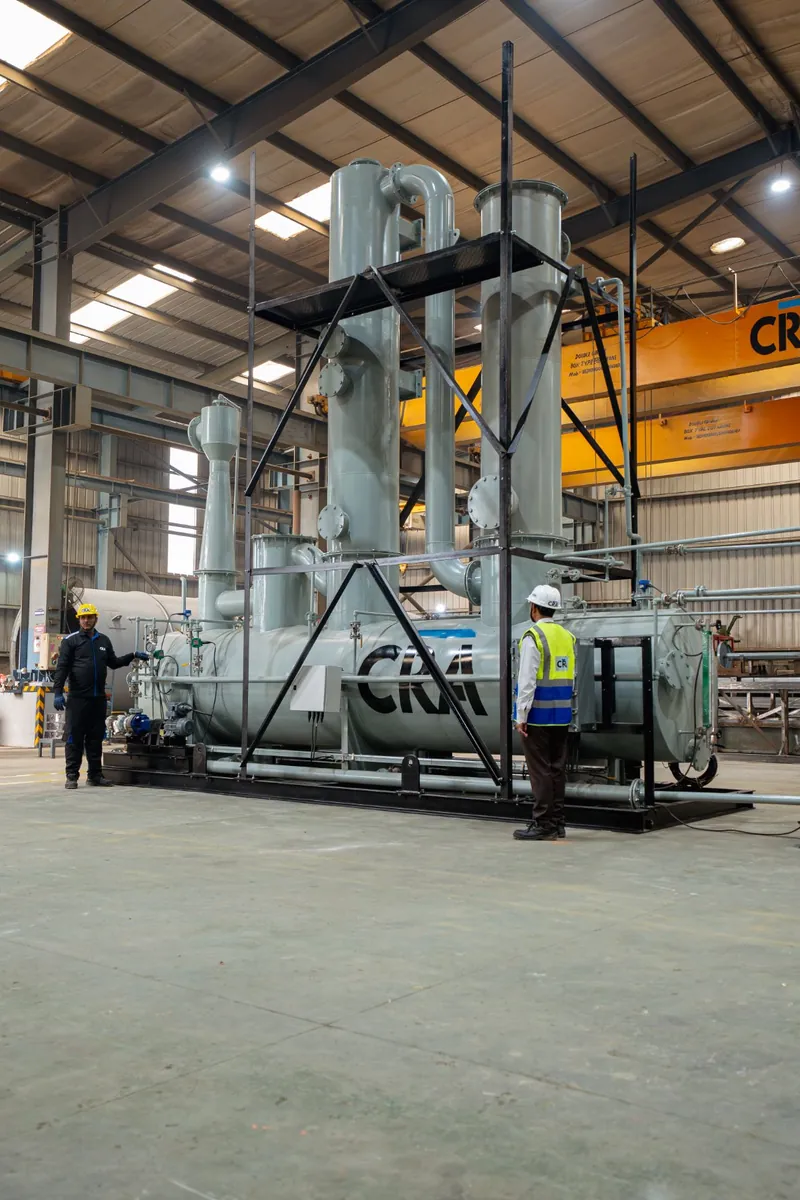
CRA’s Carbon Scrubbers provide final-stage purification of biogas and renewable natural gas (RNG), removing residual hydrogen sulphide (H₂S), odours, and trace contaminants to meet stringent gas quality requirements. By lowering H₂S and trace impurities, they protect gas engines, turbines, membrane systems, and catalytic units from corrosion, fouling, and performance loss, which supports longer equipment life and reliable operation. Available as a single vessel or a lead and lag pair, these systems use impregnated or non-impregnated activated carbon media selected based on biogas composition, moisture, and contaminant profile for consistent, long-term performance.
Outlet H₂S after Polishing
Below 5 ppm
Also Removes
Siloxanes and VOCs
Arrangement
Single vessel or lead and lag pair
Power and Chemical Dosing
None
What is a Carbon Scrubber?
An activated carbon dry scrubber is a final-stage polishing unit that adsorbs residual hydrogen sulphide and trace organic contaminants from biogas, bringing gas quality to the strict ppm levels required by engines, membranes, and gas grid operators.
How it works
Biogas passes through a bed of activated carbon, where residual H₂S and trace compounds adsorb onto the carbon surface before the gas continues downstream.
Upstream pre-filtration removes entrained moisture and aerosols before the gas reaches the carbon bed, protecting carbon service life.
Biogas flows through a bed of activated carbon impregnated with potassium iodide or potassium hydroxide, where H₂S and trace compounds adsorb onto the surface at a capacity well above standard, untreated carbon.
In dual-vessel systems, one vessel stays online while the other undergoes media replacement, keeping gas delivery continuous.
Key Benefits
Removes residual H₂S and odorous compounds from biogas streams
Prevents corrosion and abrasive wear in CHP engines, turbines, compressors, and membrane skids
Optimised vessel design and media selection give consistent flow with minimal resistance
Pre-filtration and drainage options maintain carbon efficiency in high-humidity or water-saturated gas
The unit runs without chemical storage and produces no secondary pollution
Projects That Push Boundaries
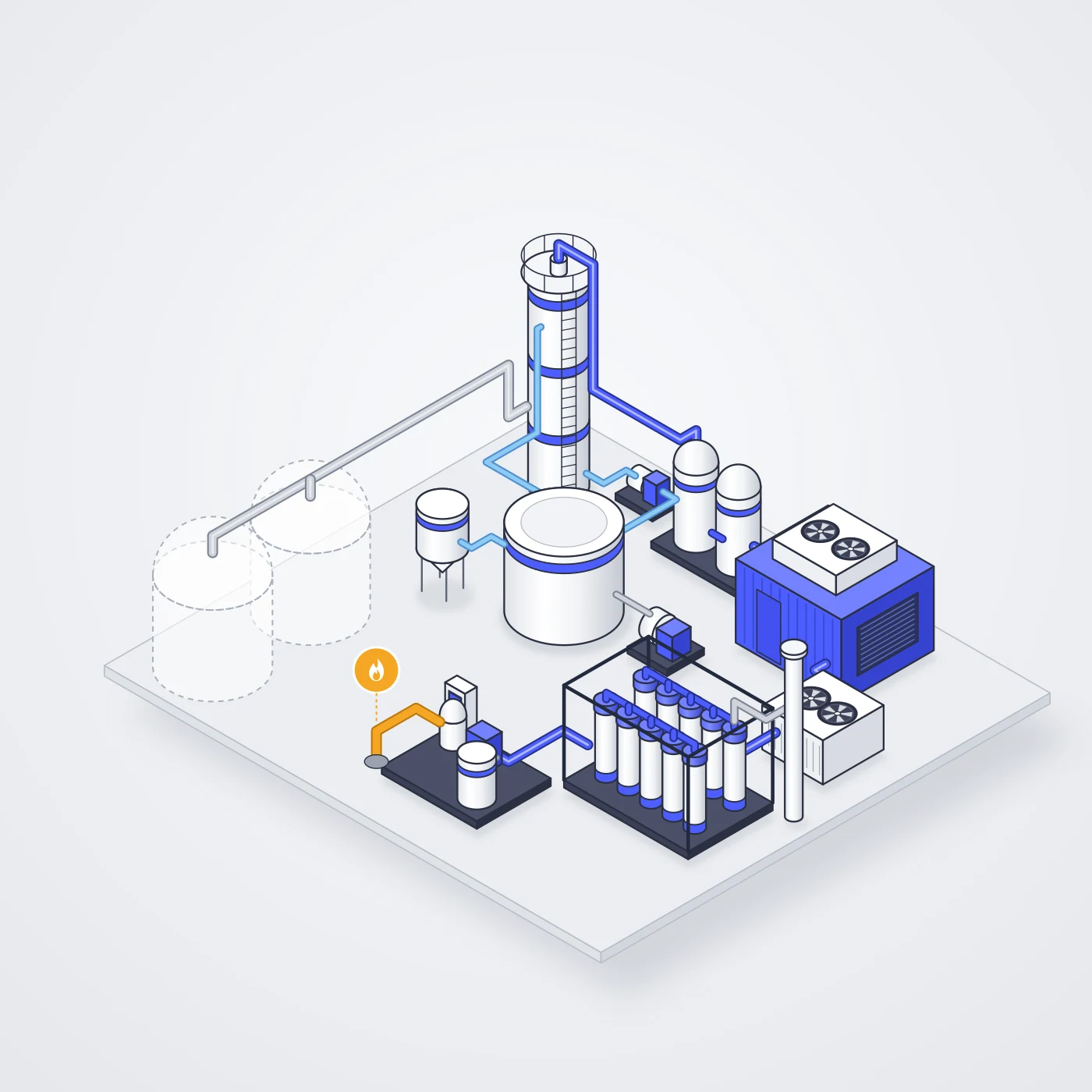
The system covers everything from the STP's digesters to the city gas grid, including bio-regenerative H₂S scrubbing, compression, membrane upgrading, metering and odorisation.
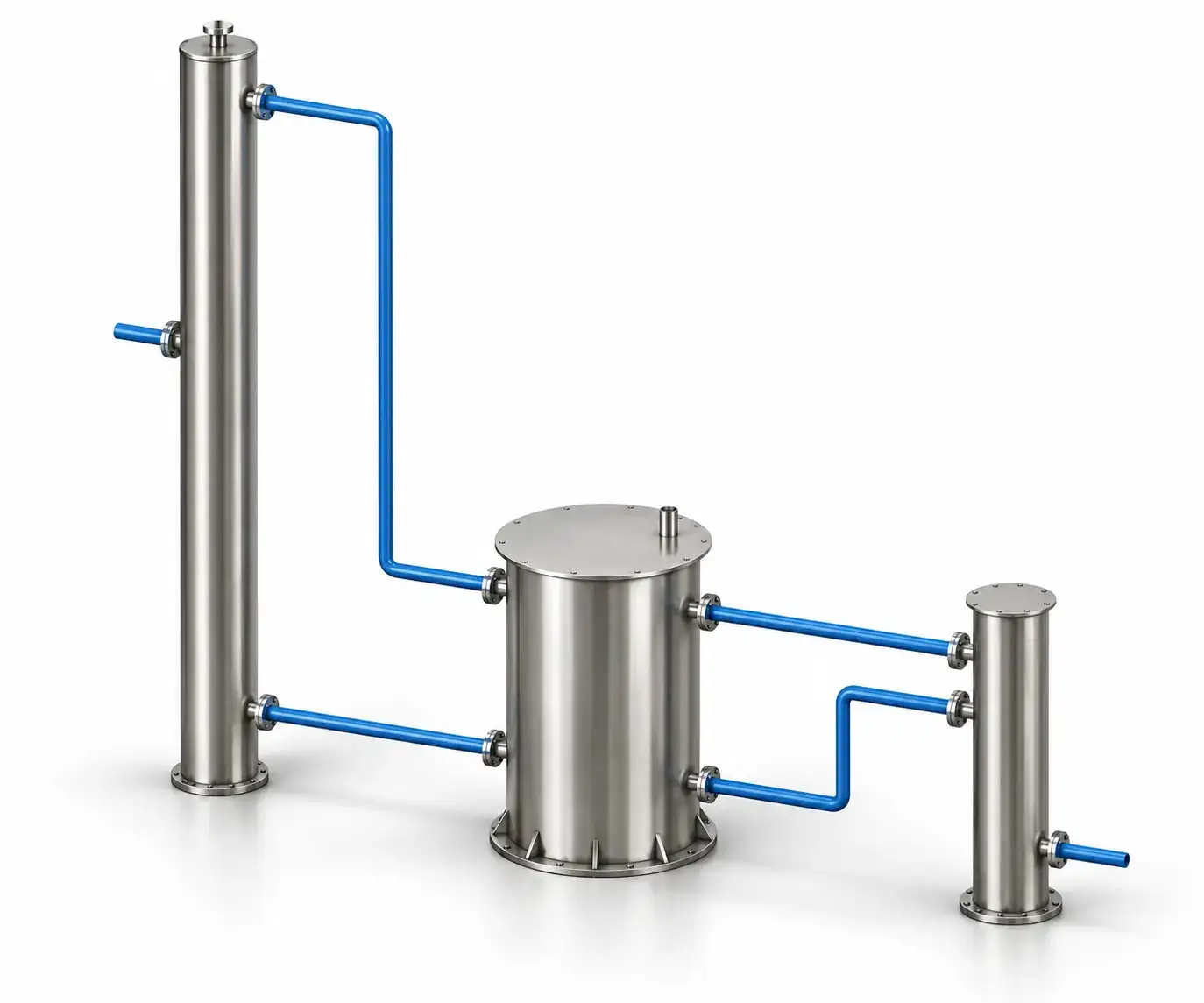
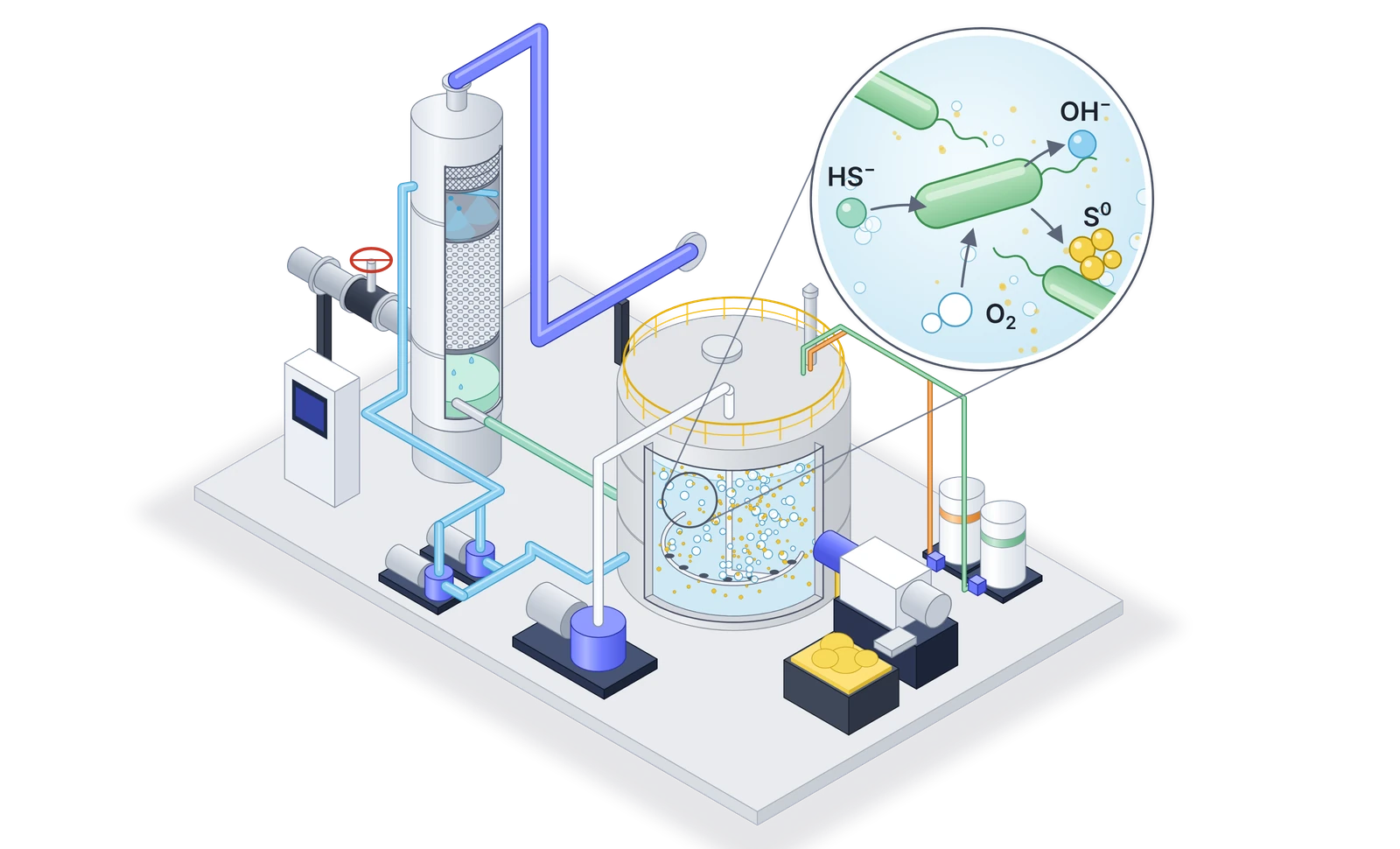
Chemical scrubber with biological regeneration and activated-media polishing, designed to hold outlet H2S below 200 ppm.
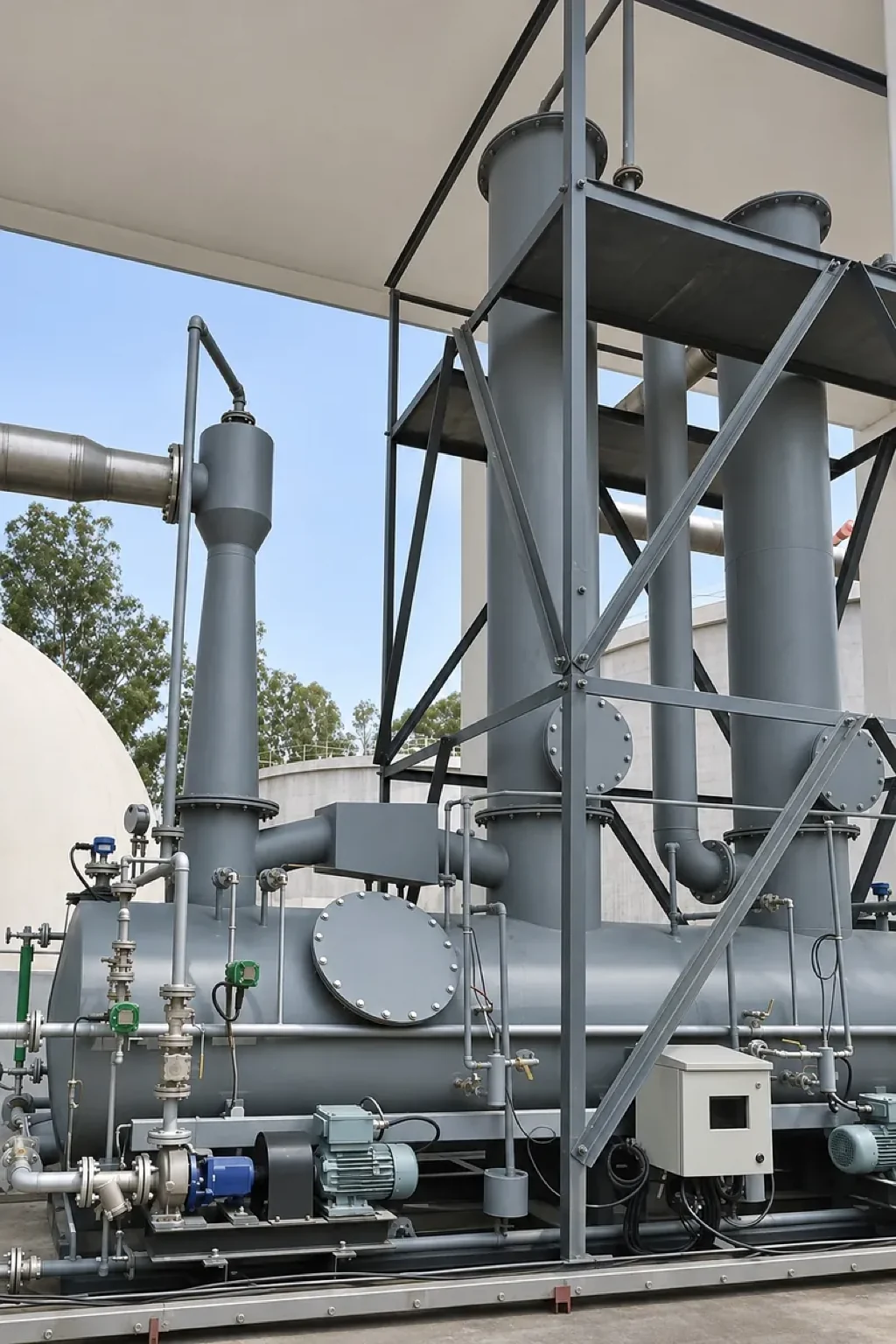
Complete gas conditioning train transforming raw digester gas into clean, usable fuel for a city utility.
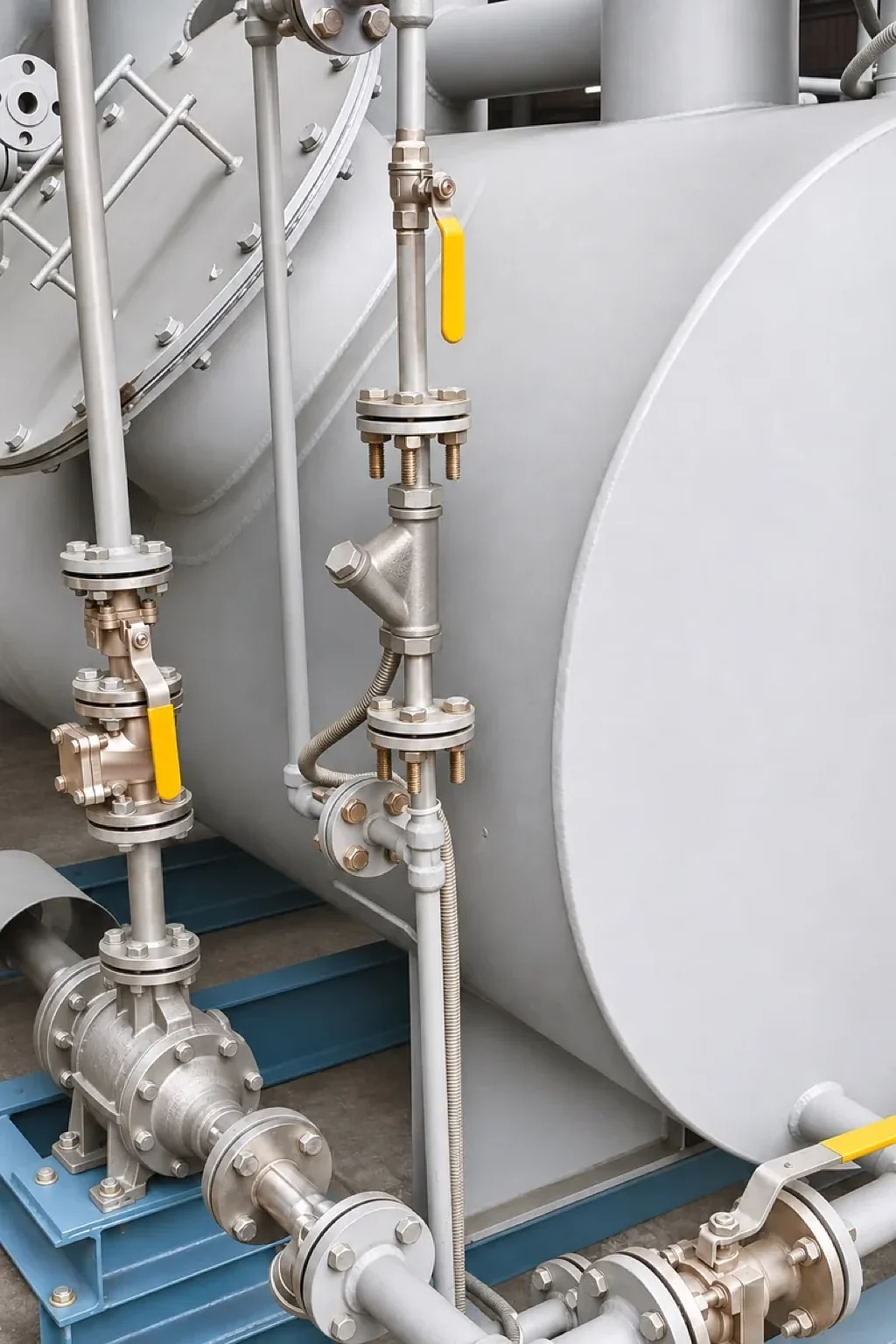
Removes H2S and acidic contaminants for safe, reliable biogas use in municipal infrastructure.
The CRA Edge
Decades of gas treatment experience with 100+ chemical scrubbers installed around the world for diverse applications
From modelling to fabrication, CRA delivers complete engineered systems with fans, pumps, dosing, and automation
CRA provides a suite of tailored, complementary products designed to meet all your biogas needs
Engineered for clean gas quality, odour control, and protection of downstream equipment
Applications
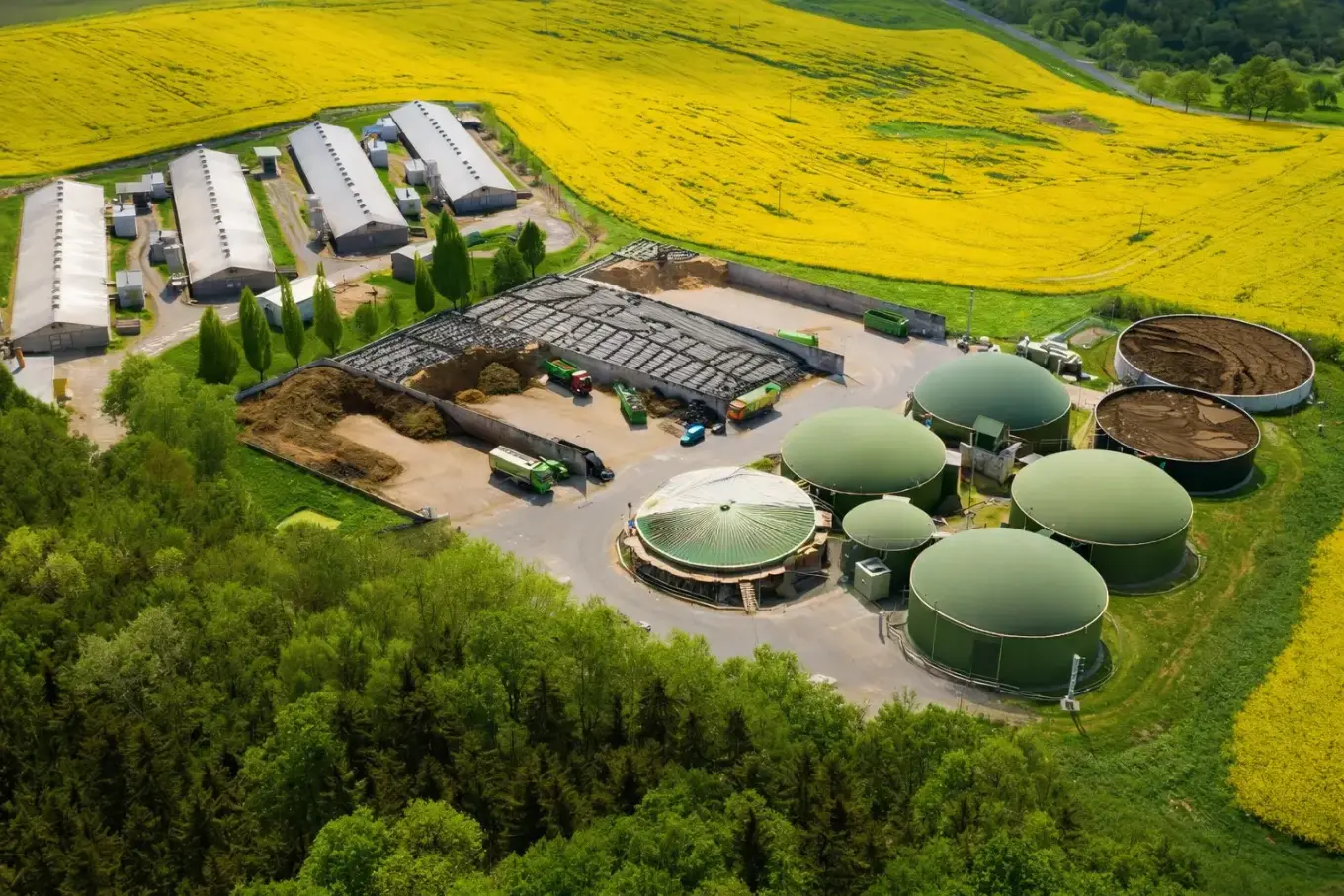

Built to help you specify.
Sizing tools, decision guides, and technical references. Use them before, during, and after your evaluation.





Frequently Asked Questions
How does activated carbon H2S removal work and how long does the media last?
Activated carbon removes H₂S by adsorbing it on the carbon surface and oxidising it to elemental sulphur, which stays on the media until the bed is replaced. Media life depends on the sulphur loading, and the carbon grades CRA uses hold 10 to 30% sulphur by weight before breakthrough. As an example, at 100 Nm³/h and 10 ppm inlet, typical media life is 6 to 12 months, falling to 1 to 3 months at 100 ppm inlet. For this reason CRA applies activated carbon as a polishing stage after a primary scrubber, which extends media life and keeps operating cost down.
When is an activated carbon dry scrubber the right choice for biogas?
An activated carbon dry scrubber is the right choice for final polishing where very low outlet H₂S is required without chemicals or water, for siloxane removal, for small to medium flows and for backup behind a primary scrubber. The dry process needs no reagent storage or liquid handling and produces no wastewater. Its limits are media replacement, operating cost that scales with the sulphur load, and unsuitability on its own for inlet H₂S above 100 ppm. CRA places it after a wet scrubber designed for about 100 ppm outlet, so the carbon bed handles only the residual H₂S and polishes it to below 5 ppm.
Which activated carbon grade is used for biogas H2S polishing?
CRA sizes and supplies impregnated activated carbon media in potassium iodide or potassium hydroxide grades, selected against the biogas composition, moisture content and contaminant profile. Impregnated grades carry a higher H₂S capacity than plain carbon because the impregnant promotes oxidation of H₂S to sulphur on the surface. Non-impregnated carbon is used where the target is siloxanes, odorous VOCs or trace organics instead of H₂S. Moisture matters, so pre-filtration and drainage are provided to keep the carbon effective on water-saturated gas. The media choice is made for each application and set against the expected media life.
What is the difference between single-vessel and dual-vessel carbon scrubbers?
A single-vessel carbon scrubber has one bed, so gas flow must be stopped or bypassed when the media is replaced, which suits plants with a planned shutdown window or a backup route. A dual-vessel arrangement runs two beds in series or in parallel, so one bed can be changed while the other keeps treating gas and the outlet stays within specification during the changeover. The second bed in series also catches breakthrough from the first, which allows the lead bed to be used to full capacity. CRA offers both configurations and selects on flow, inlet H₂S, the required availability and the cost of media changeouts.
Why use activated carbon as a polishing stage after a wet scrubber instead of on its own?
Activated carbon is used as a polishing stage because its media is consumed in proportion to the sulphur it captures, so running it on high inlet H₂S alone uses up the bed quickly and makes operating cost high. A wet scrubber ahead of it, the biological scrubber for gas-engine duty or the chemical scrubber with biological regeneration for CBG duty, removes the bulk of the H₂S and is designed for about 100 ppm outlet. The carbon bed then handles only the residual load, brings outlet H₂S below 5 ppm and protects engines, membranes and catalysts from the trace H₂S that remains. CRA supplies both stages as one package.