
Gas Dehumidifier
Reliable, Efficient, and Compact Biogas Dehumidification for Power & Process Applications

.svg)
Dew point control for clean, dry gas delivery
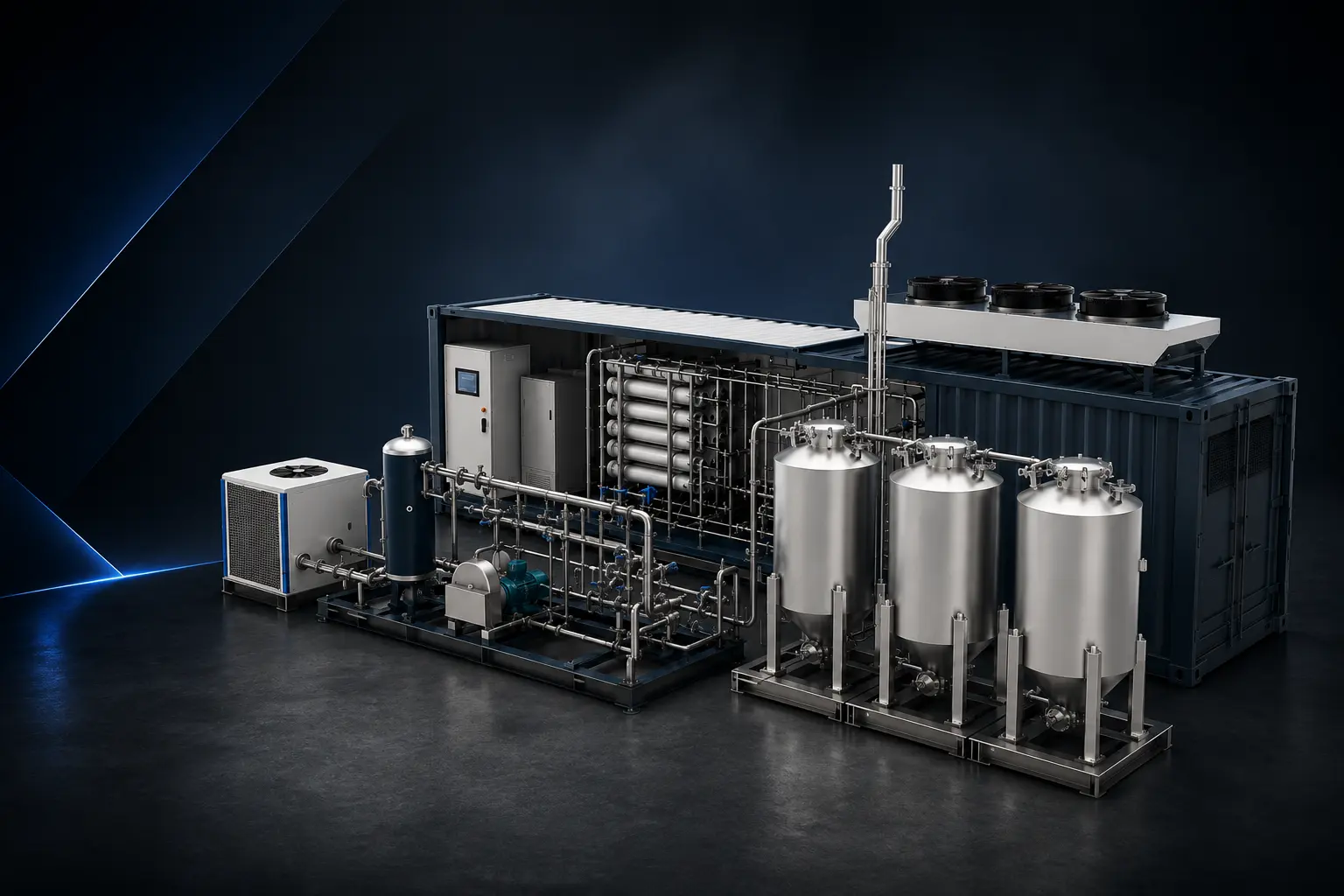
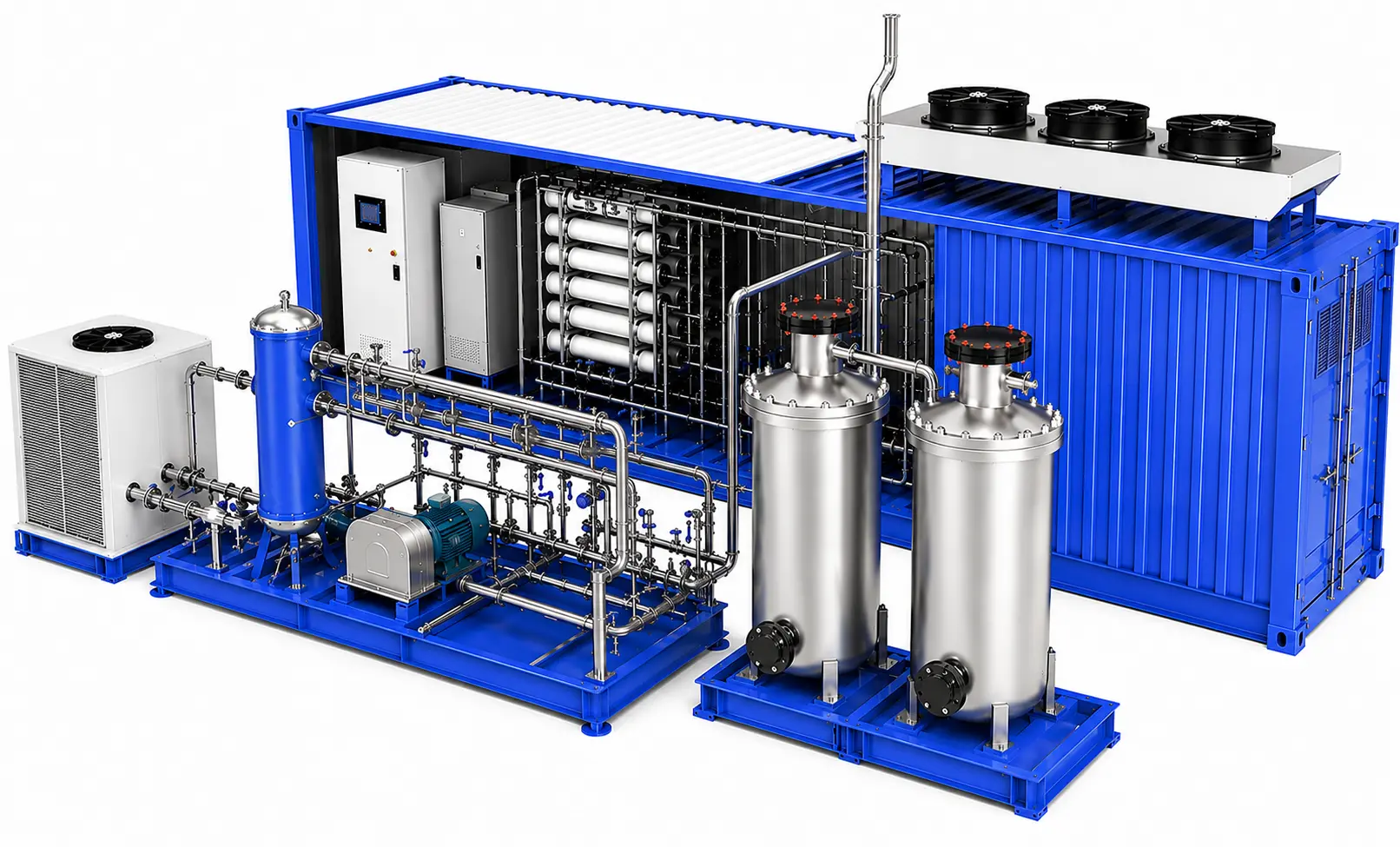
CRA’s Biogas Dehumidifier ensures clean, dry biogas by removing excess moisture before it reaches engines, boilers, or other critical equipment. Designed as a skid-mounted solution with integrated cooling, separation, and drainage, it protects against corrosion, enhances combustion efficiency, and extends the life of downstream systems. Compact and robust, it guarantees consistent gas quality for power generation and industrial use.
Outlet Dew Point
Down to −20°C
Process
Refrigeration-based cooling
Condensate Removal
Automatic
Configuration
Skid-mounted
What is a Gas Dehumidifier?
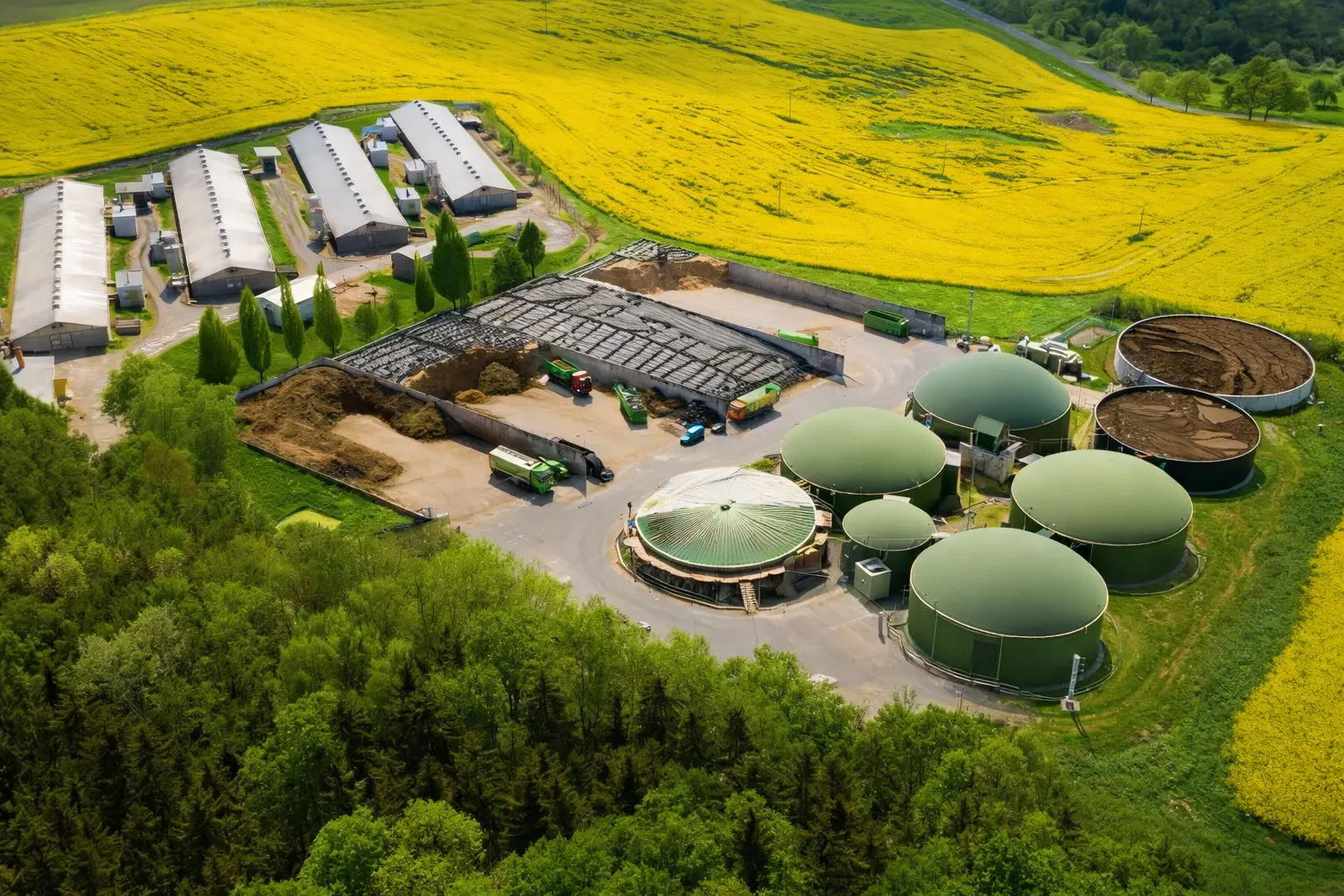
A biogas dehumidifier lowers the moisture content of raw or partially treated biogas by cooling the gas stream below its dew point, causing water vapour to condense and drain away before the gas reaches compressors, upgrading systems, or combustion equipment.
How it works
Biogas cools below its dew point inside a refrigerated heat exchanger, causing water vapour to condense out before the gas continues downstream.
Biogas enters a refrigeration-cooled heat exchanger, where its temperature drops below the dew point.
Condensed water separates out in an integrated knock-out vessel.
An automatic drain discharges the condensate, and dry gas exits at a consistent, controlled dew point.
Key Benefits
All components skid-mounted for easy installation, transport, and plug-and-play operation
Removes moisture to prevent corrosion, wear, and costly downtime in engines and boilers
Delivers drier gas that burns cleaner, ensuring stable and efficient power generation
Engineered with rugged design and advanced controls for landfill, AD, and utility conditions
Automatic drainage, durable materials, and simple operation minimize service needs
Projects That Push Boundaries
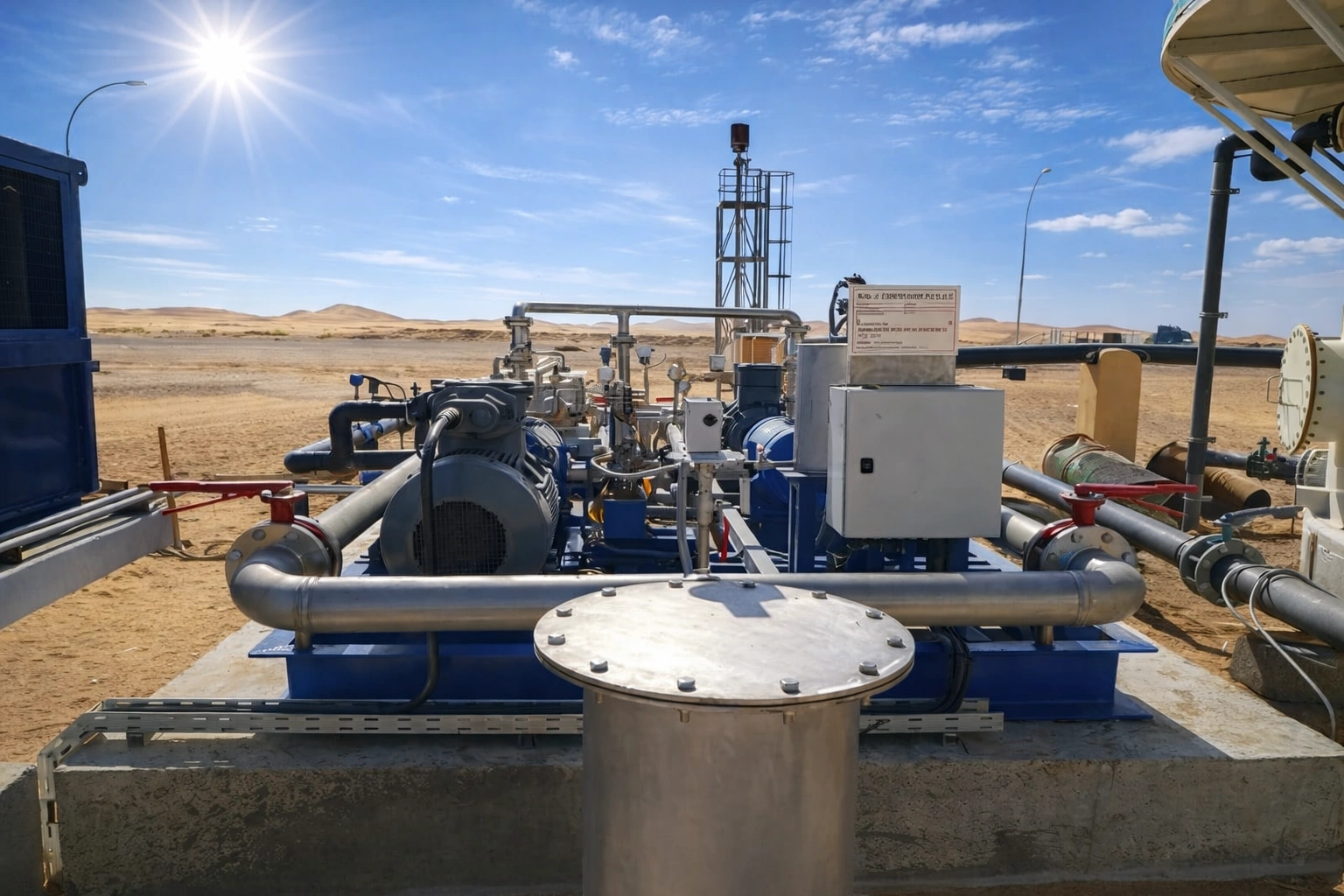
Prevents corrosion and combustion instability in biogas systems exposed to desert heat.
The CRA Edge
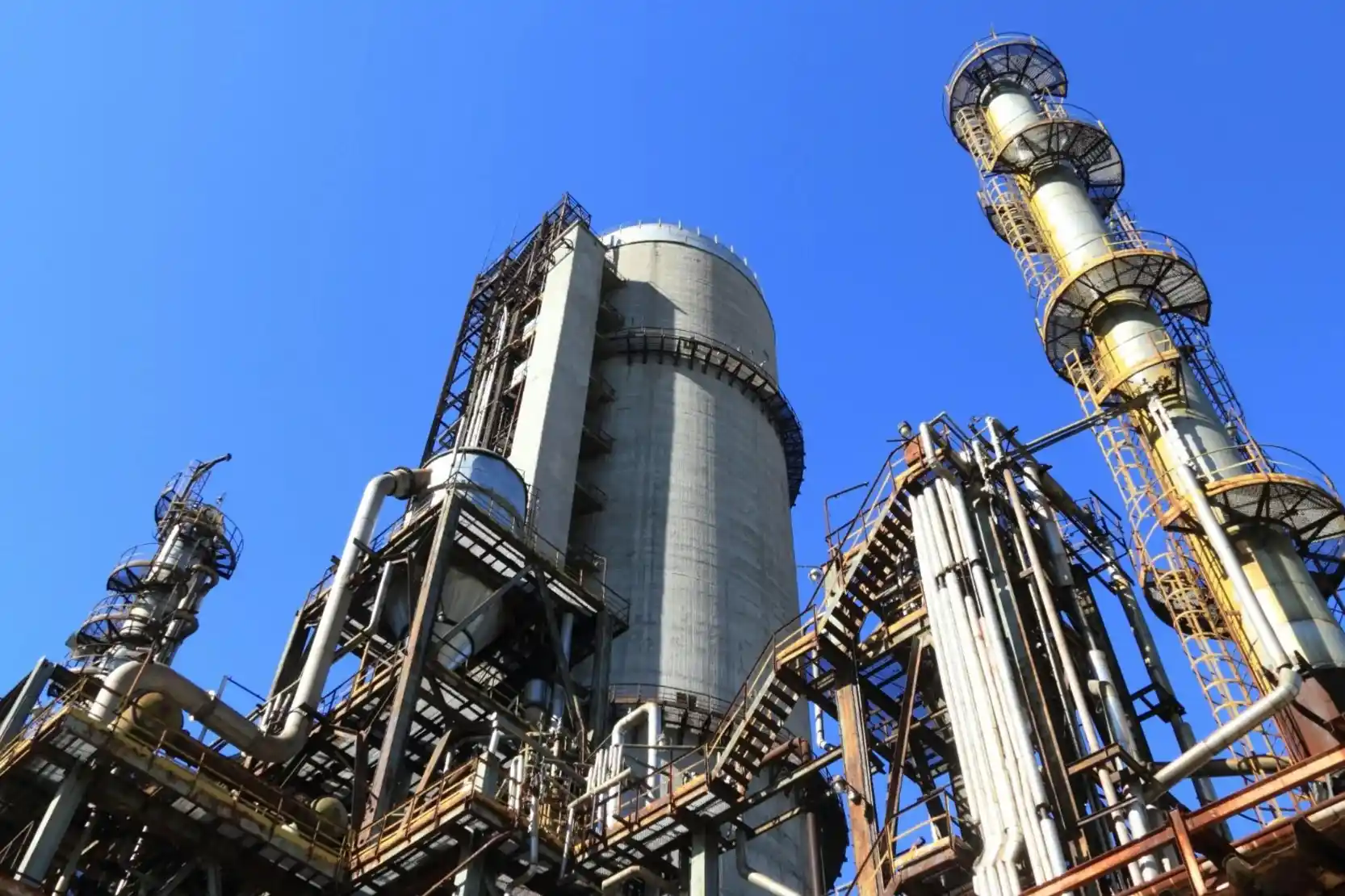
30+ years of gas processing experience with reliable project delivery
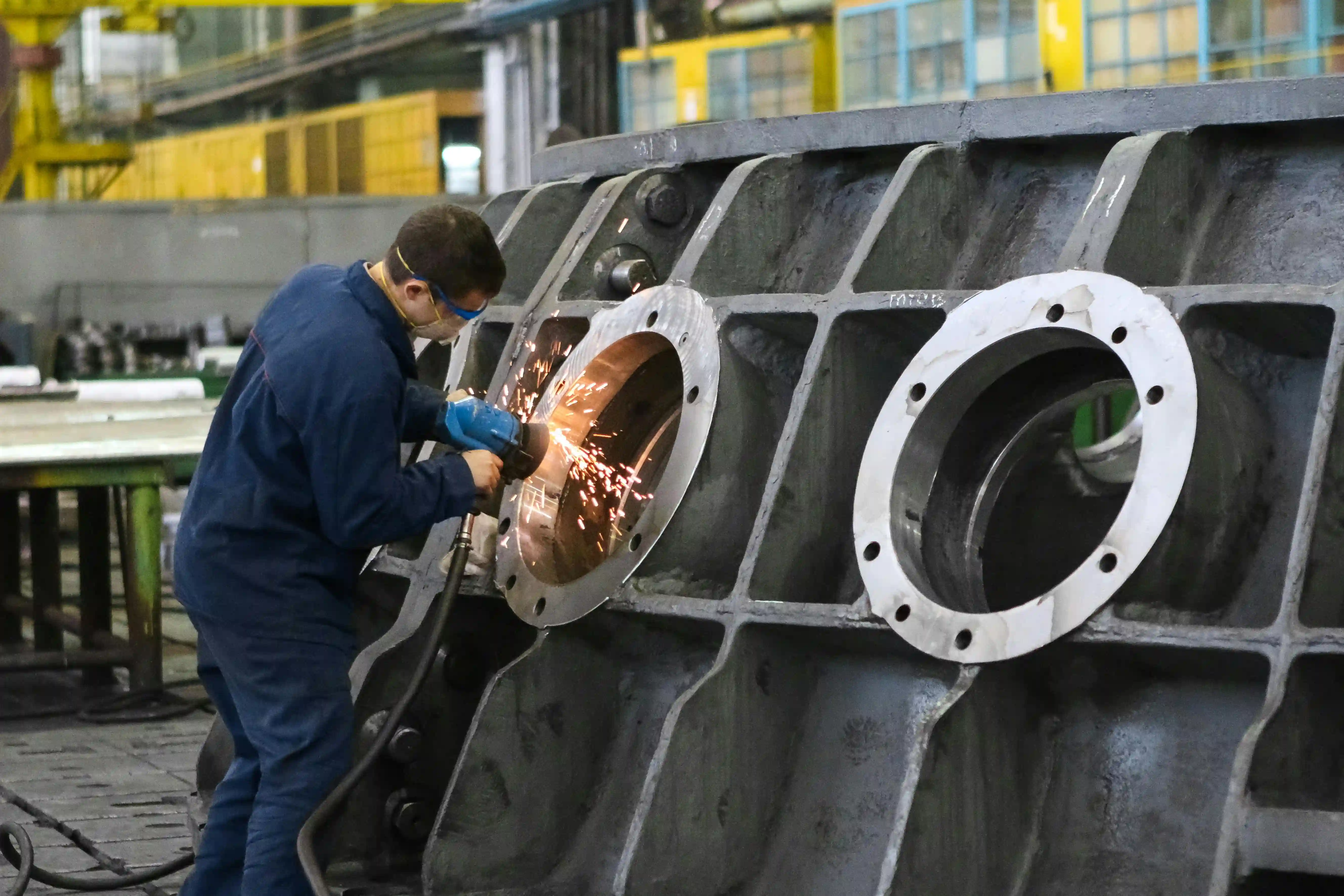
End-to-end design, R&D, and manufacturing under one roof for speed and quality
ISO 9001, ASME Standards, API, and CE
Customized designs meet your exact process needs and strictest regulations
Applications
.webp)

Built to help you specify.
Sizing tools, decision guides, and technical references. Use them before, during, and after your evaluation.

Frequently Asked Questions
When is a Gas Dehumidifier necessary for biogas systems?
Necessary to prevent moisture condensation, corrosion, and equipment damage in biogas systems. Required for: Engine/turbine protection | Compressor inlet | Pipeline injection | CNG dispensing | Instrument protection Typical dewpoint: -20 to -40°C achievable
How does biogas dehumidification work and what dewpoint can it achieve?
Cooling biogas below dewpoint condenses moisture for removal. Technologies: Refrigeration chiller (-5 to -20°C) | Desiccant drying (-40 to -70°C) | Membrane dehumidification CRA-manufactured systems: Compact design | Automated condensate drainage | Integrated with treatment train
What factors determine the right biogas treatment system for my application?
Selection depends on gas composition (H₂S concentration, moisture, siloxanes), operating profile (flow, continuous vs. batch), end-use (power, grid injection >98% CH₄, Bio-CNG), and site constraints (footprint, power, chemicals, operators). CRA designs and manufactures integrated treatment optimizing 20+ year cost of ownership.
What is biogas and why does it require specialized treatment equipment?
Biogas is renewable fuel (50-70% CH₄, 30-50% CO₂) from anaerobic digestion. Raw biogas contains H₂S, moisture, siloxanes, ammonia, VOCs requiring removal. Problems without treatment: H₂S corrosion | Moisture blockages | Siloxane catalyst poisoning | Odor violations | Safety hazards Treatment protects equipment, enables safe use, achieves compliance, unlocks value for power/Bio-CNG/RNG.
Why does dew point control matter before biogas reaches a compressor or membrane?
Liquid carry-over is one of the most common causes of premature compressor valve wear and membrane fouling, and standard ambient cooling rarely holds dew point low enough to prevent it. The biogas dehumidifiers CRA manufactures use refrigeration-based cooling to bring outlet dew point down to −20°C, with condensate removed automatically through an integrated knock-out vessel and drain. The full unit, refrigeration package, heat exchanger, separator, and drain, is assembled and tested as a single skid before site delivery, so it installs directly ahead of compression or membrane stages without separate civil work.