
Purge Reduction Seal (PRS)
Optimized Flare Purging with Engineered Purge Reduction Seals
.svg)
Reduces purge gas demand while preventing air ingress into the flare stack
CRA’s Purge Reduction Seals are engineered to prevent atmospheric air infiltration into flare stacks during low or no process flow conditions. Installed at or below the flare tip, these devices reduce the purge gas velocity required to maintain safe oxygen concentrations inside the flare. Available in velocity and molecular seal configurations, CRA solutions improve flare safety, reduce operating costs, and extend flare tip life while maintaining compliance with industry standards.
Function
Purge gas reduction
Configurations
Velocity or molecular seal
Moving Parts
None (passive)
Benefit
Extended flare tip life
What is a Purge Reduction Seal?
A purge reduction seal is a passive device installed at or below the flare tip that limits atmospheric air infiltration into the flare stack during low-flow or no-flow conditions, reducing the continuous purge gas volume required to keep oxygen concentration inside the stack below flammable limits.
How it works
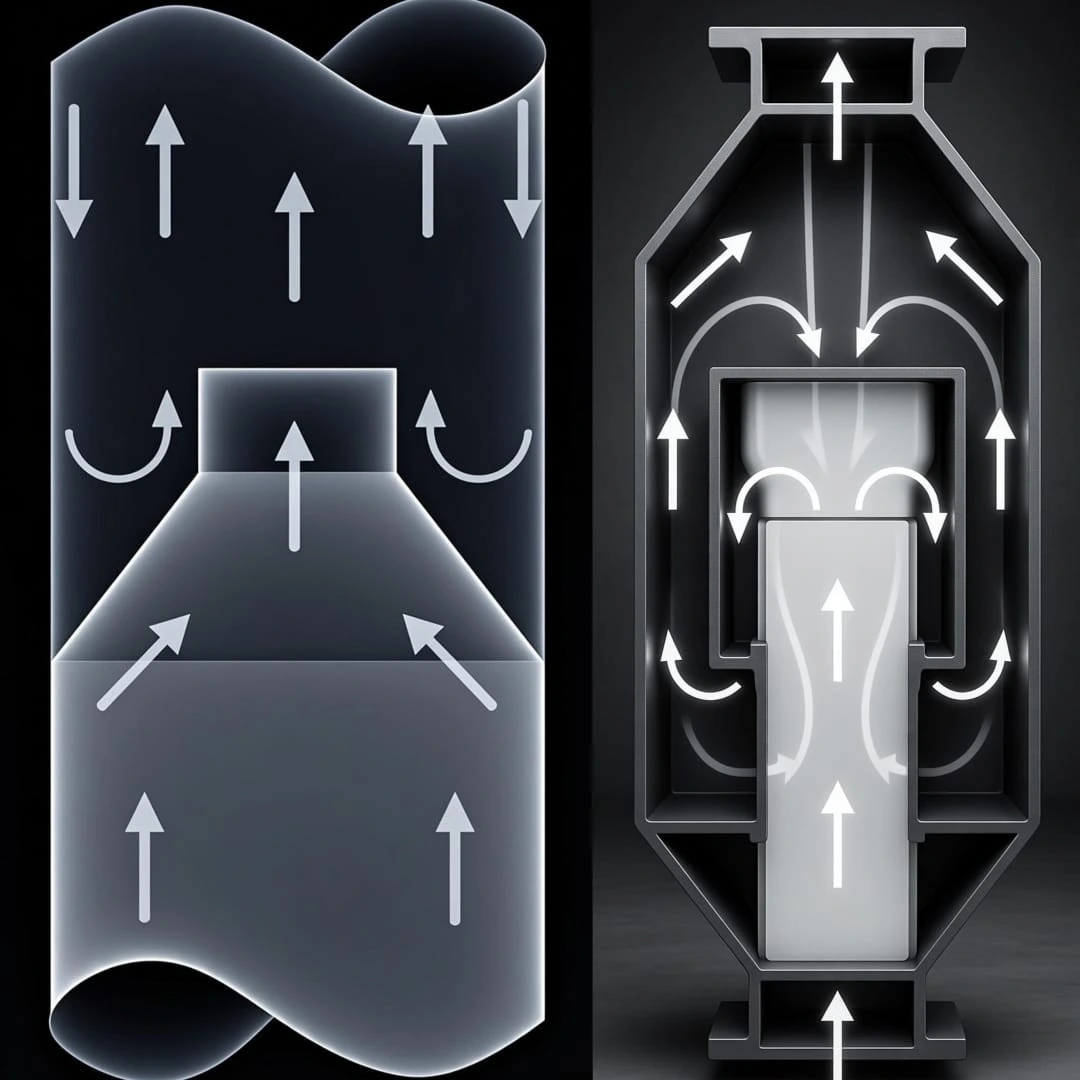
A purge reduction seal blocks downward air diffusion into the flare stack using either a velocity or molecular seal configuration, both of which work without moving parts.
Internal baffle geometry creates a flow path that resists the back-diffusion of air into the stack.
The density difference between purge gas and air maintains a stable barrier layer at the seal location.
Either configuration is sized to the stack diameter and purge gas composition of the specific installation.
Reducing the required purge rate also reduces internal burning and burn-back at the tip, extending flare tip service life.
Key Benefits
Lowers continuous purge gas demand while maintaining safe oxygen levels in the flare stack.
Minimizes air ingress and reduces the formation of flammable gas–air mixtures.
Significant long-term savings through reduced purge gas usage.
Reliable operation without active controls or maintenance-intensive components.
Reduces internal burning and burn-back, improving flare tip service life.
The CRA Edge
Deep experience in flare safety, combustion, and ancillary systems.
Velocity or molecular seals selected based on flare size and duty.
Designed in alignment with API 521 and accepted industry practices.
Compatible with CRA and third-party flare systems.
Applications
.webp)





Frequently Asked Questions
What does a purge reduction seal do?
A purge reduction seal reduces the amount of purge gas needed to keep atmospheric air out of a flare stack during low or no-flow conditions, lowering the purge gas velocity required to maintain safe oxygen concentration inside the stack. It's installed at or below the flare tip specifically to address this air-ingress risk.
What's the difference between a velocity seal and a molecular seal?
CRA offers purge reduction seals in both velocity and molecular seal configurations, selected based on the flare's size and duty; a velocity seal relies on gas flow rate to resist back-diffusion of air, while a molecular seal uses a lighter purge gas layer to physically block air from migrating up the stack. The right choice depends on flare diameter, turndown, and how much purge gas reduction the site needs.
How much can a purge reduction seal actually save on purge gas costs?
CRA's purge reduction seals lower continuous purge gas demand while still maintaining safe oxygen levels in the stack, which translates into a meaningful reduction in ongoing purge gas cost over the life of the flare; the specific savings depend on the flare's baseline purge rate and gas cost, which CRA calculates per site. The passive, no-moving-parts design means these savings come without adding active controls to maintain.
Does a purge reduction seal extend flare tip life?
Yes. By reducing air ingress and the resulting risk of internal burning or burn-back at the tip, a purge reduction seal reduces wear mechanisms that would otherwise shorten flare tip service life. This makes it a common retrofit onto an existing flare tip rather than only a new-build specification.
What standards guide purge reduction seal design?
CRA designs purge reduction seals in alignment with API 521 and accepted flare safety practices for maintaining oxygen concentration below flammability limits inside the stack. Seals are engineered for compatibility with existing CRA and third-party flare tips for retrofit applications.