
Water Seal
Reliable Flashback Prevention and Pressure Isolation with Engineered Water Seals

.svg)
Liquid barrier protection against flashback and backpressure
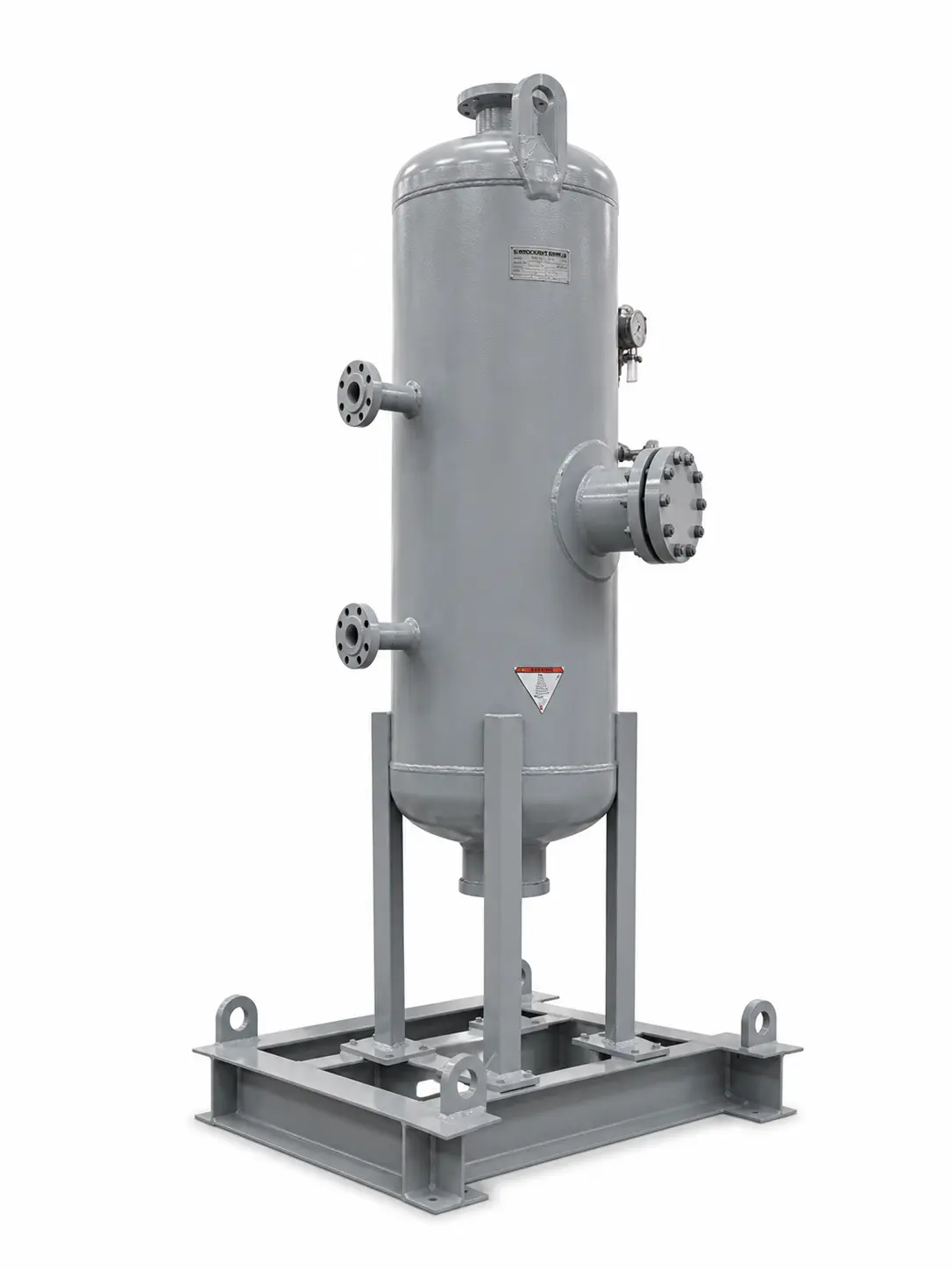
CRA Water Seals are engineered flare safety devices designed to prevent flame flashback and provide pressure isolation between the process header and flare stack. By maintaining a liquid barrier within the seal vessel, the system blocks flame propagation while allowing controlled gas flow to the flare. Designed for continuous industrial service, CRA water seals ensure safe flare operation during normal, upset, and emergency conditions.
Function
Flashback & pressure isolation
Moving Parts
None (passive)
Barrier
Liquid seal
Application
Flare header isolation
What is a Water Seal?
A water seal is a passive flare safety device that maintains a liquid barrier inside a seal vessel, blocking flame propagation from the flare stack back into process piping while allowing controlled gas flow through to the flare under normal and emergency conditions.
How it works
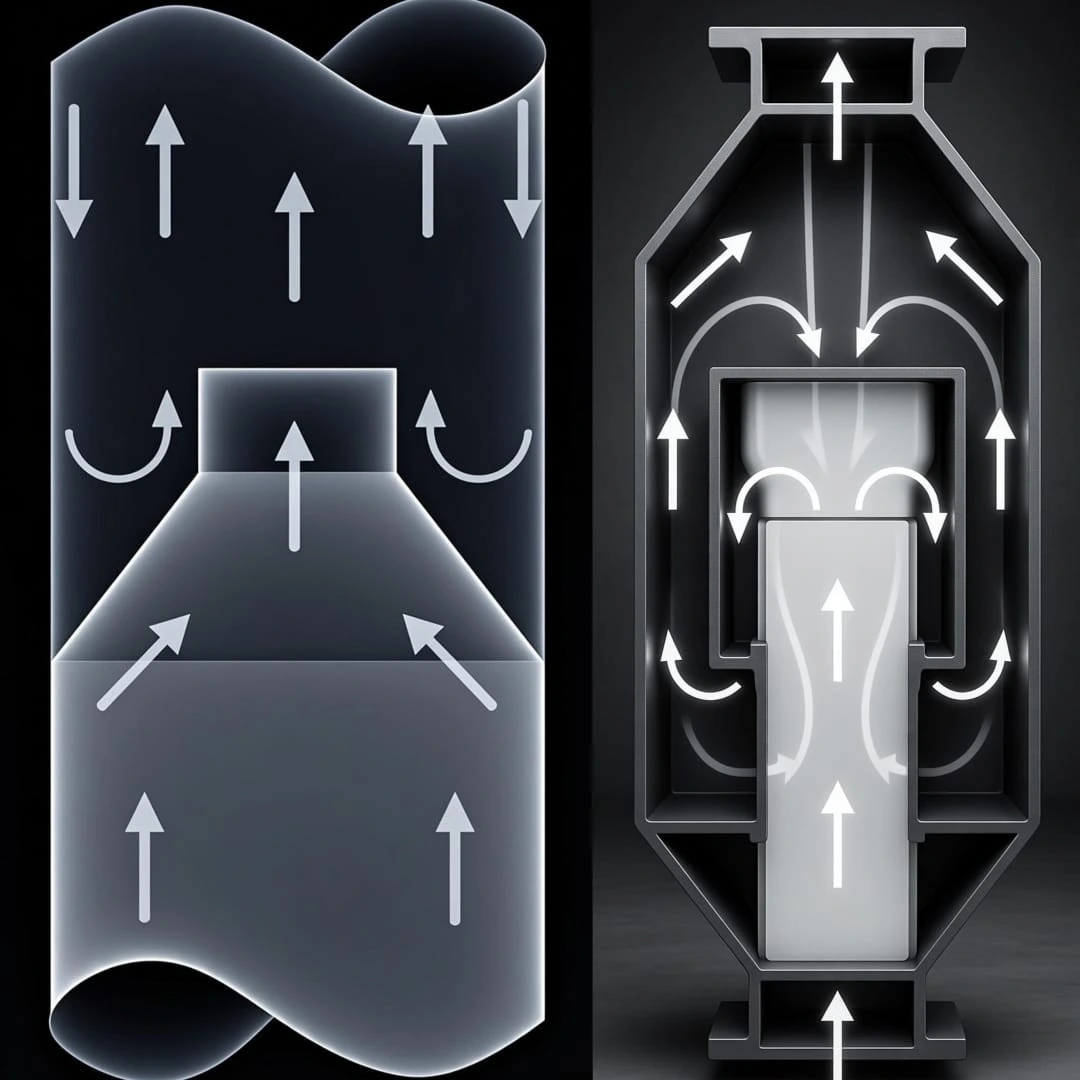
Relief gas enters through a dip pipe submerged below the liquid surface and bubbles up through the liquid layer, which physically blocks any flame from travelling back from the flare stack.
Relief gas enters the seal vessel through a dip pipe submerged below the liquid surface.
Gas bubbles up through the liquid layer before continuing on to the flare.
The liquid column physically blocks any flame from the flare stack travelling back through the gas, while also isolating the upstream header from flare backpressure fluctuations.
Dip-tube submergence depth and seal liquid level are sized to the design flow rate and required backpressure margin.
Key Benefits
Liquid seal barrier prevents flame propagation from the flare stack into process piping.
Isolates upstream equipment from flare backpressure and pressure fluctuations.
Operates without moving parts, ensuring reliable performance with minimal maintenance.
Maintains safe system separation during normal and emergency flare conditions.
Designed for high-temperature, corrosive, and variable flare gas environments.
Projects That Push Boundaries

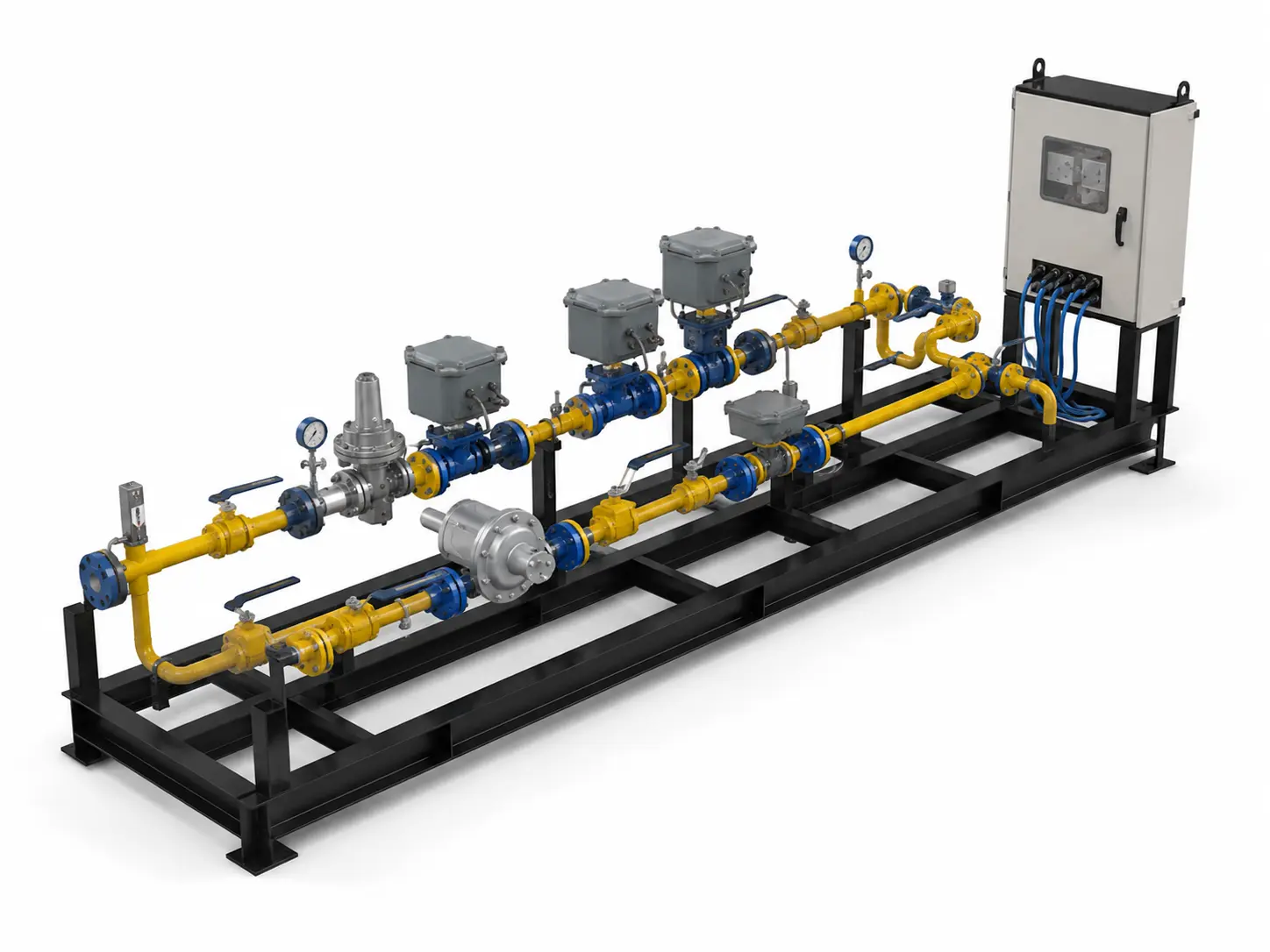
Complete gas conditioning train transforming raw digester gas into clean, usable fuel for a city utility.
The CRA Edge
Deep expertise in flare system safety and protection devices.
Hydraulically sized water seals matched to flare system duty.
Designed in line with accepted flare safety practices.
Compatible with CRA and third-party flare systems.
Applications
.webp)

Frequently Asked Questions
What does a water seal do in a flare system?
A water seal is a flare safety device that uses a liquid barrier inside a seal vessel to block flame propagation from the flare stack back into process piping, while still allowing controlled gas flow through to the flare. It also provides pressure isolation between the process header and the flare stack.
How does a water seal prevent flashback without moving parts?
The liquid level inside the seal vessel physically blocks the flame path; gas bubbles up through the liquid to reach the flare side, but flame can't propagate back through the liquid barrier into the header. Because the barrier is passive, a properly maintained water seal keeps working through normal, upset, and emergency conditions without depending on an active control system.
How is a water seal sized for a specific flare header?
CRA hydraulically sizes each water seal to the flare system's specific duty, seal depth, and backpressure requirements rather than using a fixed vessel size across applications. Sizing is done in line with accepted flare safety practices for the expected relief flow and pressure conditions.
Where does a water seal fit relative to a knock-out drum?
A water seal is commonly integrated with a flare knock-out drum, providing flashback protection and pressure isolation while the knock-out drum handles liquid carryover removal, together forming a layered flare safety system rather than either device covering both functions alone. CRA designs both to be compatible with CRA and third-party flare systems.
What service conditions can a CRA water seal handle?
CRA water seals are engineered for high-temperature, corrosive, and variable flare gas environments, and are used for redundant flare safety protection, emergency and relief gas discharge, and pressure isolation between process units and the flare. Common applications include landfill and wastewater and chemical and petrochemical flare headers.