
Knock-out Drum
Liquid Seal Drums, Ultimate Flashback Prevention for Flare Safety
.svg)
Gravity-based liquid separation upstream of the flare tip
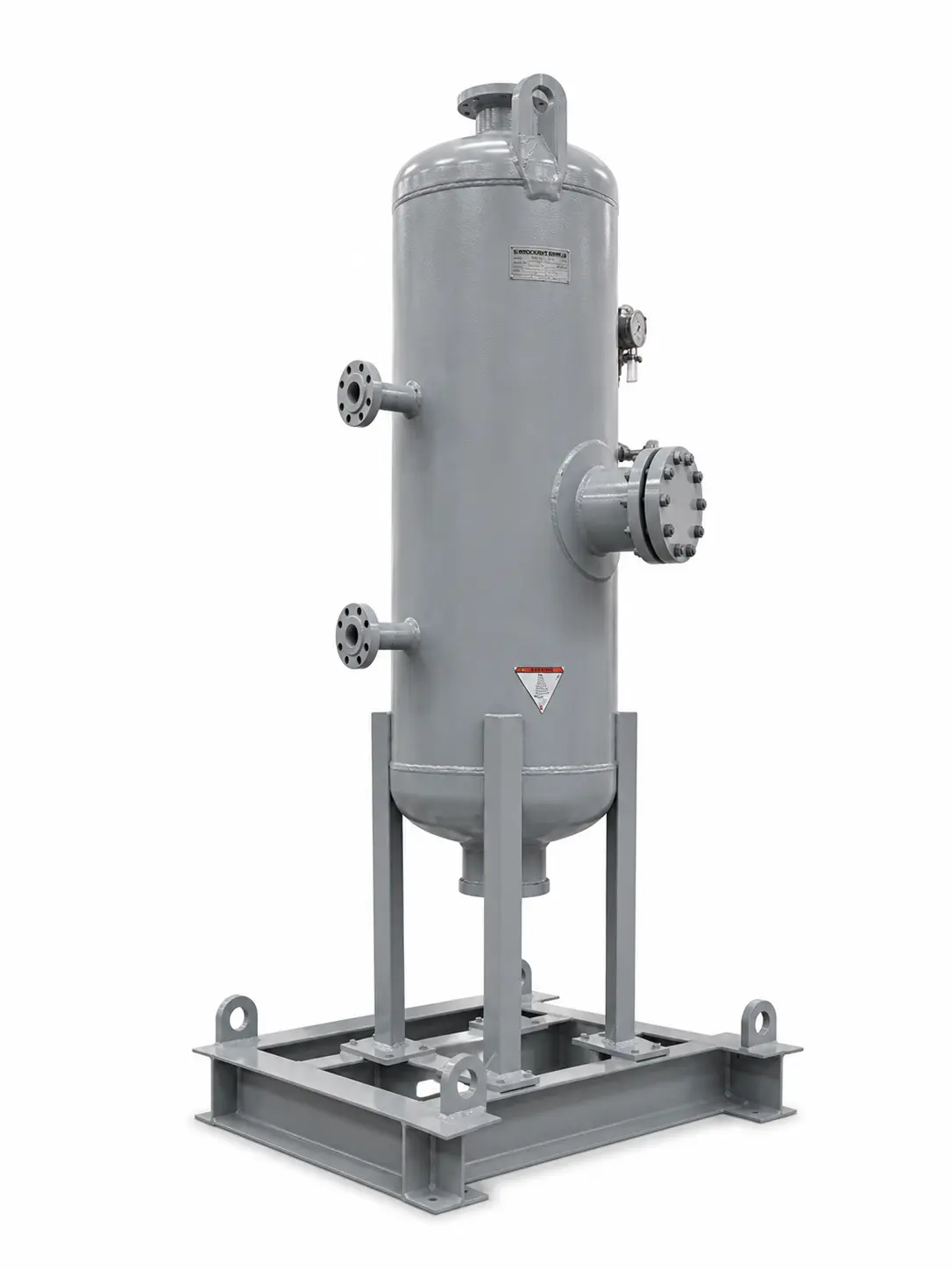
CRA’s Knock-out Drums are engineered to protect flare systems by efficiently separating and collecting entrained liquids—such as hydrocarbons, condensate, and water from relief gases before they reach the flare tip. Installed upstream of the flare stack, these vessels prevent liquid carryover, flame instability, and hazardous “flaming rain.” Designed for high vapor flow rates and harsh industrial service, CRA knock-out drums deliver reliable liquid handling, reduced system upsets, and long-term operational safety.
Function
Liquid-gas separation
Configuration
Horizontal or vertical
Application
Upstream of flare stack
Duty
Emergency relief & blowdown
What is a Knock-out Drum?
A knock-out drum is a pressure vessel installed upstream of the flare stack that separates entrained liquids, such as condensate, hydrocarbons, and water, from relief gas before it reaches the flare tip, preventing liquid carryover, flame instability, and flaming rain.
How it works
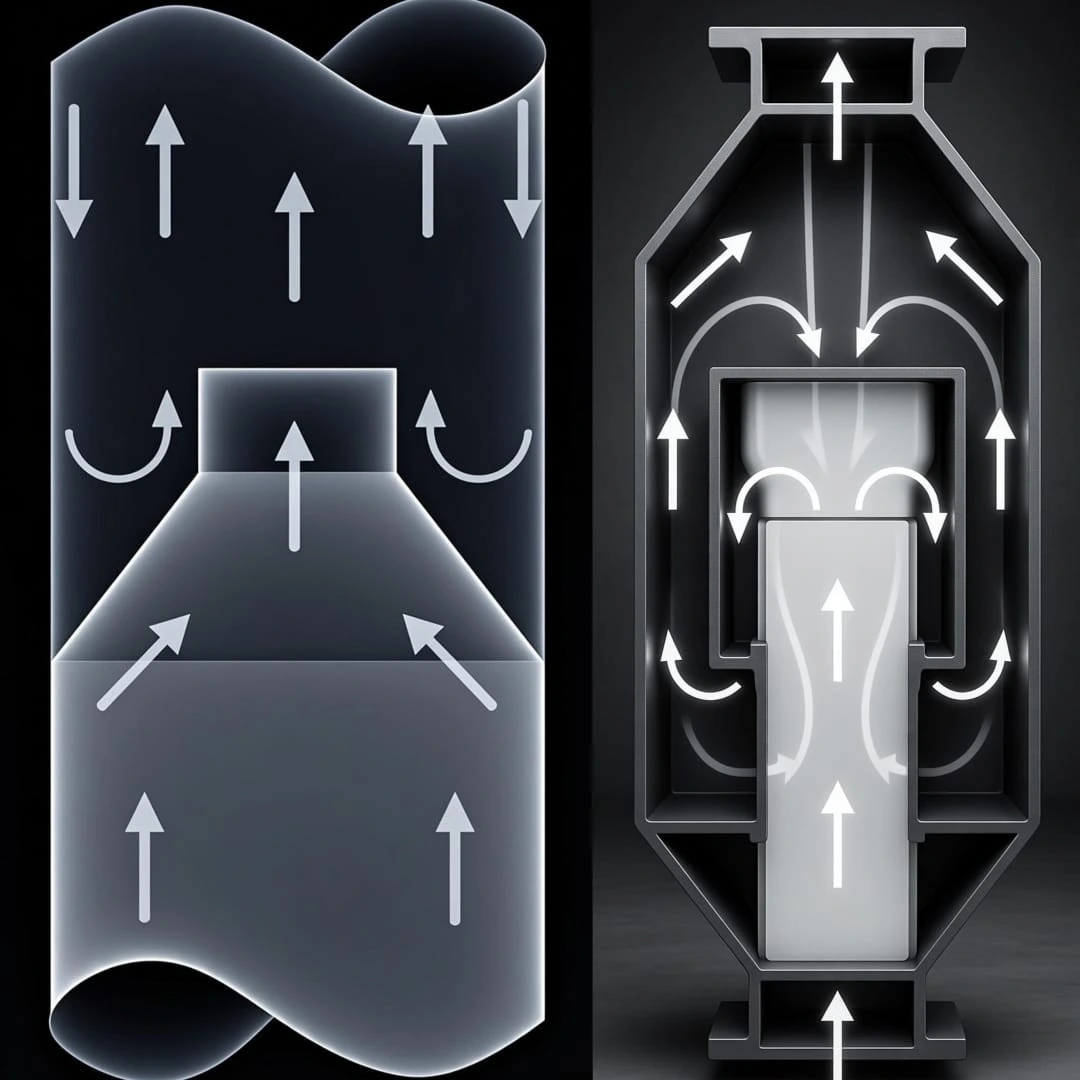
Relief gas slows as it expands into the drum, letting gravity pull entrained liquid droplets out of the gas stream before it continues to the flare stack.
Relief gas enters the vessel and slows as it expands into the larger drum volume, giving entrained liquid droplets time to fall out under gravity.
Internal baffles, vane packs, or mesh elements increase capture of finer liquid particles that wouldn't settle out by gravity alone.
Collected liquid accumulates at the bottom of the vessel and drains to closed collection systems, while the dry gas continues to the flare stack.
Horizontal vessels handle high flow rates and large liquid volumes; vertical vessels suit sites with constrained plot space.
Key Benefits
Removes entrained liquids from relief gases to prevent carryover into the flare stack.
Reduces risks of flame extinguishment, irregular combustion, and flaming rain events.
Engineered for large, transient relief flows common in emergency and upset conditions.
Available in horizontal or vertical configurations to suit plot space and flow regimes.
Compatible with liquid seal drums, flare gas recovery units, and downstream flare hardware.
Projects That Push Boundaries

Complete gas conditioning train transforming raw digester gas into clean, usable fuel for a city utility.
The CRA Edge
Engineered to handle high vapor loads, liquid slugs, and transient flare events safely.
Each knock-out drum is sized from actual process data, not generic templates.
Designed for seamless integration with flare stacks, liquid seal drums, and FGR systems.
Durable construction with reliable liquid drainage for long service life.
Applications
.webp)




Frequently Asked Questions
What does a knock-out drum do in a flare system?
A knock-out drum removes entrained liquids, such as hydrocarbons, condensate, and water, from relief gas before it reaches the flare tip, preventing liquid carryover that can cause flame instability or hazardous flaming rain. It's installed upstream of the flare stack specifically to protect the flare tip and downstream equipment from liquid slugs.
Why is liquid carryover dangerous in a flare system?
Liquid reaching the flare tip can cause irregular combustion, flame instability, or flame extinguishment, and in severe cases produces flaming rain, burning liquid droplets falling back toward grade. A knock-out drum addresses this by separating and collecting liquid before it can reach the tip, rather than relying on the flare tip design alone to manage it.
How is a knock-out drum sized?
CRA sizes each knock-out drum from actual process data, including expected vapor loads, liquid slug volumes, and transient relief events, rather than a generic template, since emergency and upset relief flows are typically much larger and more variable than steady-state flow. Horizontal or vertical configurations are selected based on plot space and the specific flow regime.
Where does a knock-out drum fit relative to a liquid seal drum or flare gas recovery system?
A knock-out drum is typically positioned upstream of a liquid seal drum or a flare gas recovery unit, removing liquids first so downstream equipment isn't exposed to carryover it isn't designed to handle. CRA engineers knock-out drums for compatibility with both liquid seal drums and flare gas recovery hardware as part of the same flare system.
What flow conditions does a knock-out drum need to handle?
Knock-out drums are engineered for high vapor loads and liquid slugs typical of emergency relief and blowdown events, not just steady operating flow, and also need to perform reliably across high turndown or intermittent flare service. CRA designs for these transient conditions directly rather than sizing only against normal operating flow.