
Pressure Vacuum Relief Valve
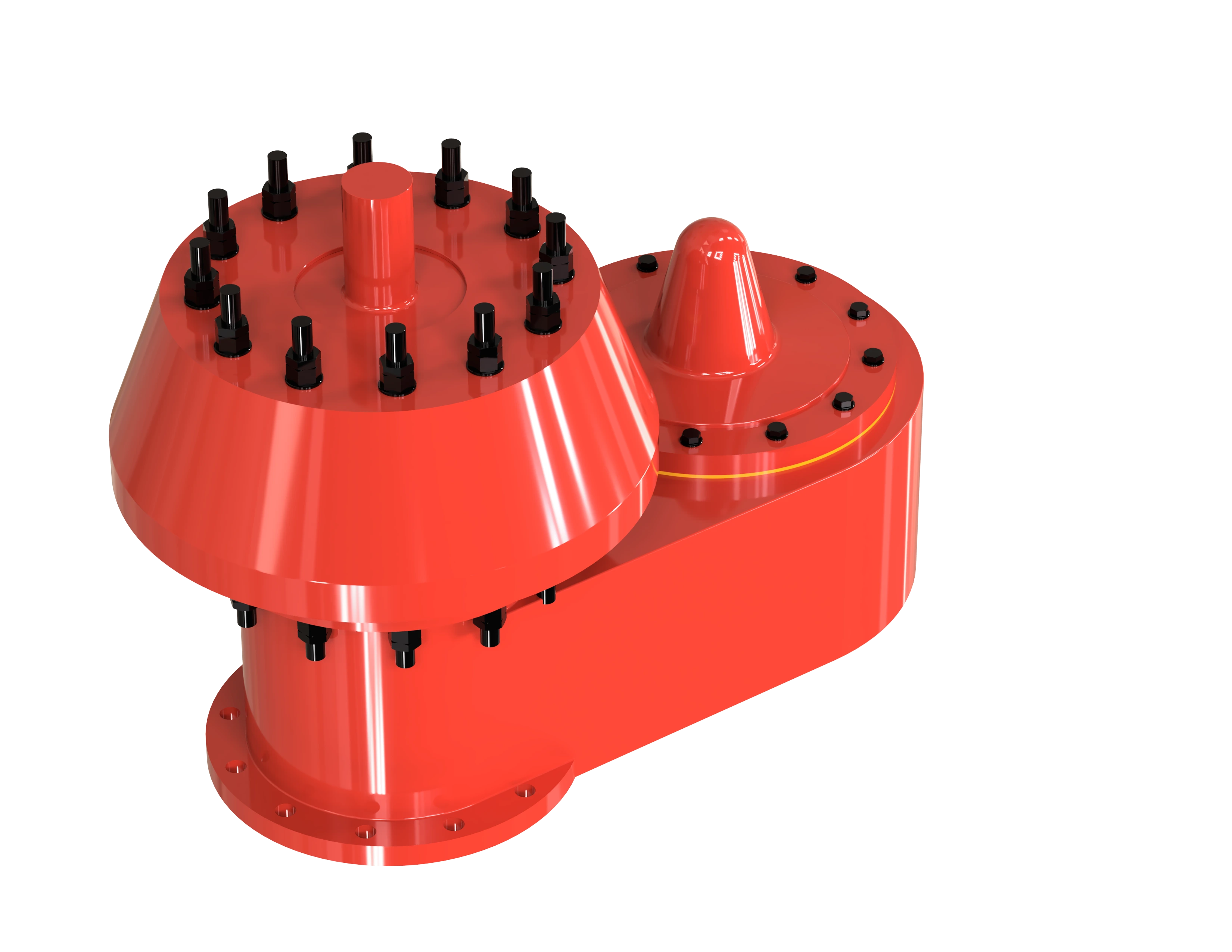
Pressure Vacuum Relief Valves (PVRV) for Intelligent Tank Protection
.svg)
Dual-function in-breathing and out-breathing protection for tanks and digesters
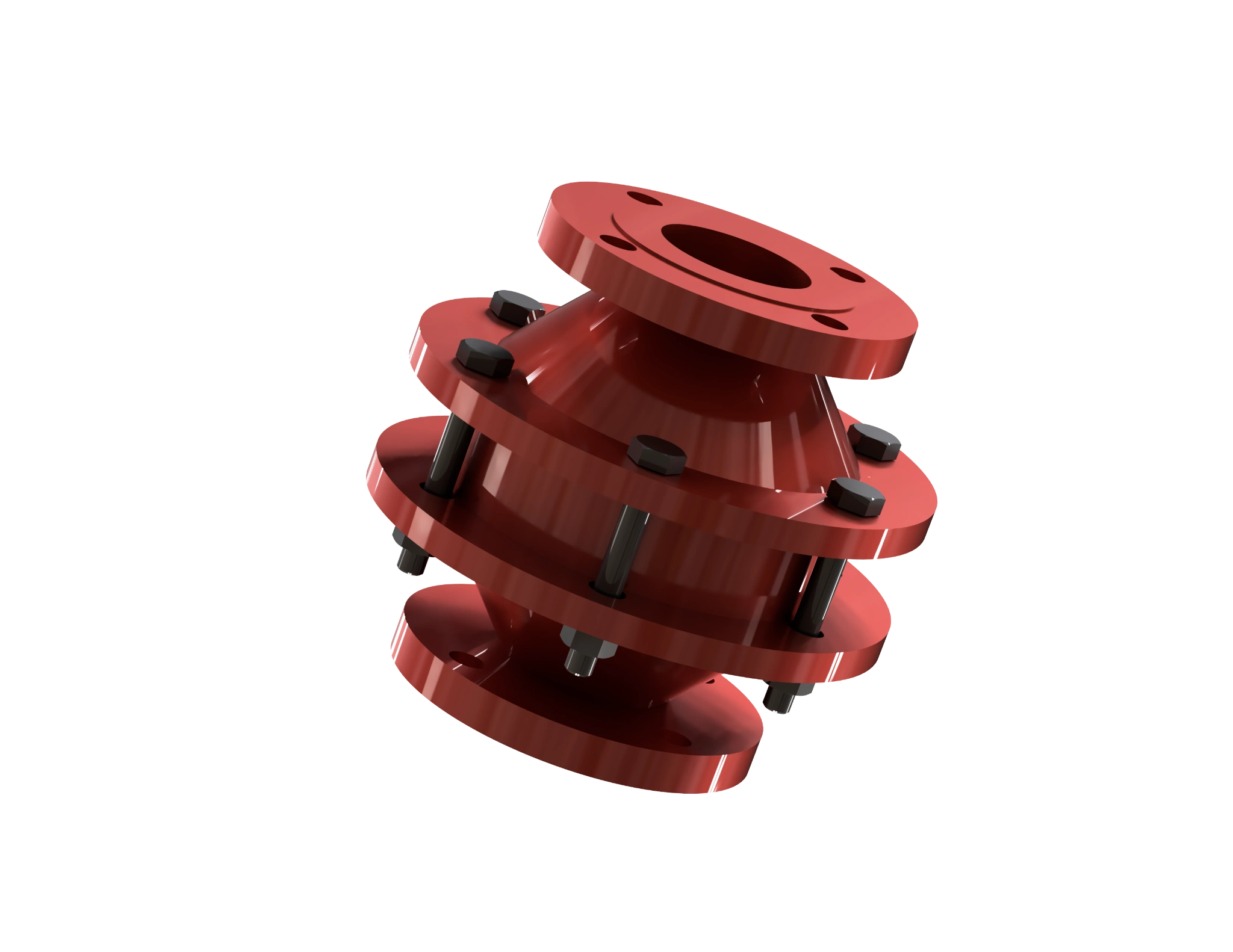
CRA’s Pressure Vacuum Relief Valves (PVRVs) are engineered to protect storage tanks, digesters, gas holders, and process vessels from damaging overpressure and vacuum conditions. By allowing controlled in-breathing and out-breathing, PVRVs maintain internal pressure within safe limits during filling, emptying, and thermal fluctuations. Designed for tight sealing and high flow efficiency, CRA PVRVs minimize vapor losses while ensuring long-term mechanical integrity of tanks and connected systems.
Function
Over/under-pressure protection
Mechanism
Dual pallet design
Sealing
High seat tightness
Application
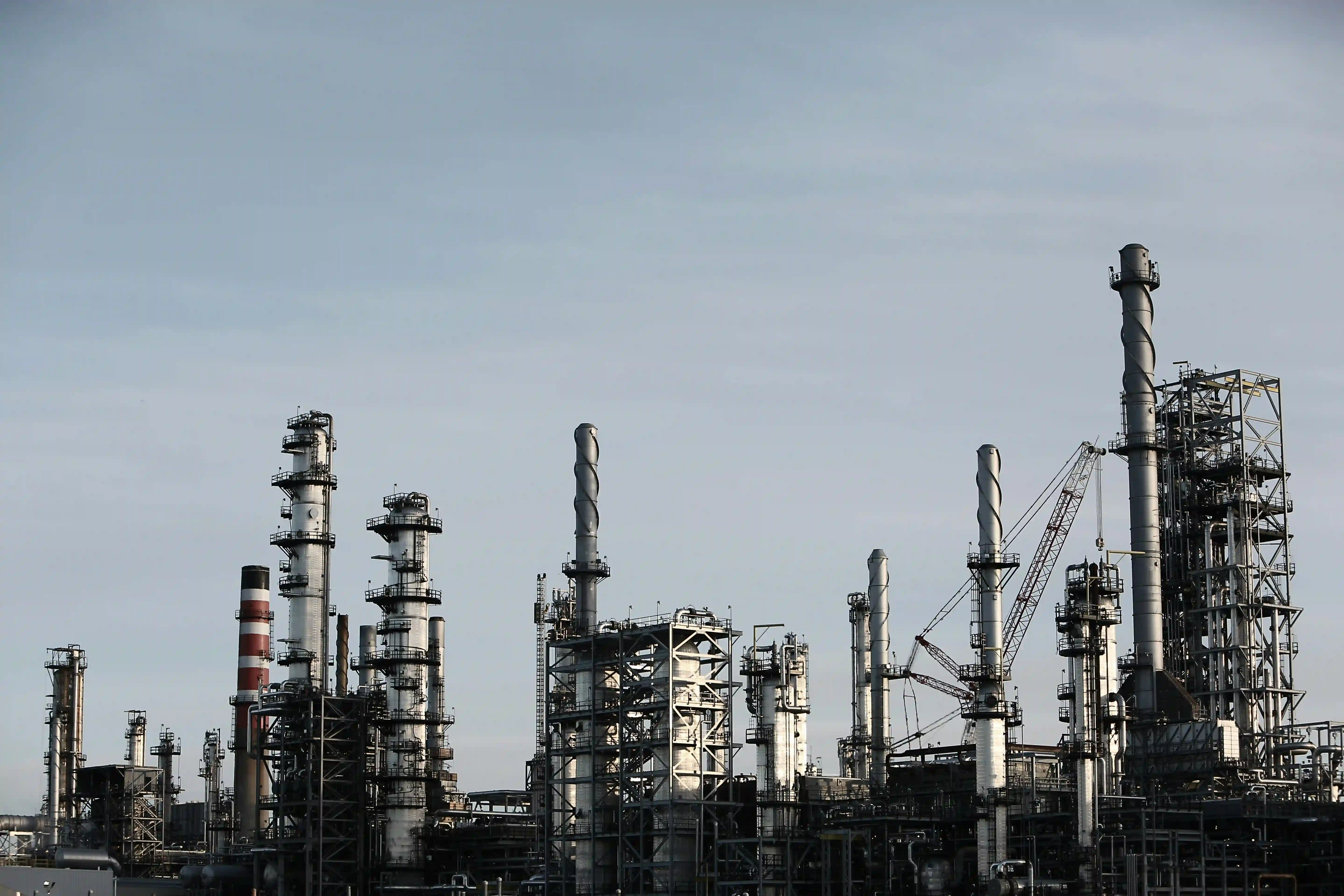
Tanks, digesters, gas holders
What is a Pressure Vacuum Relief Valve?
A pressure vacuum relief valve (PVRV) is a dual-function safety device that protects storage tanks, digesters, gas holders, and process vessels from damaging overpressure and vacuum conditions by allowing controlled venting and air intake as the vessel's internal pressure changes.
How it works
Two independent pallets, one for pressure relief and one for vacuum relief, open and close automatically as the vessel's internal pressure rises and falls.
Each pallet is held closed by its own weight or spring force, set to a specific pressure or vacuum setpoint.
As the vessel fills or warms, rising internal pressure lifts the pressure pallet at its setpoint, venting gas or vapor to atmosphere or a recovery header.
As the vessel empties or cools, falling internal pressure lifts the vacuum pallet at its setpoint, admitting air or inert gas to prevent vessel collapse.
Both pallets reseat automatically once pressure returns within the normal operating band, with precision-machined seating surfaces maintaining tight closure between events.
Key Benefits
Maintains tank pressure close to set points, reducing structural stress and losses.
High seat tightness minimizes vapor release and environmental impact.
Optimized internals allow large flow rates with compact valve sizing.
Stable pallet movement ensures consistent opening and reseating behavior.
Field-replaceable internals simplify inspection and maintenance.
The CRA Edge
30+ years of expertise solving the toughest gas engineering challenges.
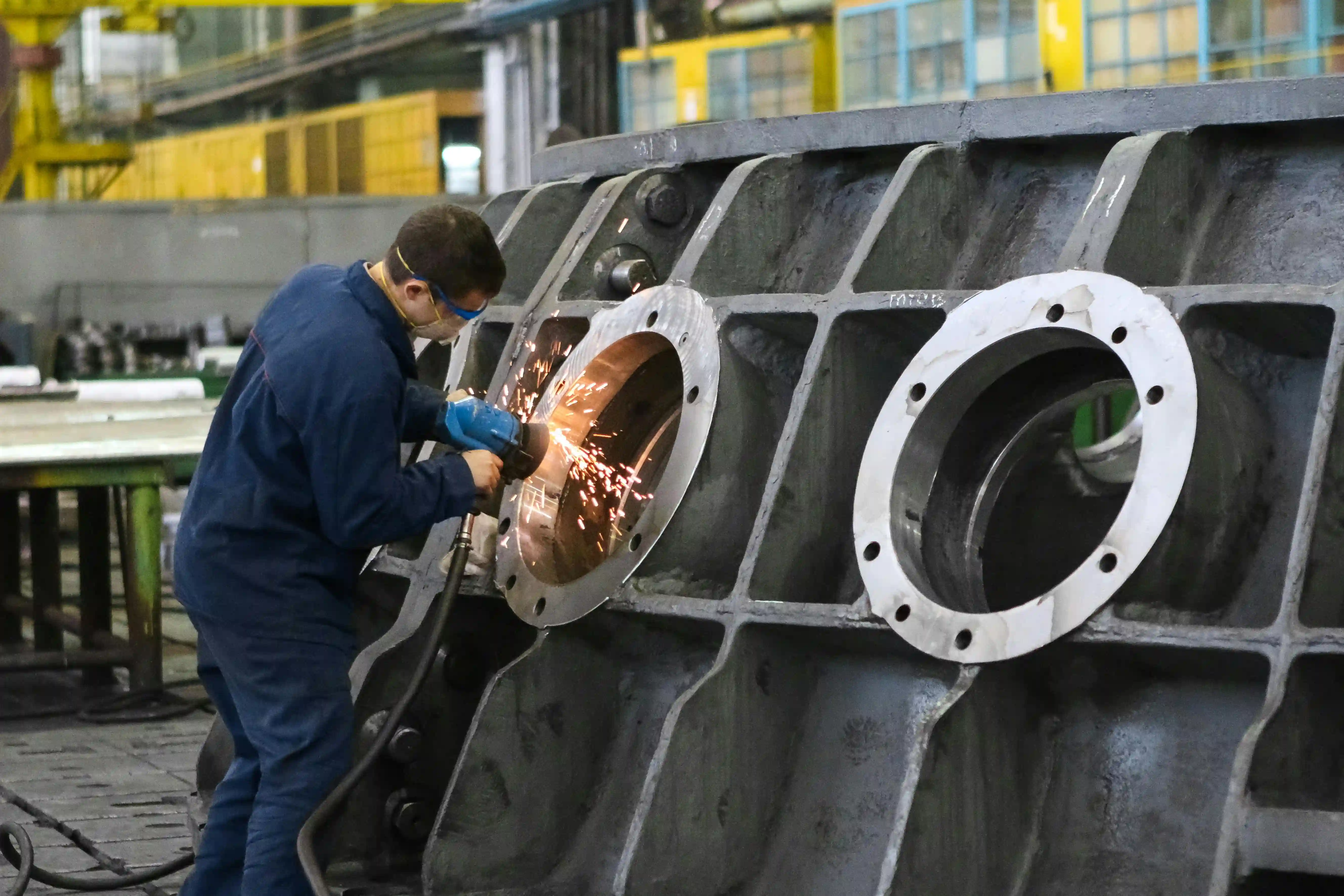
End-to-end design, R&D, and manufacturing under one roof for speed and quality.
ISO 9001, ASME Standards, API, CE
Customized designs meet your exact process needs and strictest regulations.
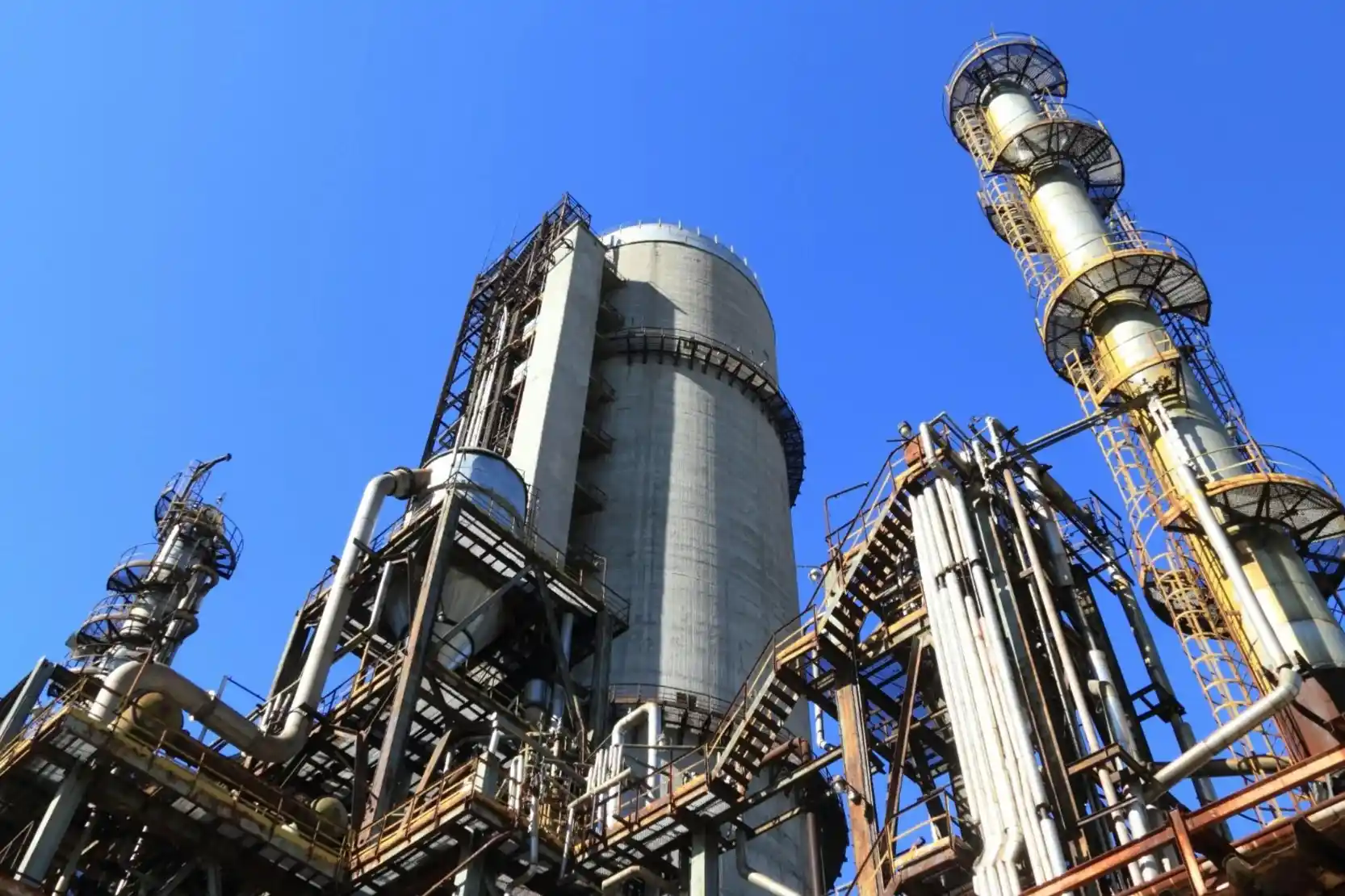
Applications
.webp)


Frequently Asked Questions
What does a pressure vacuum relief valve (PVRV) do?
A pressure vacuum relief valve protects storage tanks, digesters, gas holders, and process vessels from damaging overpressure or vacuum by allowing controlled in-breathing and out-breathing as the tank fills, empties, or experiences thermal fluctuation. It keeps internal pressure within a safe operating band without releasing vapor continuously.
How does a PVRV differ from a standard pressure relief valve?
A PVRV protects against both overpressure and vacuum conditions on low-pressure storage vessels, opening on the pressure side during filling or heating and on the vacuum side during emptying or cooling, while a standard pressure relief valve (PRV) typically protects only against overpressure on higher-pressure systems. Tank and digester applications generally need the two-way protection a PVRV provides.
Why does seat tightness matter in a PVRV?
High seat tightness keeps the valve closed until its actual set point, minimizing vapor loss and environmental release during normal tank breathing rather than leaking product or biogas continuously. CRA's PVRVs are engineered for low-emission performance alongside stable pallet movement, so the valve opens and reseats consistently over repeated cycles.
Where are PVRVs typically installed?
Common installations include atmospheric and low-pressure storage tanks, digesters and gas holders, vapor recovery and vent systems, chemical and process vessels, and marine, offshore, and wastewater treatment tank venting. Set points and flow capacity are selected against the specific tank's filling and emptying rates.
What standards do CRA's PVRVs meet?
CRA's PVRVs are engineered to ISO 9001 quality management, relevant ASME standards, API guidance, and CE requirements as applicable to the project and destination market. Field-replaceable internals are built in to simplify inspection and maintenance without removing the valve body from service.