
Gas Booster
Stable and Controlled Gas Pressure for Critical Industrial Processes
.svg)
Stabilises low or fluctuating inlet pressure for continuous combustion duty
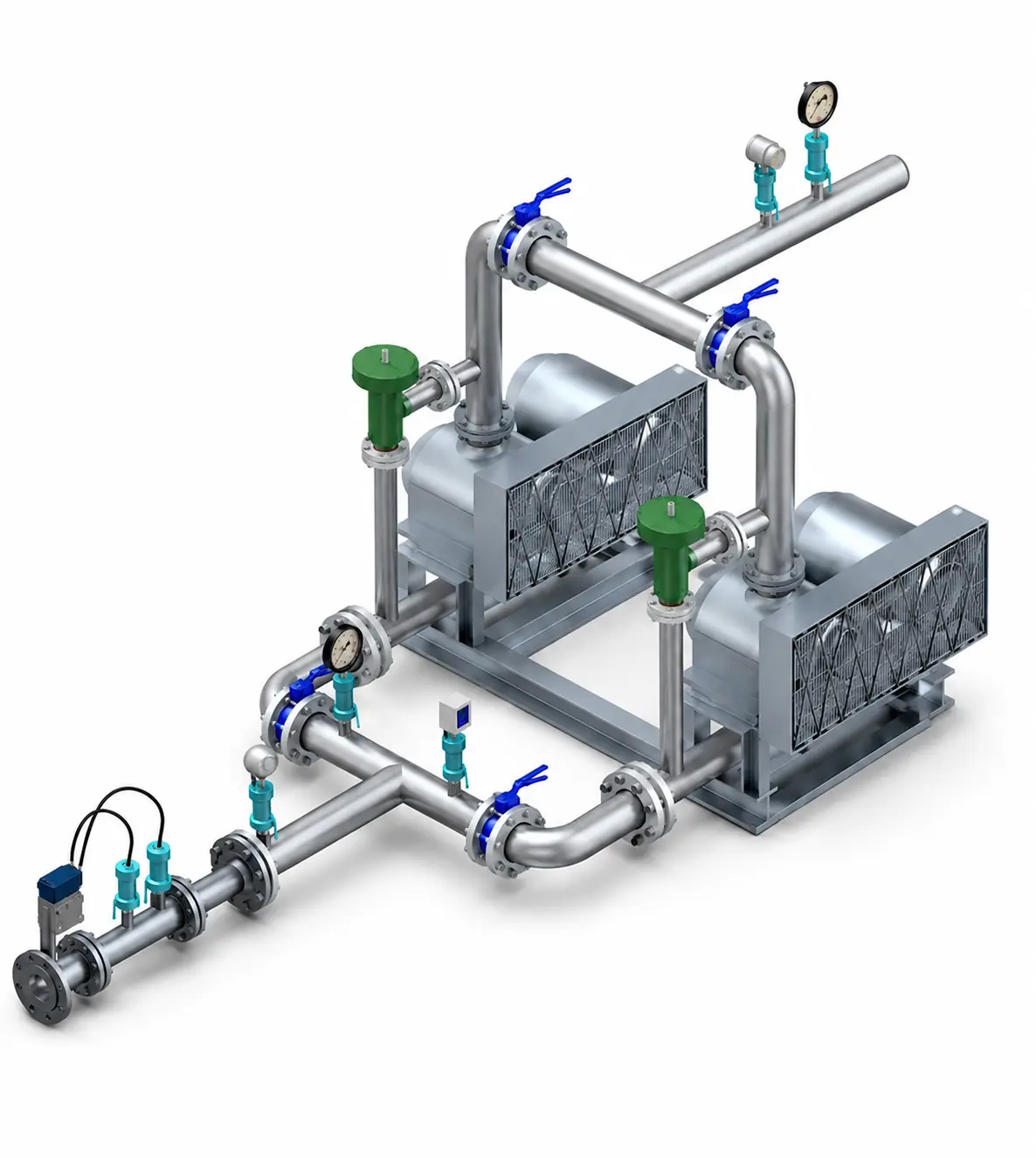
CRA’s Gas Boosters are engineered to raise low or variable inlet gas pressures to stable levels required by burners, turbines, engines, and process equipment. Installed between the gas supply header and point of use, the booster compensates for upstream pressure fluctuations and ensures uninterrupted operation. Designed for natural gas, biogas, and process gases, CRA gas boosters deliver reliable performance under continuous industrial duty.
Function
Pressure boosting
Operation
Demand-based
Duty
Continuous, 24/7
Gas Compatibility
Natural gas, biogas, process gas
What is a Gas Booster?
A gas booster raises low or variable inlet gas pressure to the stable level required by burners, turbines, engines, and process equipment, installed between the gas supply header and the point of use to compensate for upstream pressure fluctuations.
How it works
Inlet pressure is monitored continuously, and the booster activates automatically once it drops below the configured setpoint, raising pressure to the level required downstream.
Inlet pressure is monitored continuously against a configured setpoint.
The booster activates automatically once inlet pressure drops below setpoint, raising it to the level required for stable combustion or process operation.
Once upstream pressure recovers above the threshold, the booster steps down or stops, avoiding unnecessary running time.
Construction and seal materials are selected for the specific gas composition, including provisions for combustible and corrosive service.
Key Benefits
Maintains consistent outlet pressure despite upstream supply variations.
Ensures correct fuel delivery for burners, furnaces, and thermal systems.
Activates only when inlet pressure drops below set limits.
Robust design suitable for 24/7 industrial operation.
Designed for combustible and corrosive gases with appropriate safeguards.
The CRA Edge
Deep understanding of fuel gas and process gas systems.
Pressure-based automation for efficient, autonomous operation.
Built for continuous duty in demanding environments.
Tailored designs based on gas type, pressure, and flow needs.
Applications



Frequently Asked Questions
What does a gas booster do?
A gas booster raises a low or fluctuating inlet gas pressure to the stable pressure level required by burners, turbines, engines, or other downstream process equipment, installed between the gas supply header and the point of use. It compensates for upstream pressure variation so downstream equipment sees consistent supply pressure.
When does a facility need a gas booster?
A gas booster is typically needed when upstream gas pressure, from a natural gas grid, biogas digester, or gas holder, isn't consistently high enough or stable enough for the downstream equipment's combustion or process requirements. CRA's boosters are designed to activate automatically based on inlet pressure, engaging only when pressure drops below the set limit rather than running continuously regardless of need.
Can a gas booster handle biogas and other combustible or corrosive gases?
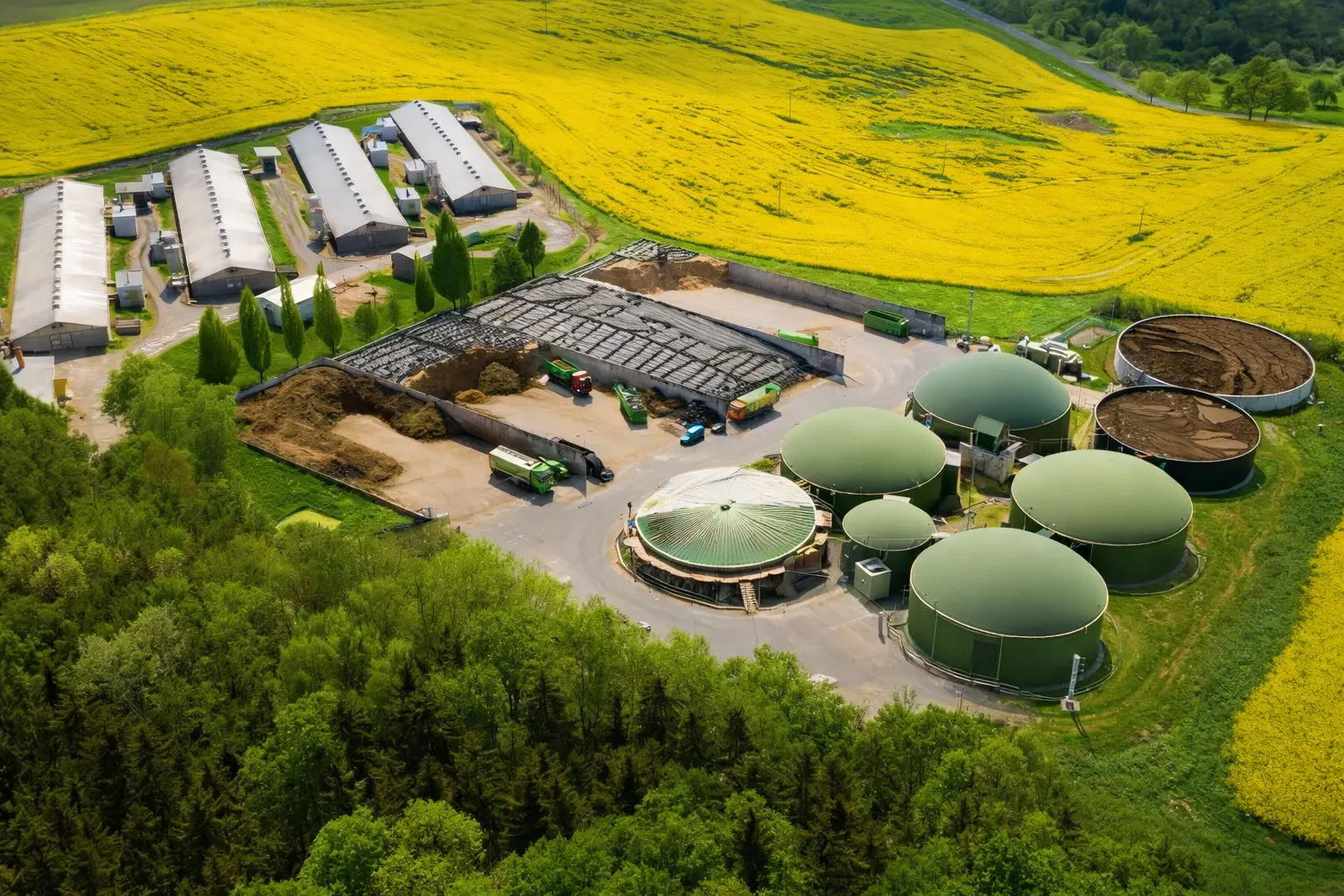
Yes. CRA's gas boosters are designed for natural gas, biogas, and other process gases, including combustible and corrosive streams, with safeguards appropriate to the gas type built into the design. This includes applications feeding engines, turbines, and CHP units running on biomethane or digester gas.
How does a gas booster improve combustion reliability?
By stabilizing outlet pressure, a gas booster ensures correct fuel delivery to burners and thermal systems, which reduces process trips caused by low or fluctuating gas pressure and improves overall plant uptime. This is particularly relevant for biomethane upgrading systems and CHP installations where combustion equipment is sensitive to supply pressure swings.
What duty cycle is a CRA gas booster designed for?
CRA gas boosters are built for continuous, 24/7 industrial duty rather than intermittent or standby service, with automatic demand-based operation so the unit only runs when the inlet pressure actually requires boosting. Design is tailored to the specific gas type, pressure range, and flow needs of the application rather than a fixed catalogue rating.