
Moisture Trap
Efficient Removal of Condensed Moisture from Biogas Lines with Engineered Moisture Traps

.svg)
Power-free moisture removal at low-pressure points in biogas lines
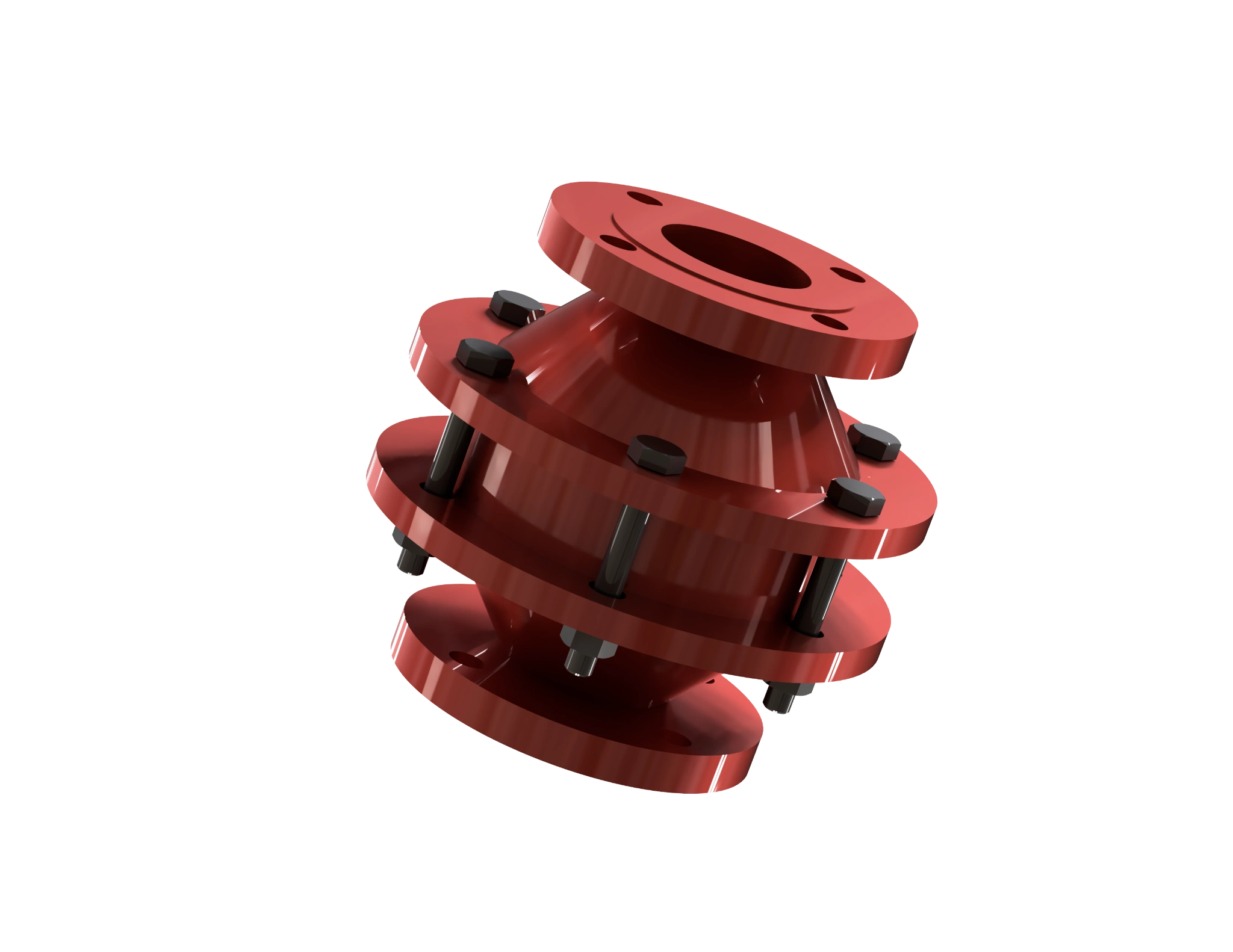
CRA’s Moisture Traps are engineered to separate and collect condensed moisture formed in biogas pipelines due to cooling and pressure changes. Installed directly in the gas line, the trap uses controlled flow reversal and impingement to coalesce moisture into droplets, which settle at the base for removal. Designed for low-pressure biogas service, the system operates without external power, ensuring reliable moisture removal and protection of downstream equipment.
Operation
Power-free, passive
Pressure Drop
Minimal
Mechanism
Flow reversal & impingement
Application
Biogas pipeline service
What is a Moisture Trap?
A moisture trap is a passive, in-line vessel that separates and collects condensed moisture from biogas pipelines, removing the water that forms as gas cools and pressure changes along the line, before it can reach compressors, meters, or downstream process equipment.
How it works
Gas entering the trap is forced through a flow reversal that causes entrained water droplets to impinge on internal surfaces and coalesce out of the stream.
Gas entering the trap body is forced through a flow reversal, redirecting the stream so entrained droplets impinge on internal surfaces.
Water droplets coalesce on the internal surfaces rather than continuing on with the gas.
Coalesced moisture falls under gravity to the base of the vessel, where it collects for removal.
Collected moisture drains periodically or automatically through an optional mechanical auto-drain.
Key Benefits
Efficiently removes condensed water from biogas streams to protect downstream equipment.
Optimized internal geometry ensures minimal pressure loss across the system.
Operates mechanically without electricity, ideal for remote and hazardous locations.
Simple construction with optional mechanical auto-drain minimizes maintenance needs.
Designed for low-pressure, corrosive biogas environments with material customization.
Projects That Push Boundaries
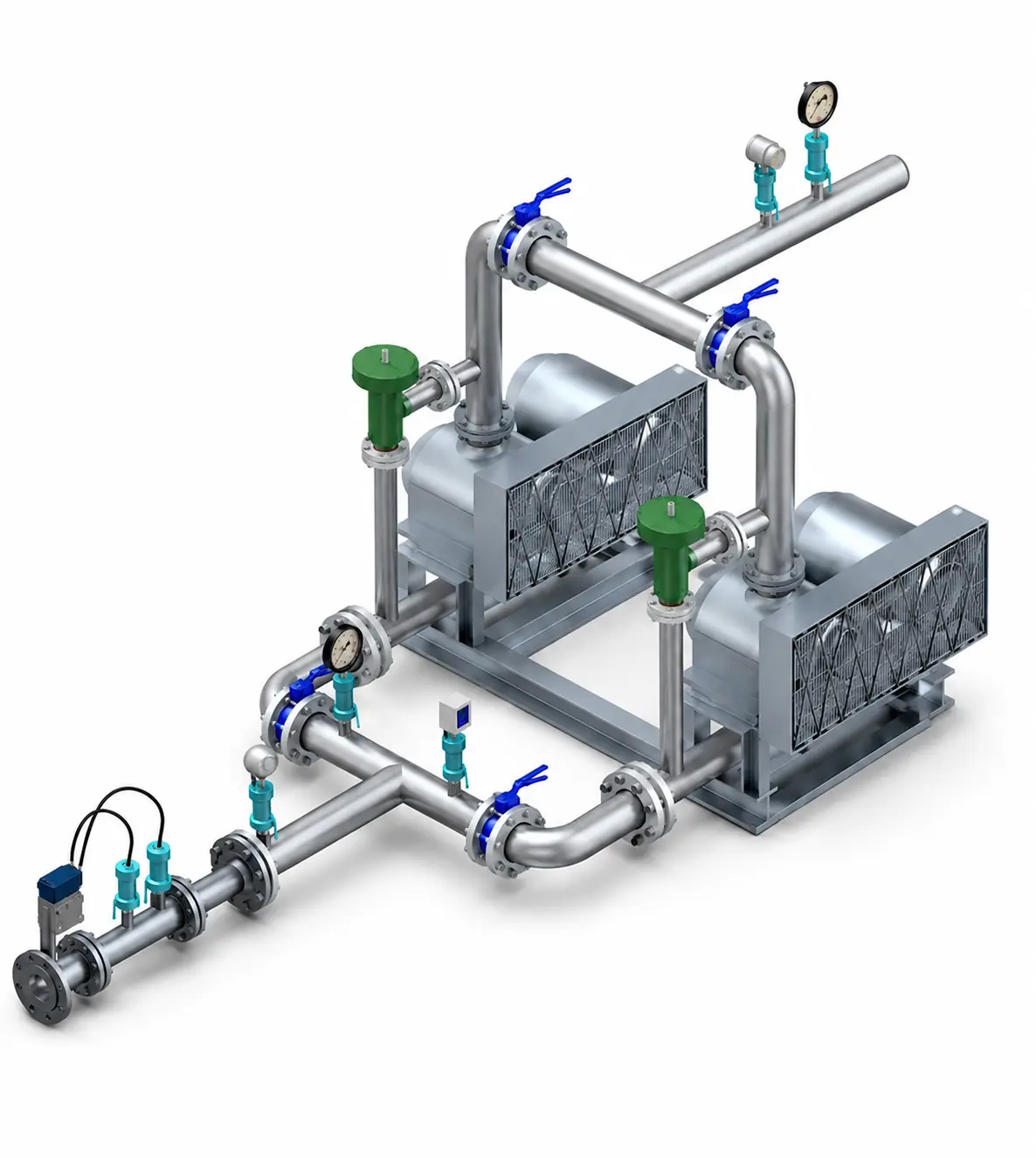
Protects downstream blowers, compressors, and gas analysers through continuous condensate removal.
The CRA Edge
Field-tested designs for reliable moisture removal in biogas systems.
Design, material selection, and integration managed internally.
Engineered specifically for low-pressure biogas service conditions.
Sizes, materials, and drain options tailored to site requirements.
Applications
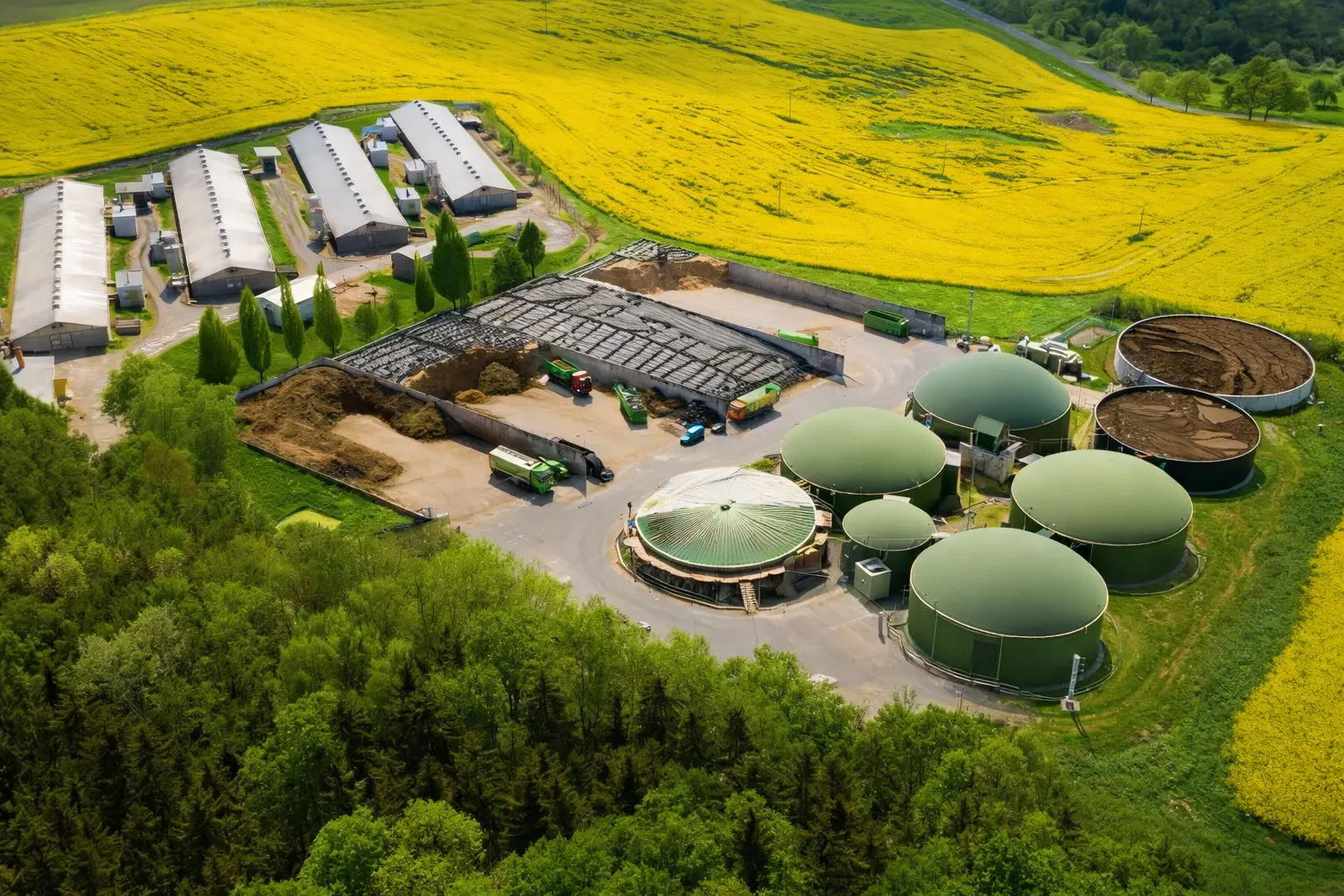
.webp)

Frequently Asked Questions
What does a moisture trap do in a biogas line?
A moisture trap separates and collects condensed water that forms in a biogas pipeline as gas cools or experiences pressure changes, protecting downstream equipment like compressors, blowers, and instrumentation from liquid carryover. It's installed directly in the gas line rather than as a bypass or side-stream device.
How does a moisture trap remove condensate without external power?
CRA's moisture traps use controlled flow reversal and impingement to coalesce moisture into droplets, which then settle at the base of the vessel for removal, all without electricity or moving parts. This makes the trap suitable for remote or hazardous locations where powering an active dewatering system isn't practical.
Does a moisture trap need to be drained manually?
A moisture trap can be fitted with an optional mechanical auto-drain to remove collected condensate automatically, or drained manually depending on site preference and access. CRA's design keeps the internal geometry simple specifically to minimize maintenance either way.
What pressure drop does a moisture trap add to a biogas line?
CRA's moisture traps are engineered for very low pressure drop across the unit, since the internal geometry is optimized for moisture coalescing rather than restricting flow. This matters particularly in low-pressure biogas service where the system can't tolerate a large additional pressure loss.
Where in a biogas system is a moisture trap typically installed?
Common locations include digester gas conditioning lines, landfill gas lines, pre-treatment ahead of biogas upgrading, and protection points ahead of compressor, blower, instrument, or metering equipment. CRA also engineers traps for low-point drainage and freeze or blockage prevention in exposed biogas piping.