
Burner Management System (BMS)
Certified safety control systems for reliable ignition, combustion monitoring, and fail-safe burner shutdown.
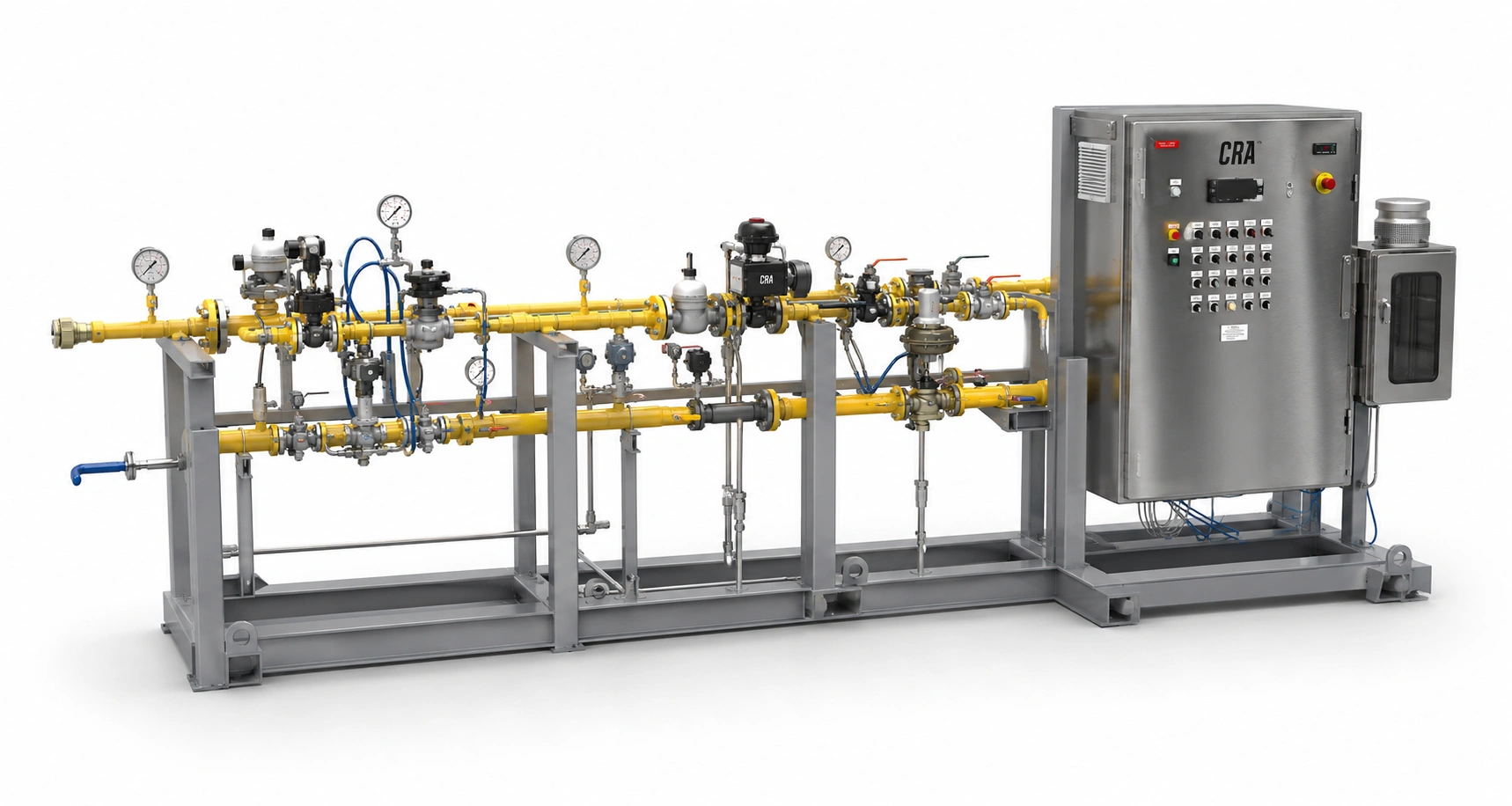

Certified safety control for ignition, combustion monitoring, and fail-safe shutdown
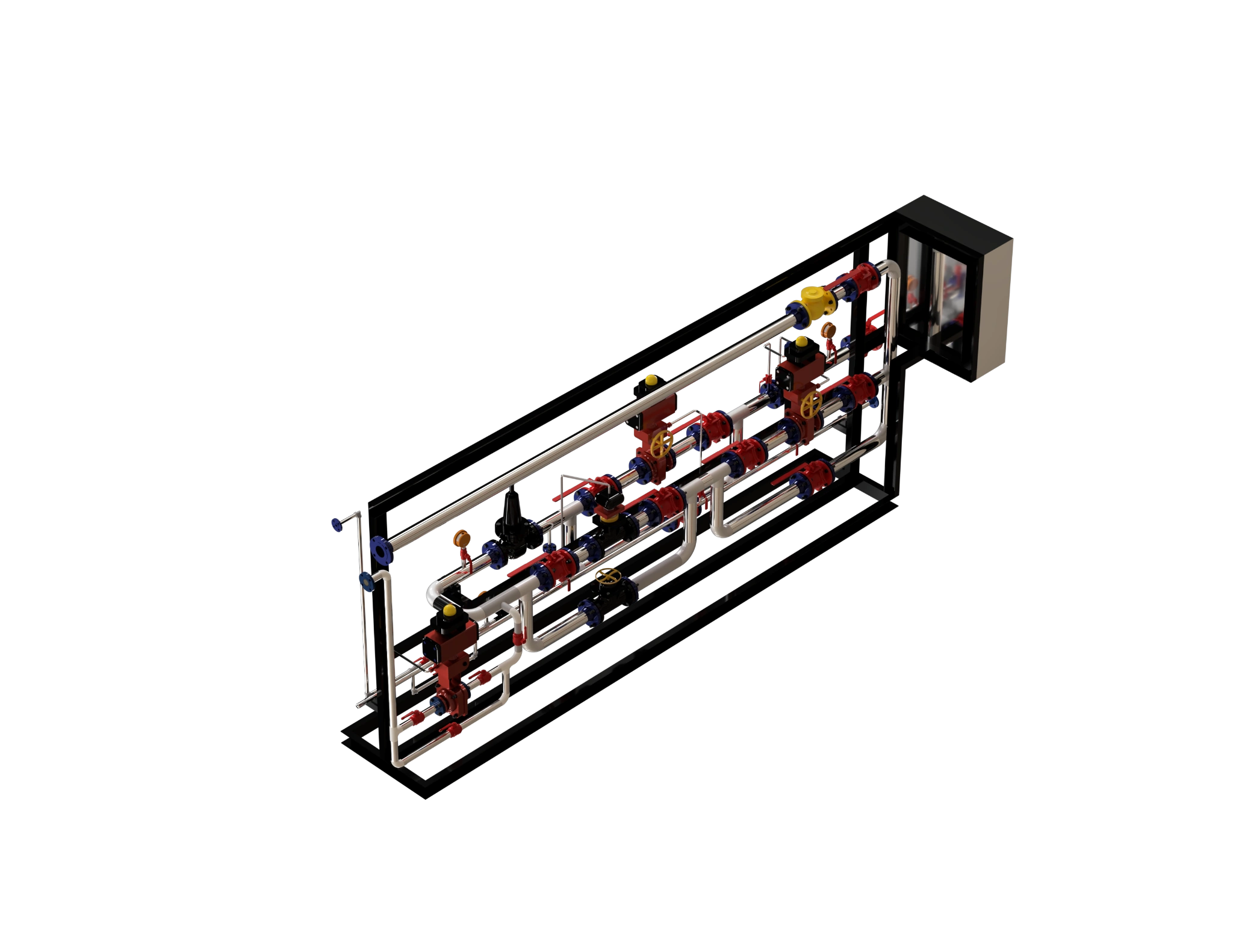
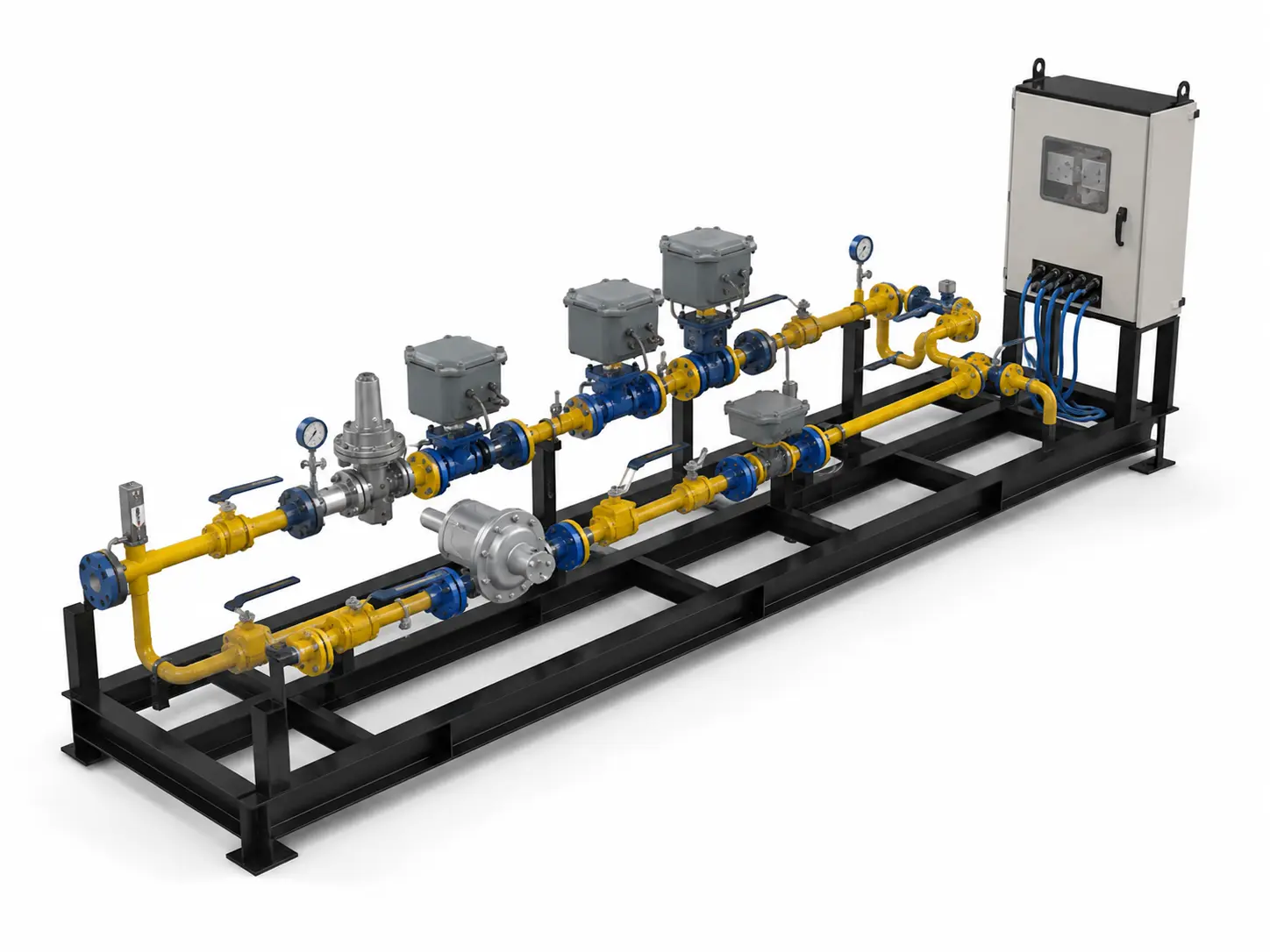
CRA’s BMS solutions execute fully automated burner light-off and shutdown sequences, incorporating purge validation, ignition control, flame supervision, and safety interlocking. The system continuously monitors critical parameters such as fuel pressure, airflow, flame presence, and combustion permissives. In the event of any abnormal or unsafe condition, the BMS initiates an immediate and orderly shutdown to protect personnel, equipment, and plant integrity.
Function
Combustion safety control
Flame Detection
UV/IR
Standards
NFPA, API, IEC, ISO
Integration
DCS/PLC compatible
What is a Burner Management System?
A burner management system (BMS) is a certified safety control system that executes automated burner light-off and shutdown sequences, continuously monitoring combustion-critical parameters and initiating immediate fuel isolation whenever an unsafe condition is detected.
How it works
The BMS runs a fixed sequence from purge through ignition to continuous monitoring, executing an immediate shutdown the moment any safety parameter falls outside range.
Before ignition, the BMS executes a purge sequence, verifying the combustion chamber is free of unburned fuel.
The system sequences pilot ignition, confirms flame establishment via UV or IR flame detectors, and only then permits main fuel admission.
Throughout operation, the BMS continuously monitors fuel pressure, combustion air flow, flame presence, and other safety permissives.
If any monitored parameter falls outside its safe range, including loss of flame signal, the system executes an immediate, orderly shutdown, isolating fuel supply and de-energizing ignition.
The system interfaces with plant DCS and PLC platforms to operate as part of the broader plant control and safety architecture.
Key Benefits
Certified safety logic ensures immediate fuel isolation during flame failure or unsafe conditions.
Fully automated purge, ignition, operation, and shutdown eliminate operator dependency.
UV/IR flame detection provides real-time monitoring and rapid fault response.
Designed to meet NFPA, API, IEC, ISO, and regional combustion safety standards.
Interfaces smoothly with DCS, PLC, and plant safety systems for unified control.
Projects That Push Boundaries
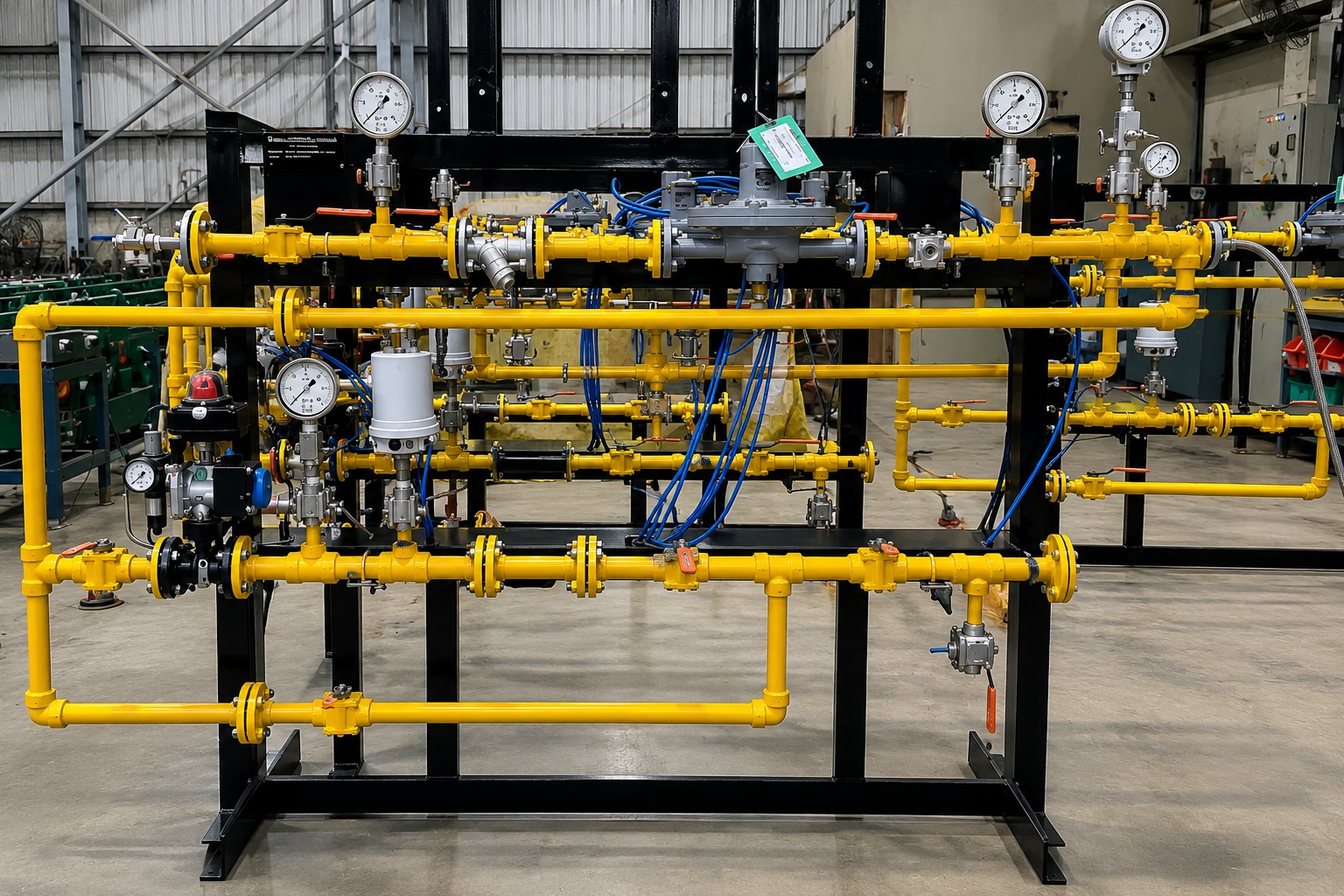
Automated purge, ignition, and shutdown sequencing to API 521/537 for flare and burner safety.
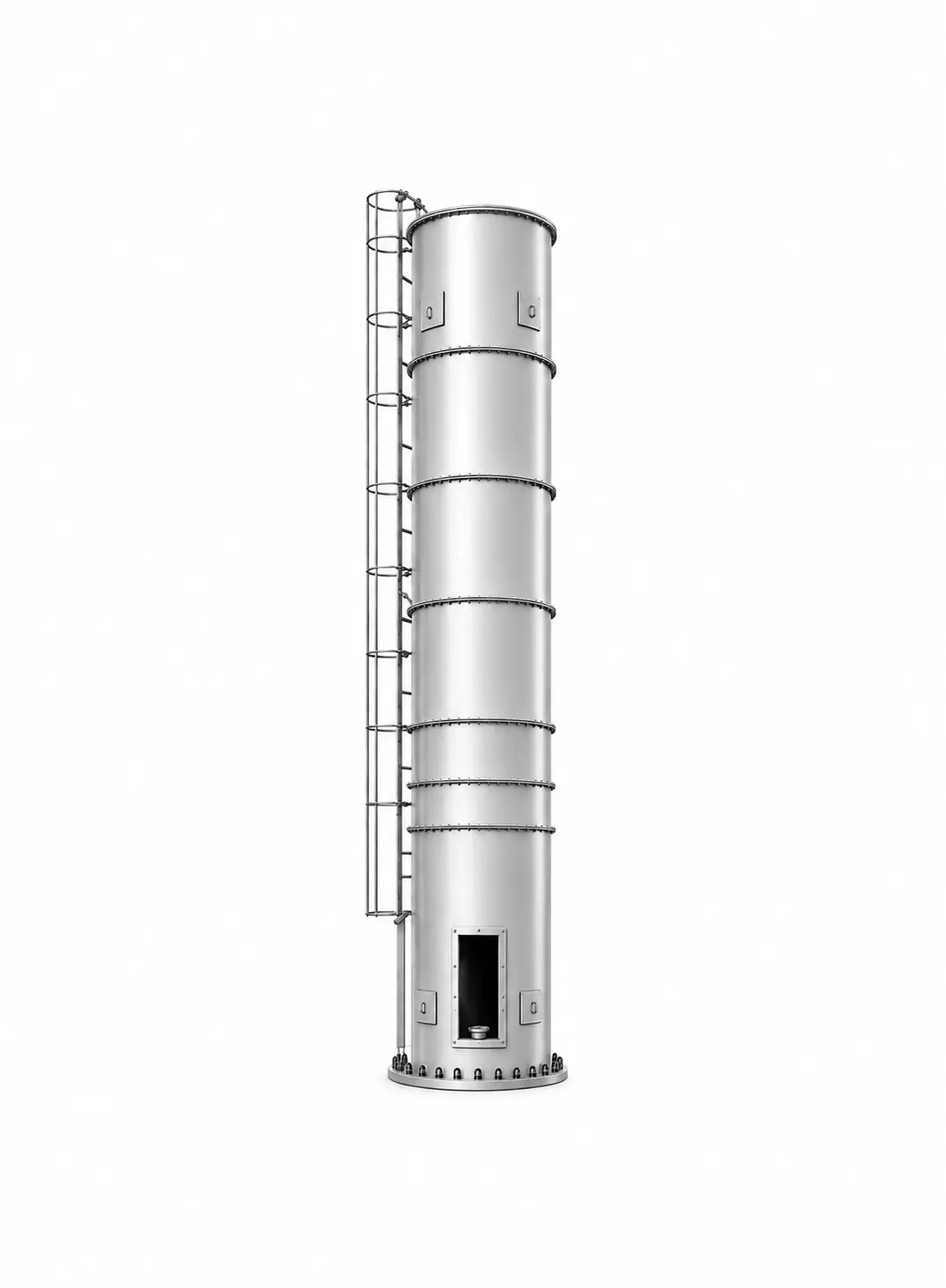
Single-package BMS, burner and enclosed flare engineered for a highly variable pyrolysis vapour stream.
The CRA Edge
Purpose-built logic focused on hazard prevention and risk reduction.
Combustion, controls, and instrumentation engineered as one system.
Designed in line with NFPA, API, IEC, ISO, and project codes.
Field-validated systems across complex industrial environments.
Applications




Frequently Asked Questions
What does a burner management system (BMS) do?
A burner management system executes fully automated burner light-off and shutdown sequences, covering purge validation, ignition control, flame supervision, and safety interlocking, and continuously monitors parameters like fuel pressure, airflow, and flame presence. If it detects an abnormal or unsafe condition, the BMS triggers an immediate, orderly shutdown to isolate fuel and protect personnel and equipment.
What's the difference between a BMS and an ignition system like HEI or HVI?
An ignition system, HEI, HVI, or piezoelectric, provides the physical spark to light the burner, while a BMS is the safety control layer that sequences the purge, initiates ignition, supervises the flame, and executes shutdown logic around that ignition event. A BMS typically interfaces with and commands the ignition system rather than replacing it.
How does a BMS detect flame failure?
CRA's BMS solutions use UV or IR flame detection for continuous, real-time flame supervision, so a lost or unstable flame is identified and acted on within the detector's response time rather than relying on downstream temperature or pressure indicators. Detection feeds directly into the fail-safe shutdown logic, isolating fuel immediately on flame loss.
What equipment does a BMS get installed on?
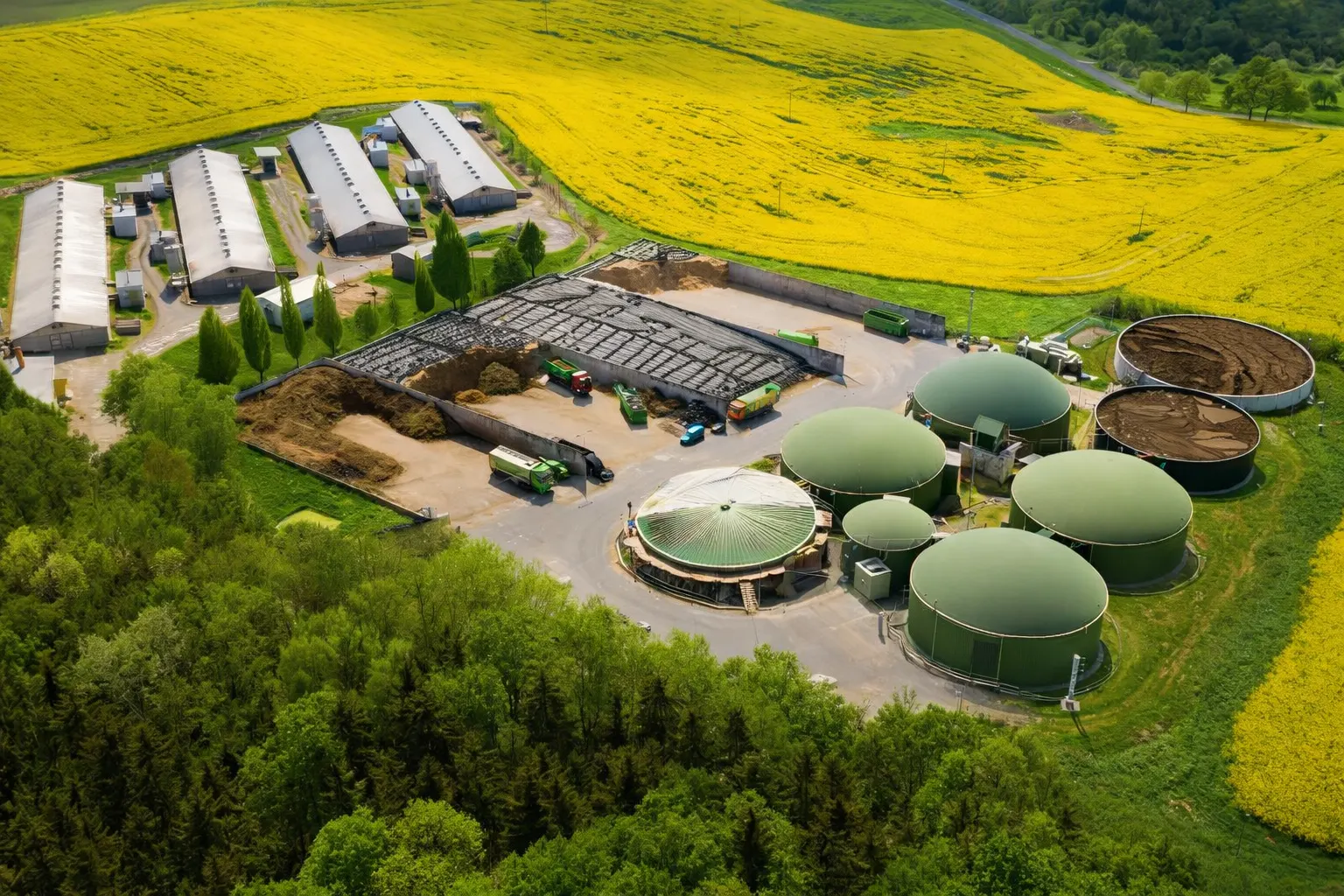
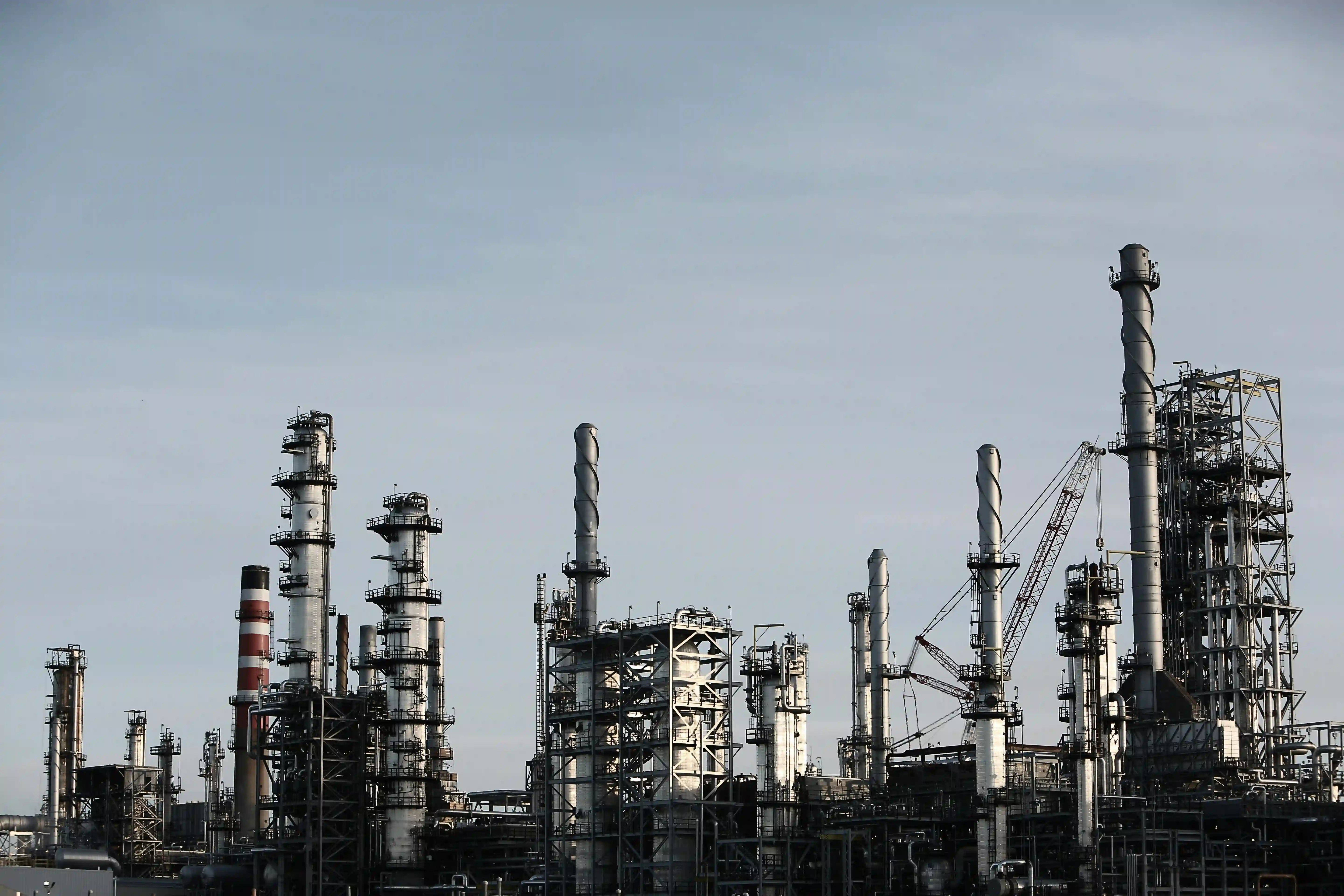
Common applications include boilers and steam generators, process heaters and furnaces, thermal oxidizers and incinerators, hot oil and thermal fluid heaters, and multi-burner combustion systems with pilot and main burner management. CRA engineers the BMS logic around the specific combustion equipment and burner configuration rather than a one-size sequence.
What standards does a CRA BMS comply with?
CRA's BMS solutions are designed to meet NFPA, API, IEC, and ISO combustion safety standards along with applicable regional codes, and are built to interface with DCS and PLC platforms for unified plant control. Compliance requirements are matched to the destination market and the specific combustion equipment being protected.