
Explore Other Industries
Industry Challenges
Biogas and CBG plants handle a flammable, corrosive gas whose flow and quality change with the feedstock. The four points below are the main problems operators face, from safe disposal of surplus gas to steady CBG quality.

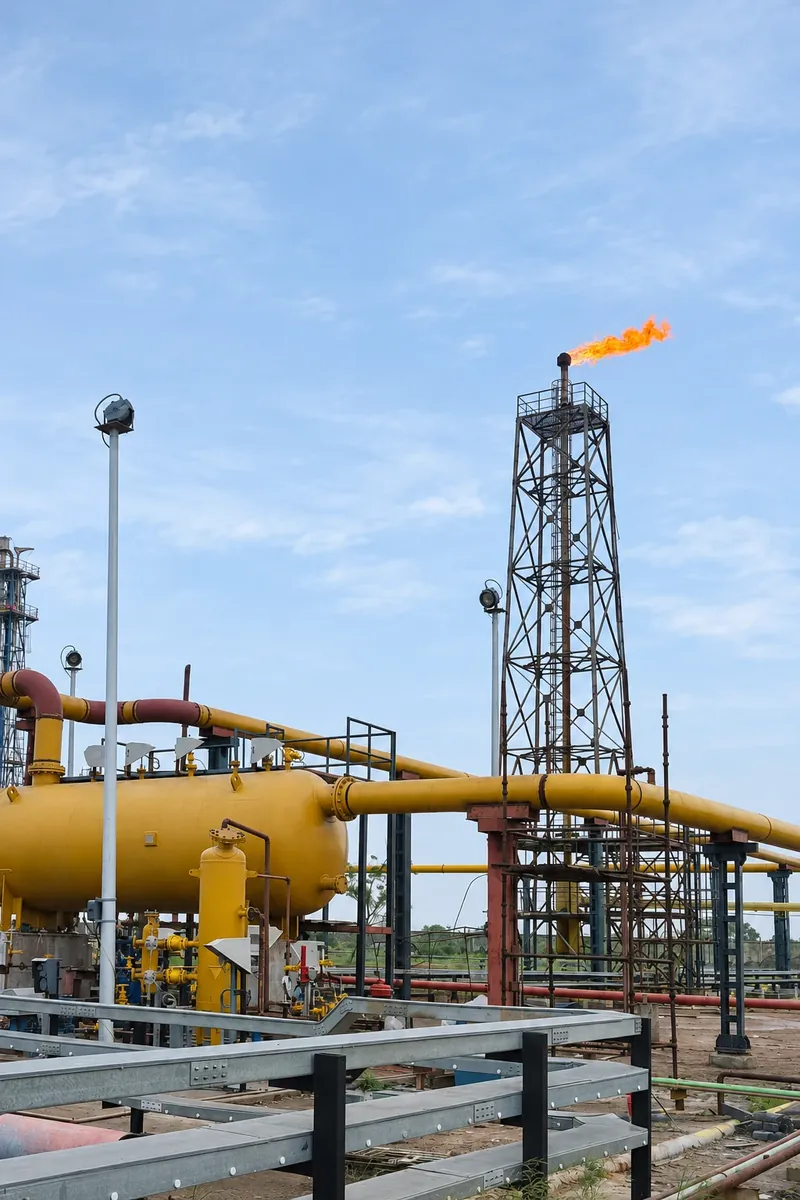
Biogas is highly flammable and contains hazardous gases like H₂S. Without robust fail-safes such as flares, flame arrestors and safety valves, even minor leaks can escalate into serious incidents.
Raw biogas carries hydrogen sulphide and water. If desulphurisation and drying are not right, the gas corrodes engines, compressors and membranes and the plant loses CBG output.
Different feedstocks and seasonal swings change the gas flow and composition, so the gas train has to stay stable across a wide operating range.
Methane lost in the upgrading off-gas or during unstable offtake reduces output and revenue without being obvious on the plant floor.
The CRA Edge
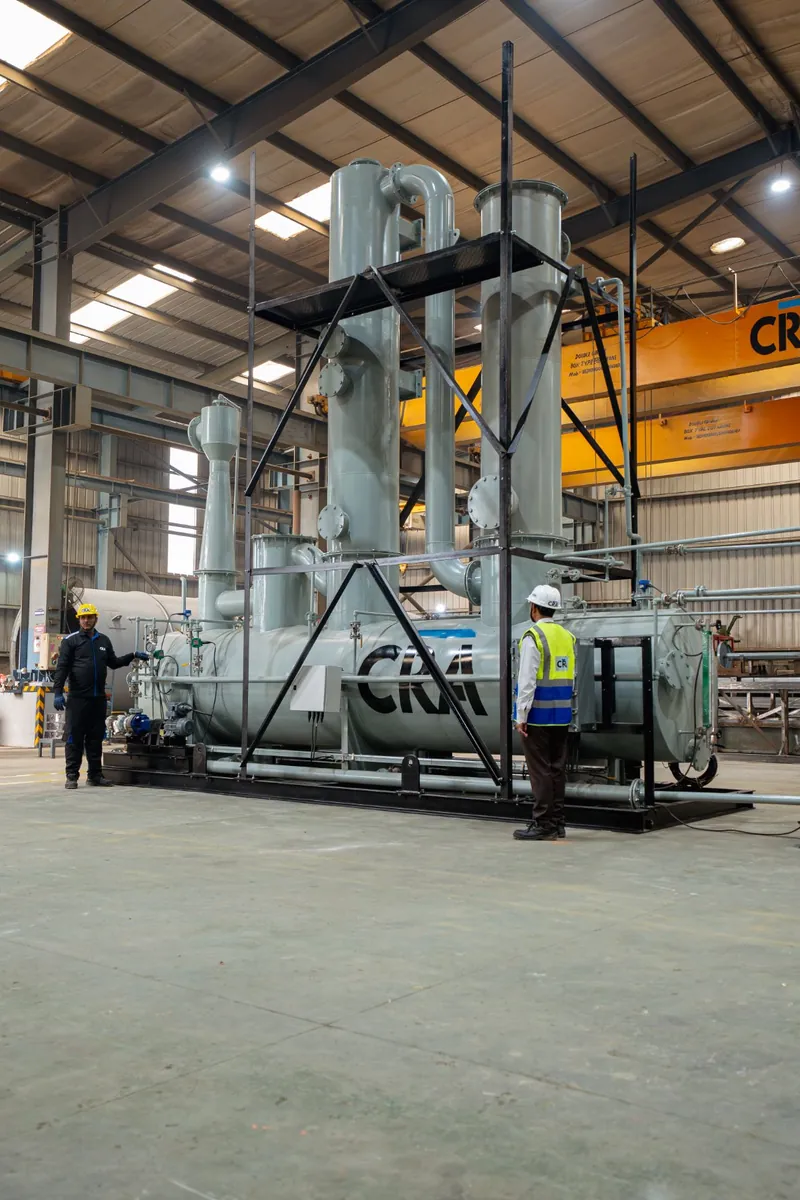
CRA has delivered biogas safety systems for more than 30 years.
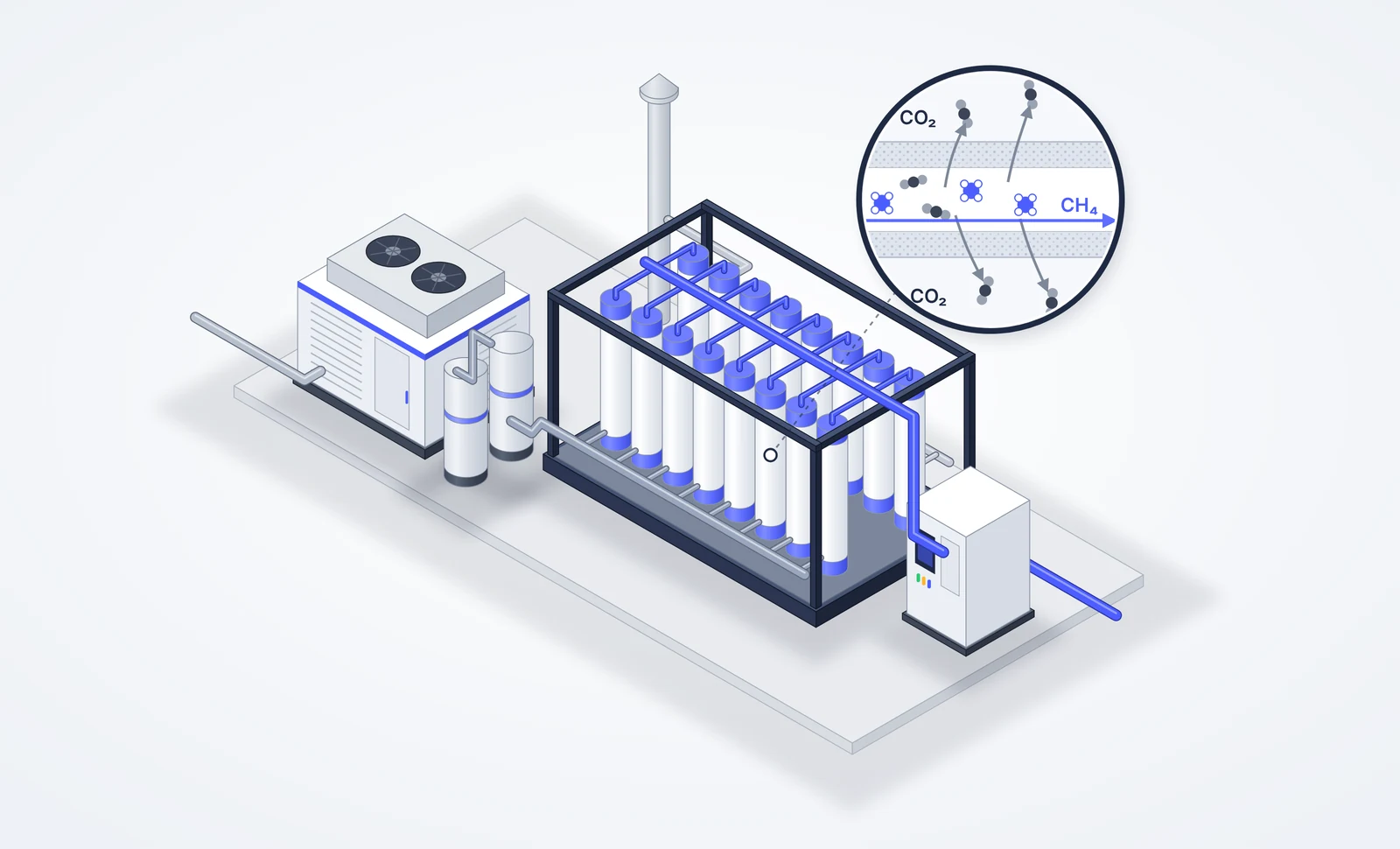
Pre-conditioning is designed around stable H₂S, moisture and pressure so membranes run within their design limits.
Steady CBG purity depends on stable inlet gas and tight process control as much as on the upgrading technology.
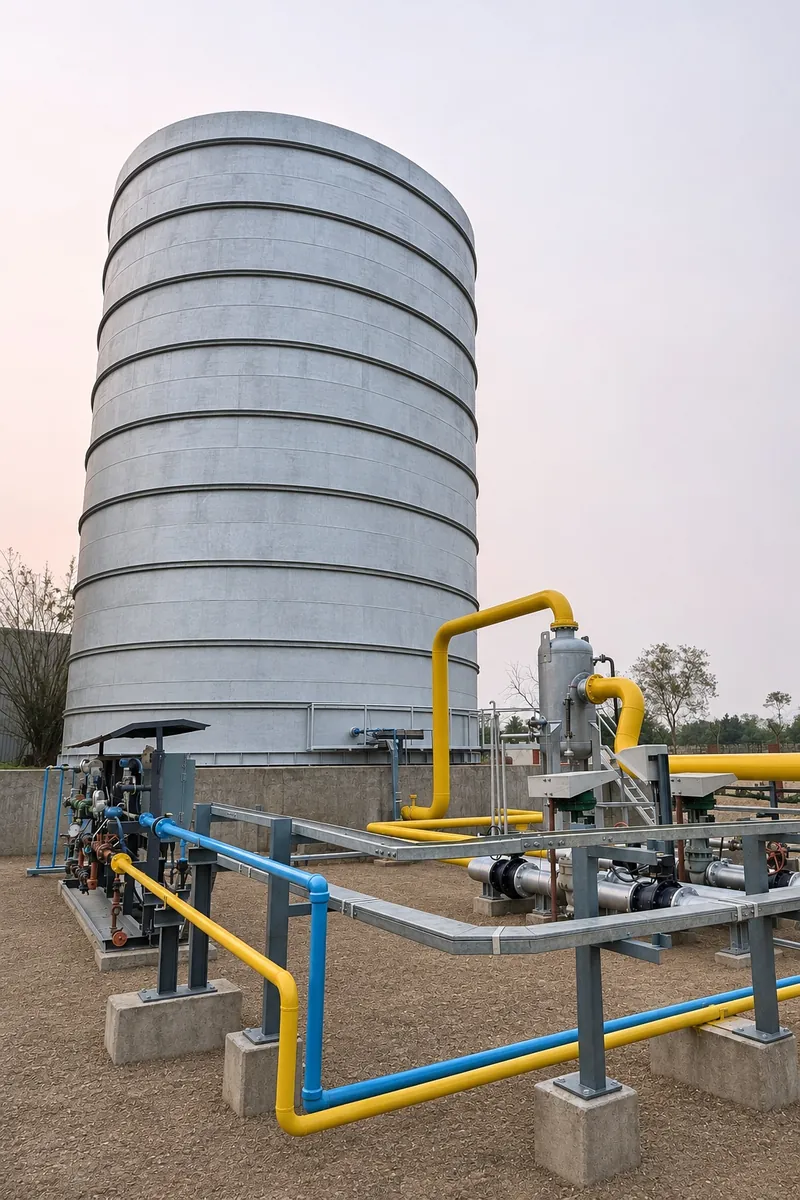
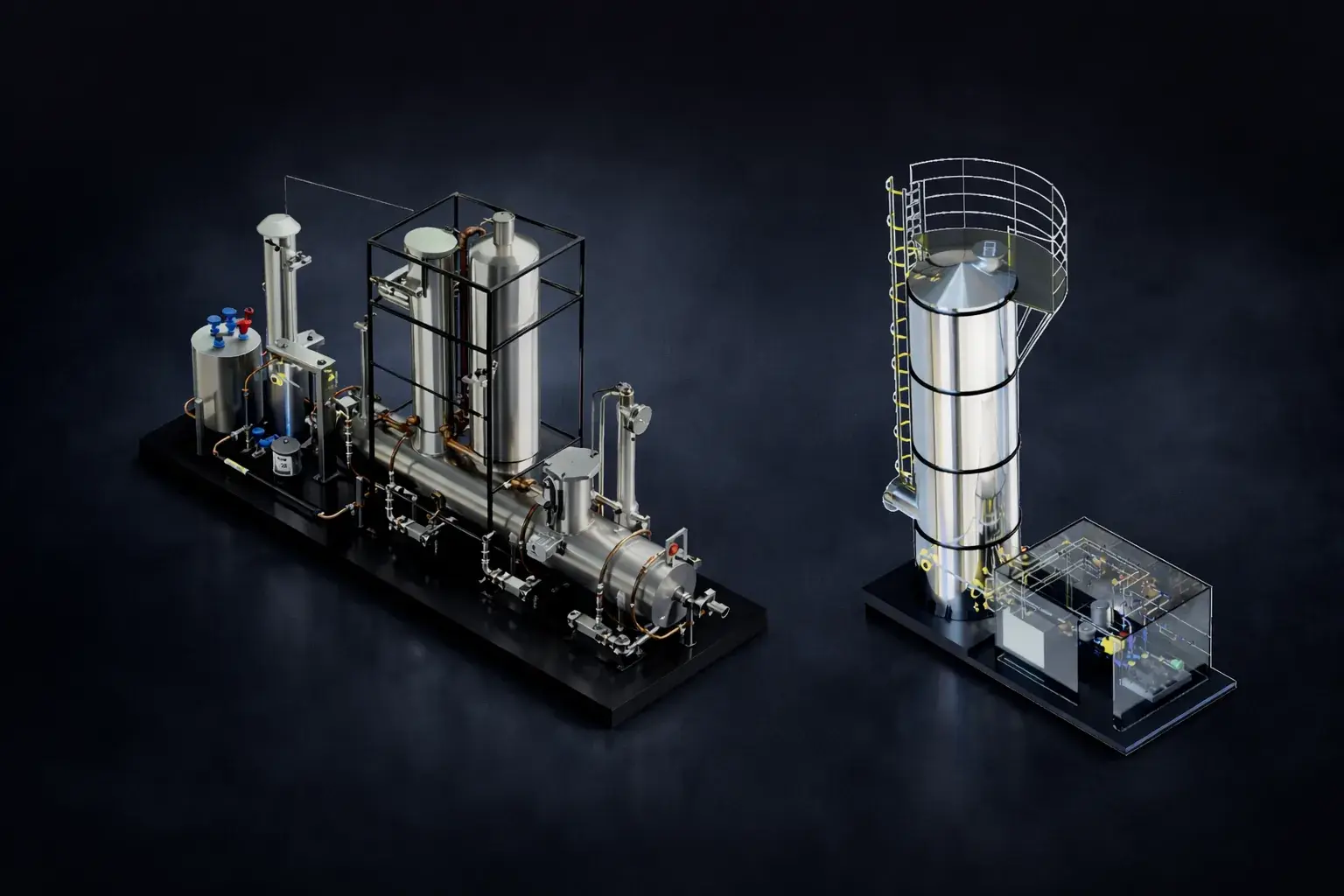
Scrubbing, drying, upgrading and compression are designed together, which removes handover points between vendors.

Relevant Services






Frequently Asked Questions
How do operators manage odour and harmful gases from biogas plants?
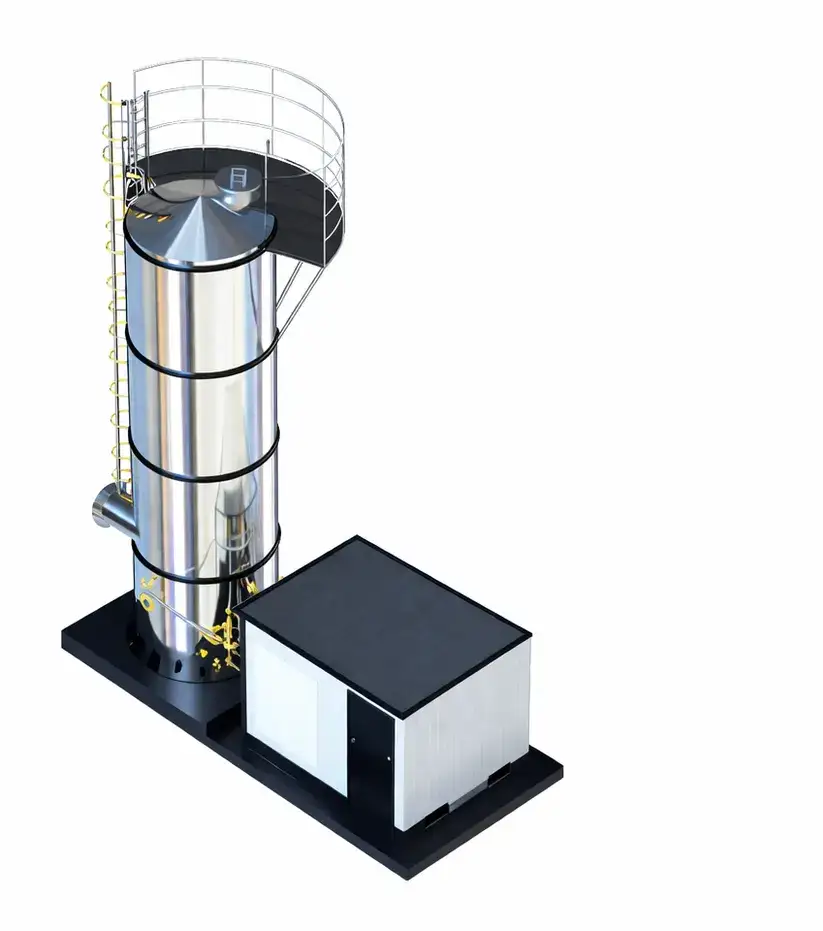
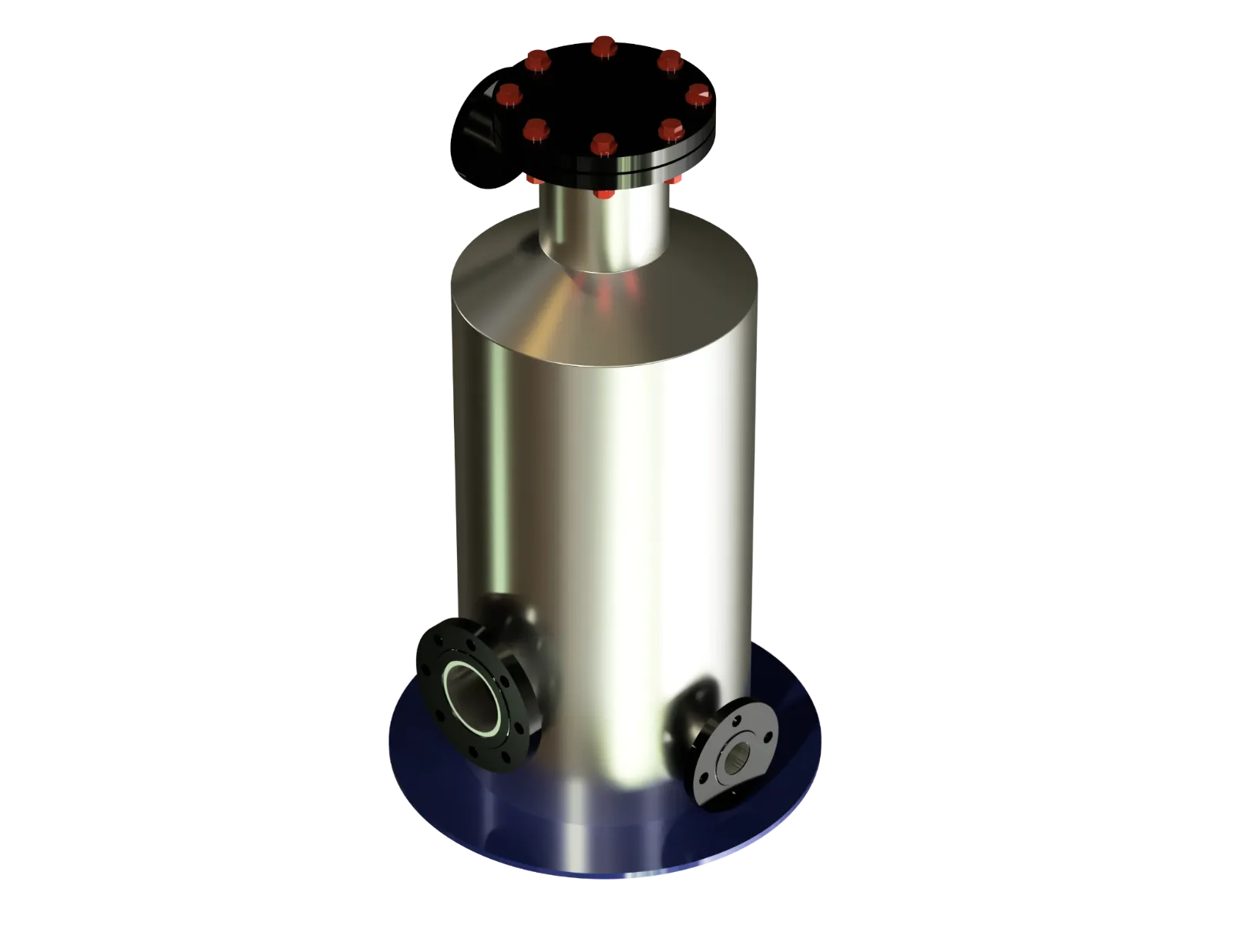
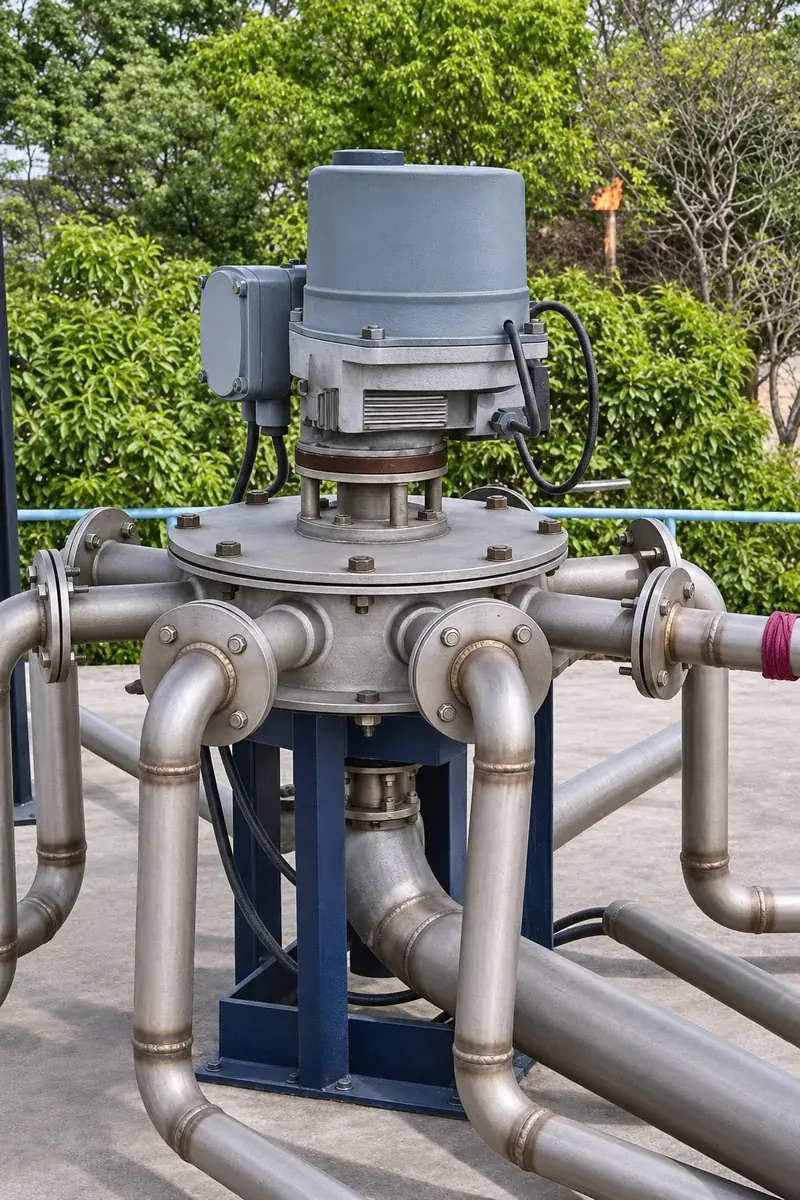
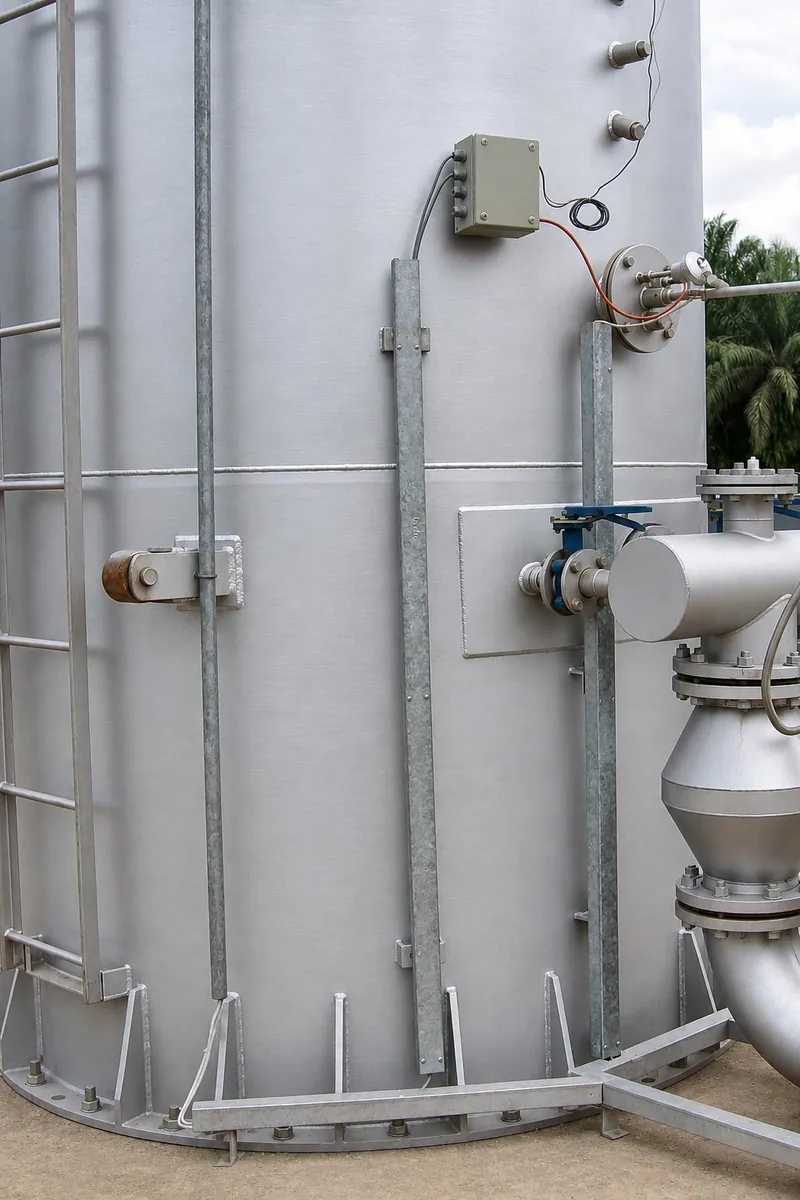
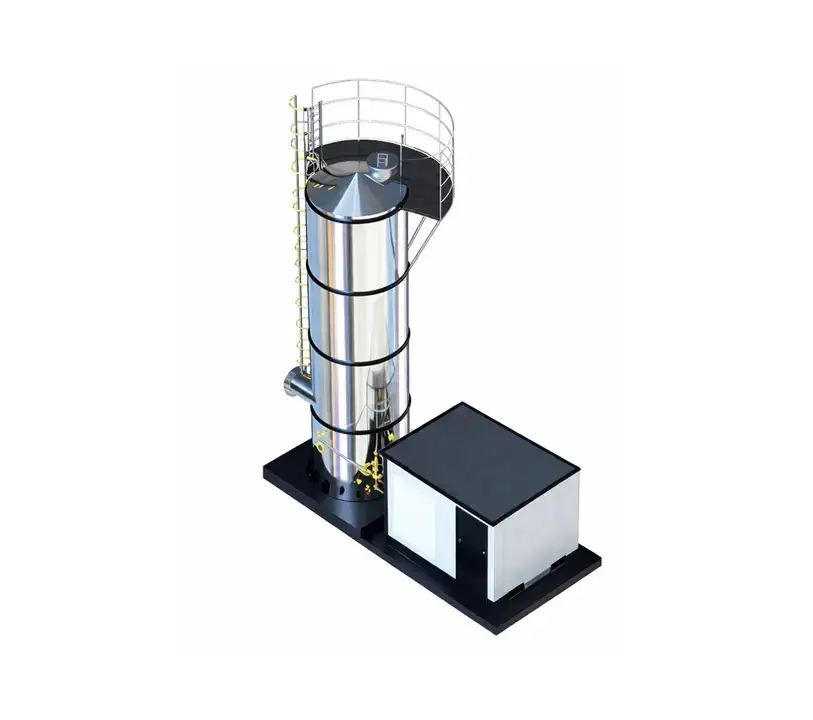
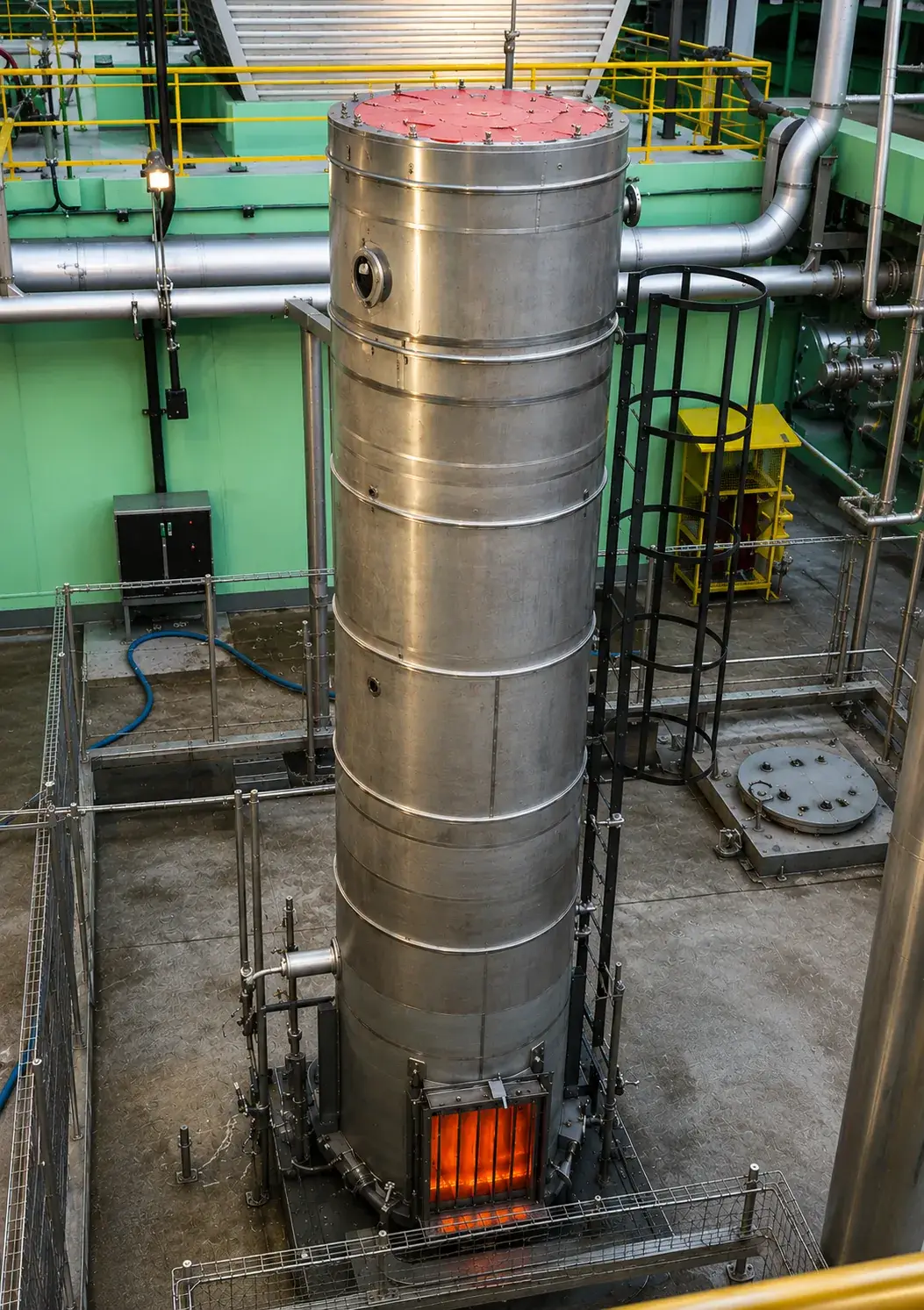
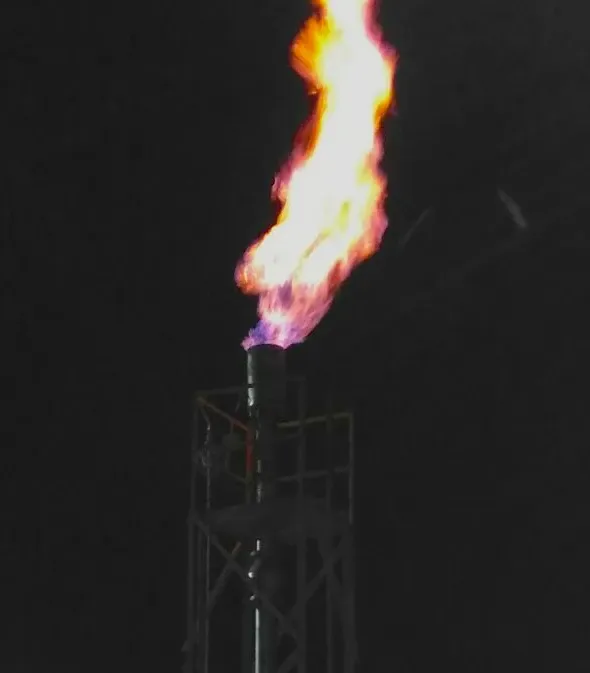
Operators manage odour and harmful gases from a biogas plant by removing hydrogen sulphide (H2S) and volatile organic compounds, the main sources of odour, and by flaring any gas that cannot be used. For gas-engine duty a biological scrubber removes the bulk of the H2S, and for CBG duty a chemical scrubber with biological regeneration does the same without adding air to the gas, followed by activated carbon polishing. Scrubbing and polishing together remove more than 98% of these impurities. A flare with a flame front generator for pilot ignition destroys the methane and odorous compounds during upsets. CRA supplies the scrubbers, flares and ignition systems.
What’s the hidden cost most biogas operators overlook?
Downtime. Every day a plant is offline due to equipment failure or inefficiency equals lost gas revenue. Investing upfront in durability and reliability prevents far bigger losses down the line.