
Air Assist Flares
Smokeless and Efficient Flaring with Supercharged Air Assist
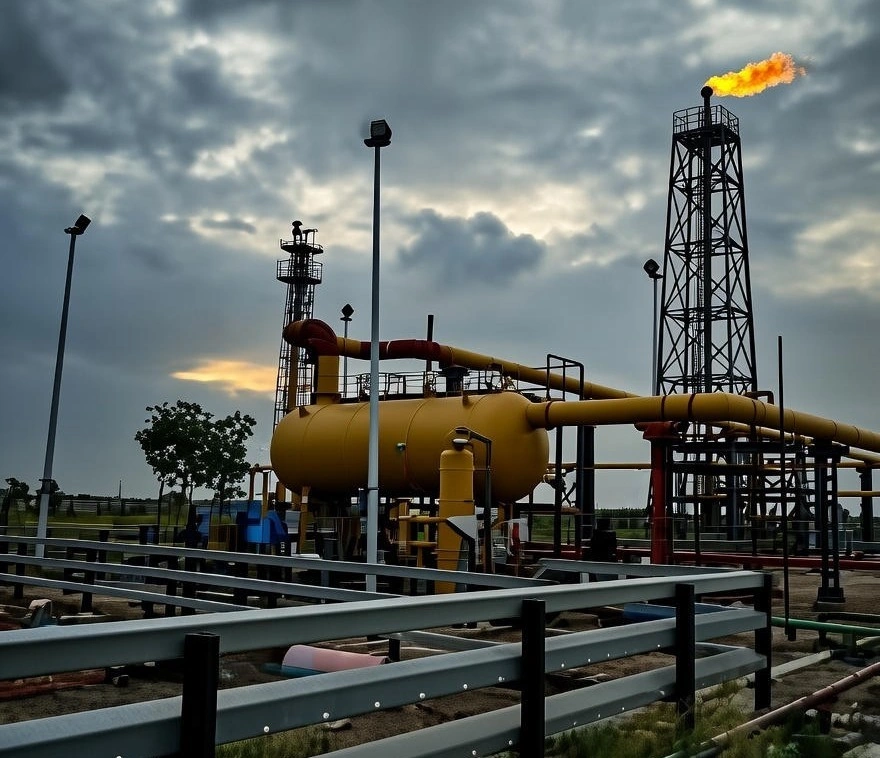
.svg)
Forced-air smokeless combustion for variable-flow waste streams
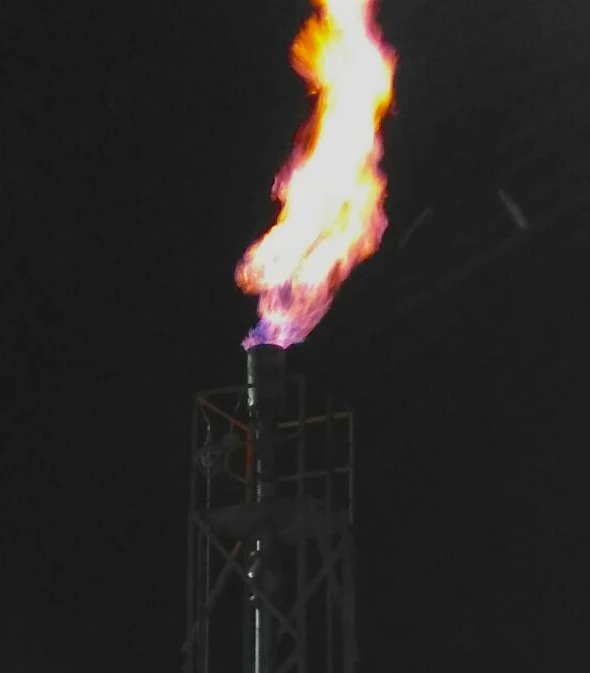
CRA’s Air Assist Flares are engineered to provide smokeless combustion of heavy waste streams by using forced air to improve mixing and combustion efficiency. Ideal for various industrial applications, these flares achieve destruction efficiencies above 98% while ensuring stable flames across a wide range of flow conditions. With rugged construction and automated controls, they deliver safe, smokeless, and environmentally compliant performance.
Destruction Efficiency
>98%
Turndown Ratio
Up to 50:1
Air Source
On-site blower
Standard
API 537
What is a Air Assist Flare?
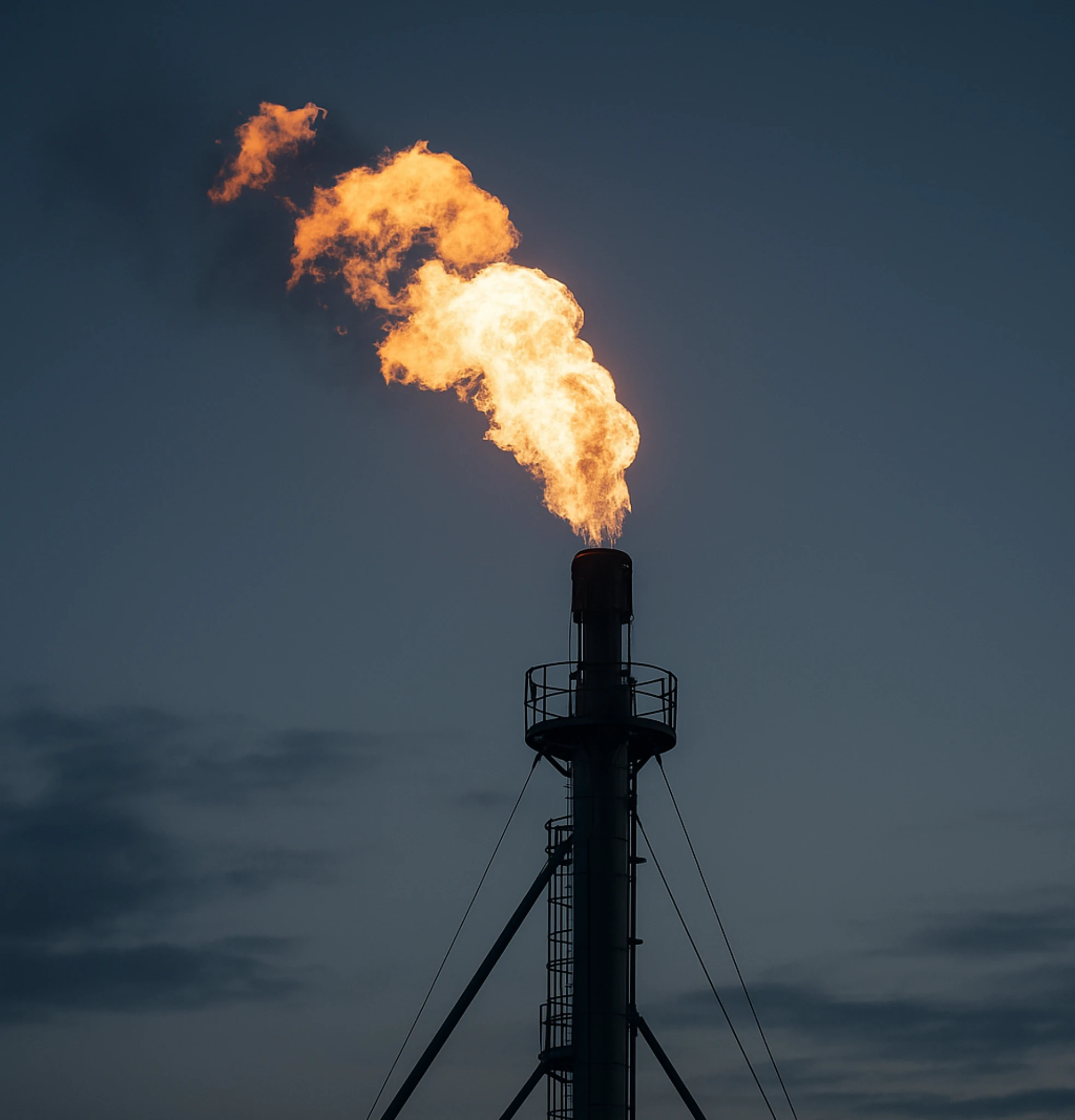
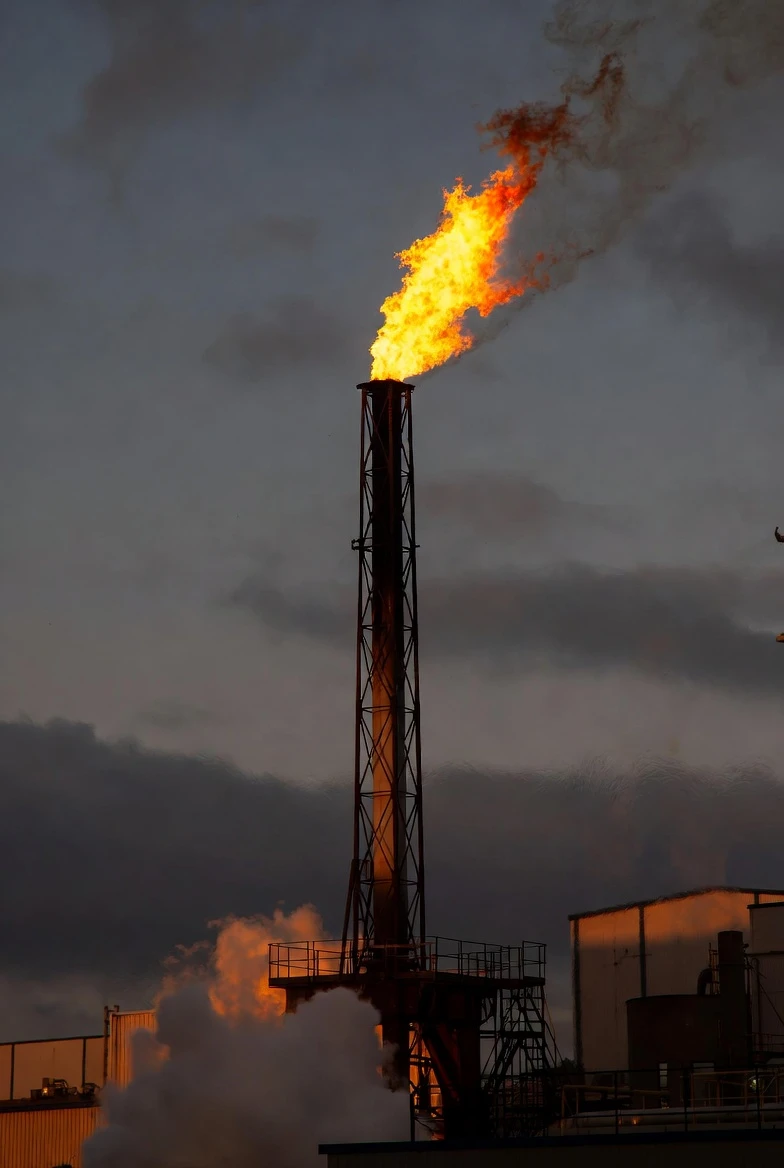
An air assist flare uses forced air, delivered by a blower or fan, to improve mixing and combustion efficiency at the flare tip — achieving smokeless operation for heavy or variable waste gas streams without the infrastructure requirements of steam injection.
How it works
Air delivered by an on-site blower entrains the waste gas at the flare tip, supplying the additional oxygen needed for complete, smokeless combustion.
Air is delivered to the flare tip through a concentric ring or multiple injection ports, entraining the waste gas as it exits.
The entrained air supplies the additional oxygen needed for complete combustion, preventing the soot formation that produces visible smoke.
Air delivery stages across the flow range, from minimum pilot conditions to full emergency relief, maintaining smokeless performance throughout.
Key Benefits
Forced air injection ensures complete combustion of heavy hydrocarbons without visible smoke
High turndown rates ensure stable performance from routine venting to full emergency relief events
CFD-simulated, custom-designed systems guarantee efficiency, reliability, and compliance under site-specific conditions
Advanced tip and staged combustion deliver >98% destruction efficiency, smokeless flames, and reduced greenhouse gases
Designed to meet API 537, EPA 40 CFR 60.18, and global flare emission standards
Projects That Push Boundaries
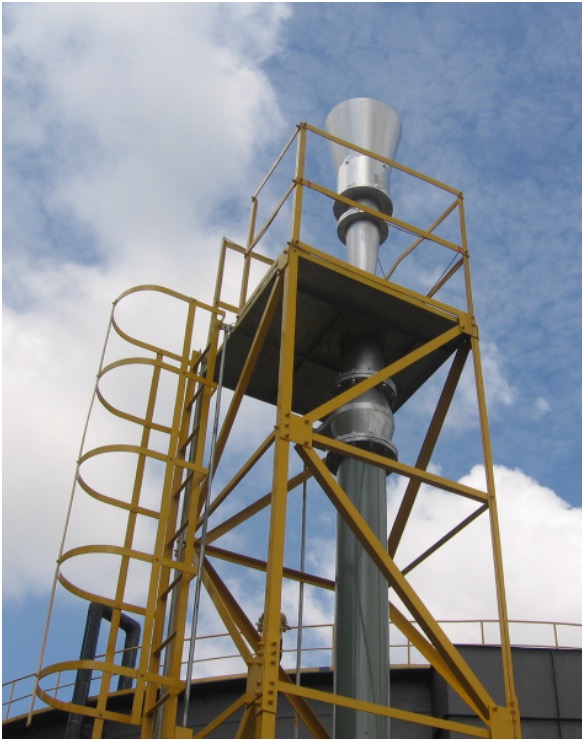
Covers both routine surplus and emergency relief biogas under a single compliant system.
Smokeless performance CFD-validated, with built-in ignition redundancy for uninterrupted field operation.
The CRA Edge
Over 30 years in gas handling and flare engineering
End-to-end design, R&D, and manufacturing under one roof for speed and quality
ISO 9001, ASME Standards, API, and CE
CFD & simulation-driven design, precise fabrication, and unmatched long-term support.
Applications

Built to help you specify.
Sizing tools, decision guides, and technical references. Use them before, during, and after your evaluation.




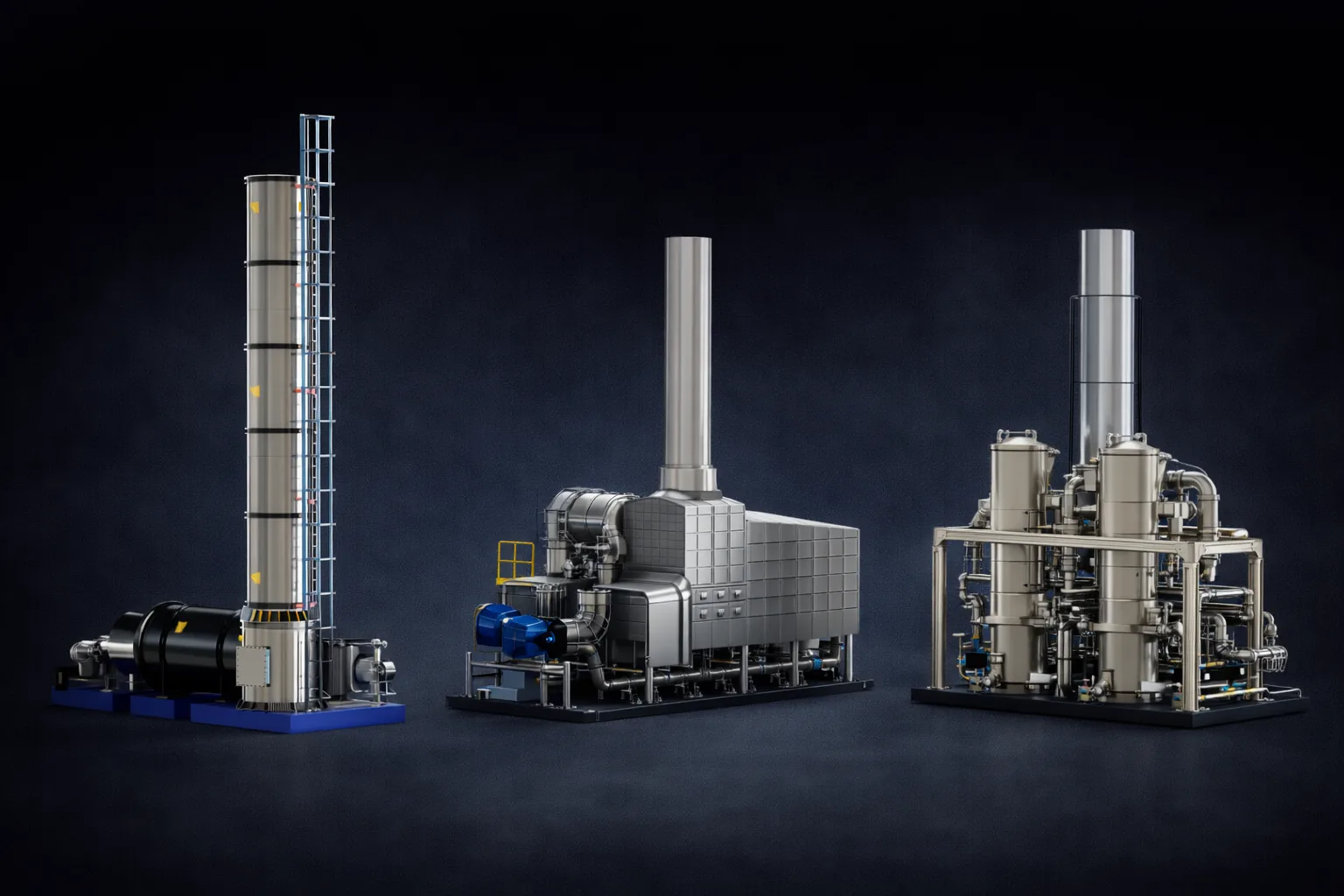
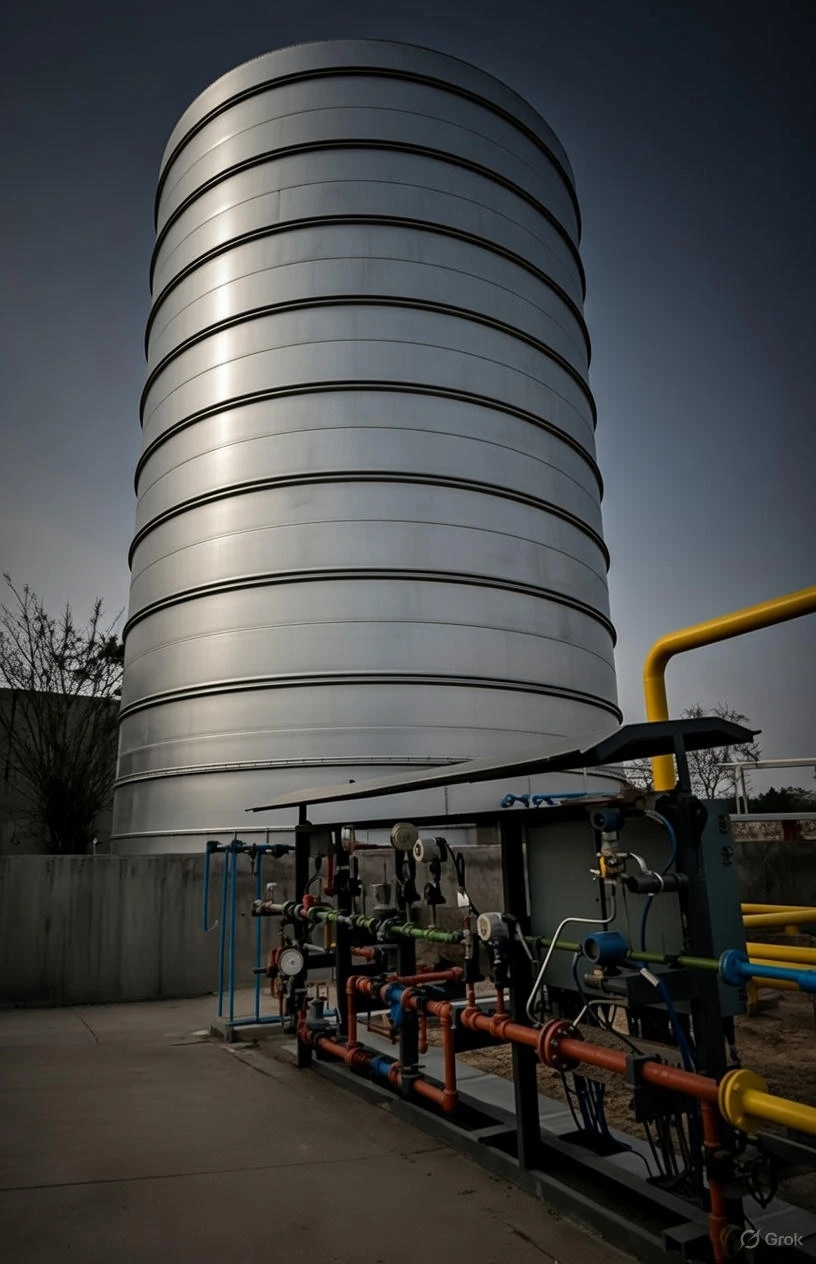
.webp)
Frequently Asked Questions
When is an air-assisted flare the right choice?
An air-assisted flare is the right choice when waste streams contain heavy hydrocarbons that would smoke under unassisted combustion, but the site has no high-pressure steam available. Forced-air injection provides the mixing energy needed for smokeless burn while remaining cheaper to operate than steam-assist on sites without existing utility steam. Best fit when: Waste gas contains heavy hydrocarbons (C3+, aromatics, olefins) prone to smoking; Site lacks reliable high-pressure steam supply; Operating profile includes large variations in flow (turndown) and BTU content; Tank vapors, loading emissions, or low-pressure relief streams are involved; Smokeless operation is required for compliance or community impact.
How does air assist enable smokeless combustion?
Air-assisted flares achieve smokeless combustion by using a high-velocity blower to inject combustion air directly into the flame zone, generating turbulence that fully mixes oxygen with heavy hydrocarbons before they thermally crack into soot. Without that mixing, fuel-rich pockets form, producing visible smoke. How the system works: Blower delivers controlled air flow matched to gas flow and BTU content; Multi-stage tip design distributes air around and into the flame envelope; Staged air injection allows efficient operation across full turndown range; CFD-modelled tip geometry ensures uniform mixing without excess air. The result is destruction efficiency above 98% with no visible smoke, even on heavy hydrocarbon streams.
What destruction efficiency can an air-assisted flare achieve?
Air-assisted flares achieve destruction and removal efficiency (DRE) above 98% for hydrocarbons and VOCs, meeting EPA 40 CFR 60.18 and API 537 requirements. Performance depends on tip design, air-to-gas ratio, and flame stability across the operating range. Performance drivers: Properly sized blower for the design air-assist ratio; Tip geometry that delivers air into the flame envelope, not just around it; Stable pilot system to maintain ignition during low-flow conditions; Adequate residence time at flame temperature for full oxidation. CFD modelling is used to verify mixing and combustion efficiency before fabrication, ensuring the design meets DRE targets across normal, turndown, and emergency relief conditions.
How does an air-assisted flare differ from a steam-assisted or utility flare?
The three flare types differ in how they handle heavy hydrocarbons that would otherwise produce smoke. Air-assist uses a blower, steam-assist uses high-pressure steam injection, and utility (unassisted) flares rely on the gas itself to burn cleanly. Air-assisted — uses a blower; preferred when steam isn't available; lower operating cost than steam at moderate flows; well-suited to tank vapors and low-pressure streams.; Steam-assisted — uses high-pressure steam; highest smokeless capacity and turndown; preferred at very high flows in refineries/petrochemicals where steam is already available.; Utility (unassisted) — no assist medium; lowest capital and operating cost; only suitable for streams that burn smokeless on their own (light hydrocarbons, hydrogen-rich gases) or where smoke is not a regulatory concern.
What standards and certifications apply to air-assisted flares?
Air-assisted flares are designed to meet API 537 (flare details for general refinery and petrochemical service) and EPA 40 CFR 60.18 (general control device requirements). International projects typically also require compliance with the EU Industrial Emissions Directive (IED) and local regulatory frameworks. Common compliance items: Net heating value of combustion zone gas above the regulatory minimum; Exit velocity within limits for stable, smokeless combustion; Continuous pilot monitoring and assured ignition; Records of operating parameters for emissions reporting. CRA flare designs follow ISO 9001, ASME, API, and CE marking requirements, with project-specific certifications added when local regulations require.