
Flame Arrestor
Stop Flashback. Safeguard Operations. Ensure Compliance.
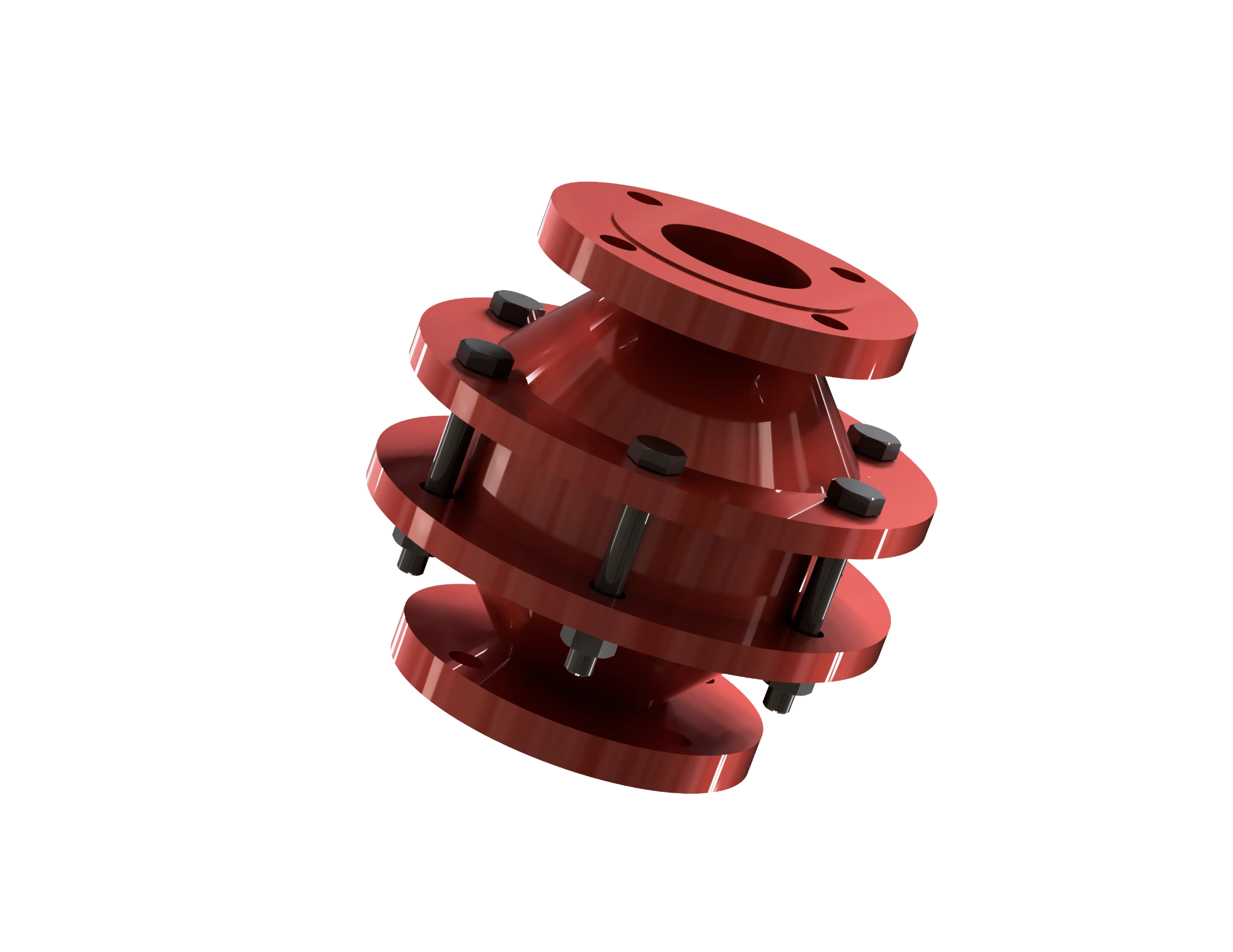

Crimped-element flame quenching for pipeline and vent protection
CRA’s Deflagration Flame Arresters are engineered to prevent flame flashback in pipelines and vent systems, protecting critical equipment and personnel from ignition hazards. By quenching the flame front through precision-engineered crimped ribbon elements, our arresters safely allow gas flow while extinguishing potential flame propagation. Designed for demanding industrial environments, these units deliver long-term, low-maintenance performance with tested reliability under global safety standards (ATEX / ISO 16852).
Function
Deflagration flame quenching
Element
Crimped ribbon
Standards
ATEX, ISO 16852
Application
Pipeline & vent systems
What is a Flame Arrestor?
A flame arrestor is a passive safety device that prevents flame propagation through pipelines and vent systems by forcing the gas stream through a matrix of narrow channels that quench the flame front, while allowing normal gas flow to pass through unimpeded.
How it works
Gas flows through a precision-engineered crimped ribbon element that quenches any flame attempting to cross it while letting normal flow pass through unimpeded.
A corrugated and flat metal strip are wound together into a crimped ribbon element, creating a dense matrix of narrow parallel channels sized below the gas's Maximum Experimental Safe Gap (MESG).
When a flame front enters the element, the narrow channels pull heat away from the flame faster than the combustion reaction can sustain itself, extinguishing it before it crosses to the other side.
Normal gas flow passes through the same channels unimpeded, with element geometry sized to the design flow rate so quenching performance and pressure drop both stay within required limits.
Key Benefits
Prevents flame propagation back into the flare header using a stable water seal barrier
Dip-tube depth and seal level are optimized for safe, reliable flare operation
Minimizes gas surges, reducing flare flame instability and mechanical stress
Tailored for capacity, pressure, and integration with knockout drums or recovery units
Built with corrosion-resistant materials and equipped for freeze protection where required
Projects That Push Boundaries
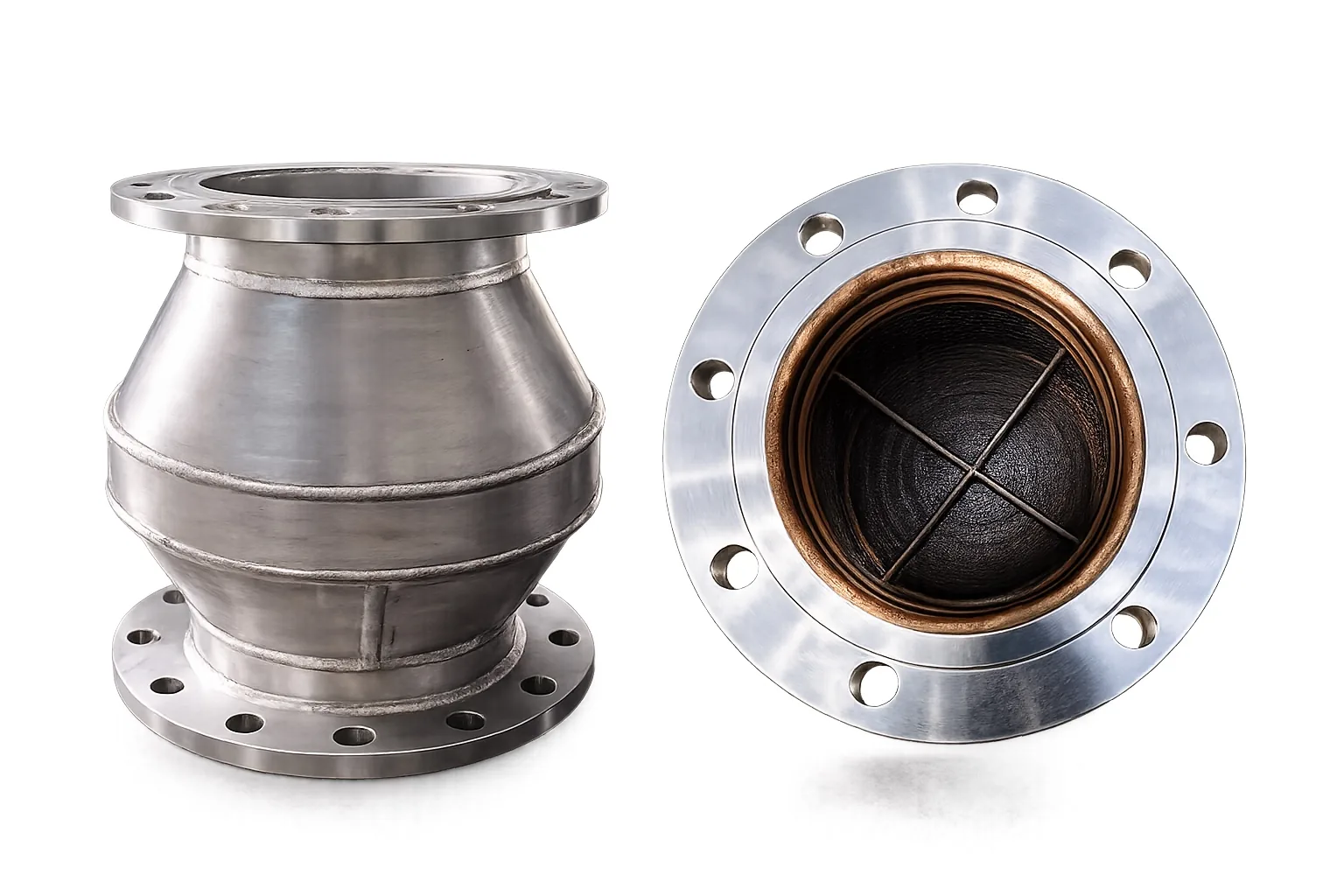
Certified propagation protection across DN 80–500 for variable methane content and trace H2S.
The CRA Edge
30+ years of expertise solving the toughest safety challenges
End-to-end design, R&D, and manufacturing under one roof for speed and quality
ISO 9001, ASME Standards, API, CE
Customized designs meet your exact process needs and strictest regulations
Applications


Frequently Asked Questions
What does a flame arrestor do?
A flame arrestor prevents flame flashback through a pipeline or vent system by quenching the flame front as gas passes through precision-engineered crimped ribbon elements, allowing normal gas flow through while extinguishing any flame trying to propagate back. It protects upstream equipment and personnel from ignition hazards without blocking process flow.
How does a crimped ribbon flame arrestor actually stop a flame?
The crimped ribbon element creates many narrow, high-surface-area gas passages; as flame tries to pass through, the passage walls absorb heat faster than the flame can propagate, quenching it below the temperature needed to sustain combustion. This passive quenching mechanism works continuously without moving parts or an external control system.
What standards do flame arrestors need to meet?
Flame arrestors are tested and certified against global safety standards, most commonly ATEX and ISO 16852, which define flame-quenching performance for deflagration and detonation scenarios depending on the arrestor's rating. CRA's flame arrestors are designed and tested against these standards for long-term, low-maintenance reliability.
Where are flame arrestors installed relative to a flare or vent system?
Flame arrestors are typically installed in pipelines and vent systems ahead of the point where flashback could travel upstream, and are commonly integrated with knockout drums or flare gas recovery units as part of the same protection scheme. CRA custom-engineers each unit for the site's capacity, pressure, and integration requirements.
Can a flame arrestor handle biogas and other corrosive gas streams?
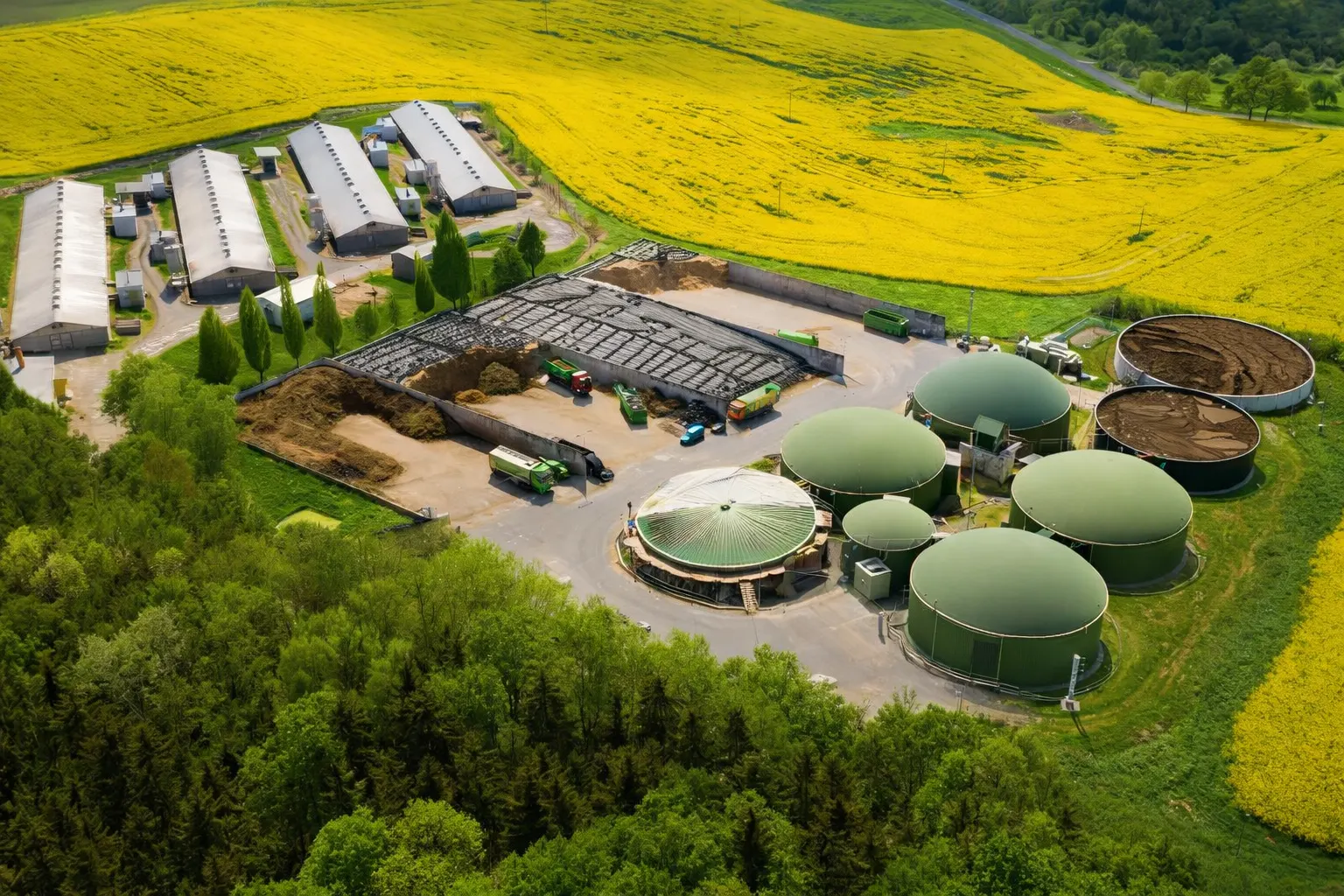
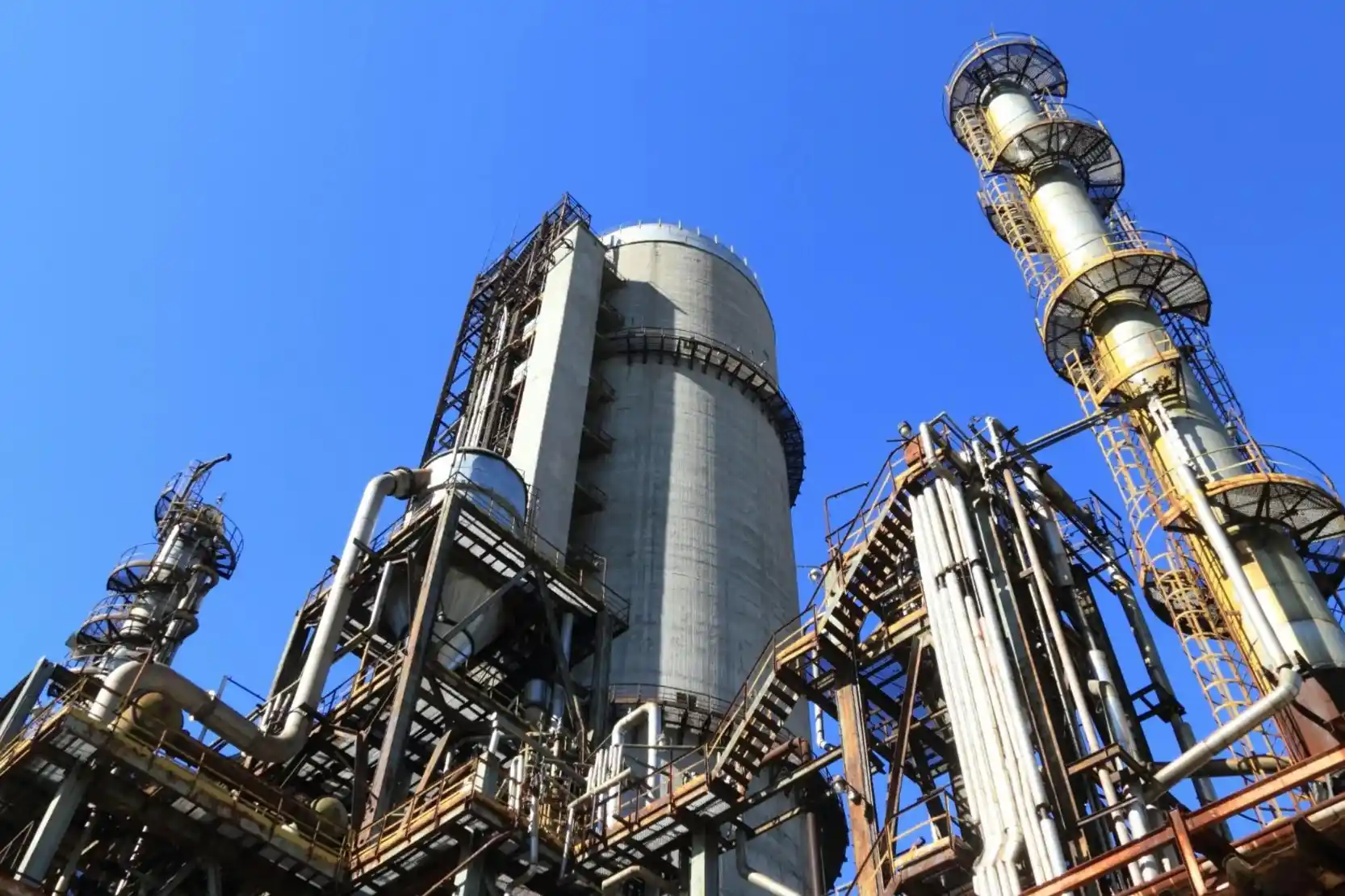
Yes. CRA's flame arrestors are built with corrosion-resistant materials and can include freeze protection where required, and are specified across biogas and oil and gas applications where the gas stream itself is corrosive or moisture-laden. Element material and housing are selected to match the specific gas composition rather than a single standard build.