
Pulp and Paper
Talk to CRA's engineers about your
Pulp and Paper
project.
Explore Other Industries
Industry Challenges
Paper and pulp mills run complex chemical and thermal processes that generate a range of air and water emissions. Managing black liquor, bleaching vents, and process condensates while keeping energy systems efficient creates technical and regulatory pressure. These are the challenges that matter most.

Pulping, bleaching and storage operations produce vents with variable flow, heat value and chemical composition, making consistent destruction difficult.
Bleaching and kraft processes release volatile organic compounds, reduced sulphur compounds and particulates that create odour, health concerns and regulatory exposure.
Recovery boilers are critical for chemical recovery and steam generation. Handling black liquor safely while minimising NOx and particulate emissions is a continuous challenge.
Tail gas from recovery, upgrade, and condensate treatment can be dilute, low in energy, and corrosive. Systems must balance destruction efficiency with robust materials and heat recovery.
The CRA Edge
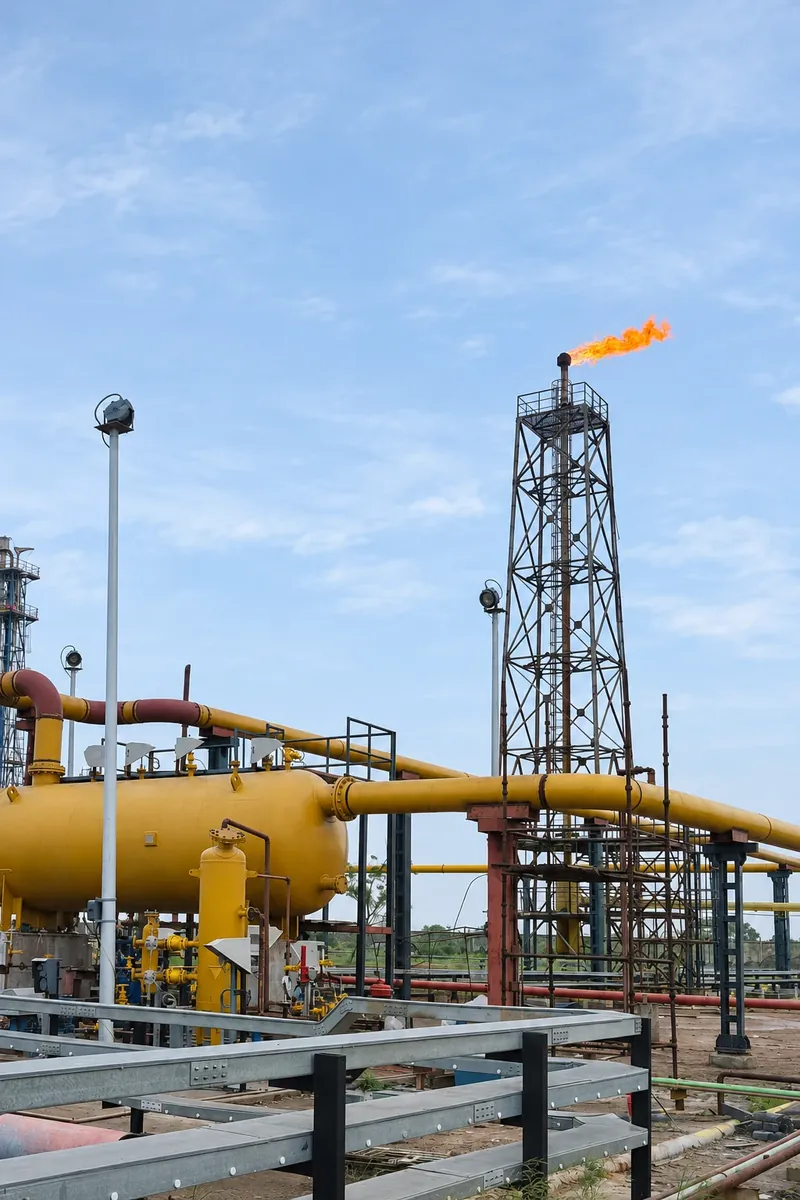
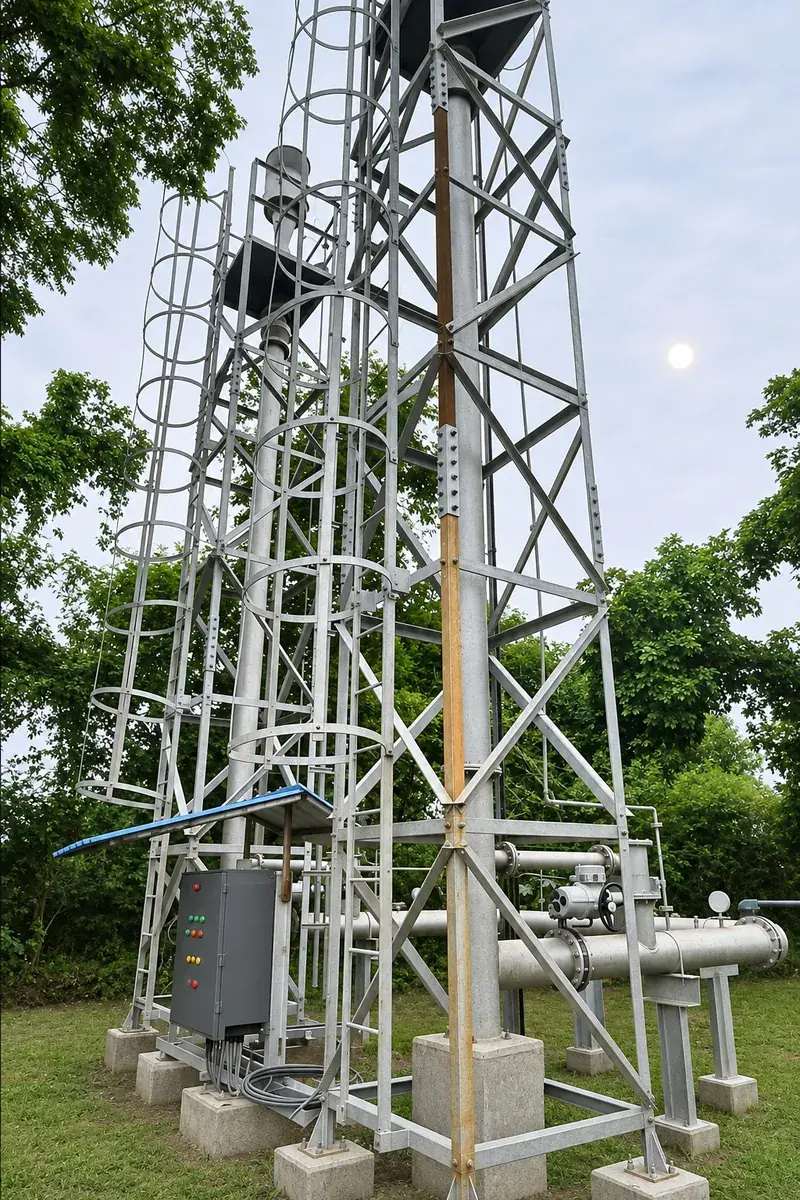
CRA has decades of experience delivering flare and combustion safety systems.
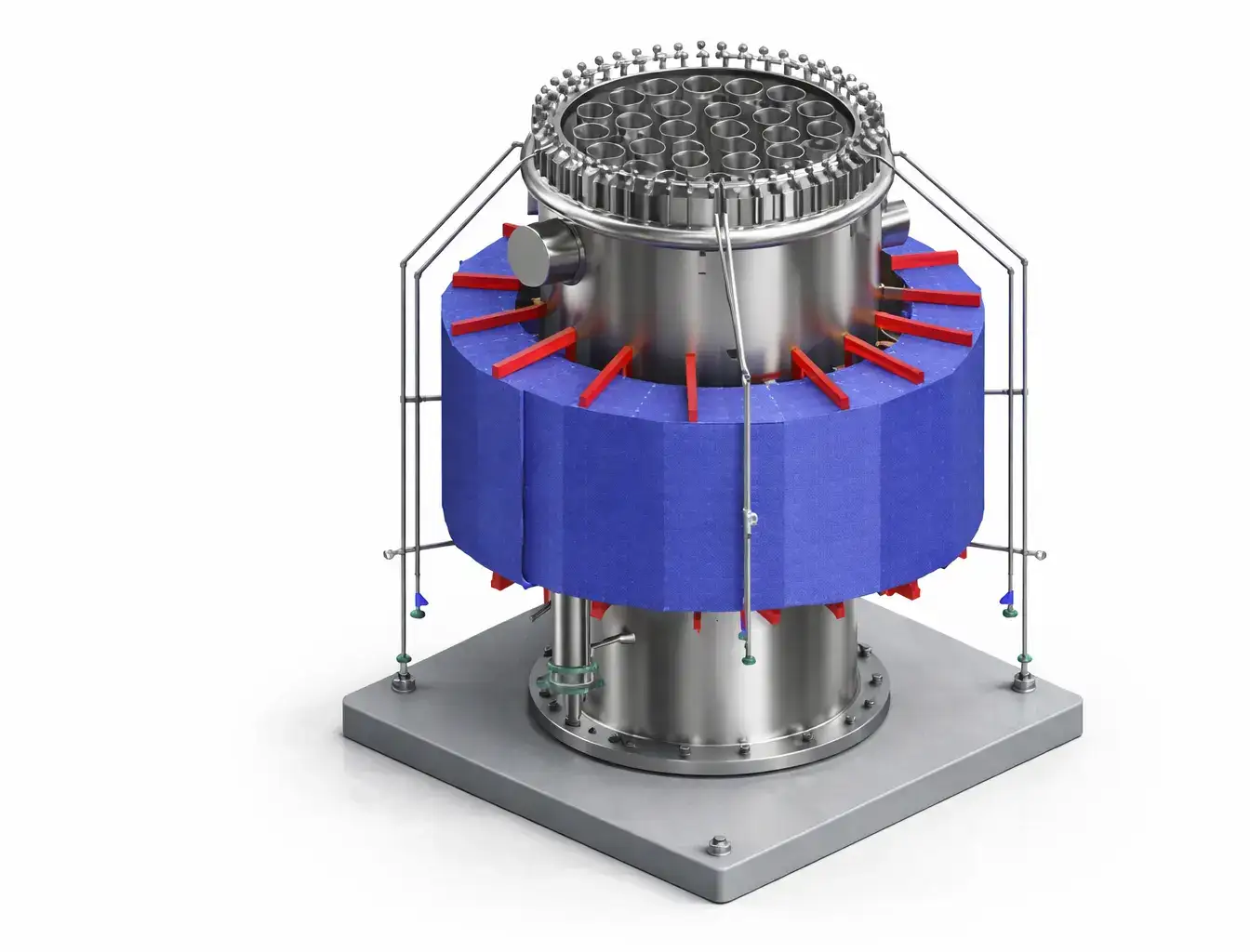
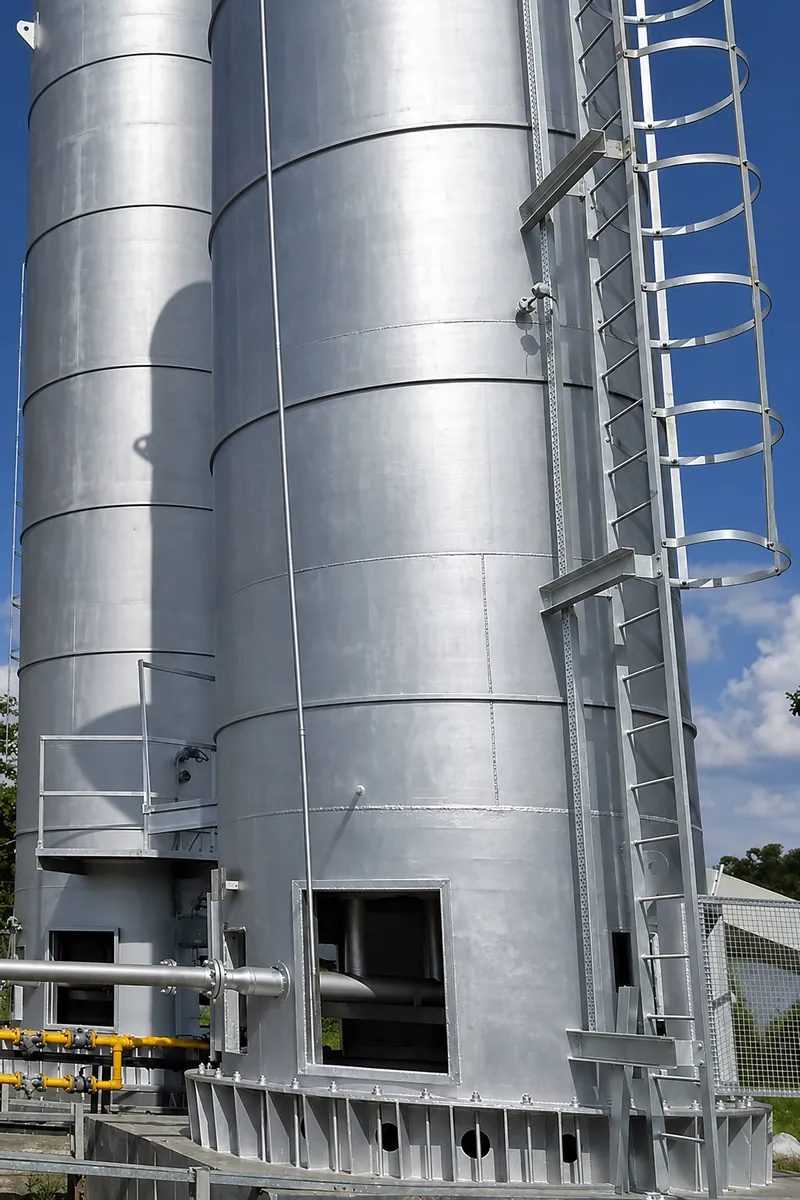
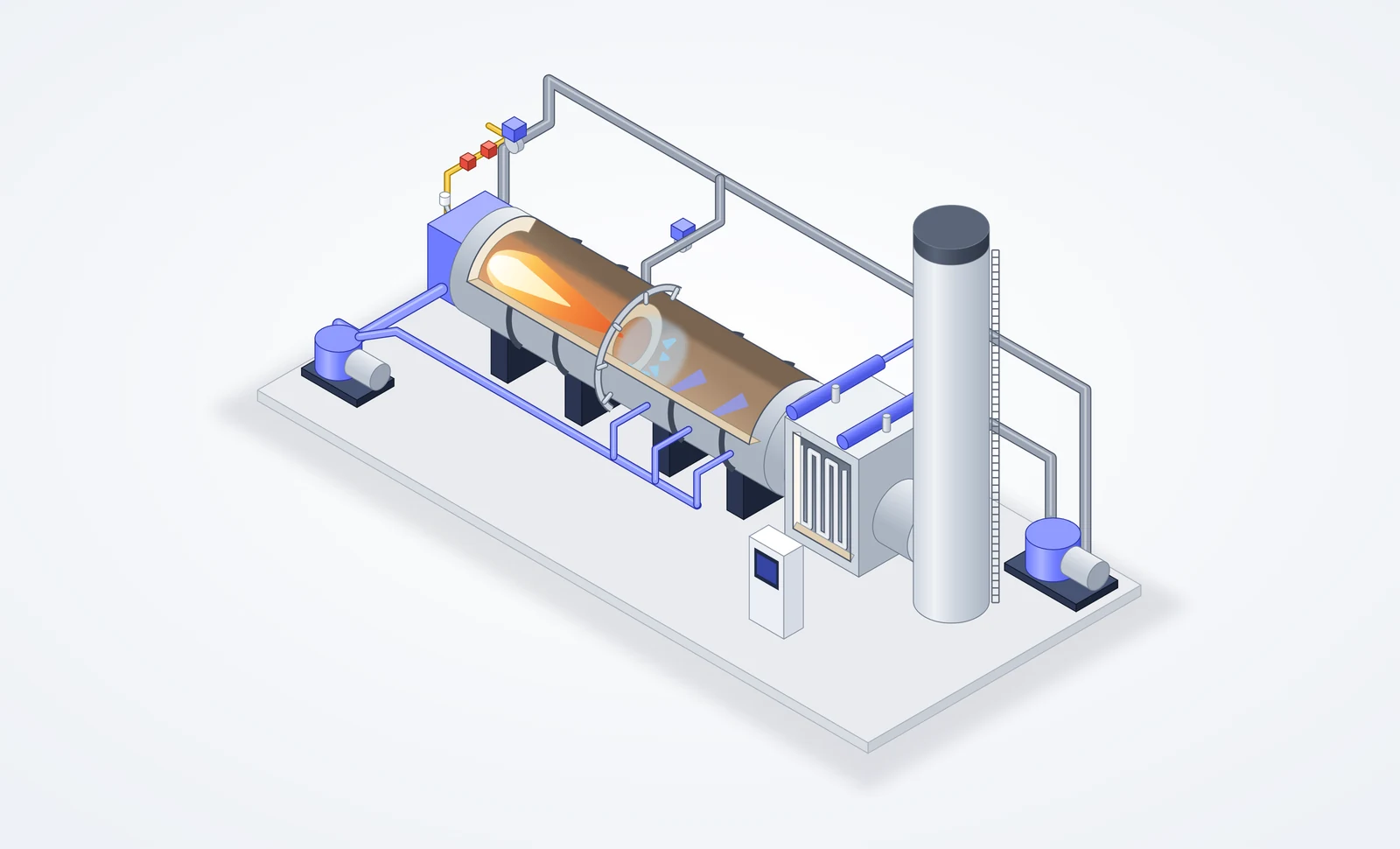
Engineered gas treatment and combustion systems reduce emissions and support compliance with emission limits.
Integrated heat recovery improves mill efficiency.
Premium alloys, rugged designs and proven engineering are chosen for long-term reliability.




Projects That Push Boundaries

Related Blogs
Frequently Asked Questions
Why are bleaching and pulp vents so difficult to treat?
They vary in flow and chemistry and often contain low concentrations of VOCs, reduced sulphur compounds and moisture which complicates destruction and materials selection.
How do mills manage corrosive tail gas and condensates?
By selecting suitable alloys, coatings and scrubbers, and by using enclosed oxidation systems or specialty thermal oxidizers designed for acid.
What monitoring is needed for compliance?
Continuous emissions monitoring for VOCs, NOx and particulate, plus periodic DRE testing and process emissions inventories, support regulatory compliance and ESG reporting.