
Portable Mobile Flare
Portable, Mobile Flare Systems for On-Site Flexibility
.svg)
Rapidly deployable combustion for temporary and remote operations
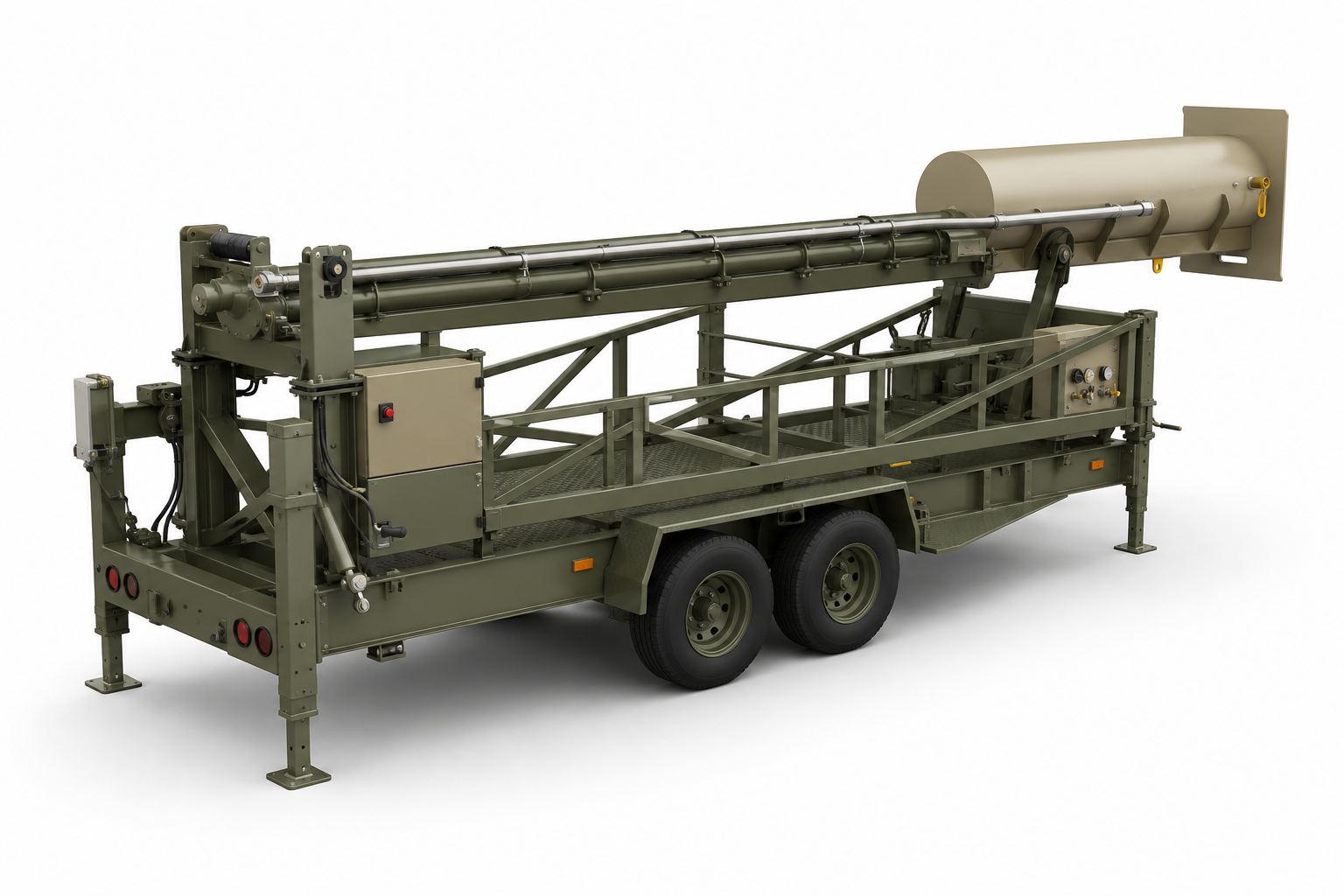
CRA’s Portable and Mobile Flares are designed for rapid deployment and safe combustion of waste gases in temporary, remote, or emergency applications. Mounted on trailers or skids, these systems are easy to transport, set up, and operate, providing stable combustion with integrated pilots, ignition systems, and controls. They are ideal for short-term operations, field testing, and locations where permanent flares are not feasible.
Destruction Efficiency
>98%
Mount
Trailer or skid
Setup Time
Same day
Standard
API 537
What is a Portable Mobile Flare?
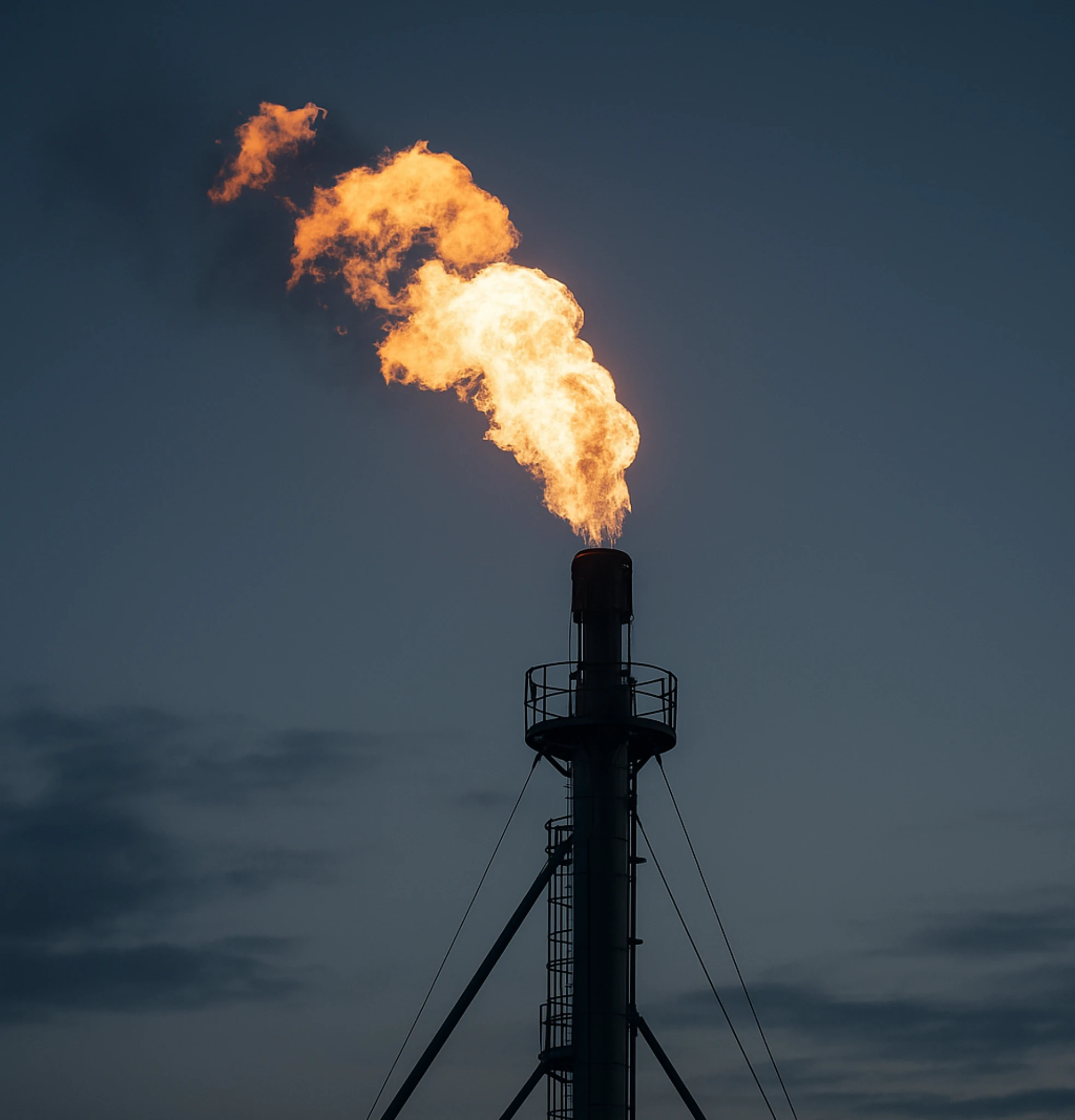
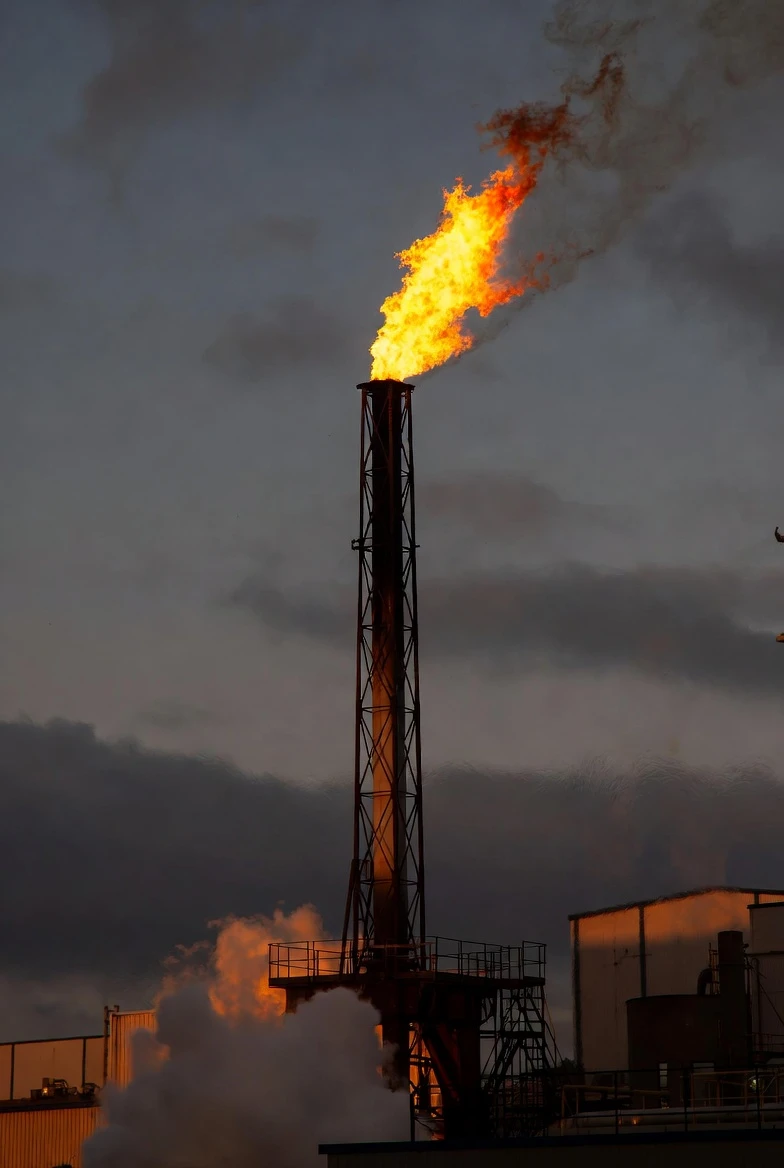
A portable mobile flare is a self-contained combustion unit mounted on a road-legal trailer or compact skid, designed to be transported between sites and operational within hours of arrival for temporary field operations, well testing, and remote or emergency flaring.
How it works
A portable mobile flare moves through transport, connection, and operation as a single self-contained unit, with no permanent site infrastructure required at any stage.
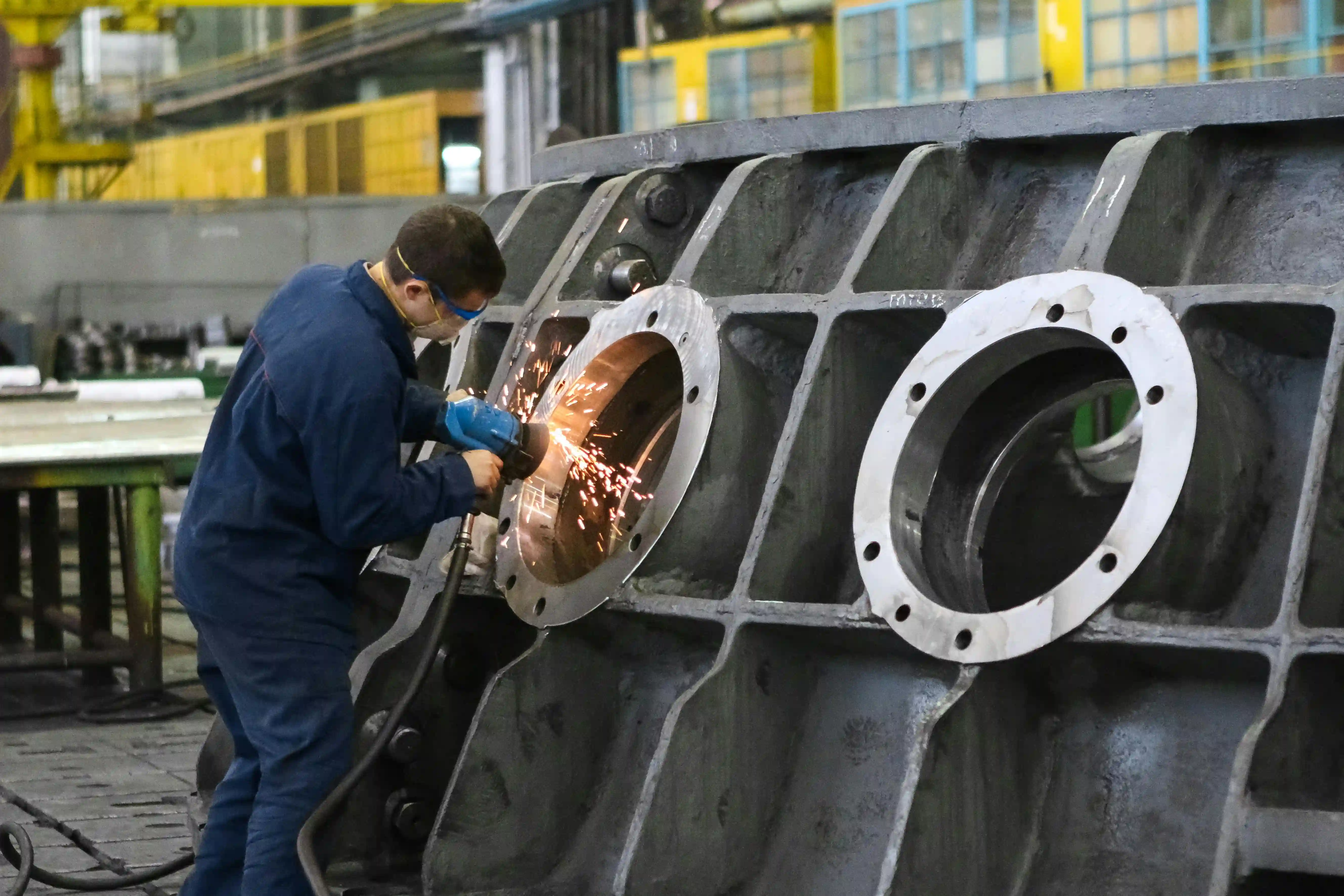
The burner, pilot assembly, ignition panel, and flow control are integrated into a single trailer-mounted or skid-mounted unit before it leaves CRA's facility.
On arrival, the unit connects to the gas source through flexible hose or quick-connect fittings, without permanent piping or civil work.
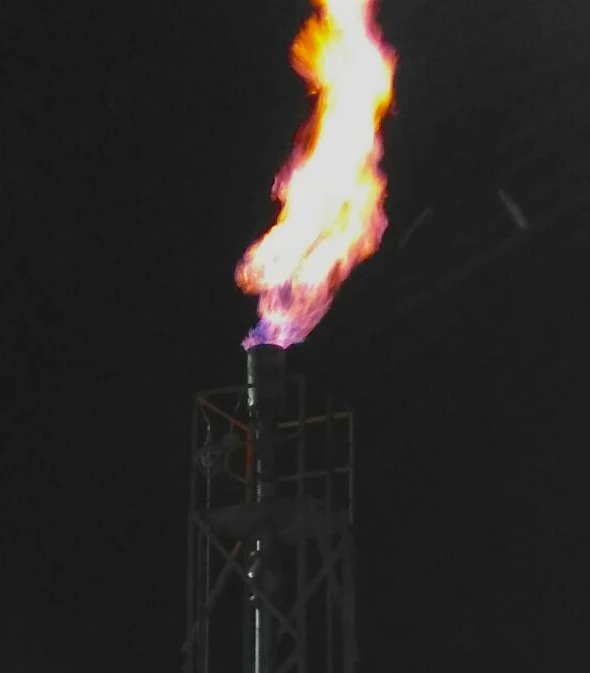
Automated pilots and flame monitoring maintain safe, continuous combustion for the duration of the deployment.
Between deployments, the unit is inspected, pressure-tested, and re-certified before it's released for the next assignment.
Key Benefits
Trailer or skid-mounted design enables fast mobilization and commissioning at any site
Compact and mobile systems can be easily moved between locations as operational needs change
Equipped with pilots, ignition, and controls for reliable performance in the field
Handles a wide range of gas types and flow conditions, from vent gas to emergency relief
Engineered for durability and repeat use across multiple projects and environments
Projects That Push Boundaries
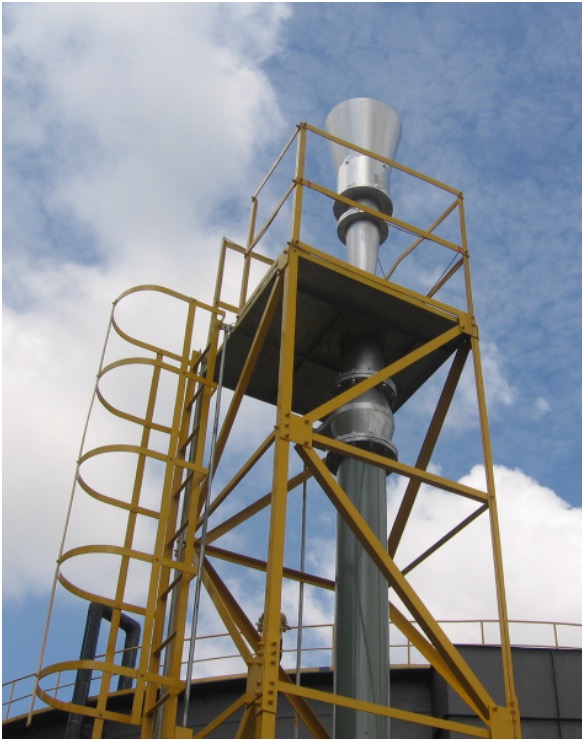
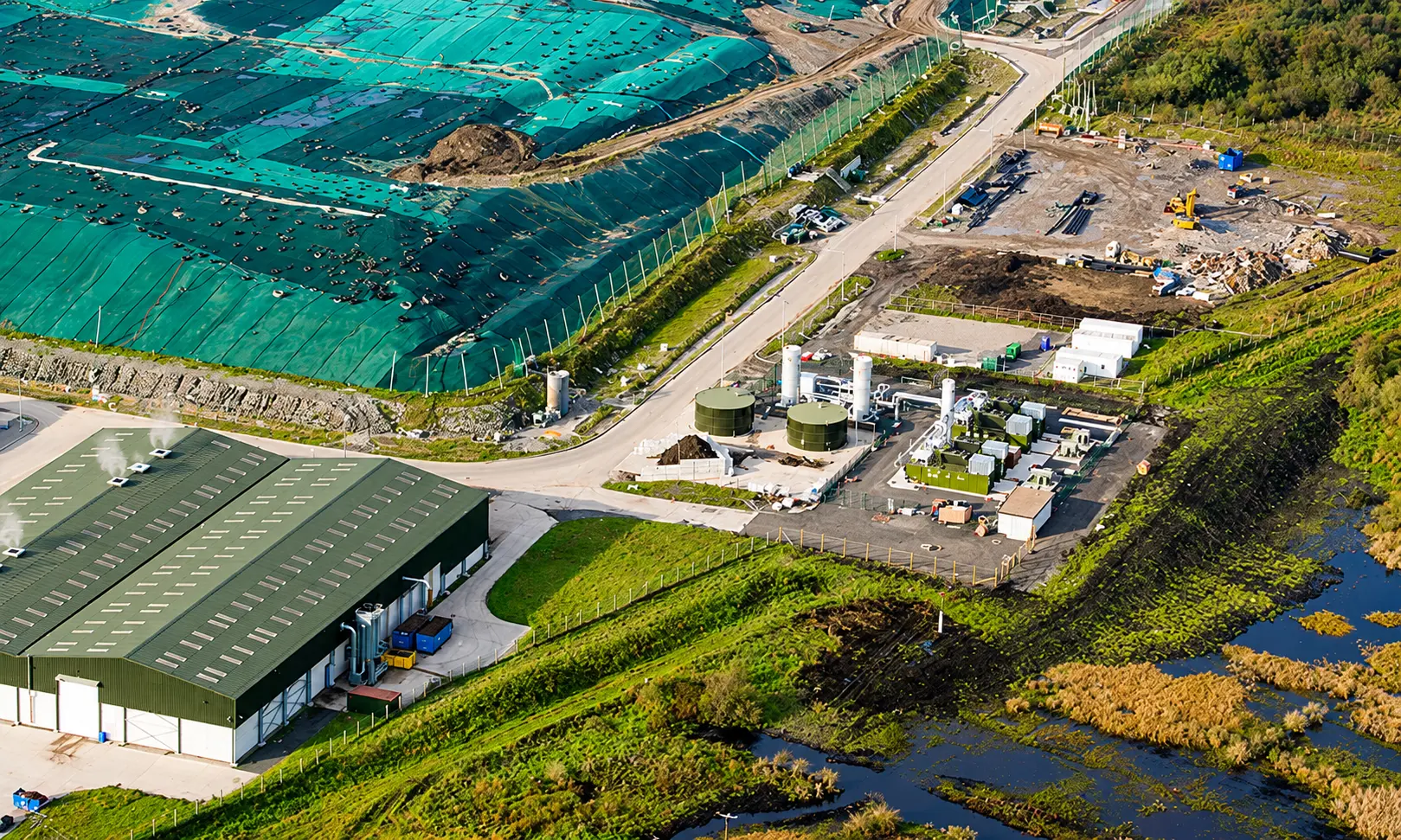
Covers both routine surplus and emergency relief biogas under a single compliant system.
The CRA Edge
Over 30 years in gas handling and flare engineering
End-to-end design, R&D, and manufacturing under one roof for speed and quality
ISO 9001, ASME Standards, API, and CE
Customized designs meet your exact process needs and strictest regulations.
Applications
.webp)

Built to help you specify.
Sizing tools, decision guides, and technical references. Use them before, during, and after your evaluation.





.webp)
Frequently Asked Questions
When does a portable mobile flare make more sense than a permanent installation?
A portable mobile flare makes sense when flaring needs are temporary, intermittent, or geographically distributed — well testing, pipeline tie-ins, plant turnarounds, commissioning, and remote operations where building a permanent flare isn't justified by duration of use. Best fit scenarios: Plant turnarounds and shutdowns requiring temporary gas disposal; Well testing and pipeline commissioning at remote locations; Emergency response when permanent flare is offline; Multi-site programs where one unit can rotate between locations; Temporary biogas plants during commissioning before permanent flare is ready. For continuous service at a fixed site, a permanent flare offers better lifecycle economics and integration with plant utilities.
How quickly can a portable flare be deployed and commissioned?
A pre-engineered portable flare can typically be on-site within days and operational within 24–72 hours after arrival, depending on transportation logistics and site preparation. Trailer-mounted units are ready faster than skid-mounted because they don't require crane lifting. Typical deployment sequence: Mobilization — depends on distance and transport mode (road, sea, air); Site arrival to operational — 24–72 hours for trailer-mounted, 2–5 days for skid-mounted requiring foundations; Includes: positioning, anchoring, gas piping connection, pilot ignition, control system check, function test. Faster deployment is possible when site preparation (clear pad, gas tie-in points, electrical hookup) is completed before the unit arrives.
What gas types and flow rates do portable flares handle?
Portable flares typically handle gas flows from a few hundred kg/hr up to 50,000+ kg/hr depending on size, with multiple unit sizes available to match application needs. Standard service includes hydrocarbon vents, biogas, low-BTU streams, and emergency relief. Typical service range: Small portable: well testing, biogas plant commissioning, small process vents; Medium portable: pipeline tie-ins, small refinery turnarounds, temporary plant operations; Large portable: major plant turnarounds, large gas processing operations, emergency replacement of permanent flares. Sour gas, acid gas, and high-pressure streams may require specialized portable units with upgraded materials and pilot systems.
What's included in a trailer-mounted vs skid-mounted portable flare package?
Both configurations include the flare stack, tip, pilot system, ignition, controls, and integral piping. The difference is the base — trailer-mounted units roll on wheels for road transport; skid-mounted units sit on a structural skid and require crane lifting. Trailer-mounted — fastest deployment; lower stack height (typically <15 m); ideal for short-duration jobs and frequent relocation; road-legal towing.; Skid-mounted — taller stacks possible (15–30+ m); higher peak flow capacity; better for mid-to-long deployments; transported by truck and lifted into position.; Both include: integrated control panel, pilot fuel supply (or gas tap), ignition system, flame detection, gas inlet flange, structural anchoring points. Selection depends on duration, peak flow, available crane access, and site mobility requirements.
Can portable flares meet the same emission standards as permanent units?
Yes. Portable flares are designed to meet the same regulatory standards as permanent units — API 537, EPA 40 CFR 60.18, and applicable local emissions limits. The portable form factor doesn't compromise compliance; tip design, pilot reliability, and control logic match permanent flare requirements. Standard compliance features: Continuous pilot flame monitoring; Assured ignition system (typically dual or redundant); Tip designed for stable, smokeless combustion within the design flow range; Operating parameter logging for emissions reporting. For sour or acid service, materials and tip components are upgraded to match the gas composition. Emissions performance is verified during commissioning.