
Rental Flare
Flexible, Fast-Deployment Flares for Temporary and Emergency Needs
.svg)
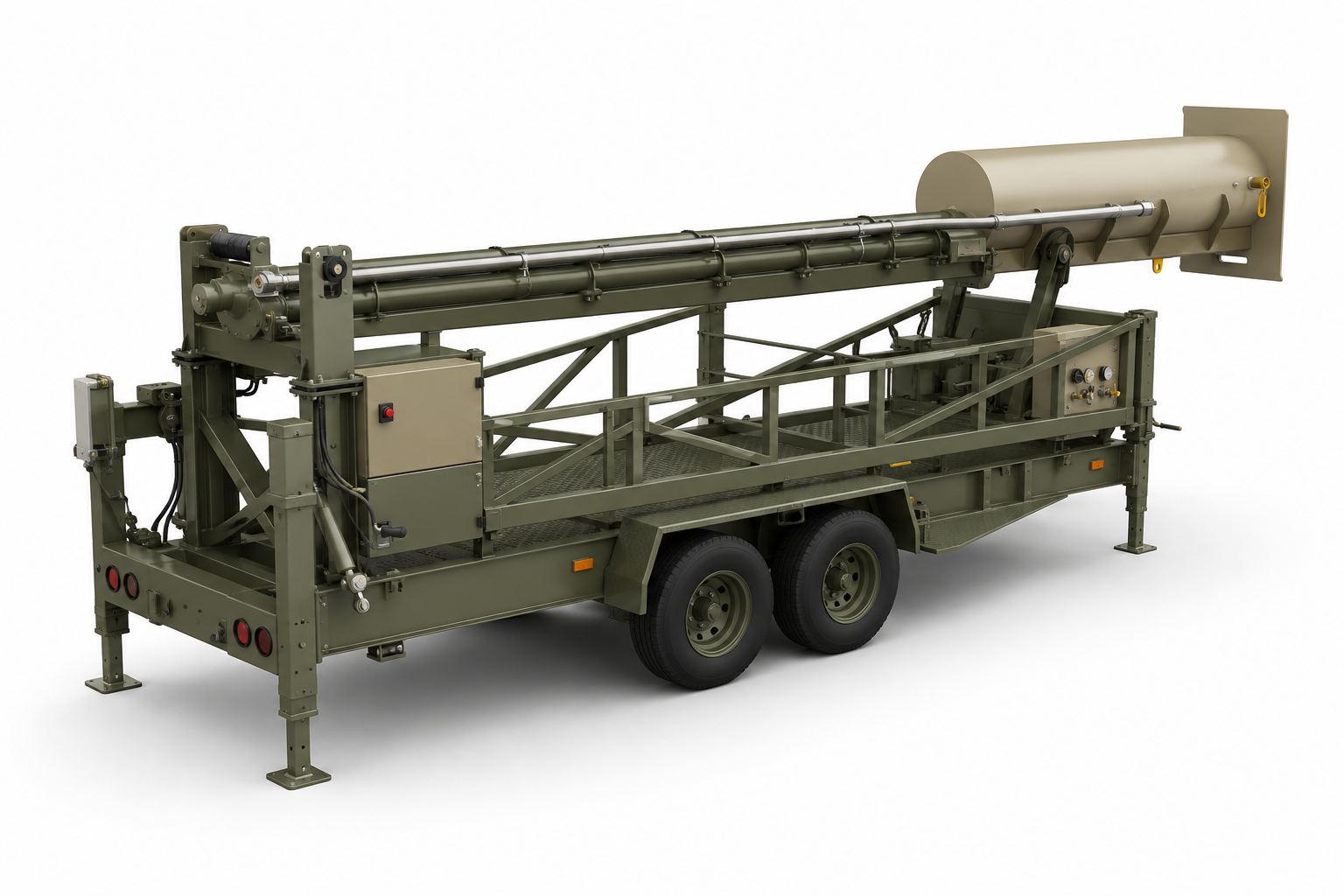
Pre-engineered flare systems ready for rapid site mobilisation
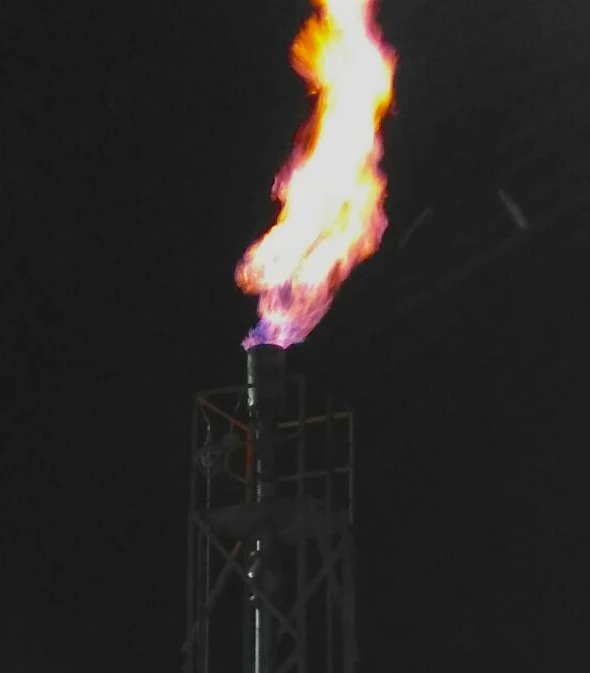
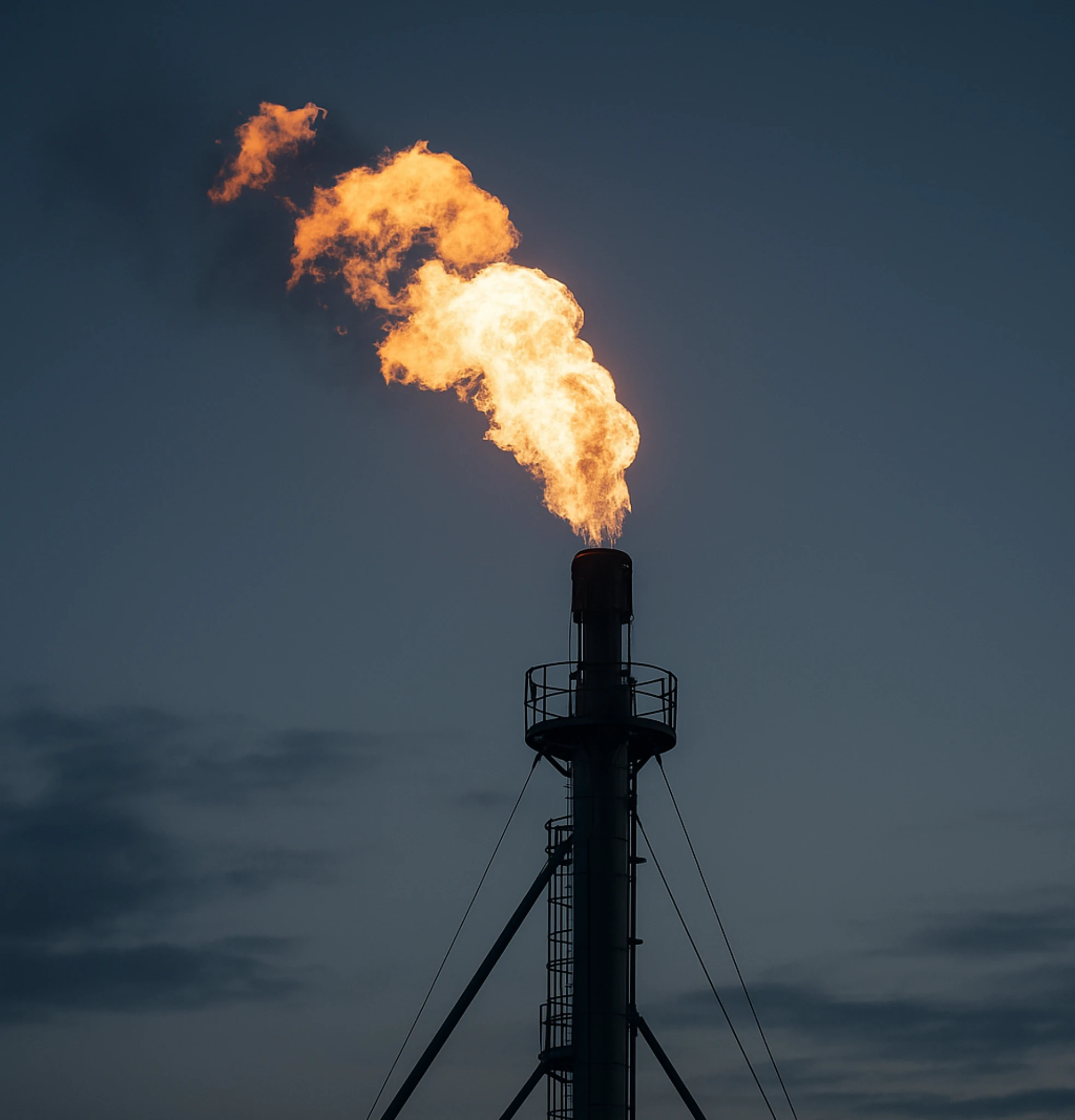
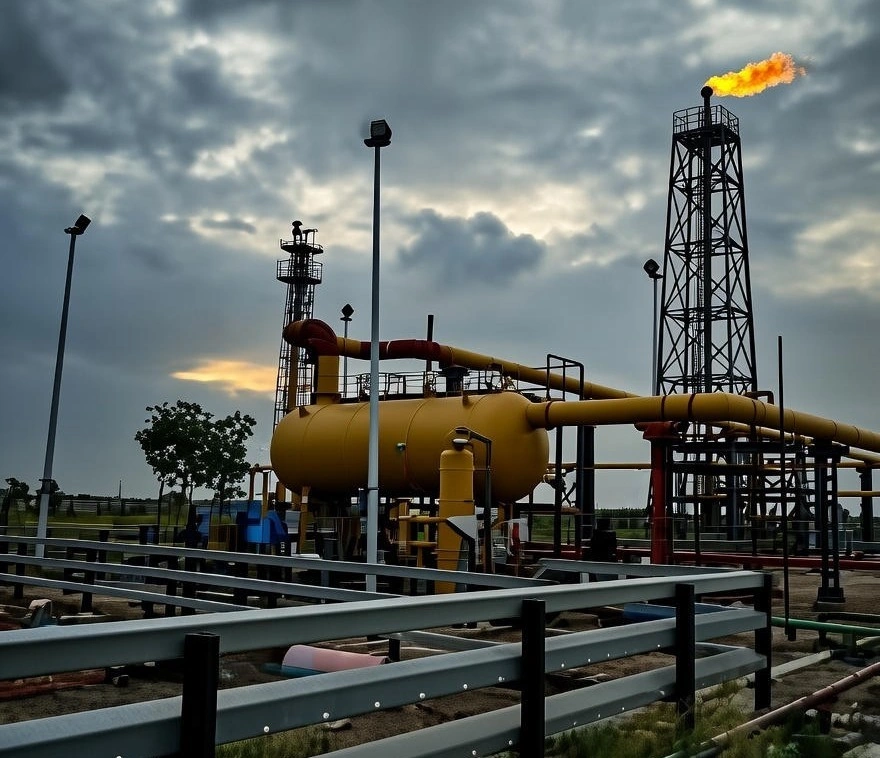
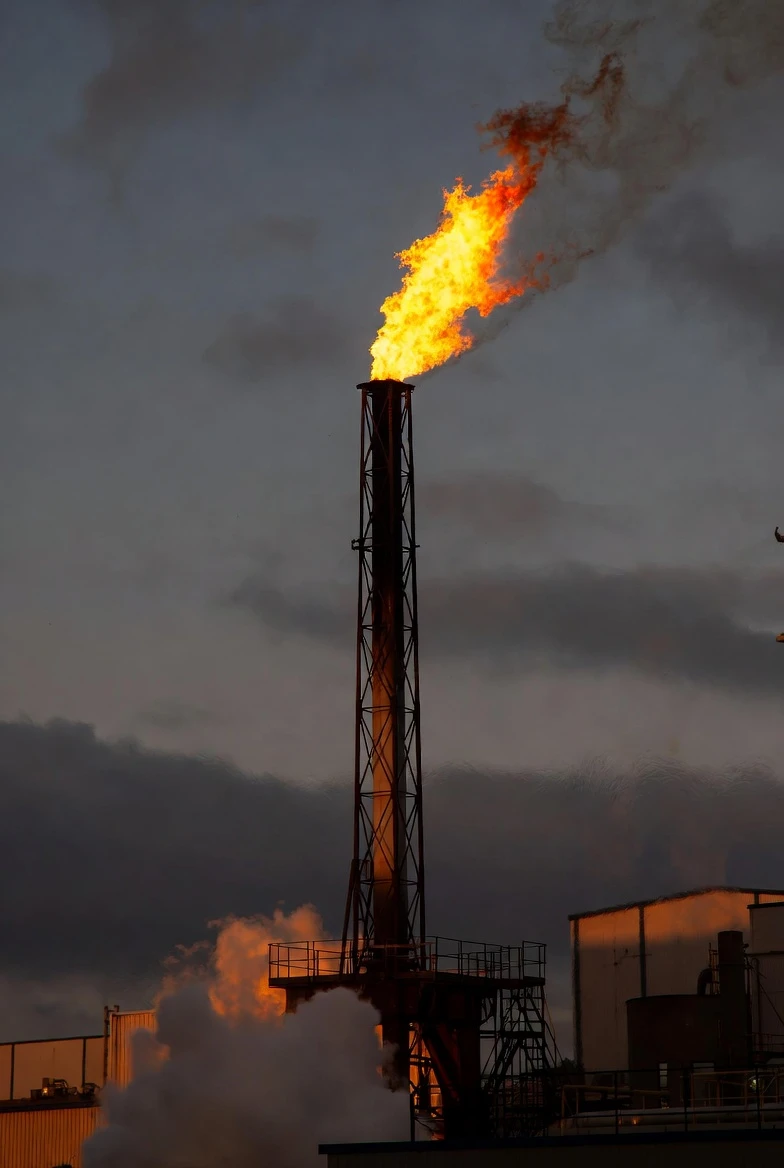
CRA’s Rental Flares provide a rapid, reliable solution for temporary gas flaring during maintenance, commissioning, plant turnarounds, or emergency conditions. Delivered as skid-mounted, trailer-mounted, or modular systems, they are designed for quick mobilization, safe operation, and full regulatory compliance. With proven designs and global availability, our rental flares help facilities maintain safe and compliant operations without disruption.
Destruction Efficiency
>98%
Commissioning
24–48 hours
Mount
Skid or trailer
Standard
API 537
What is a Rental Flare?
A rental flare is a pre-engineered, packaged combustion system designed for temporary deployment at sites that need safe, compliant gas disposal during planned shutdowns, commissioning activities, plant turnarounds, or unplanned emergency conditions.
How it works
Rental flares arrive fully assembled and move from delivery to operation through a standard mobilization sequence rather than on-site construction.
Capacity and configuration are matched to the client's gas composition, flow rate, and expected duration before a unit is selected for dispatch.
The selected unit is assembled, pressure-tested, and commissioned at CRA's facility, with pilots, ignition, flow control, and instrumentation already integrated and wired.
The skid or trailer ships to site and is positioned according to the layout agreed before dispatch.
Connections are made to the site gas header and utilities, and the unit reaches operational status within 24 to 48 hours of arrival.
Key Benefits
Pre-engineered and packaged units enable quick setup for emergency or planned events
Handles a wide range of gas flows, pressures, and compositions for diverse site needs
Integrated pilots, ignition, and controls ensure adherence to international flare standards
Skid or trailer-mounted units reduce footprint and ease installation in constrained areas
Rental fleet accessible worldwide with CRA engineering and service support
Projects That Push Boundaries
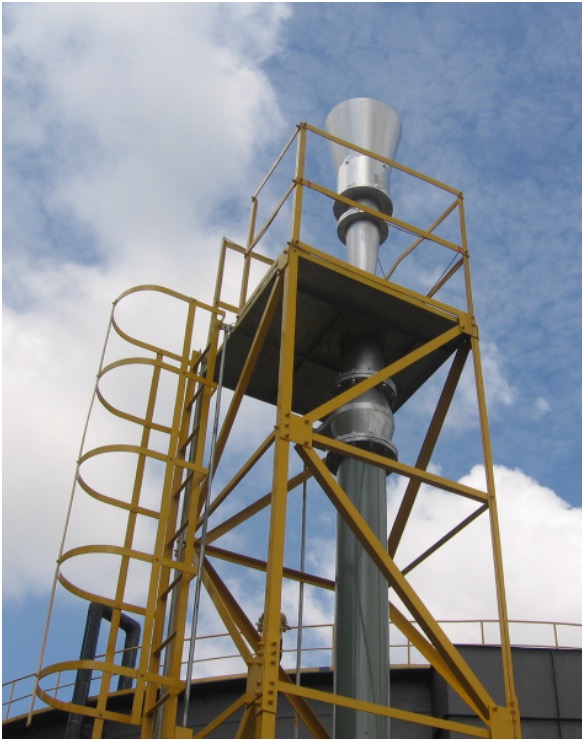
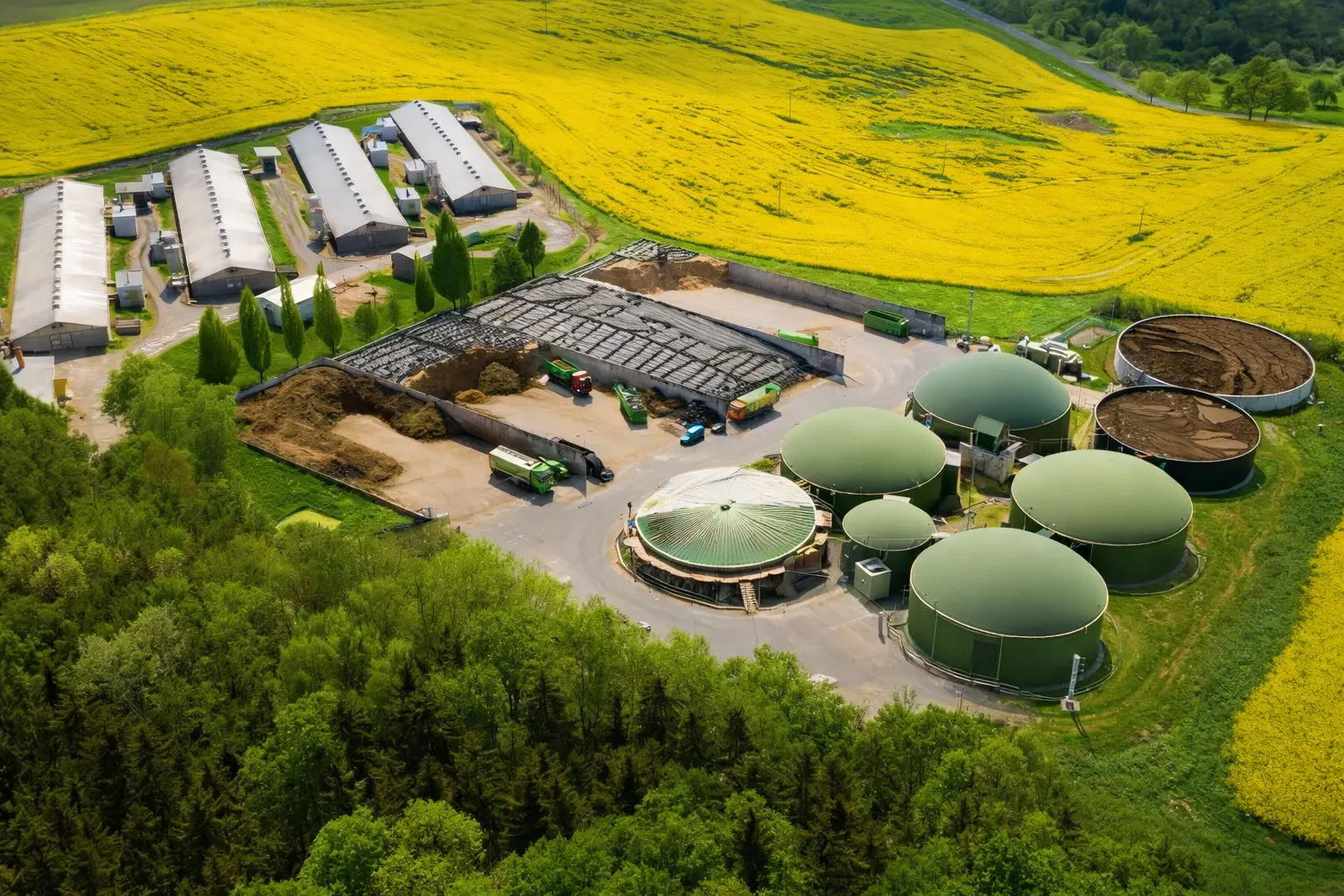
Covers both routine surplus and emergency relief biogas under a single compliant system.
The CRA Edge
Over 30 years in gas handling and flare engineering.
End-to-end design, R&D, and manufacturing under one roof for speed and quality
ISO 9001, ASME Standards, API, and CE
Customized designs meet your exact process needs and strictest regulations
Applications
.webp)

Built to help you specify.
Sizing tools, decision guides, and technical references. Use them before, during, and after your evaluation.




.webp)
Frequently Asked Questions
When should I rent a flare instead of buying one?
Rent a flare when the need is short-term, urgent, or non-recurring — typically when the duration is under 6–12 months, or when capital constraints make buying impractical for a temporary requirement. Renting avoids capex, depreciation, and storage between uses. Rent makes sense when: Plant turnaround or commissioning requiring temporary gas disposal; Emergency response while a permanent flare is offline; Pilot project or trial that may not lead to permanent installation; Pipeline blowdown, hydro-testing, or one-off gas displacement; Capital approval is delayed but operational need is immediate. Buy makes sense for permanent, continuous, or recurring multi-year flaring at a fixed site, where rental costs across the full duration would exceed the purchase price.
What rental terms and durations are typical?
Rental terms typically range from a few weeks to multiple years, with standard contracts at 1, 3, 6, and 12 months and longer-term agreements available with reduced monthly rates. Terms include the unit, controls, ignition, optional operator support, and routine consumables (e.g., pilot fuel). Typical commercial scope: Mobilization and demobilization charges; Monthly or daily rental rate (declines with longer commitment); Operator and/or technician support if requested; Maintenance and inspection during the rental period; Insurance and liability terms specified in contract; Return condition and damage assessment terms. Project-specific scope (sour service, special regulatory documentation, on-site engineer) is added as required.
What's included in a rental flare package?
A standard rental flare package includes the complete flare system ready to operate — flare stack and tip, pilot burners, ignition system, control panel, gas inlet piping, and structural mounting (skid or trailer). Optional add-ons cover specific application needs. Standard inclusions: Flare stack with appropriate height for radiation safety; Engineered flare tip sized for design flow range; Continuous pilot system with redundant ignition; PLC control panel with HMI and alarm logic; Gas inlet flange and isolation valve; Pilot fuel supply (process gas or integrated propane); Function test certificate at handover. Optional: on-site operator, remote monitoring, additional fuel tanks, custom controls, sour-service material upgrades.
How fast can a rental flare be on-site?
A rental flare can typically be on-site within 24–72 hours of order confirmation for nearby projects, or 1–2 weeks for international shipments. Pre-engineered units in the rental fleet are kept commissioned and ready to deploy, eliminating the design and fabrication lead time required for a purchase. Speed depends on: Fleet location relative to site; Transportation mode (road, sea, air); Site readiness (pad, gas tie-in, electrical) — can be prepared in parallel; Customs clearance for international shipments; Site access constraints (crane availability for skid units). Emergency deployments can be expedited via air freight when timeline is critical and project economics support the cost.
What standards do rental flares meet?
Rental flares meet the same regulatory and design standards as permanent units — API 537, API 521, EPA 40 CFR 60.18, EU IED as applicable, and project-specific local requirements. Documentation including design certificates, performance test results, and operating manuals is included with the unit. Standard documentation: API 537 design conformance certificate; Radiation calculation per API 521 for personnel safety; Operating manual and control system documentation; Inspection and maintenance records; Function test report from last commissioning; Material certificates and pressure test records as applicable. For projects requiring local regulatory submissions, CRA provides supporting documentation and engineering review where needed.