
H₂S Scrubbers for Sewage Treatment Plants
H₂S scrubbers that clean sewage digester gas for engines, boilers, flares and CBG, with bulk removal and polishing on one package.
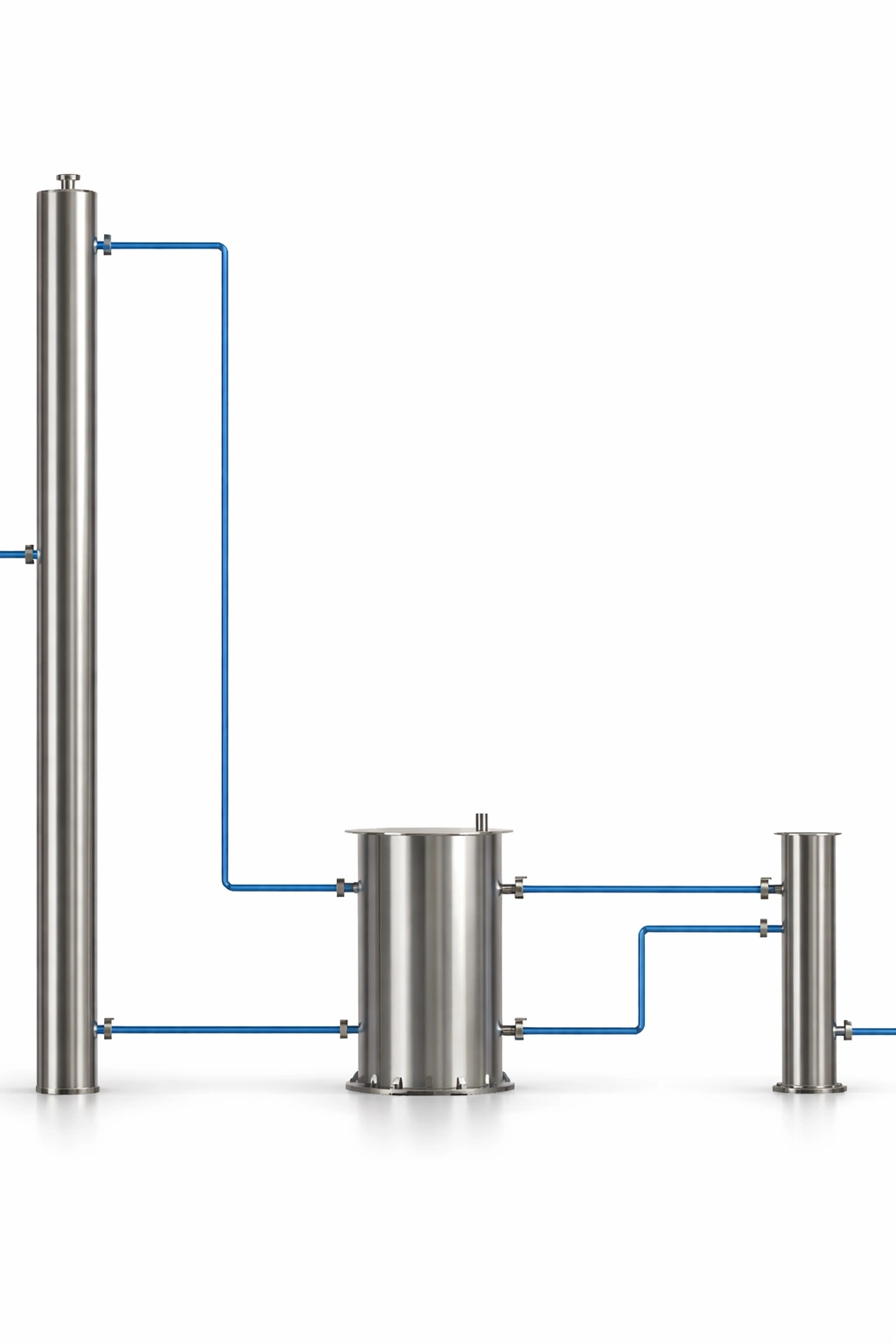

H₂S removal for sewage digester gas, matched to how the gas is used
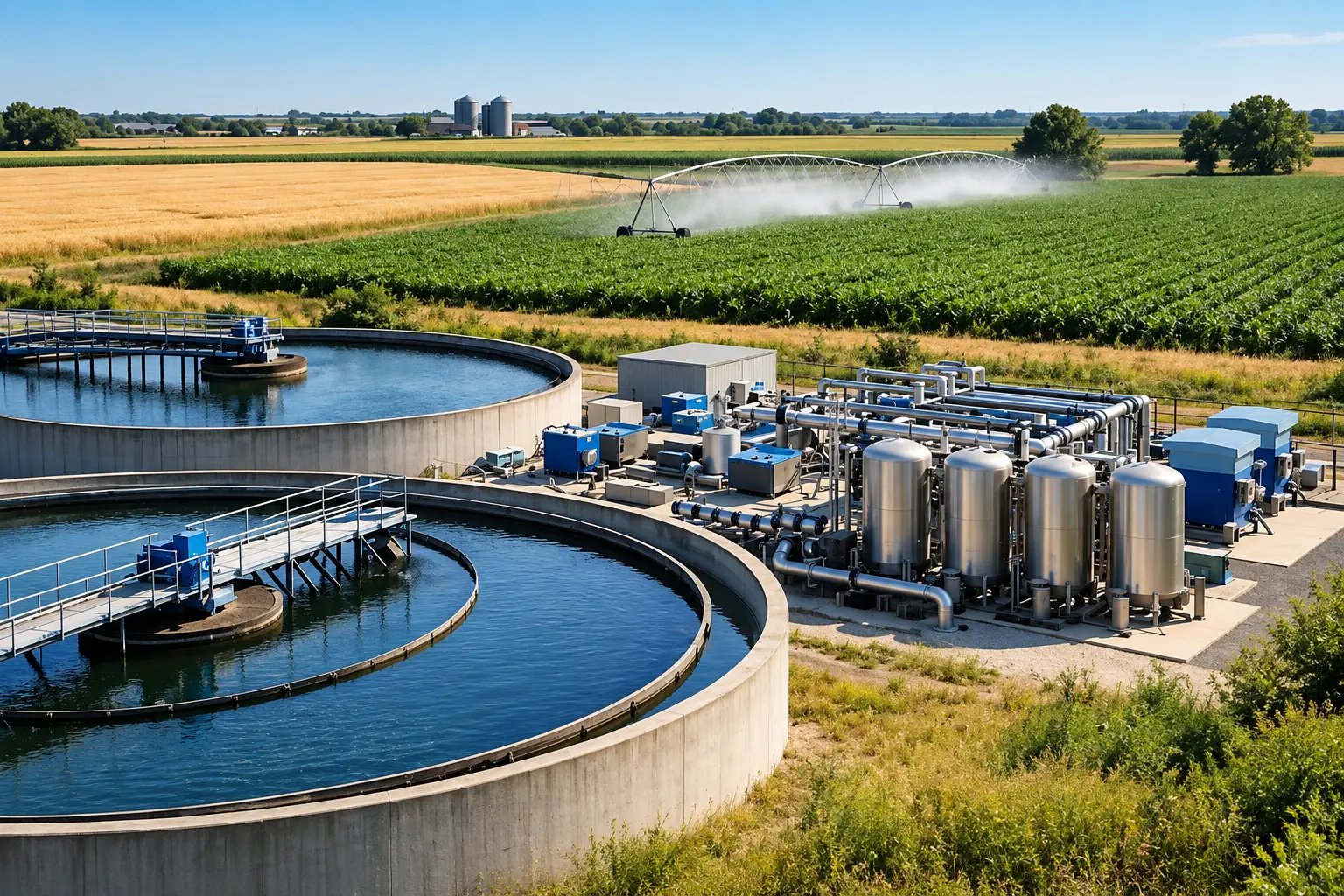
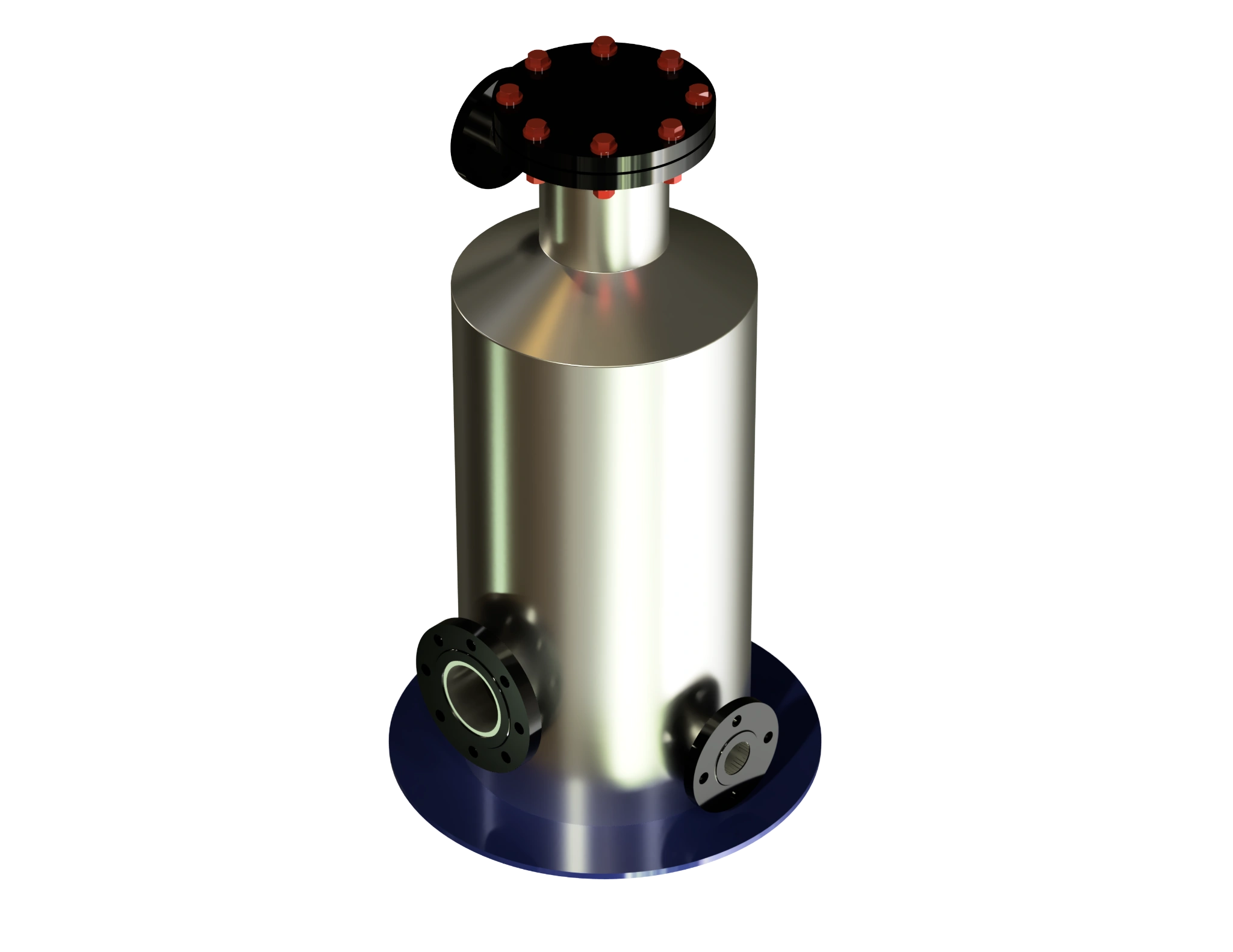
Digester gas from sewage treatment plants carries hydrogen sulphide, which corrodes engines, boilers and pipework. CRA removes the bulk of the H₂S with a chemical scrubber with biological regeneration, then polishes the gas with activated carbon where the end use needs a tight outlet. For gas engines, CRA also supplies biological scrubbers.
Outlet H₂S, bulk removal
Below 100 ppm
Outlet H₂S, with polishing
Below 5 ppm
Caustic use
Up to 90% less with regeneration
End use
Engines, boilers, flares and CBG
What does an H₂S scrubber do at a sewage treatment plant?
An H₂S scrubber removes hydrogen sulphide from digester gas before the gas reaches the engines, boilers, flare or upgrading plant. At a sewage treatment plant it protects that equipment from corrosion and keeps the gas within the limits of its end use.
How it works
The gas passes through bulk removal first and polishing second, with each stage chosen for the end use.
The chemical scrubber with biological regeneration removes most of the H₂S without adding air to the gas.
Biological regeneration of the scrubbing liquid reduces the caustic the plant has to buy.
Activated carbon polishing brings outlet H₂S below 5 ppm where the end use needs it.
For gas engines, a biological scrubber can carry out the bulk removal.
The treated gas goes to the engines, boilers, flare or CBG plant.
Key Benefits
The chemical scrubber with biological regeneration removes the bulk of the H₂S without adding air to the gas.
Activated carbon polishing after the wet scrubber brings outlet H₂S below 5 ppm.
Biological regeneration of the scrubbing liquid reduces caustic consumption.
The package is set up for engines, boilers, flares or CBG, according to what the plant does with the gas.
Packages are skid-mounted so they can be installed at operating plants with limited downtime.
Projects That Push Boundaries

Two biological scrubbers designed in line with CE requirements, with outlet H₂S below 200 ppm, engineered for export deployment.
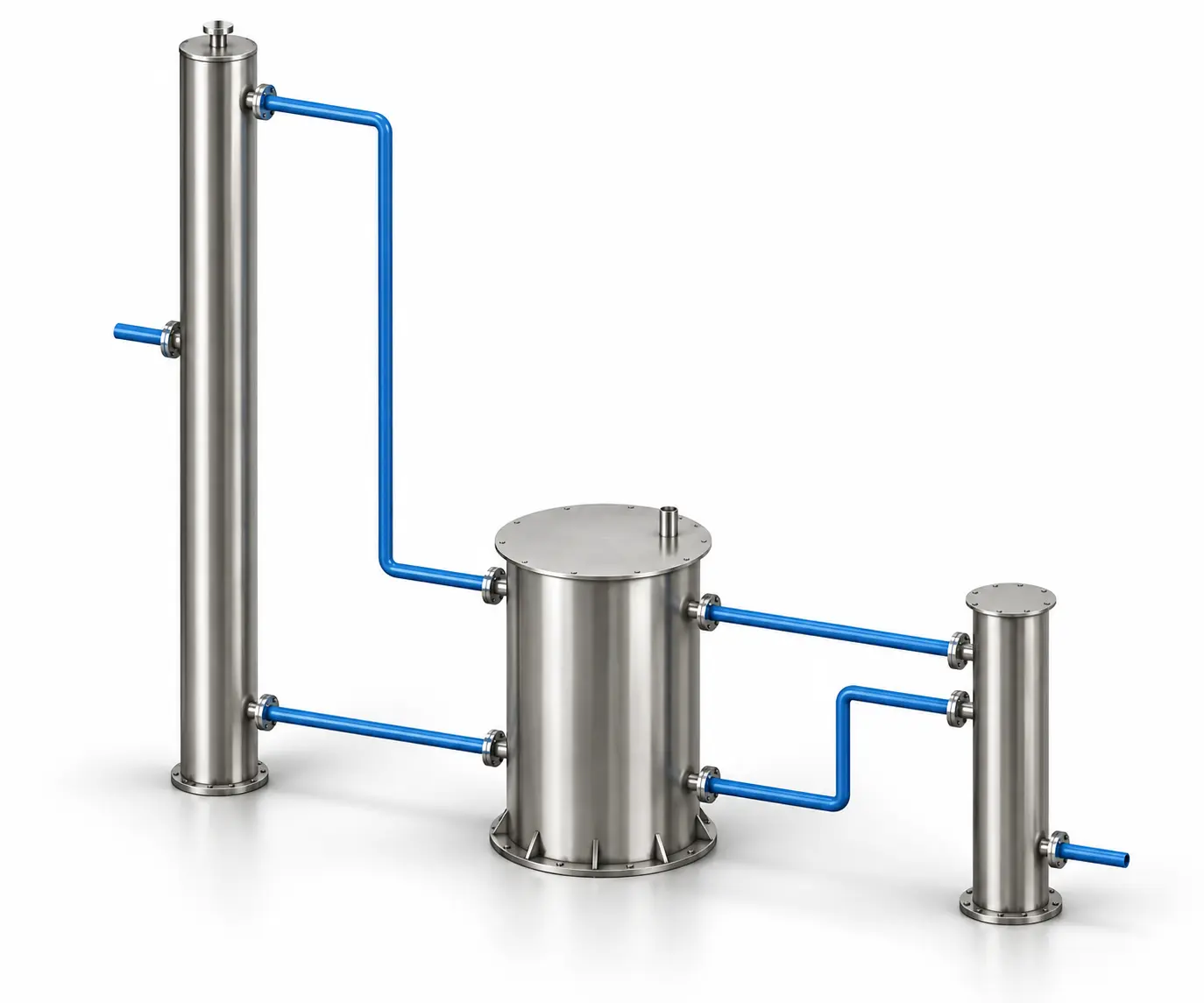
Chemical scrubber with biological regeneration and activated-media polishing designed to reduce H2S from 10,000 ppm to below 200 ppm.

Complete gas conditioning train transforming raw digester gas into clean, usable fuel for a city utility.

Removes H2S and acidic contaminants for safe, reliable biogas use in municipal infrastructure.
The CRA Edge
CRA has more than 30 years of experience in gas handling and flare engineering.
Design, R&D and manufacturing are carried out under one roof.
ISO 9001 certified through TÜV NORD, with designs aligned with ASME, API and CE.
Designs are customised to the process needs and the regulations that apply at site.
Applications
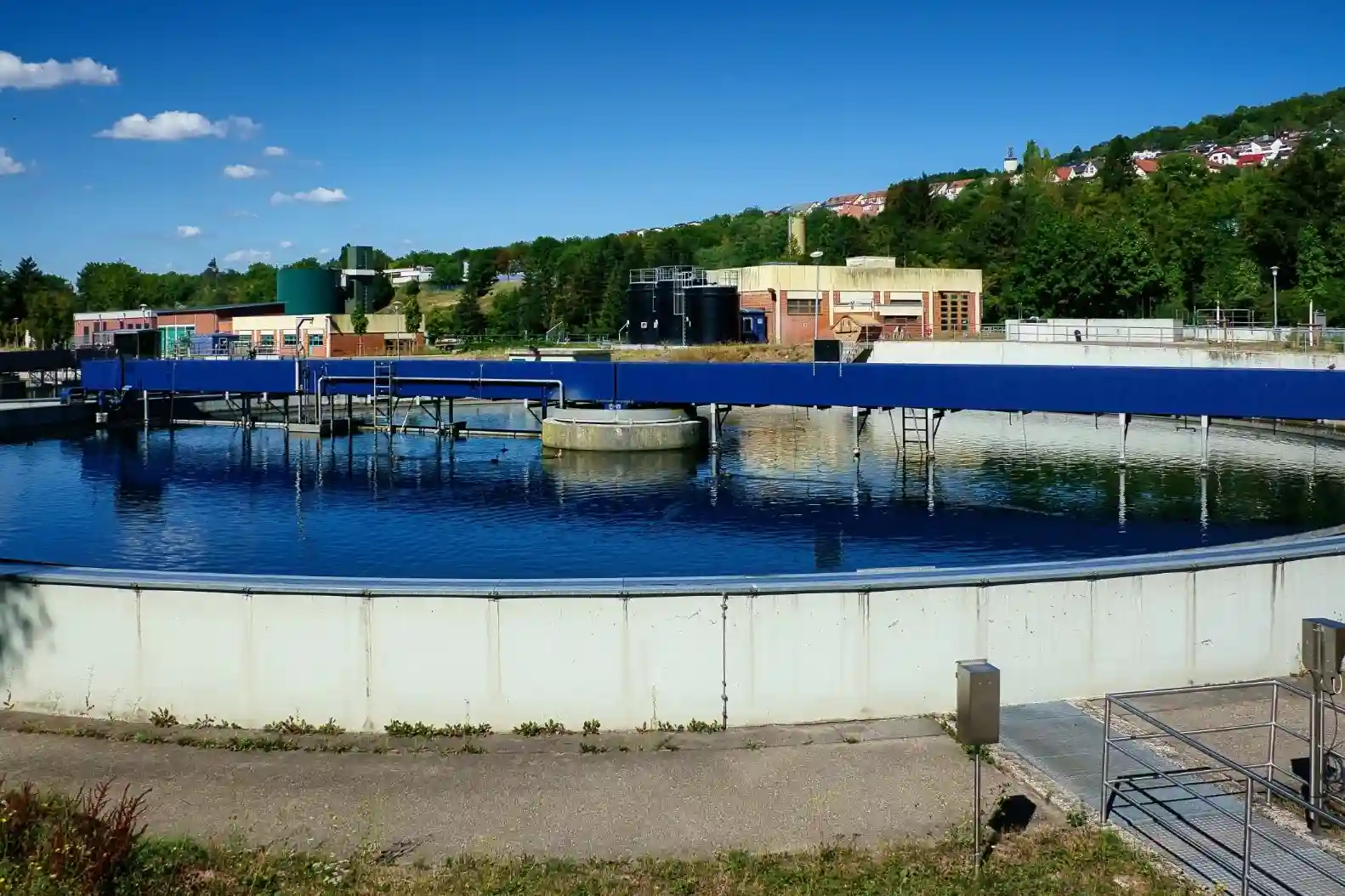
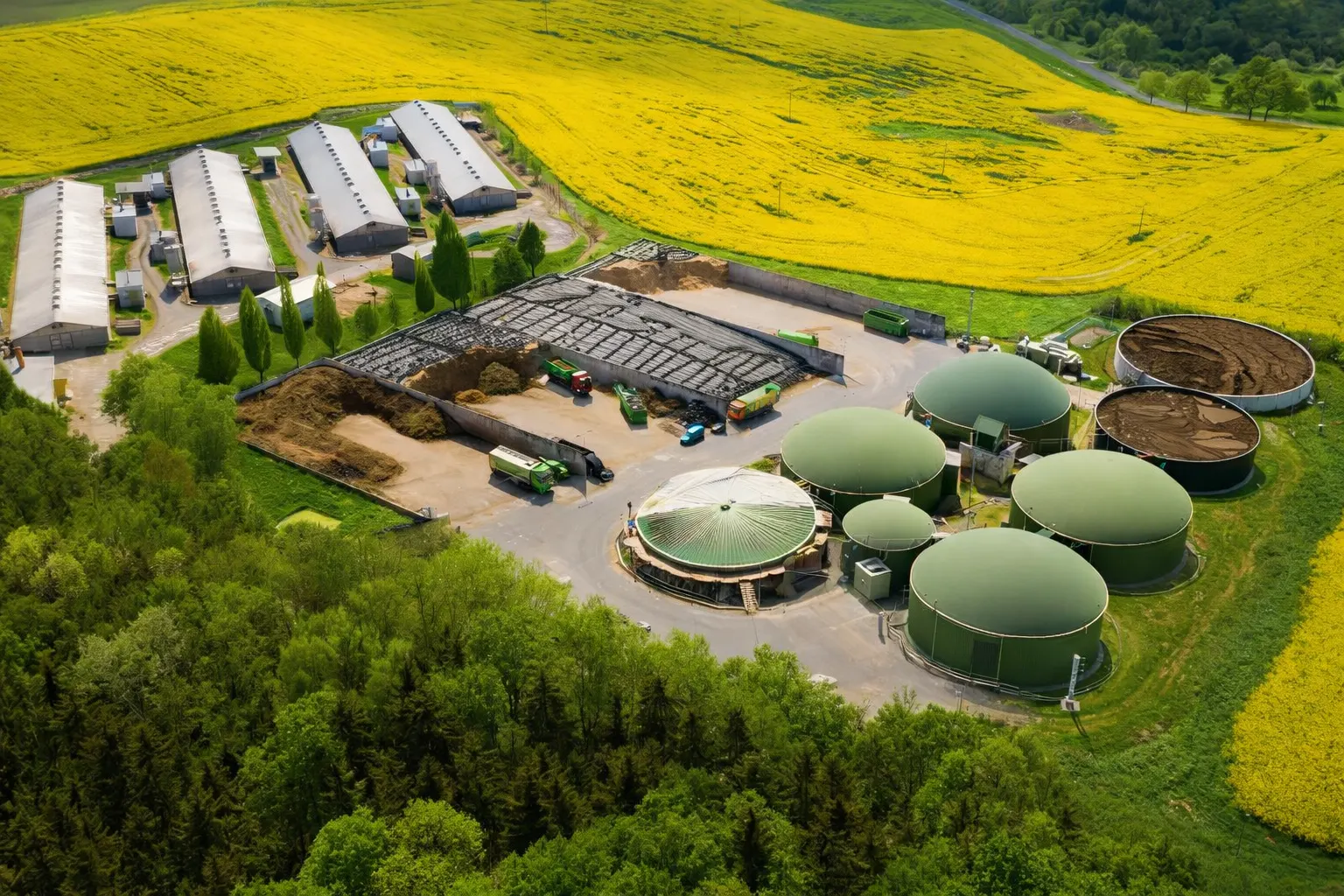

Built to help you specify.
Sizing tools, decision guides, and technical references. Use them before, during, and after your evaluation.





Frequently Asked Questions
Which scrubber suits a sewage treatment plant?
For bulk H₂S removal CRA uses the chemical scrubber with biological regeneration. Where the end use needs a tight outlet, activated carbon polishing follows it. Biological scrubbers suit plants that feed gas engines.
What outlet H₂S can the package reach?
The wet scrubber is designed for an outlet below 100 ppm, and activated carbon polishing brings it below 5 ppm.
Can the scrubber be installed at an operating plant?
Yes. CRA's scrubbers are skid-mounted and are designed for installation at operating plants.
Why not use a biological scrubber for CBG?
Biological scrubbers dose air into the gas, which puts CBG out of specification. CRA uses the chemical scrubber with biological regeneration for CBG duty.
What data does CRA need for a scrubber offer?
CRA needs the gas flow range, the inlet H₂S range, the required outlet, the end use of the gas and the site conditions.