Explore Other Industries
Our Clients




























Industry Challenges
Sugar mills and distilleries produce biogas from press mud and spent wash. This gas carries far more hydrogen sulphide than most biogas, and its flow follows the crushing season. The four points below are the main problems these plants face.

Spent wash biogas can carry 2 to 3 percent hydrogen sulphide by volume, many times the load of agricultural biogas, so it needs a bulk desulphurisation stage before any other equipment.
Gas production rises and falls with the crushing season and distillery campaigns, so scrubbers, flares and compressors have to work across a wide flow range.
The same gas may feed a boiler, a gas engine or a CBG plant, and each end use sets a different limit on H₂S, moisture and pressure.
When the boiler or the CBG plant is down, the gas still needs a safe disposal route, which in practice is a flare sized for the full gas production.
The CRA Edge
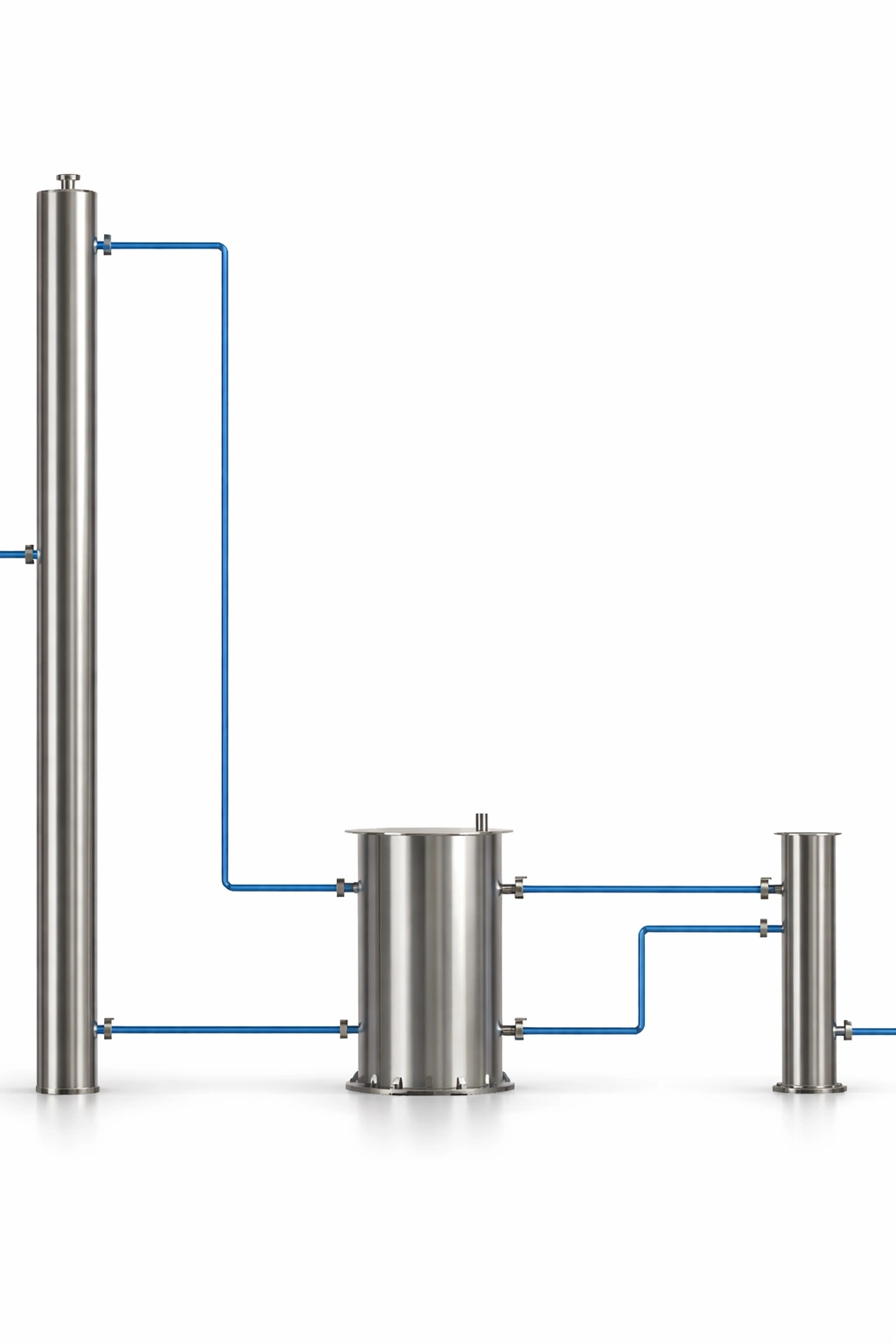
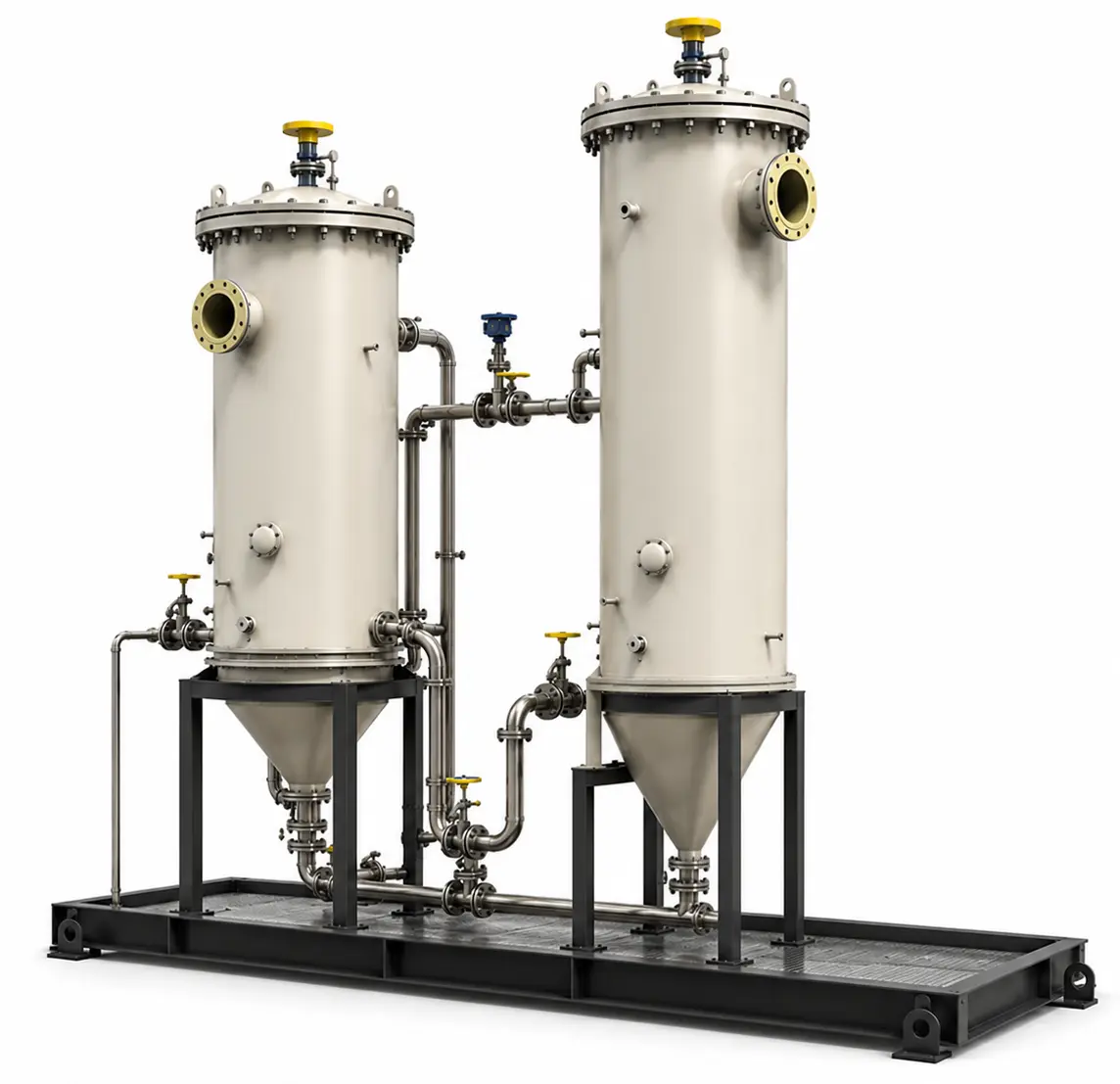
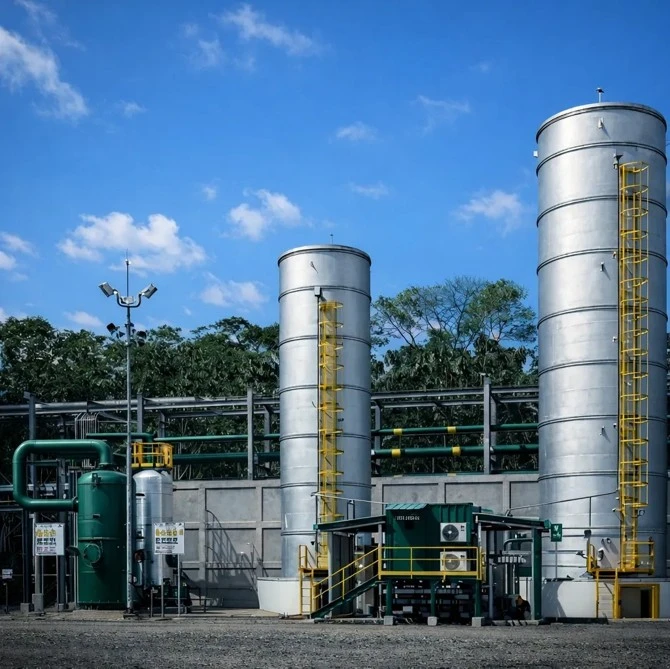
The chemical scrubber with biological regeneration removes the bulk of the H₂S without adding air to the gas.
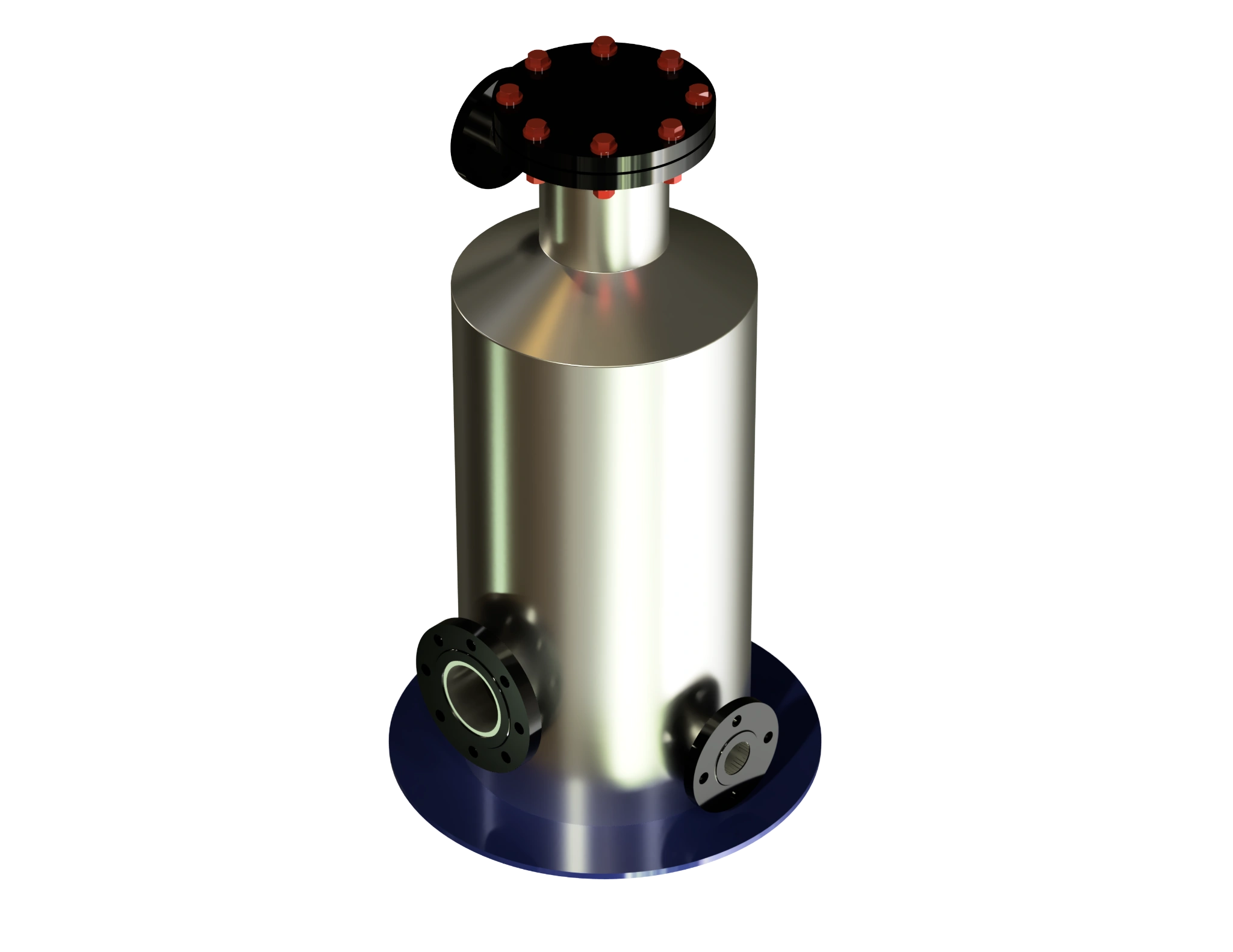
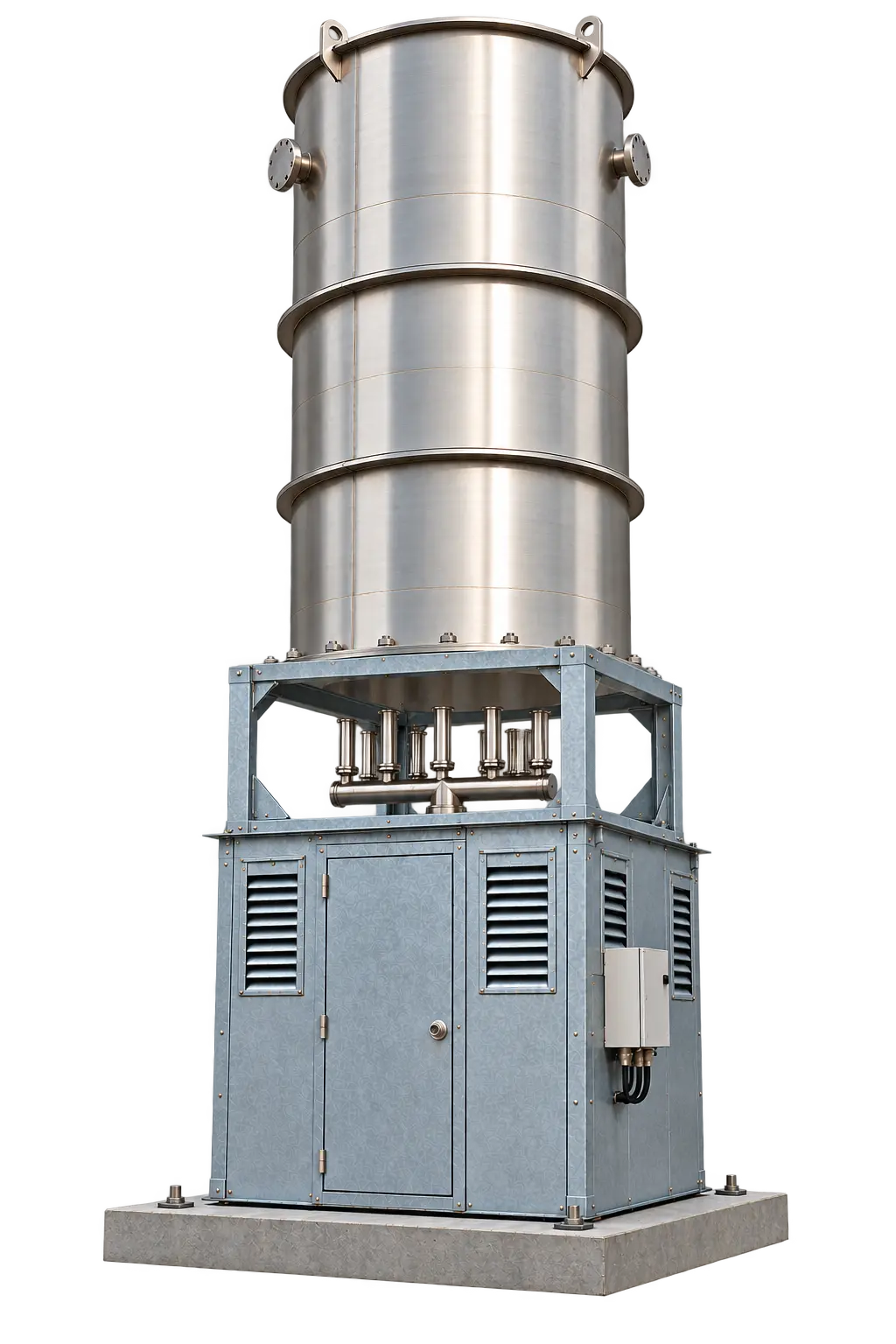
Activated carbon polishing after the wet scrubber brings outlet H₂S below 5 ppm.
Enclosed and open flares are sized for the full gas production with the main gas user offline.
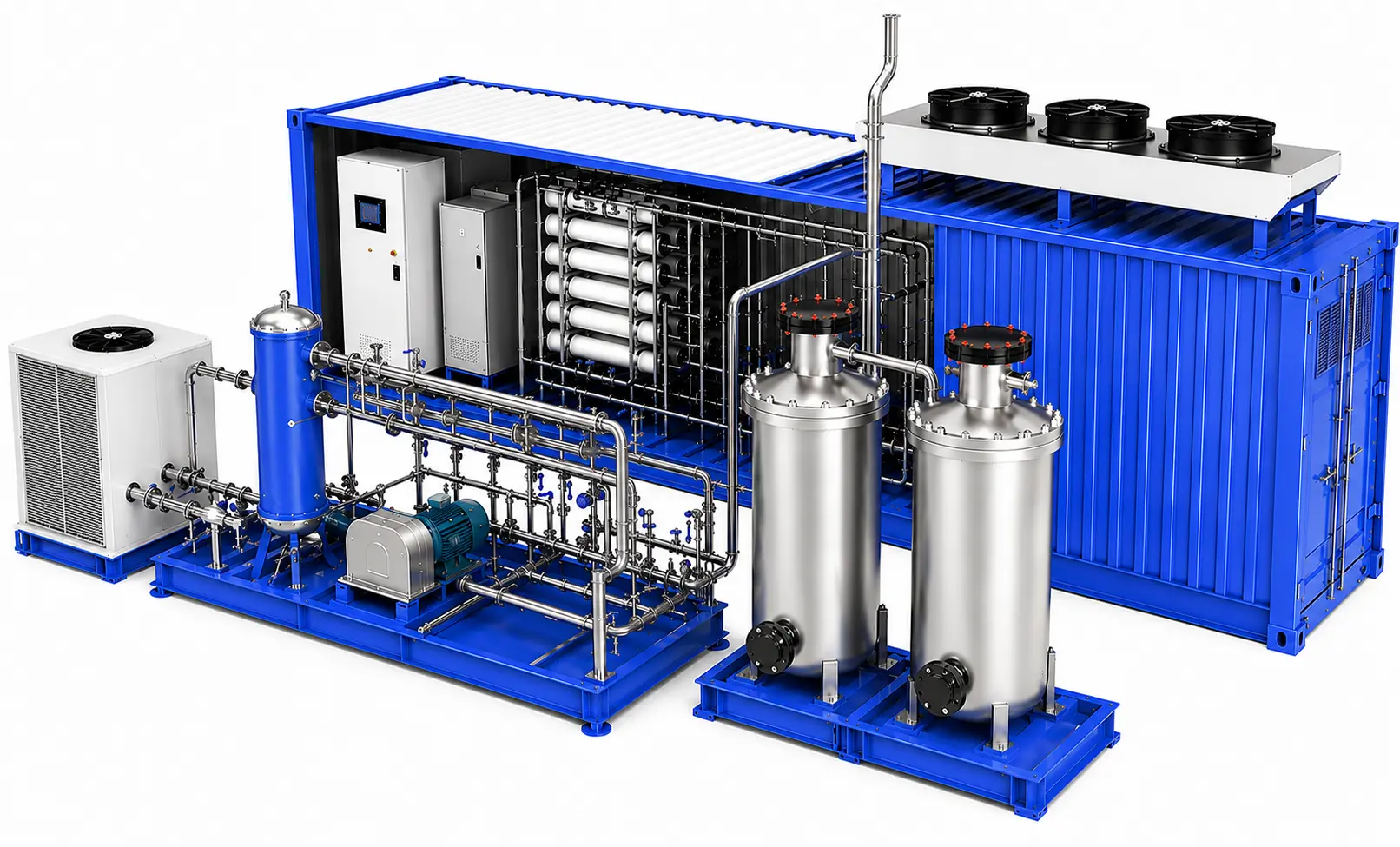
CRA supplies the gas train from raw biogas to 250 bar compression for cascades.