Explore Other Industries
Our Clients










Industry Challenges
Landfill sites generate landfill gas (LFG), a methane-rich byproduct of decomposing waste, throughout a site's active life and for decades after closure. These are the core obstacles landfill operators face:

LFG composition shifts as a landfill ages, with methane, CO₂, moisture, and trace siloxane levels varying across active and closed cells.
US EPA Subpart XXX requires high VOC/NMOC destruction removal efficiency, with CPCB enforcing comparable norms in India.
Closed dumpsites often run with minimal staffing, requiring flares built for automatic re-ignition and continuous PLC-based control.
Post-closure monitoring can run 30 years or more under frameworks like US RCRA Subtitle D, outlasting typical industrial combustion equipment.
The CRA Edge
Continuous operation at Gorai landfill since closure, certified by the client.
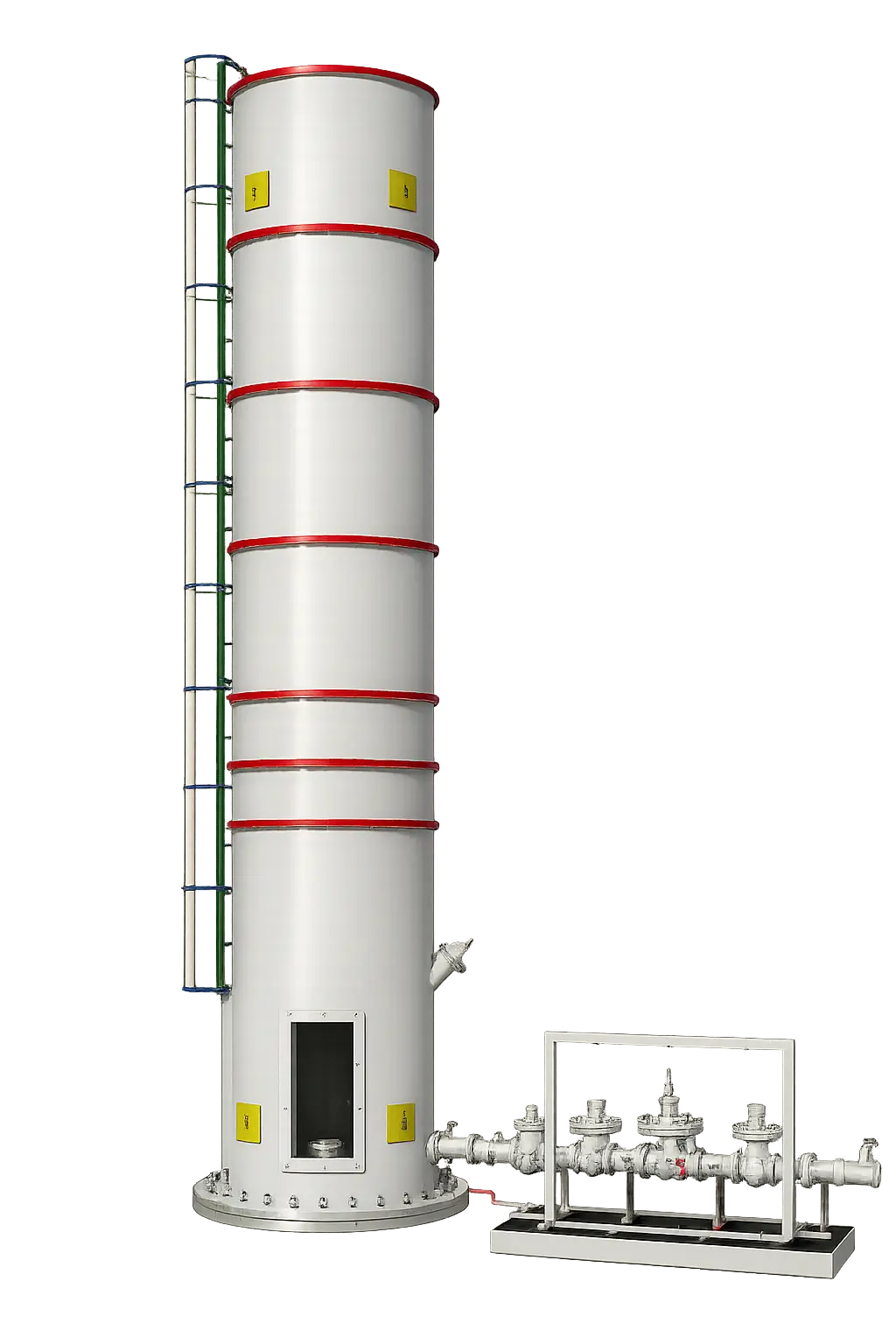
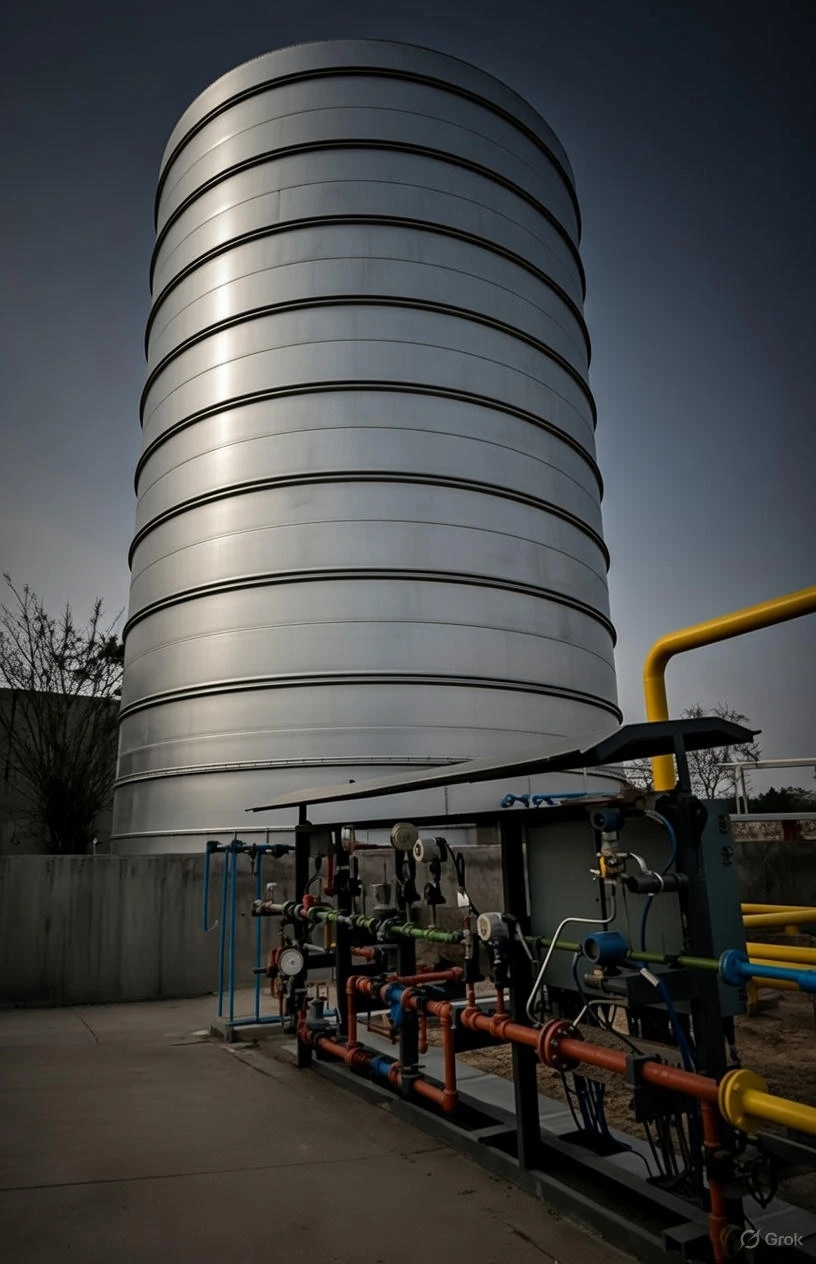
Flares engineered for landfill gas's shifting methane and moisture profile.
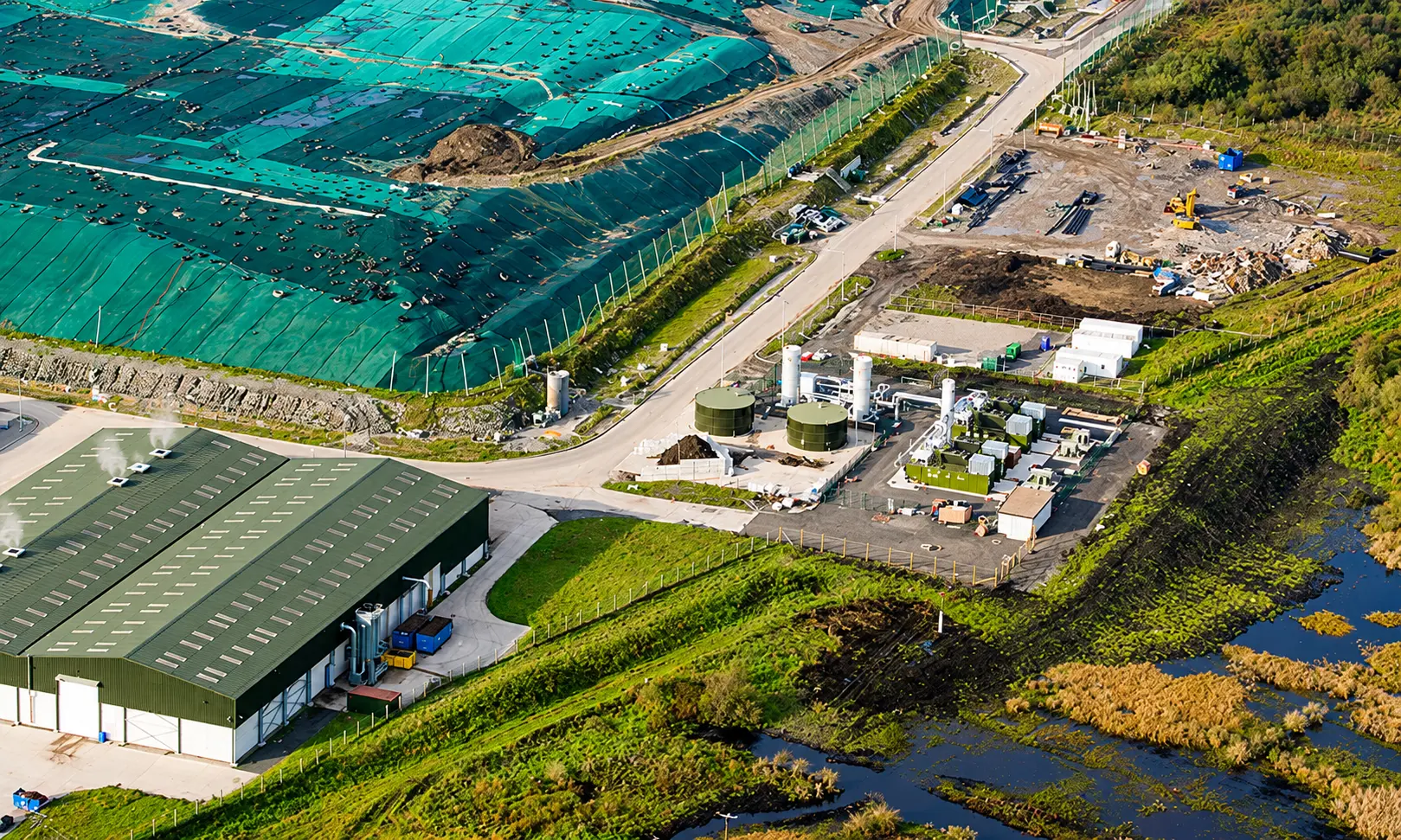
Flare design and construction follow API 537 and CPCB emission norms.
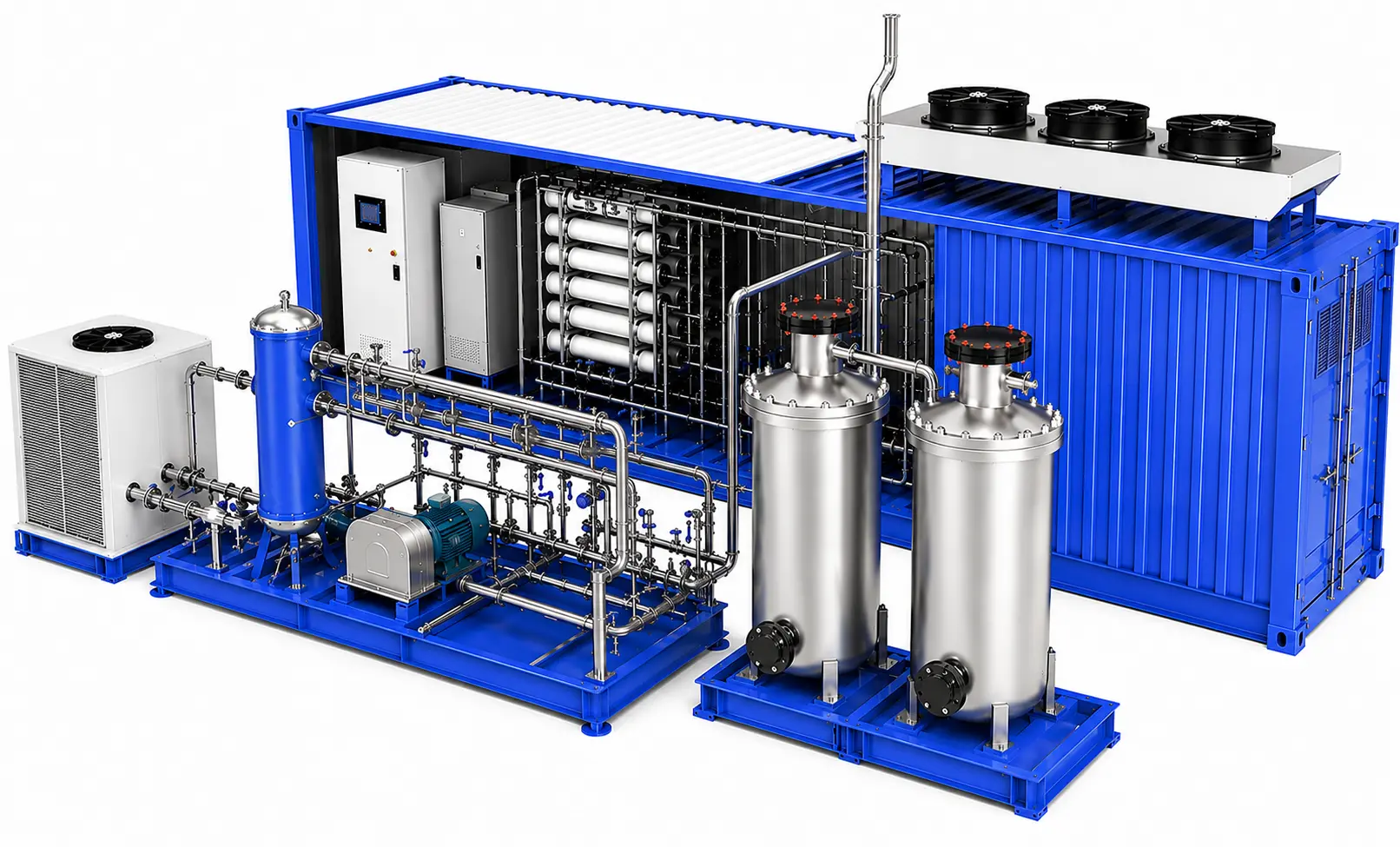
Membrane upgrading turns landfill gas into pipeline- or vehicle-grade CBG.
.webp)