
Flares for Ammonia and Fertiliser Plants
Elevated and enclosed flares for ammonia, urea and fertiliser plants, designed for hydrogen-rich and ammonia-bearing relief gas.


Flaring matched to hydrogen and ammonia
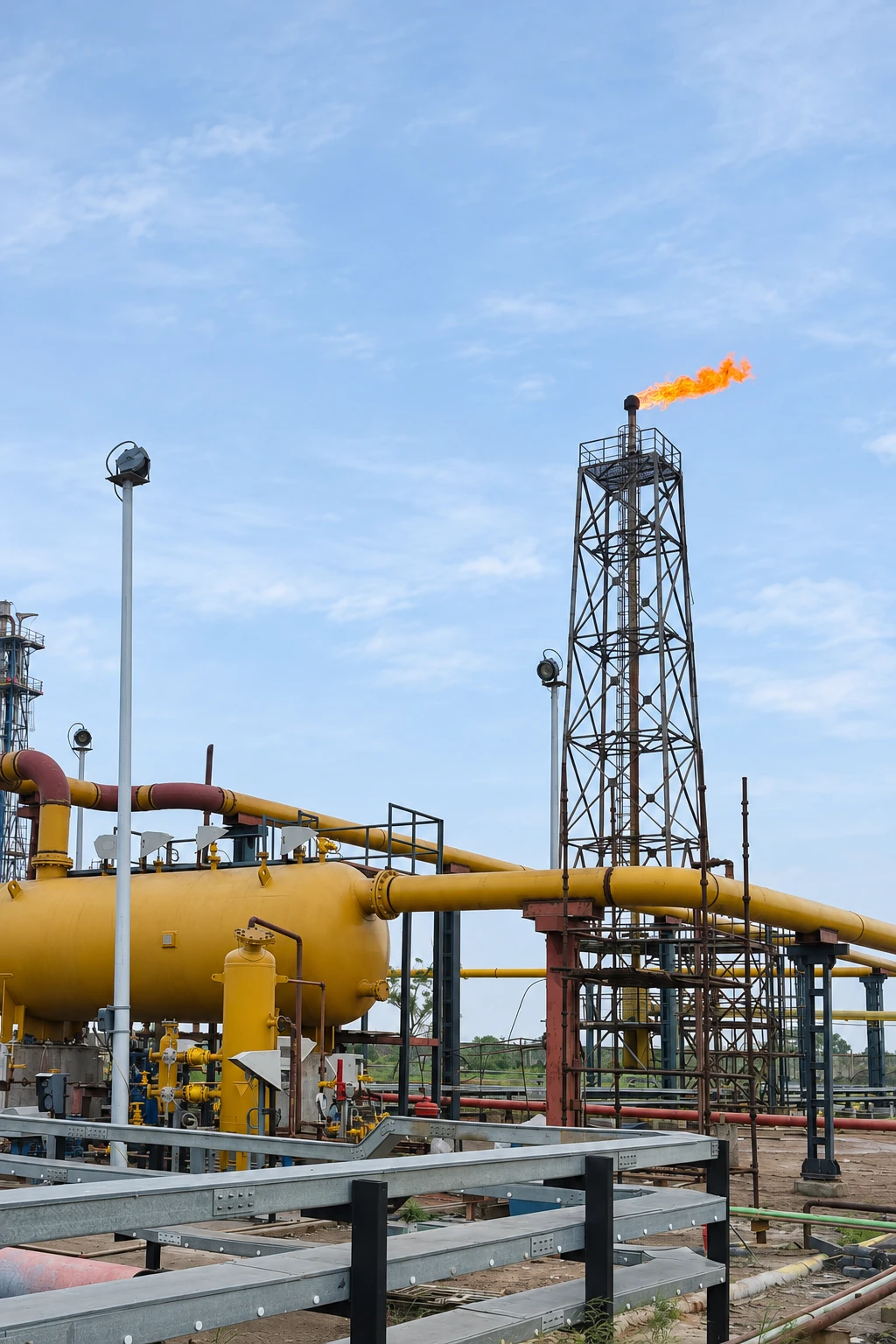
CRA designs elevated and enclosed flares for ammonia and fertiliser plants, with tips, pilots and flame monitoring matched to hydrogen-rich and ammonia-bearing relief gas.
Configuration
Elevated or enclosed
Gases
Hydrogen and ammonia
Duty
Start-up and relief
Ancillaries
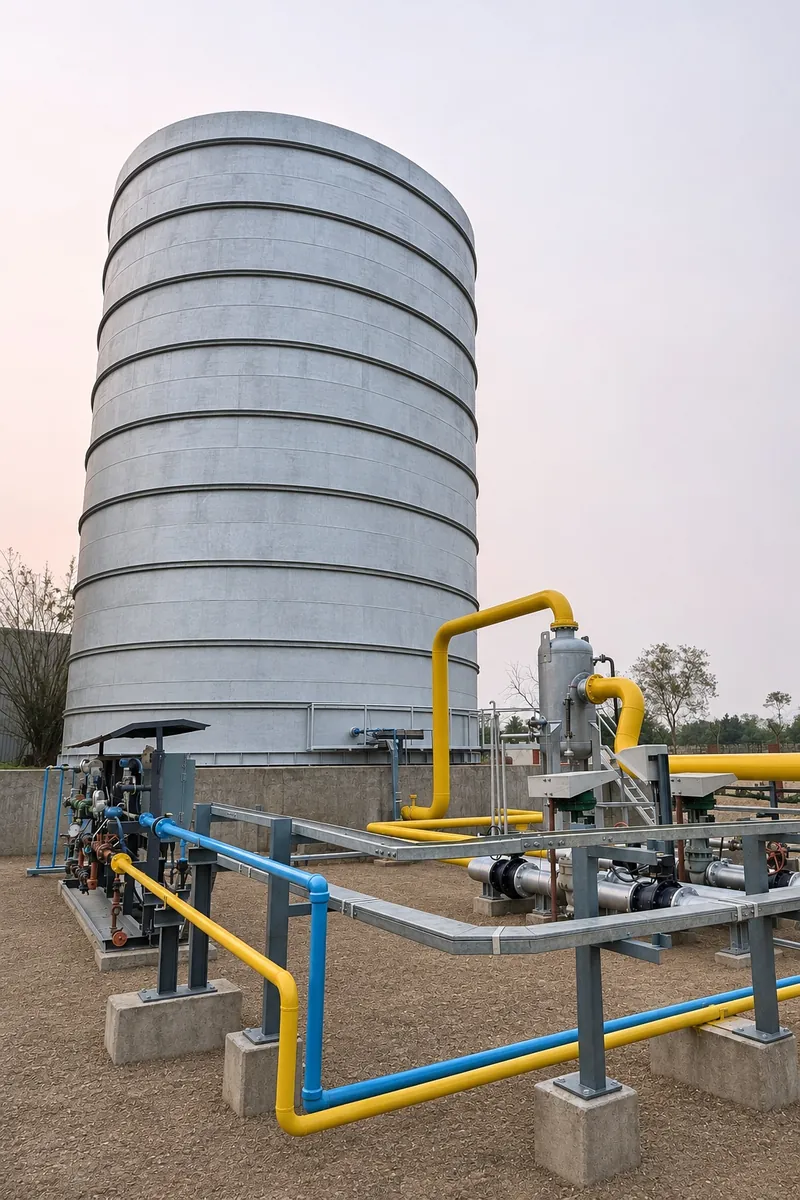
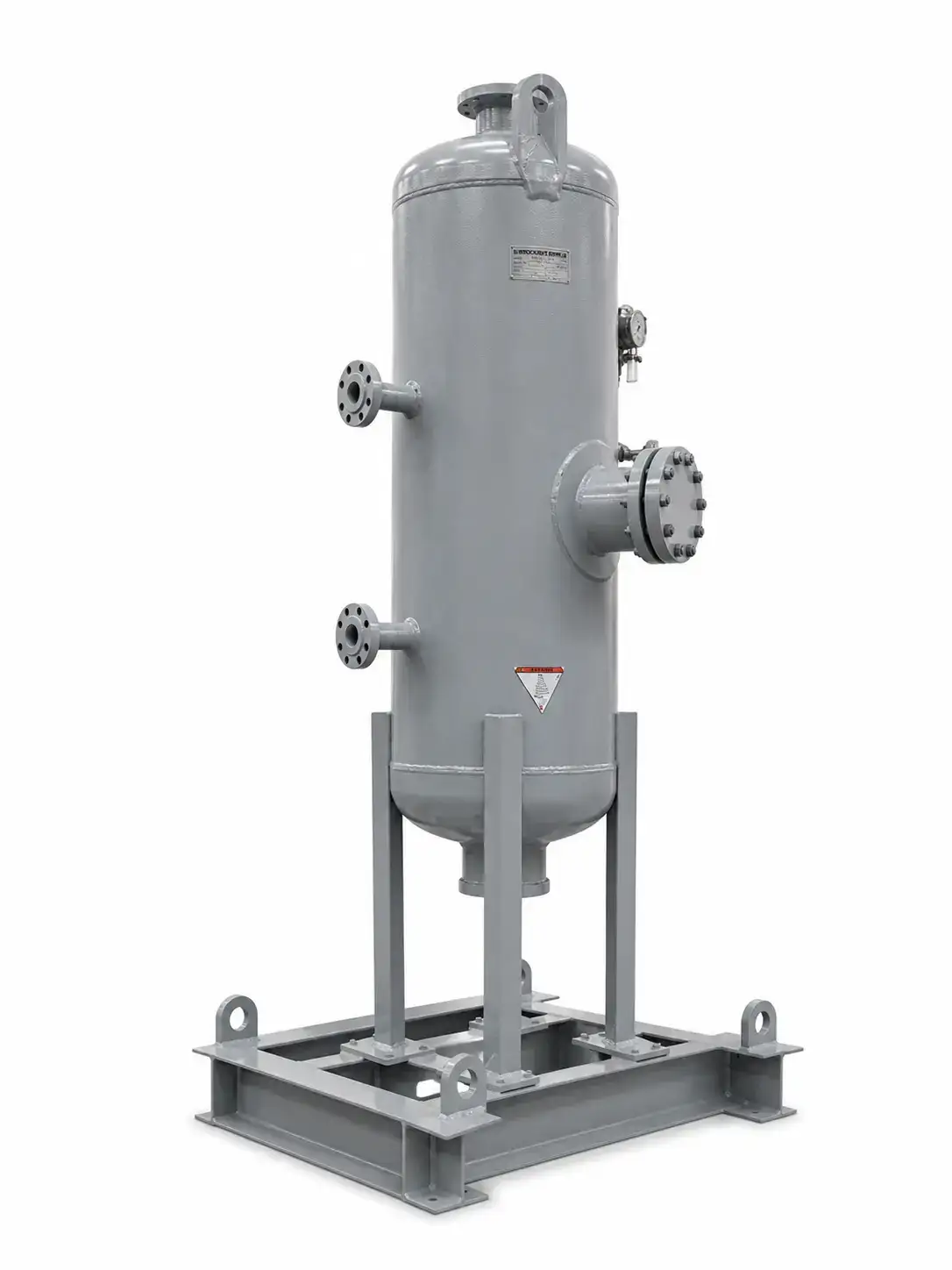
Knock-out drum and seal
What does a flare do at an ammonia or fertiliser plant?
Ammonia and urea plants release synthesis gas, natural gas and ammonia-bearing streams during start-up, shutdown and upsets. The flare burns these gases safely at a point where the heat and flame cannot harm people or equipment.
How it works
Relief gas passes through a knock-out drum and a seal to the flare, where pilots keep the flame lit across the flow range.
Relief valves and vents send gas into the flare header.
A knock-out drum catches liquid carried with the gas.
A water seal stops air and flame travelling back up the header.
The tip burns the gas, with pilots holding the flame.
Key Benefits
The flare is designed for stable burning of gas that contains ammonia.
Tips and pilots suit fast-burning, hydrogen-rich synthesis gas.
The flare handles the long, variable flaring of plant start-ups.
Flame detection is chosen to see flames that are hard to see by eye.
Elevated and enclosed configurations suit the site layout and visibility needs.
The CRA Edge
CRA has more than 30 years of experience in gas handling and flare engineering.
Design, R&D and manufacturing are carried out under one roof.
ISO 9001 certified through TÜV NORD, with designs aligned with ASME, API and CE.
Designs are customised to the process needs and the regulations that apply at site.
Applications

Frequently Asked Questions
Why is ammonia hard to flare?
Ammonia has a low heating value and burns slowly, so it needs a tip and support gas that keep the flame stable, and burning it can form nitrogen oxides.
How does the flare handle hydrogen-rich gas?
Hydrogen burns quickly with a pale flame. CRA matches the tip, pilots and flame monitoring to that behaviour.
Can an enclosed flare be used at a fertiliser plant?
Yes. An enclosed flare hides the flame and limits noise and radiation, and it suits routine and start-up flaring within its capacity.
What data does CRA need to size a fertiliser plant flare?
CRA needs the relief cases with flows and compositions, the start-up flaring profile, the smokeless and emission requirements and the site conditions.
Does CRA supply knock-out drums and seals for the flare system?
Yes. CRA supplies knock-out drums and water seals with its flare systems.