
Vapor Recovery Units for Chemical Tank Farms
Vapour recovery units that capture solvent and hydrocarbon vapours from chemical tank farms and return them as liquid.


Displaced vapour returned to storage
CRA's vapour recovery units capture the vapour pushed out of tanks and tankers and recover up to 98% of it, returning the product to storage and cutting emissions.
Recovery efficiency
Up to 98%
Recovery stage
Compression or carbon adsorption
Mount
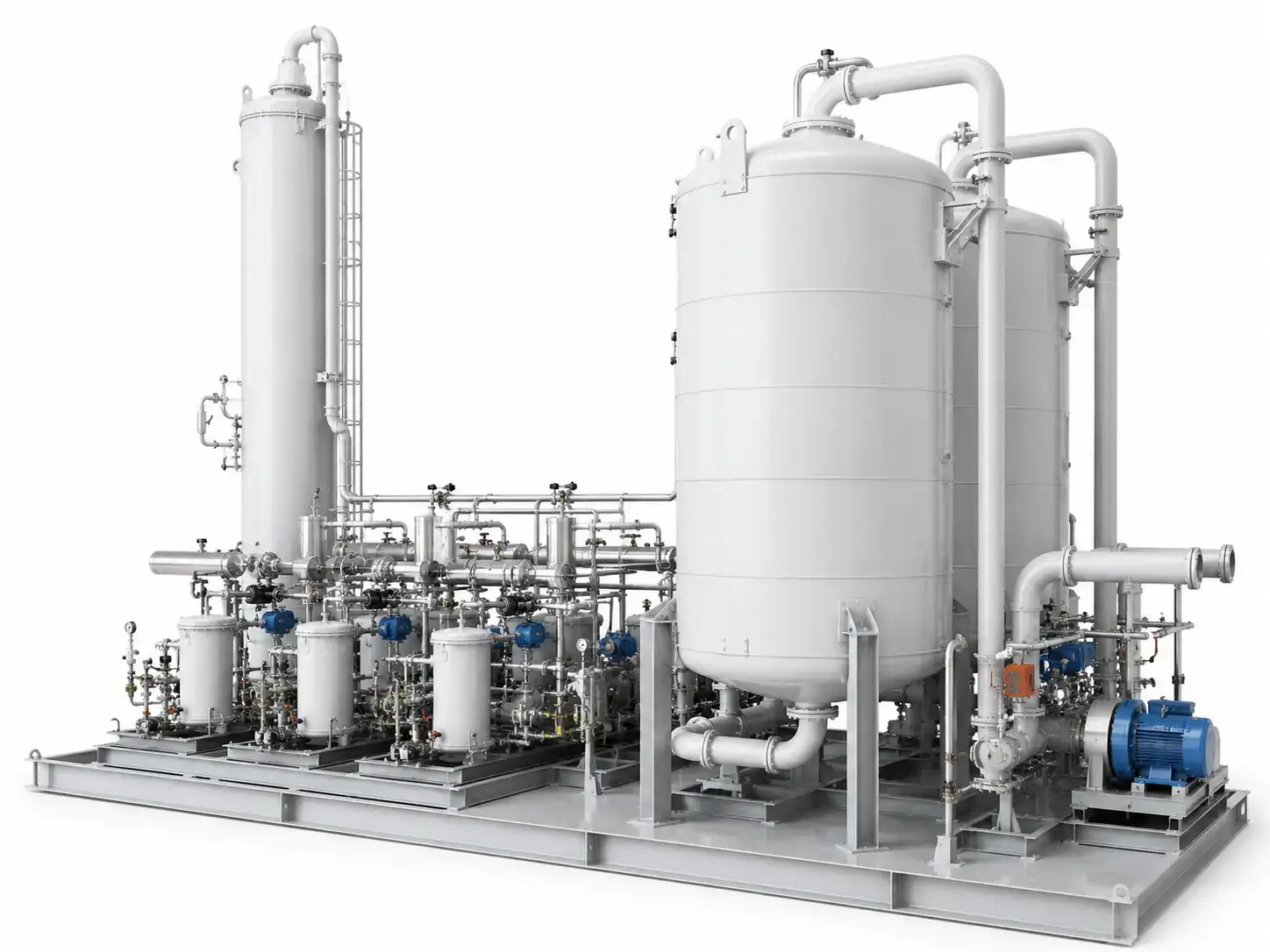
Single skid package
Duty
Breathing losses and loading surges
How does a vapour recovery unit work at a chemical tank farm?
When a tank or tanker fills, the rising liquid pushes vapour out through the vents. A vapour recovery unit collects it through a header and recovers it, either by compressing and condensing it or by adsorbing it on activated carbon and then regenerating the carbon. The recovered liquid goes back to storage.
How it works
The unit sits on the vapour header from the tanks and loading points, with a knockout drum at its inlet.
Vapour from tanks and loading points flows through the collection header.
A knockout drum removes liquid droplets at the inlet.
Compression or carbon adsorption captures the vapour.
The recovered liquid is pumped back to storage.
The treated vent leaves with most of its vapour removed.
Key Benefits
The unit recovers up to 98% of the displaced vapour.
Recovered vapour goes back to storage as liquid, which cuts product losses.
Less vapour reaches atmosphere from tanks and loading bays.
Compression or carbon adsorption is chosen for the vapour at site.
The unit arrives pre-piped on one skid, ready to tie in.
The CRA Edge
CRA has more than 30 years of experience in gas handling and flare engineering.
Design, R&D and manufacturing are carried out under one roof.
ISO 9001 certified through TÜV NORD, with designs aligned with ASME, API and CE.
Designs are customised to the process needs and the regulations that apply at site.
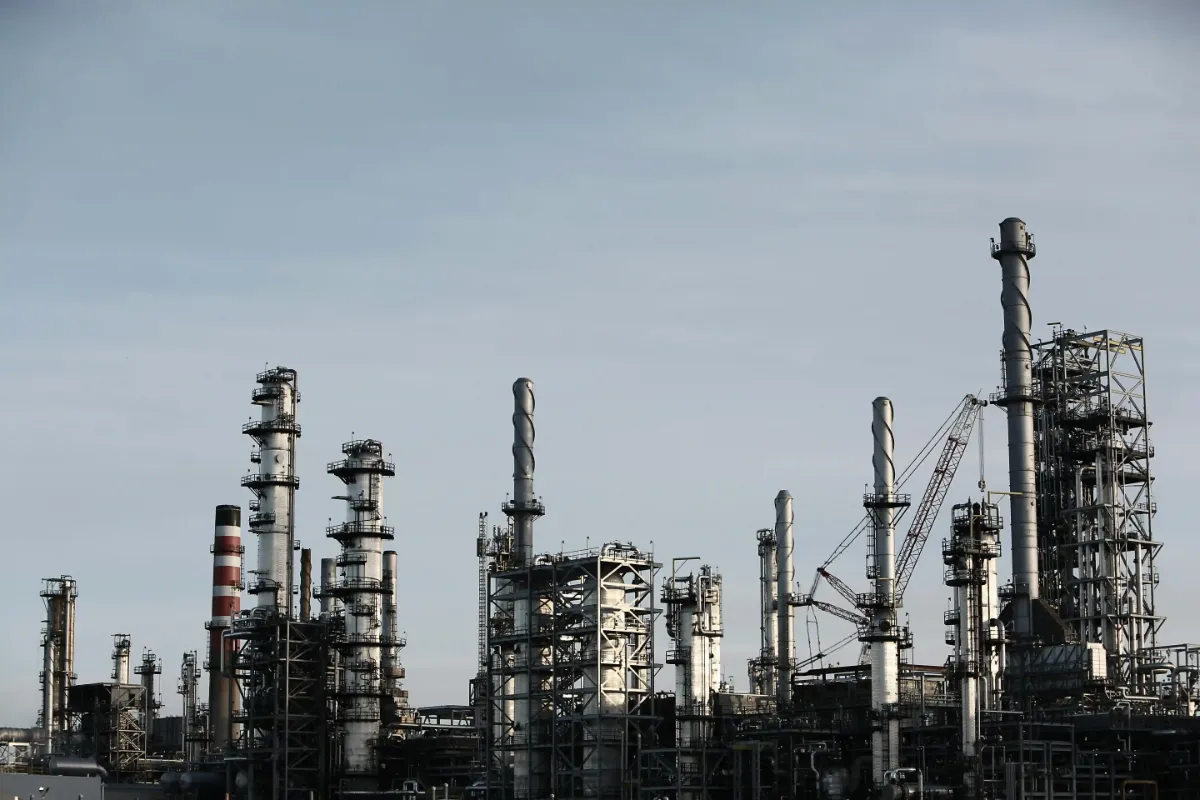
Applications

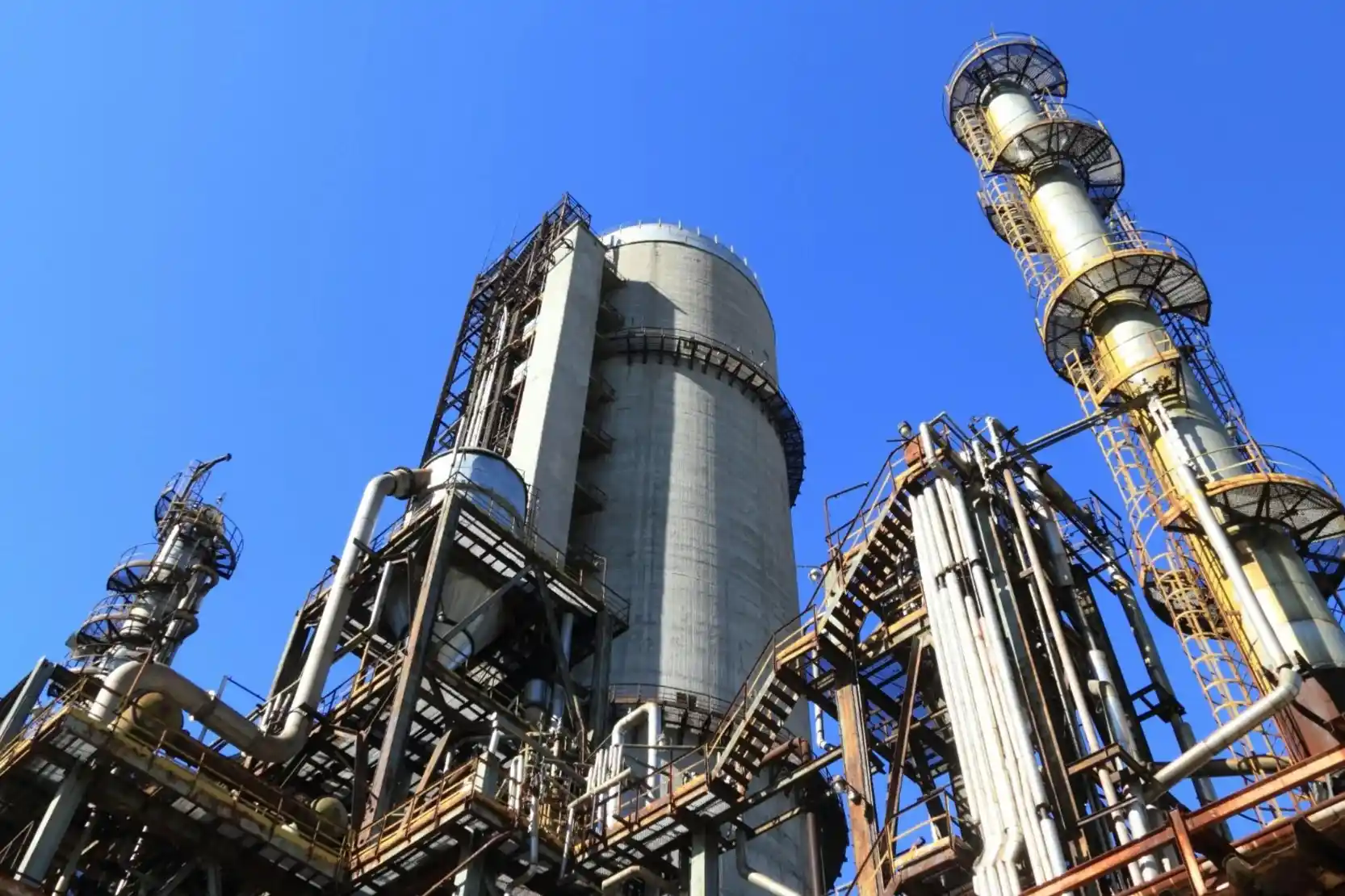
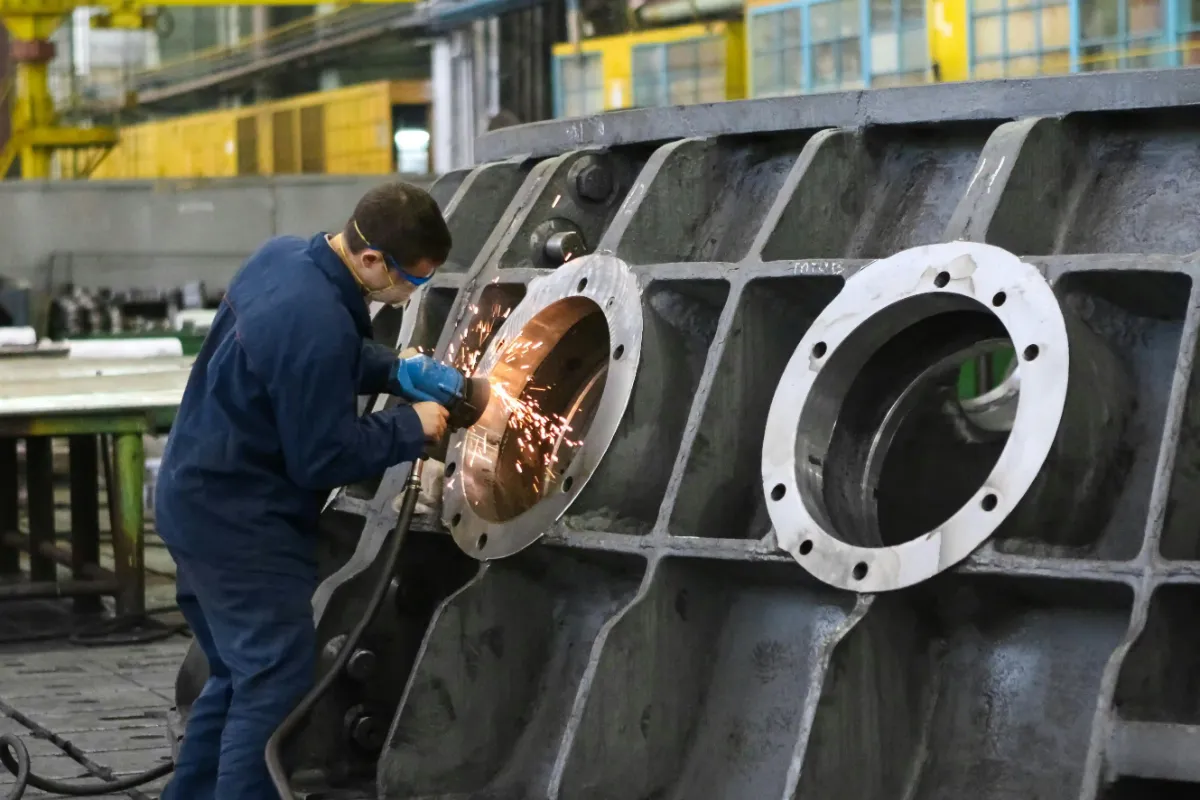
Frequently Asked Questions
When should a tank farm recover vapour?
Recovery pays back where the vapour has value and the flow is large or steady. Small or intermittent flows of low value vapour suit a vapour combustion unit.
How much vapour does the unit recover?
CRA's vapour recovery units recover up to 98% of the displaced vapour.
Which recovery method does CRA use?
CRA uses compression or carbon adsorption, chosen for the vapour composition and the loading pattern at site.
What data does CRA need to size a vapour recovery unit?
CRA needs the tank filling and loading rates, the products stored, the vapour composition and the site conditions.
Does CRA supply flame arrestors and breather valves?
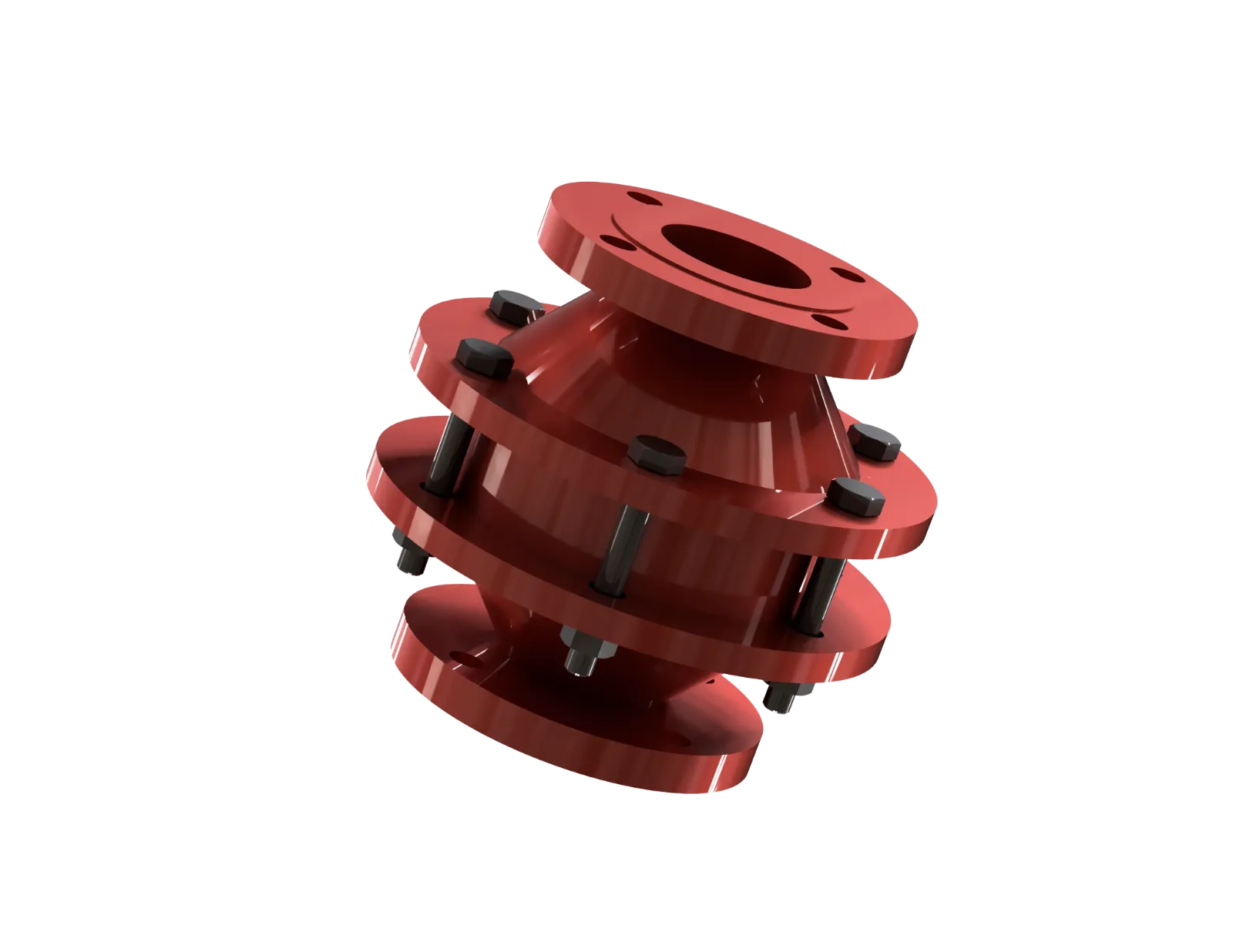
Yes. CRA supplies flame arrestors and pressure vacuum relief valves for tanks and vapour lines.