
Smokeless Flares for Refineries
Steam and air assisted flares that keep refinery flaring smokeless, from routine purge flows to emergency relief.


Smokeless flaring for heavy refinery gas
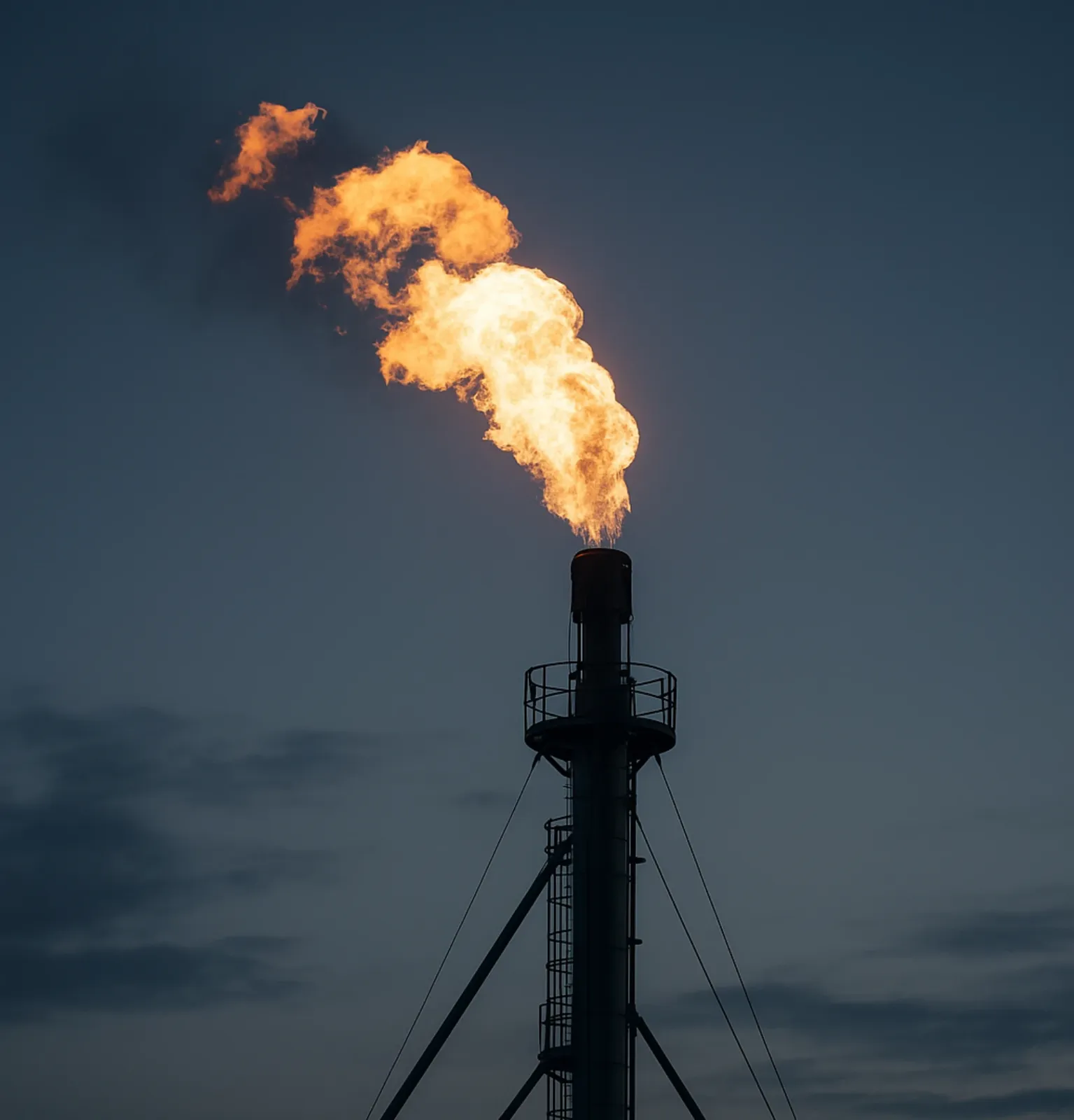
CRA's steam and air assisted flares mix extra energy into the flame at the tip, so refinery relief gas burns without smoke, from routine purge flows to the emergency case.
Destruction efficiency
>98%
Turndown ratio
Up to 50:1
Assist
Steam or air
Standard
API 537
What makes a refinery flare smokeless?
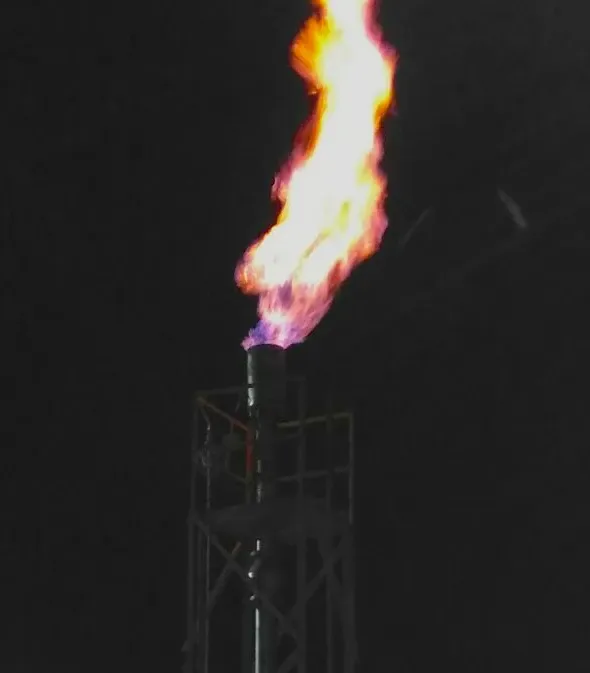
A flame smokes when it cannot draw in enough air to burn all the carbon in the gas. Refinery relief streams carry heavier hydrocarbons that need more air than a plain flame can draw. Assisted flares inject steam or blow air into the flame at the tip, which adds turbulence and air and keeps the flame clean.
How it works
The flare sits at the end of the refinery's relief header, after the knockout drum and the water seal.
Gas from the refinery's relief system reaches the flare through the knockout drum and the water seal.
Steam or air is injected at the tip in step with the flare load.
The assist medium pulls extra air into the flame and mixes it with the gas.
With enough air and turbulence, the heavy hydrocarbons burn without smoke.
Automated pilots keep the flare lit for the next relief event.
Key Benefits
Steam or air mixes into the flame and keeps heavy hydrocarbons burning without smoke.
Assisted flares hold a stable, smokeless flame across turndown of up to 50:1.
CRA offers steam assist where steam is available and air assist where it is not.
The flare is designed to destroy more than 98% of the hydrocarbons it burns.
Staged steam injection matches the assist to the flare load and saves steam at low flows.
Projects That Push Boundaries
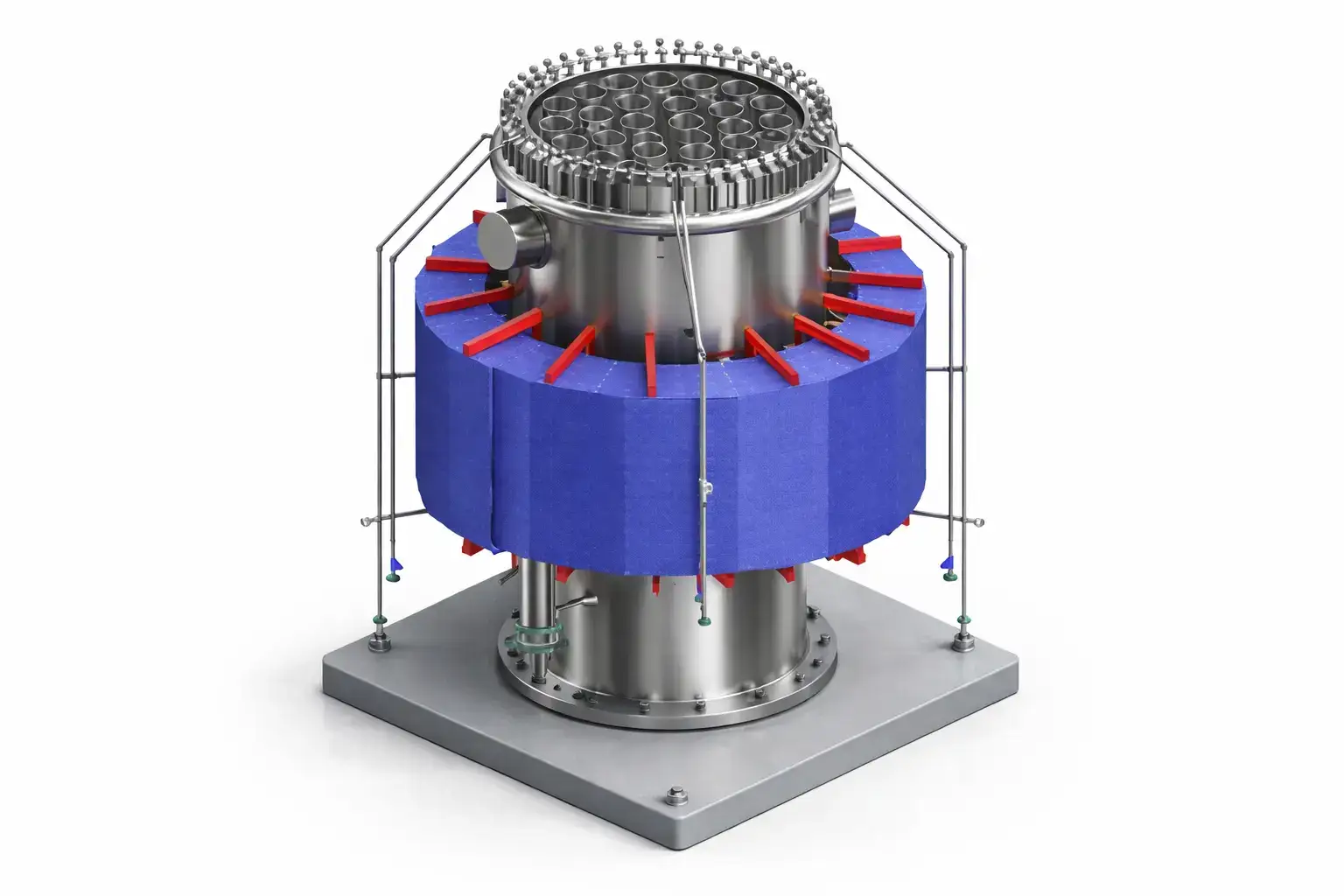
Handles purge-only to full emergency relief at 358 t/h with minimised purge gas consumption.
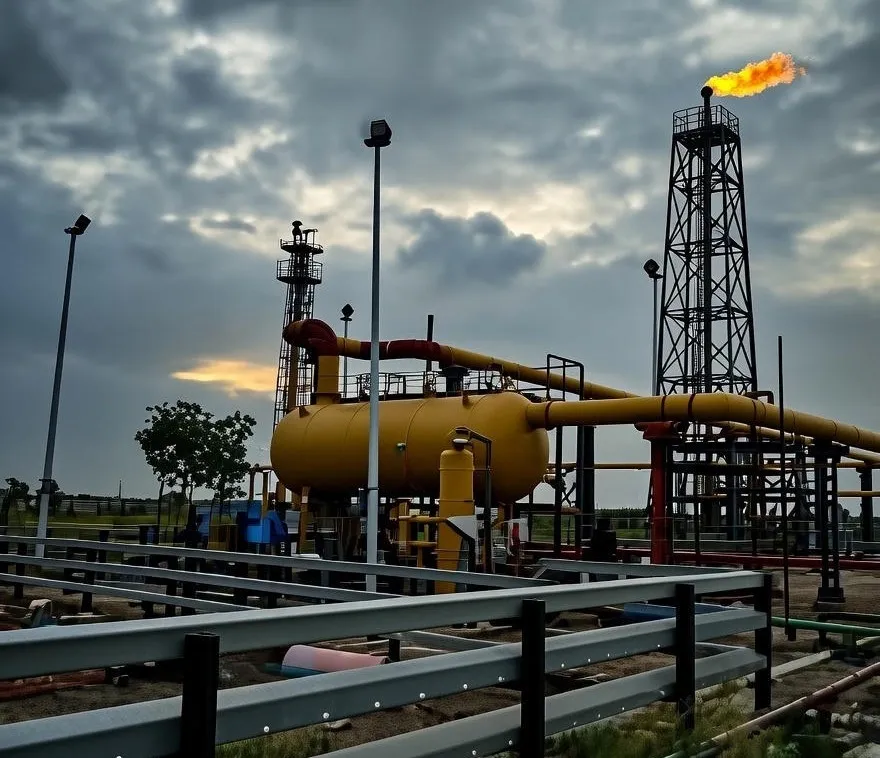
Smokeless performance CFD-validated, with built-in ignition redundancy for uninterrupted field operation.
The CRA Edge
CRA has more than 30 years of experience in gas handling and flare engineering.
Design, R&D and manufacturing are carried out under one roof.
ISO 9001 certified through TÜV NORD, with designs aligned with ASME, API and CE.
Designs are customised to the process needs and the regulations that apply at site.
Applications
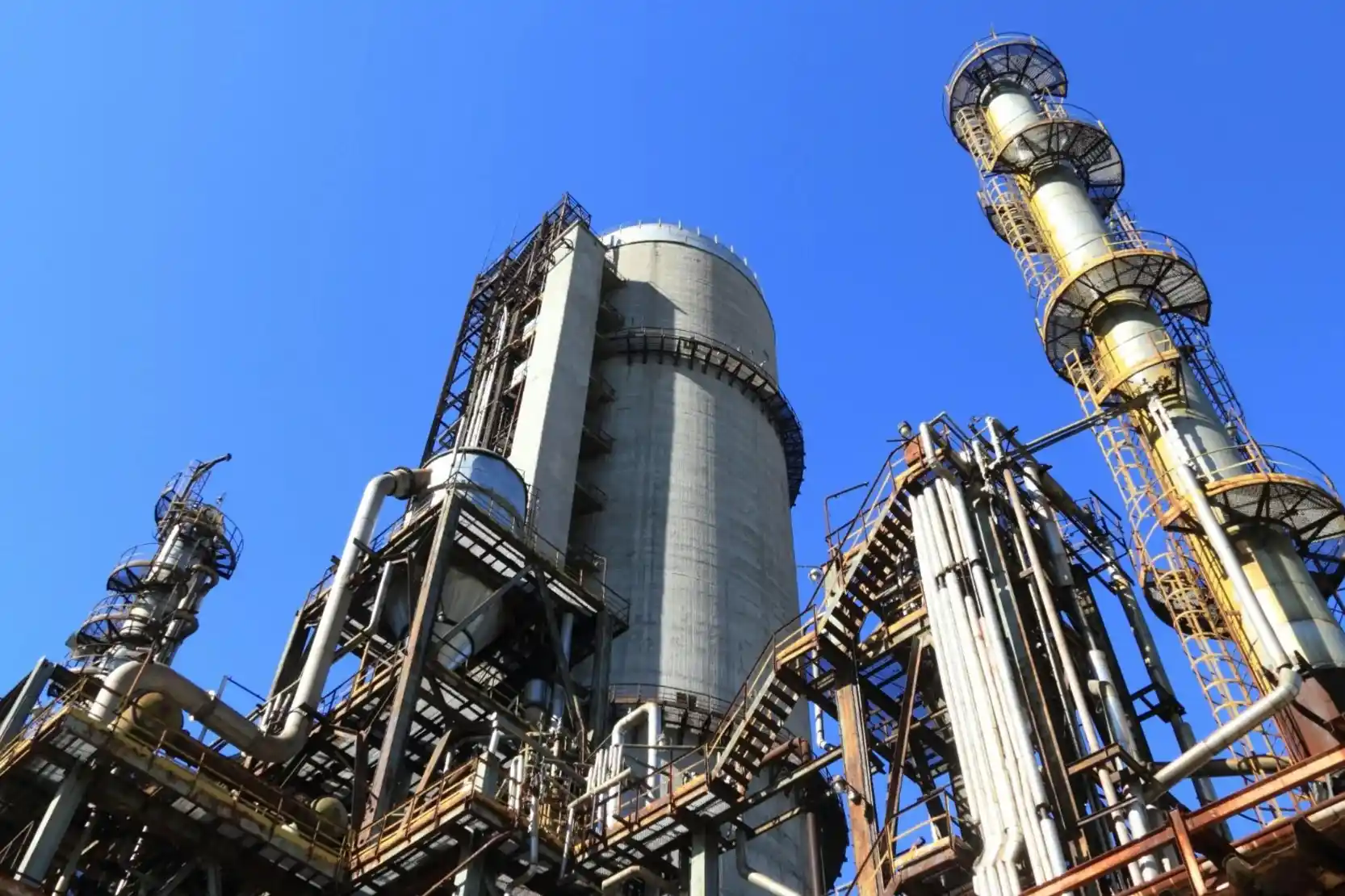

Built to help you specify.
Sizing tools, decision guides, and technical references. Use them before, during, and after your evaluation.




Frequently Asked Questions
Why do refinery flares smoke?
Heavy hydrocarbons need more air than a plain flame can draw in on its own, so part of the carbon leaves as soot unless the flare is assisted.
Should a refinery choose steam or air assist?
Steam assist suits refineries with spare steam. Air assist suits sites where steam is scarce or costly, and uses an on-site blower.
Can an existing flare be converted to smokeless operation?
Often it can. CRA assesses the existing stack and tip and can supply an assisted tip and the assist system as a retrofit.
What data does CRA need for a smokeless flare?
CRA needs the flaring cases with their flows, the gas composition and molecular weight, the steam or power available, and the site conditions.
Does CRA supply the pilots and ignition?
Yes. CRA supplies automated pilots and ignition systems with its flares.