
Burner Management Systems for Pyrolysis Plants
Burner management systems that purge, light, supervise and shut down burners firing pyrolysis gas and oil.


Combustion safety for burners firing pyrolysis fuels
CRA's burner management systems purge, light, supervise and shut down the reactor burners and flares at plastic and tyre pyrolysis plants, with UV or IR flame detection.
Function
Combustion safety control
Flame detection
UV/IR
Standards
NFPA, API, IEC, ISO
Integration
DCS/PLC compatible
How does a burner management system protect a pyrolysis plant?
Before every light-off, the BMS purges the combustion chamber to clear any unburned fuel. It then lights the pilot, confirms the flame with a UV or IR detector and only then admits the main fuel. While the burner fires, the system watches fuel pressure, combustion air and the flame signal, and on any fault it shuts off the fuel and de-energises the ignition.
How it works
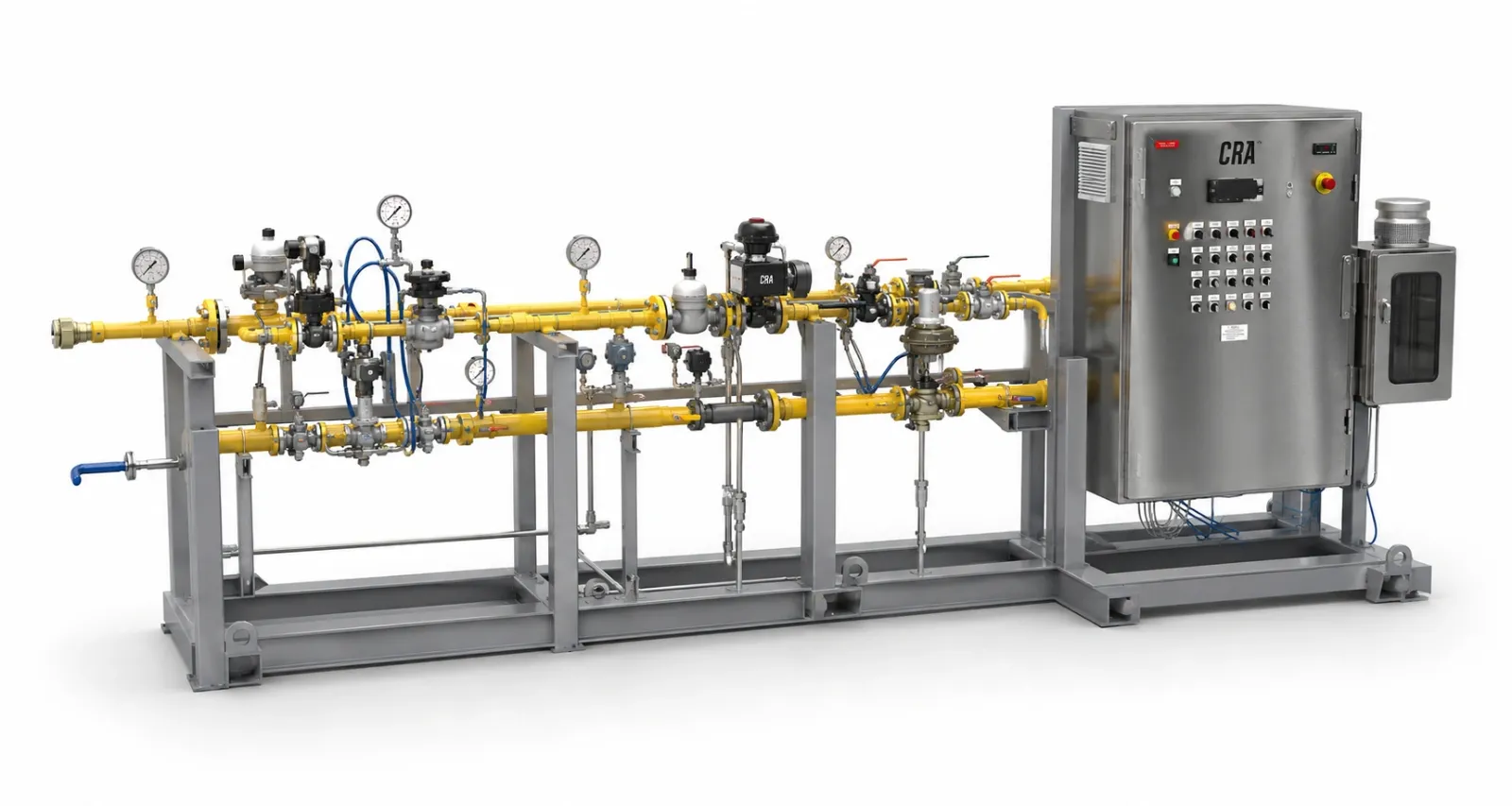
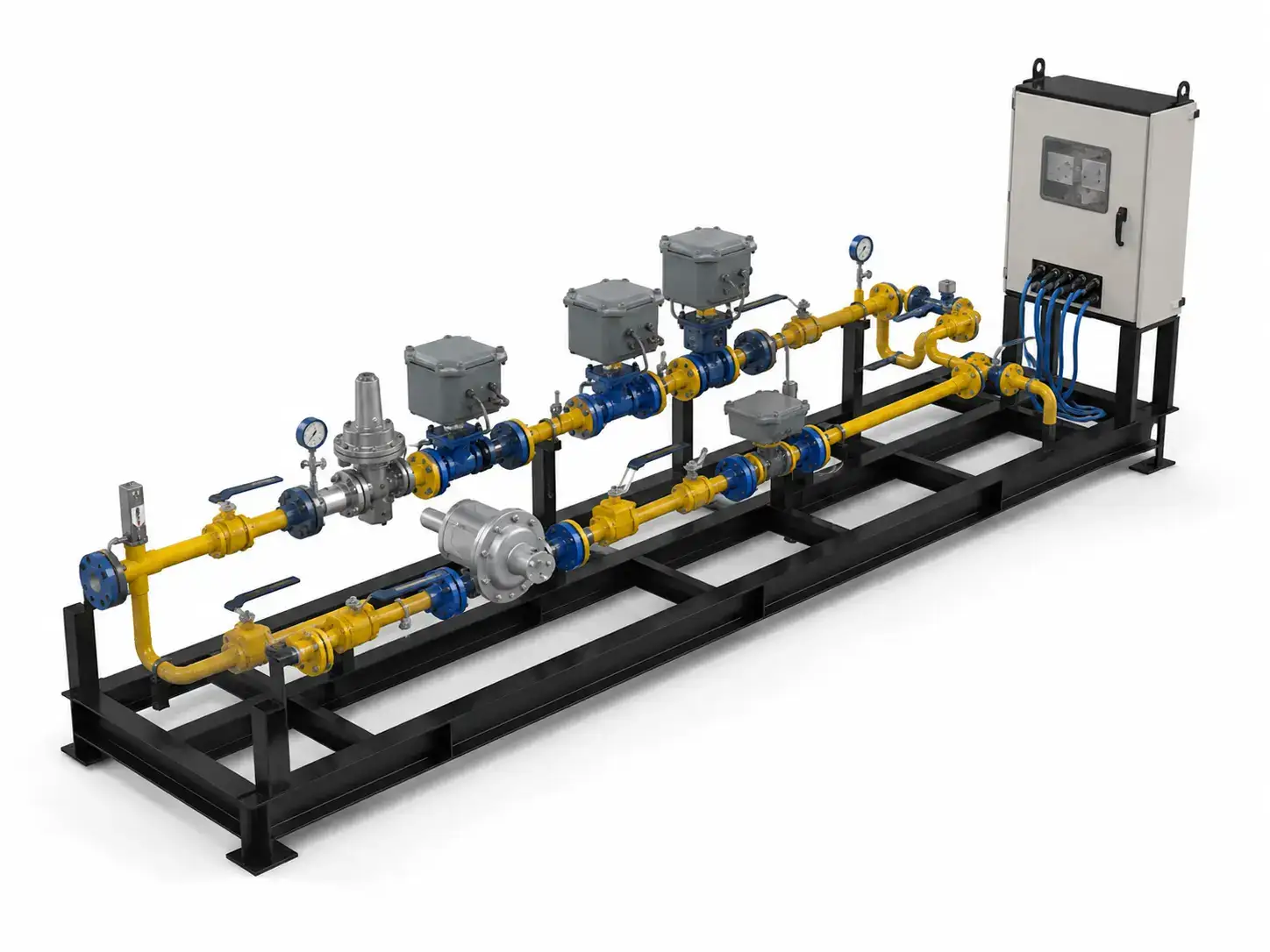
The BMS sits between the burner's fuel train and the plant control system, which it reports to through the DCS or PLC.
The chamber is purged of unburned fuel before ignition.
The pilot lights and its flame is confirmed.
Main fuel is admitted once the flame is proven.
Fuel pressure, air flow and flame signal are watched throughout.
On a fault, fuel is isolated and the ignition de-energised.
Key Benefits
Purge and ignition run in a fixed sequence before fuel is admitted.
UV or IR detectors confirm the flame throughout firing.
Fuel is isolated at once when a safety condition is lost.
The system is configured for burners firing pyrolysis gas and oil.
The BMS links to the plant's DCS or PLC.
Projects That Push Boundaries
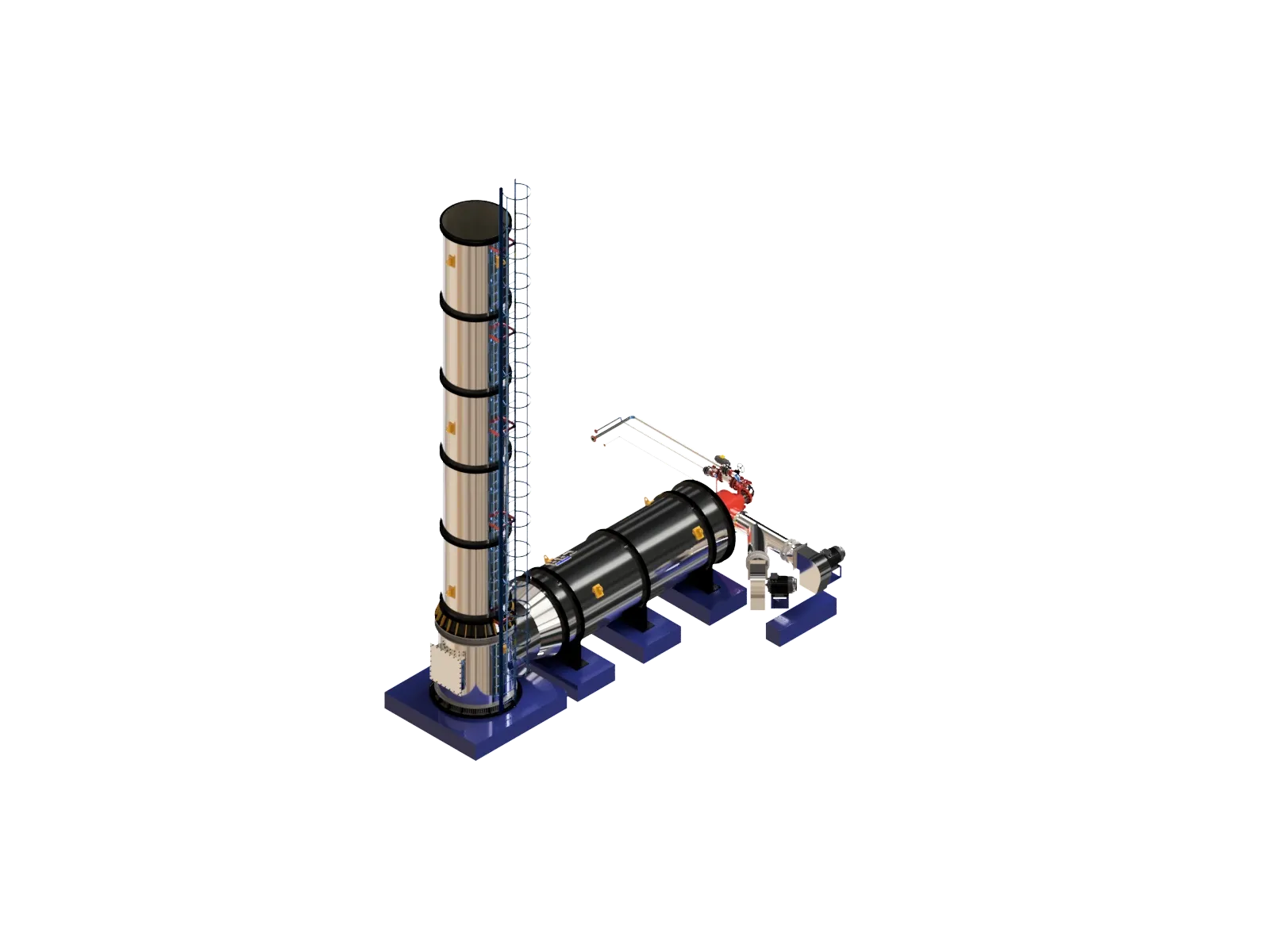
Single-package BMS, burner and enclosed flare engineered for a highly variable pyrolysis vapour stream.
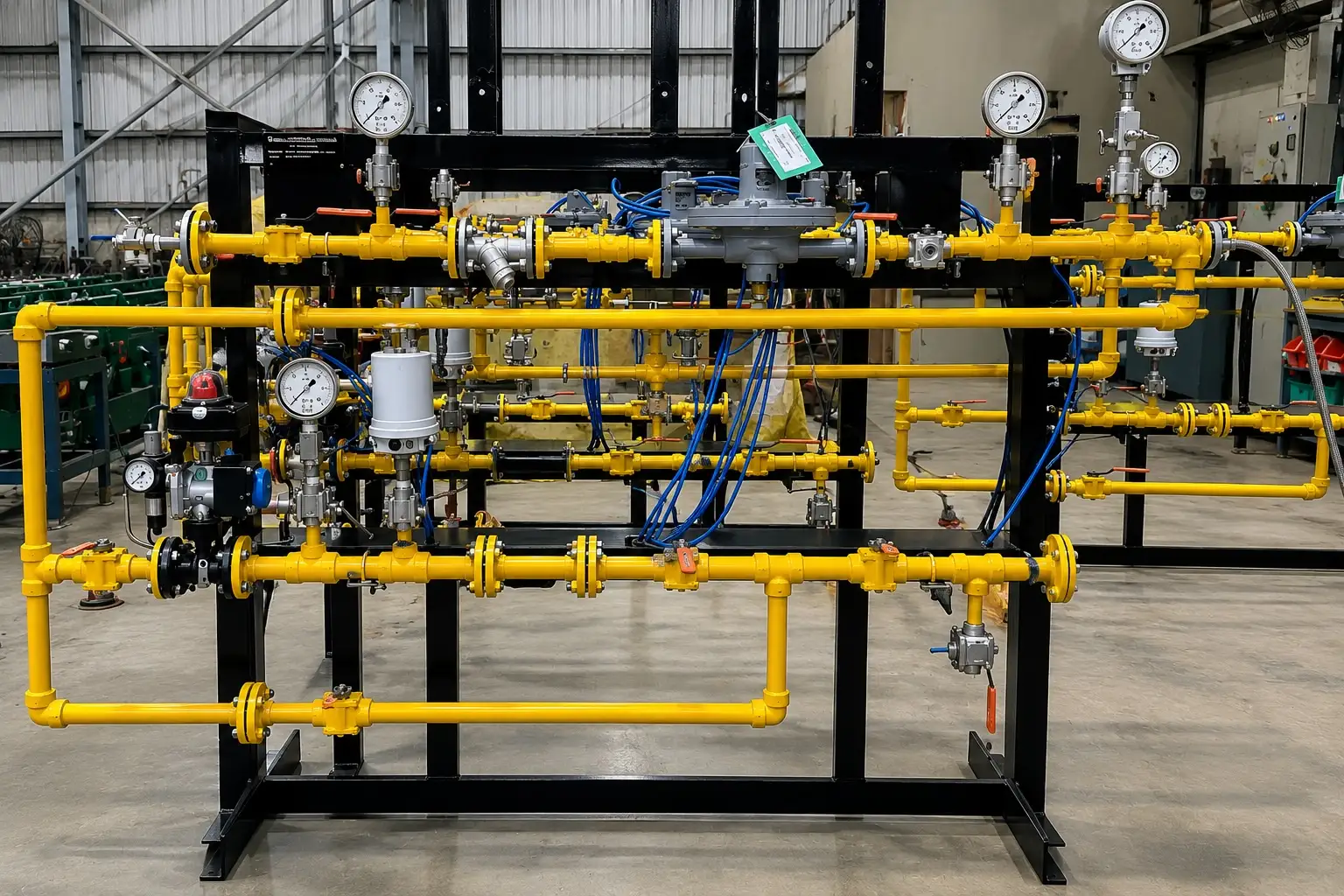
Automated purge, ignition, and shutdown sequencing to API 521/537 for flare and burner safety.
The CRA Edge
CRA has more than 30 years of experience in gas handling and combustion engineering.
Design, R&D and manufacturing are carried out under one roof.
ISO 9001 certified through TÜV NORD, with designs aligned with ASME, API and CE.
Designs are customised to the process needs and the regulations that apply at site.
Applications
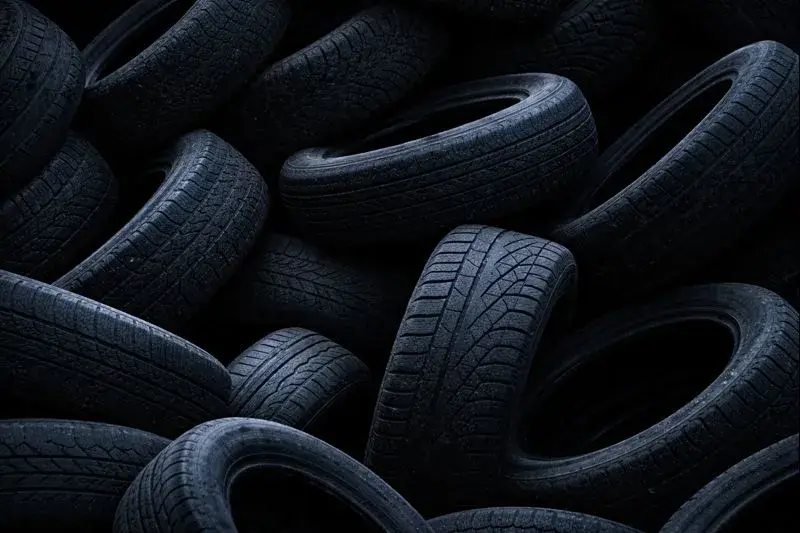

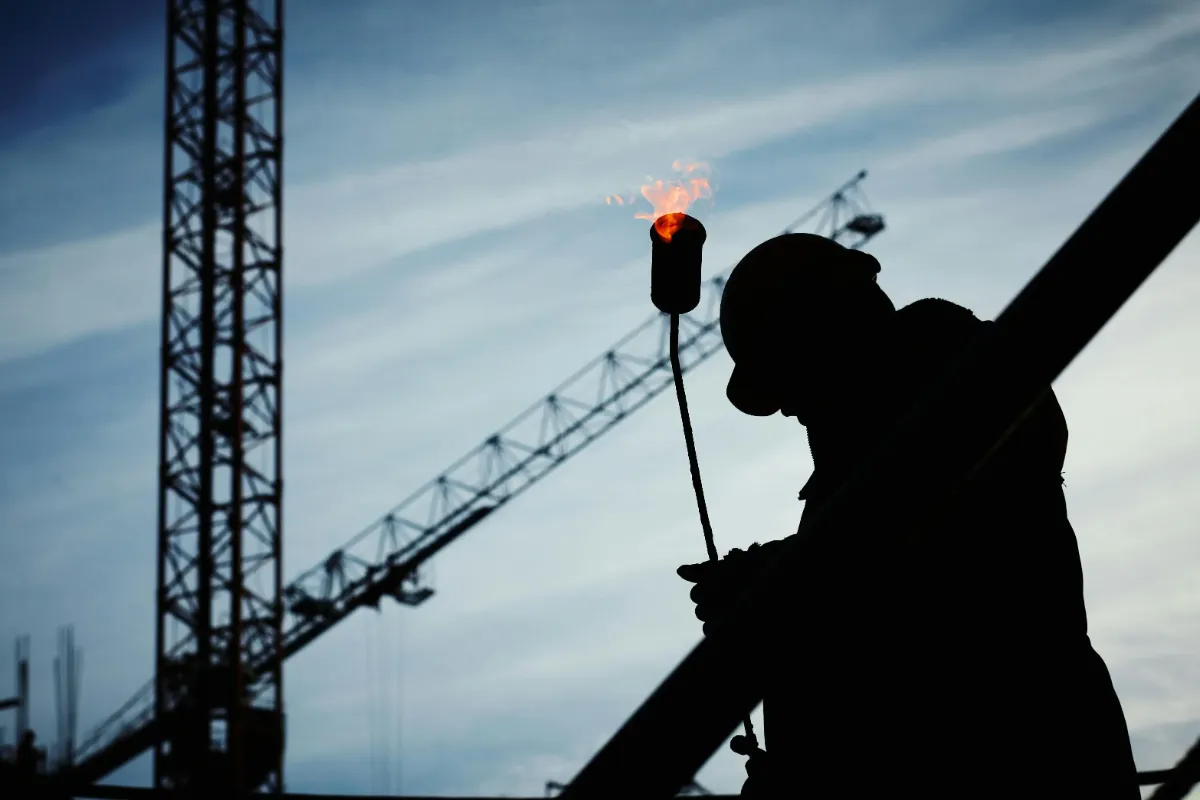

Frequently Asked Questions
What does a burner management system do?
It runs the burner's light-off and shutdown sequence, supervises the flame and the safety permissives during firing, and isolates the fuel when any condition becomes unsafe.
Why do pyrolysis burners need a BMS?
Pyrolysis gas and oil change in quality during the batch and with the feedstock, which makes flame failure more likely. The BMS stops fuel from entering a firebox without a proven flame.
Which standards does the BMS follow?
CRA designs its burner management systems in line with NFPA, API, IEC and ISO requirements.
Can the BMS connect to the plant's control system?
Yes. CRA's BMS interfaces with plant DCS and PLC platforms, so burner status and alarms appear alongside the rest of the plant.
Can a BMS be added to existing burners?
Yes. CRA reviews the existing burners, fuel trains and controls and supplies a BMS to suit them.