
Regenerative Thermal Oxidizers for Solvent Emissions
Regenerative thermal oxidisers that destroy solvent emissions in large, lean airflows with up to 95% heat recovery.


Lean solvent air treated at low fuel cost
CRA's regenerative thermal oxidisers destroy solvent VOCs in large, lean airflows, storing the heat of the exhaust in ceramic beds and returning up to 95% of it to the incoming air.
Heat recovery
Up to 95%
VOC destruction
99% to 99.99%
Ceramic beds
Two or three
Best for
Large, lean airflows
How does a regenerative thermal oxidiser work?
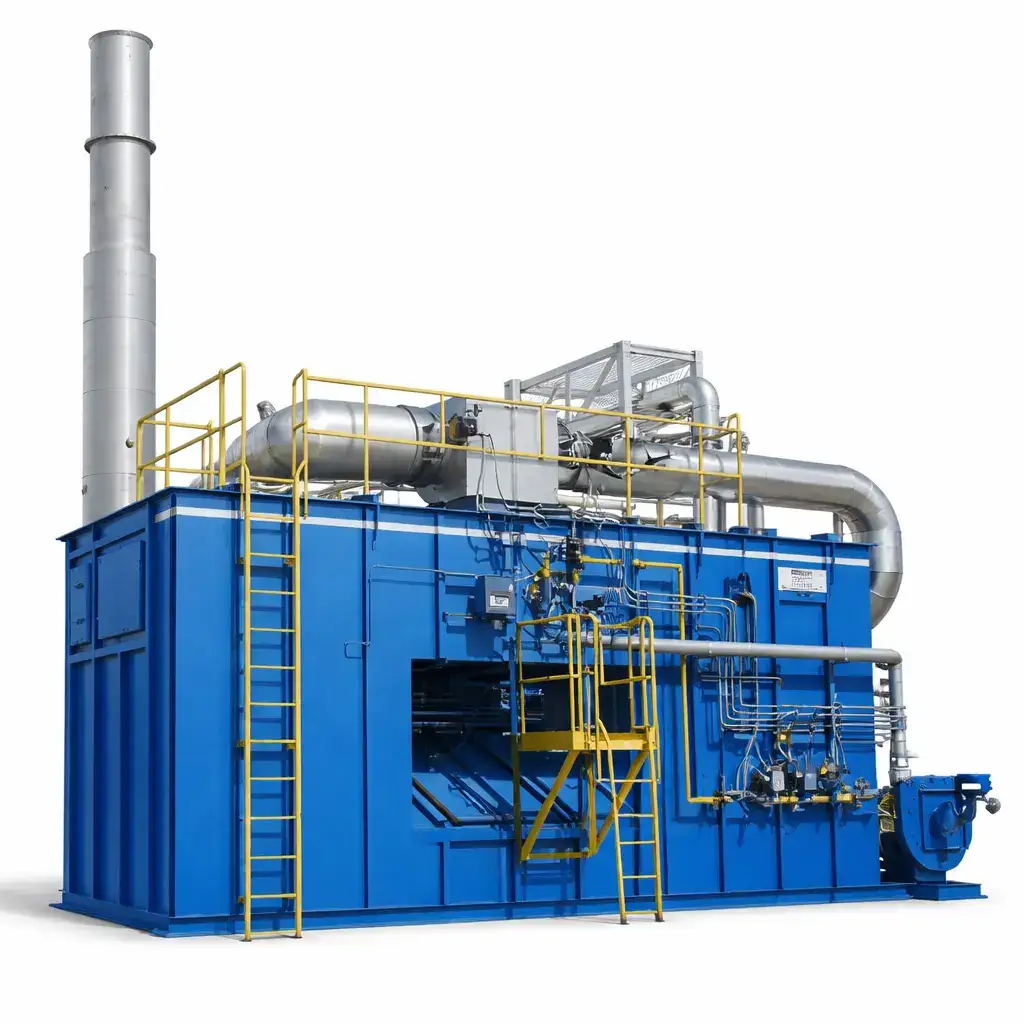
A regenerative oxidiser has two or three beds of ceramic media and a combustion chamber above them. Solvent-laden air passes up through a hot bed, picks up its heat and reaches the chamber close to the oxidation temperature, where the VOCs are destroyed. The hot clean air then passes down through a second bed and heats it. Valves switch the flow at intervals, so the beds take turns.
How it works
The oxidiser takes air from the process exhaust fans, ahead of the stack.
Solvent-laden air passes through a bed of hot ceramic media and heats up.
In the combustion chamber, the solvents oxidise to carbon dioxide and water.
The hot clean air passes through a second bed, which stores its heat.
Valves reverse the flow so the heated bed warms the next incoming air.
Treated air leaves through the stack.
Key Benefits
Ceramic beds store and return heat, which keeps fuel use low on lean air.
Destruction efficiency between 99% and 99.99% is set at design.
Regenerative oxidisers suit high airflows with low solvent concentrations.
Two-bed and three-bed designs balance cost against destruction performance.
High heat recovery cuts the fuel needed to treat lean, solvent-laden air.
Projects That Push Boundaries
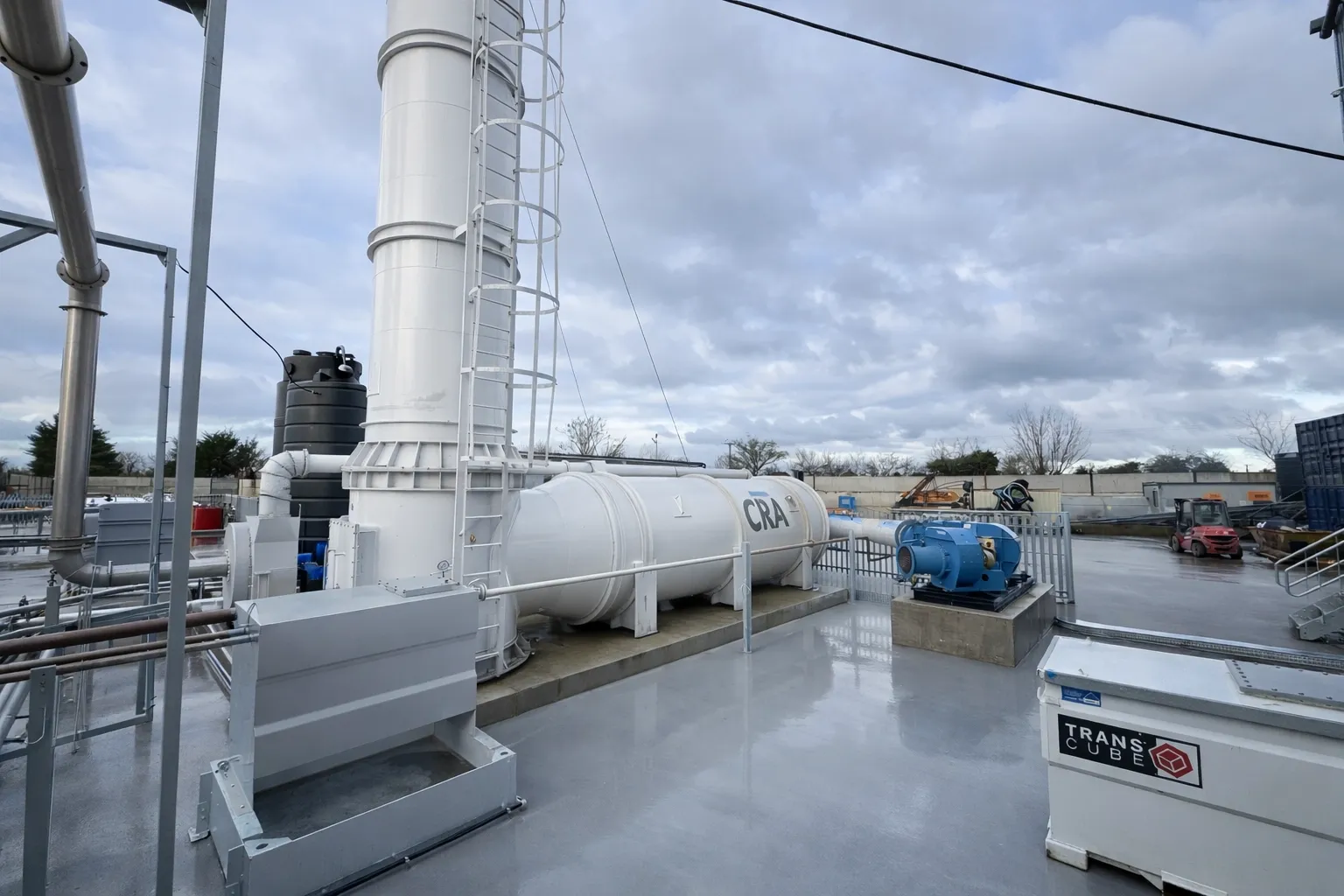
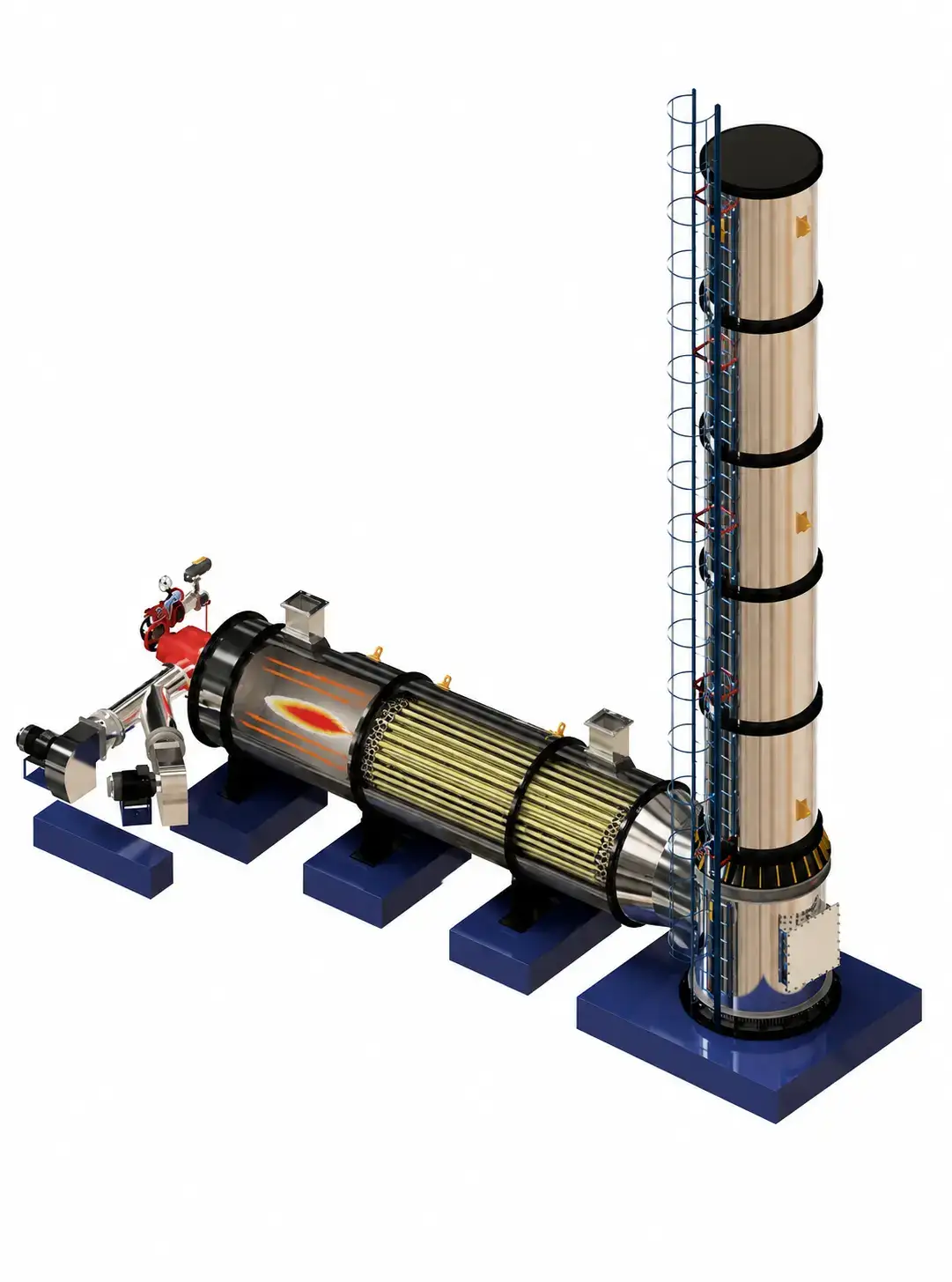
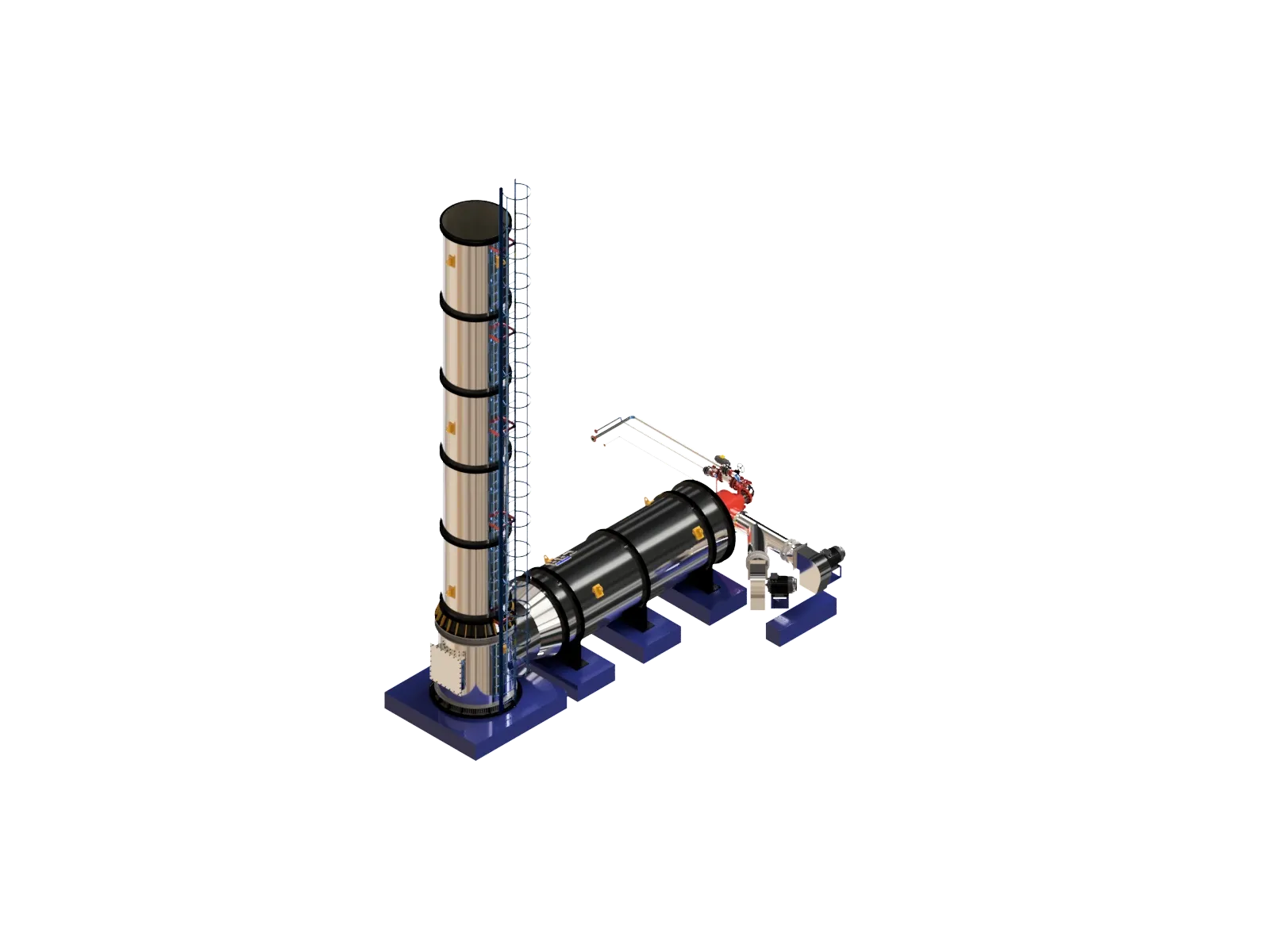
Skid-mounted thermal oxidiser for lean, VOC-laden pyrolysis off-gas, designed in line with UKCA requirements.
The CRA Edge
CRA has more than 30 years of experience in gas handling and combustion engineering.
Design, R&D and manufacturing are carried out under one roof.
ISO 9001 certified through TÜV NORD, with designs aligned with ASME, API and CE.
Designs are customised to the process needs and the regulations that apply at site.
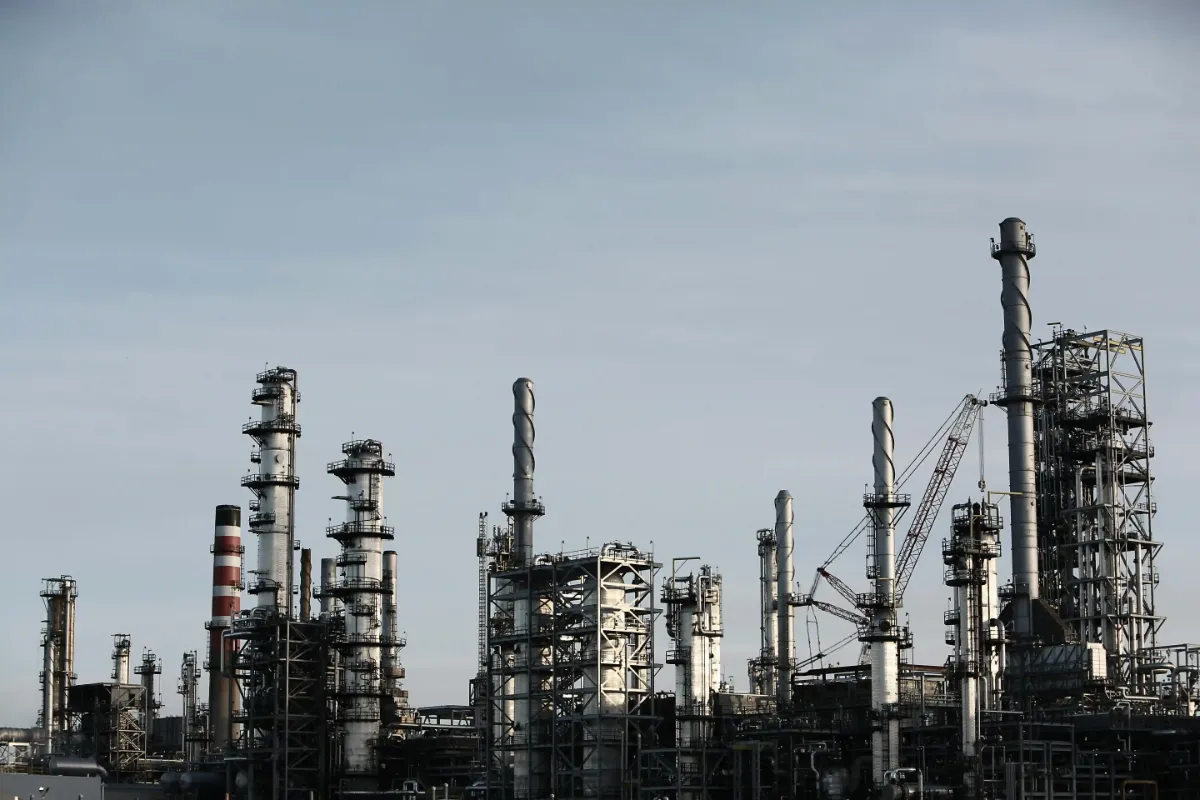
Applications

Built to help you specify.
Sizing tools, decision guides, and technical references. Use them before, during, and after your evaluation.




Frequently Asked Questions
When is a regenerative thermal oxidiser the right choice?
A regenerative oxidiser suits large airflows with low solvent concentrations, where its high heat recovery keeps fuel use low.
How much heat does the oxidiser recover?
CRA's regenerative thermal oxidisers recover up to 95% of the heat of the exhaust through their ceramic beds.
What is the difference between a two-bed and a three-bed design?
A three-bed design uses its third bed to purge before the flow switches, which gives higher destruction. A two-bed design costs less where the permit allows it.
What data does CRA need to size an RTO for solvent emissions?
CRA needs the airflow range, the solvents and their concentrations, the operating hours, the permit limits and the site conditions.
How lean can the solvent air be?
RTOs are built for low solvent concentrations. Once the air carries enough solvent, the oxidation heat can keep the chamber at temperature with almost no burner fuel.