
Biogas Flares for Industrial Effluent Plants
Enclosed biogas flares for anaerobic effluent plants in the food, beverage, dairy and process industries.


Safe disposal of effluent plant biogas
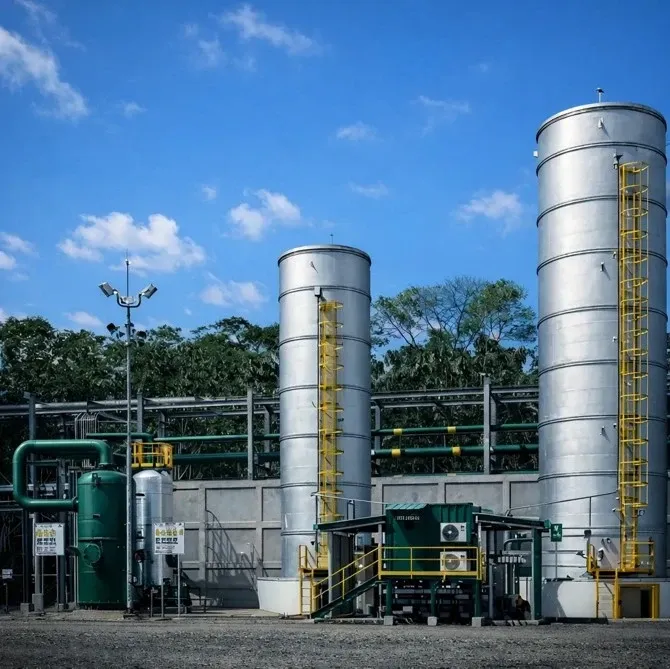
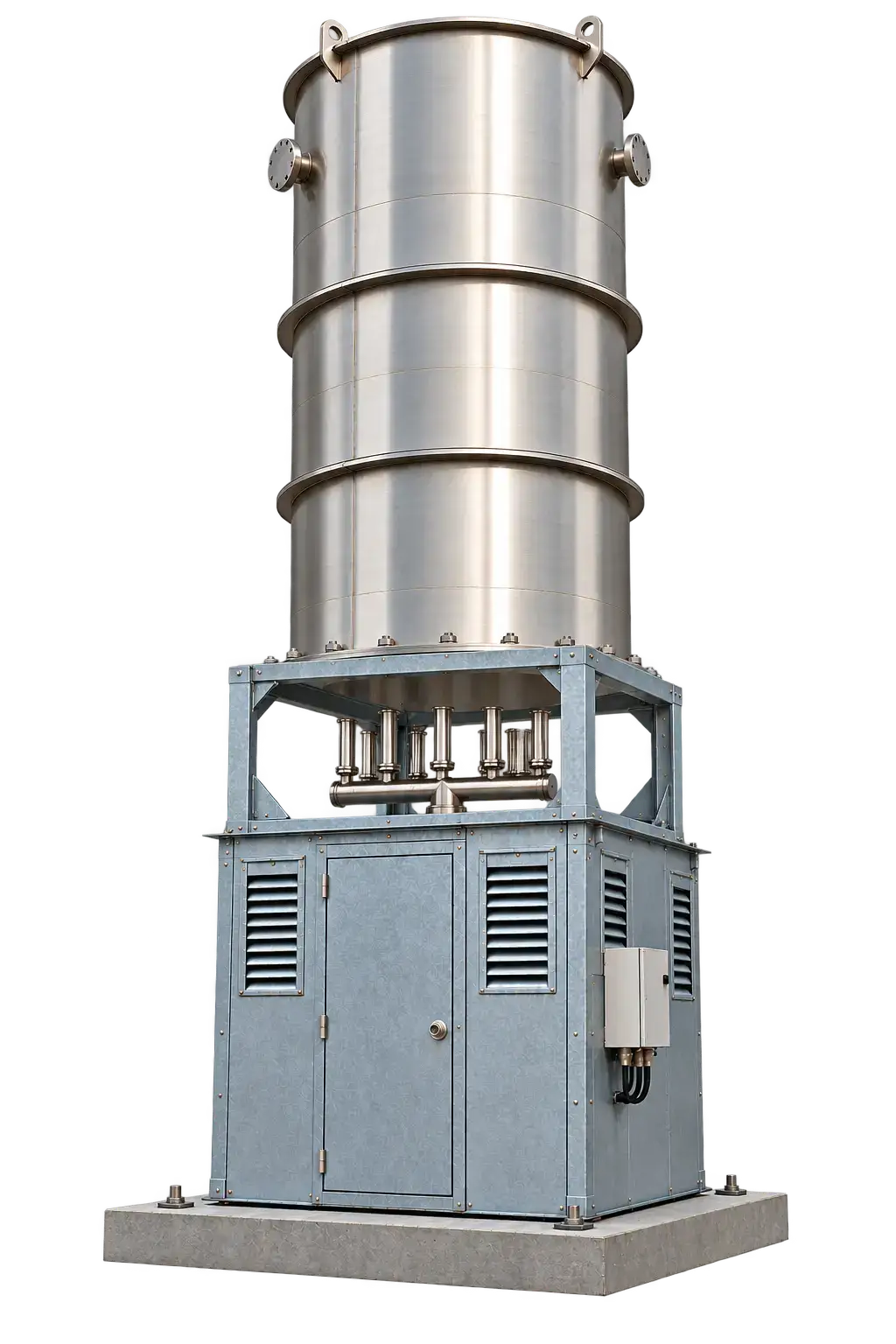
CRA's enclosed biogas flares burn the gas from anaerobic effluent reactors whenever the boiler or engine cannot use it, with no visible flame and destruction efficiency above 98%.
Destruction efficiency
>98%
Gas source
Anaerobic effluent reactors
Flame visibility
Zero (enclosed chamber)
Operation
Fully automated
When does an effluent treatment plant use its biogas flare?
An anaerobic reactor keeps producing gas while the factory sends it effluent. At start-up, during boiler or engine maintenance, on upsets and whenever production outruns demand, the gas goes to the flare. The flare lights automatically, burns the gas inside its enclosure and shuts down once the gas user can take the flow again.
How it works
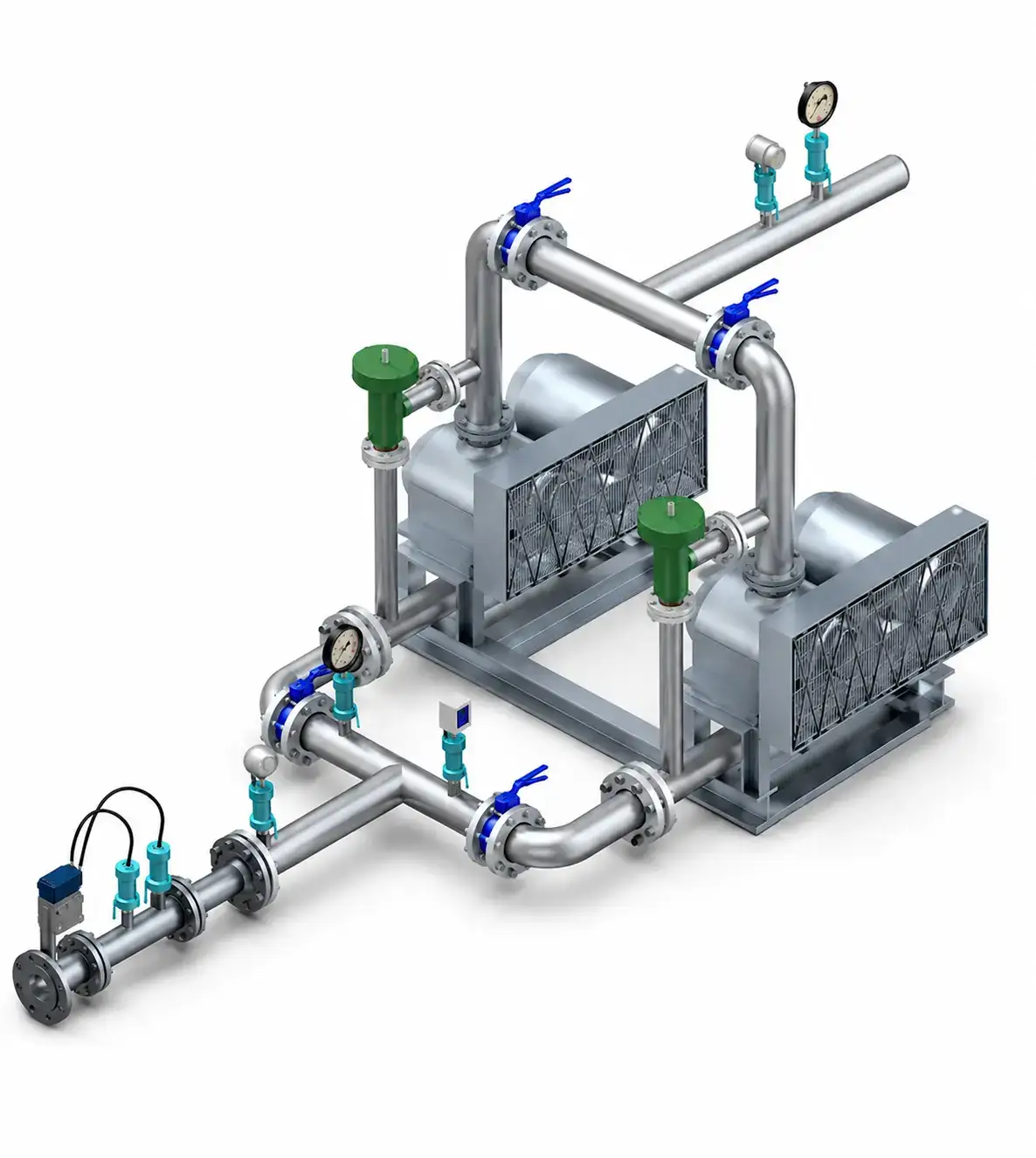
The flare takes gas from the reactor gas line or gas holder, usually with a booster blower and a flame arrestor in its gas train.
Gas the boiler or engine cannot take is routed to the flare.
A booster blower lifts the low-pressure gas for the burner.
The pilot lights and the flame is proven before gas is admitted.
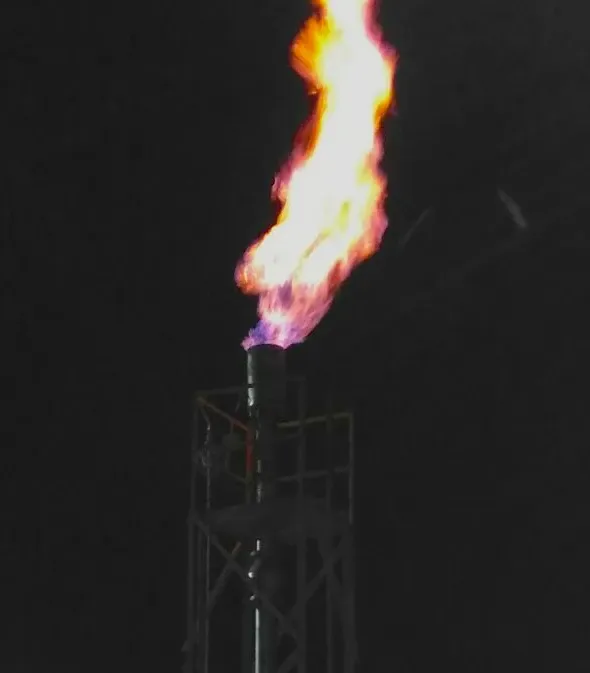
The gas burns inside the enclosure, out of sight.
When the gas user is available again, the flare shuts down.
Key Benefits
Gas from the reactors is burned whenever the boiler or engine is offline.
More than 98% of the methane sent to the flare is destroyed.
The burner covers the gas flow range of the effluent plant as factory output changes.
The flame stays inside the enclosure, out of sight of neighbours and roads.
Automatic start, flame proving and shutdown suit plants with few operators.
Projects That Push Boundaries
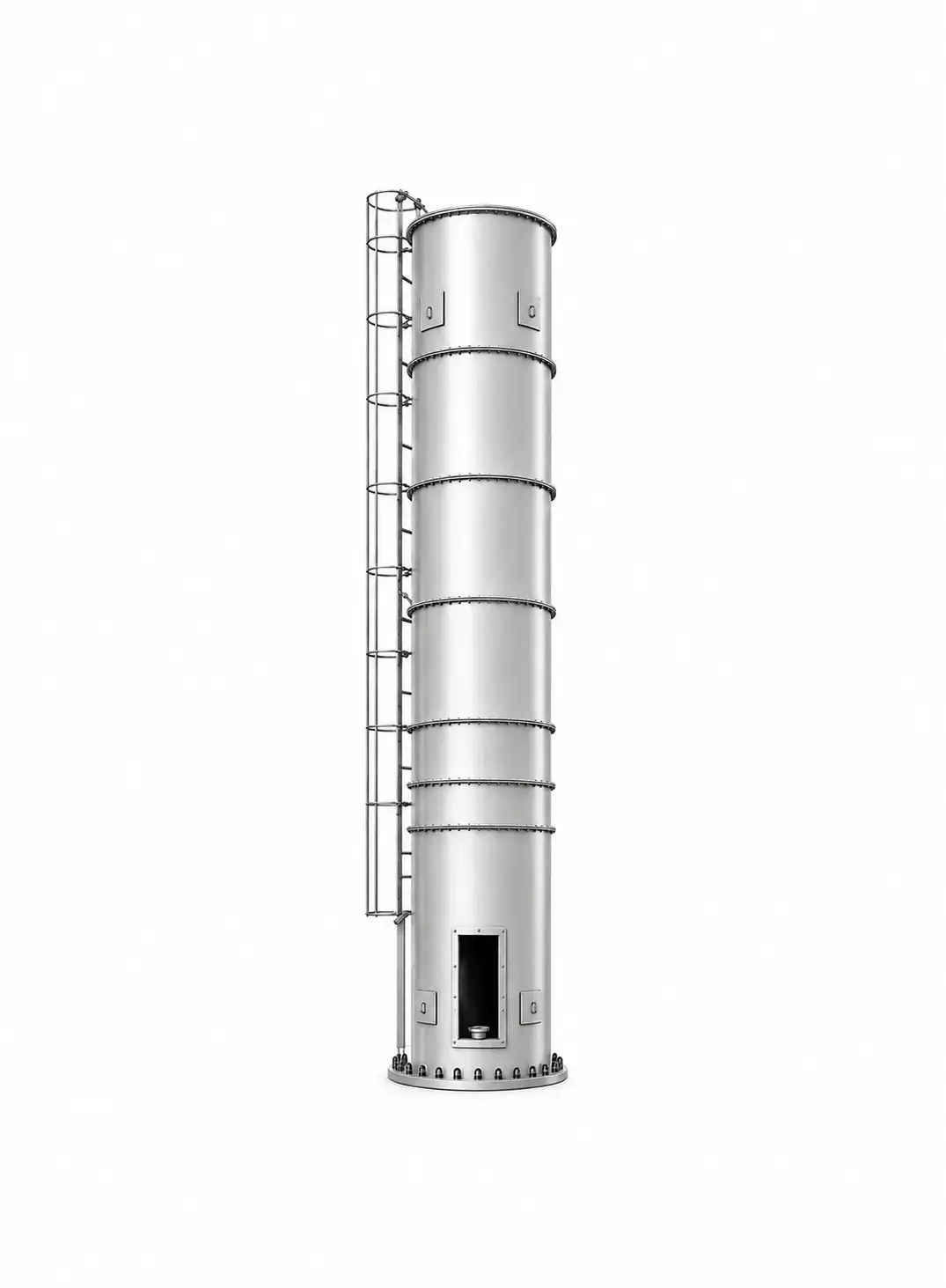
Designed with continuous flame supervision and fail-safe shutdown for a public utility.
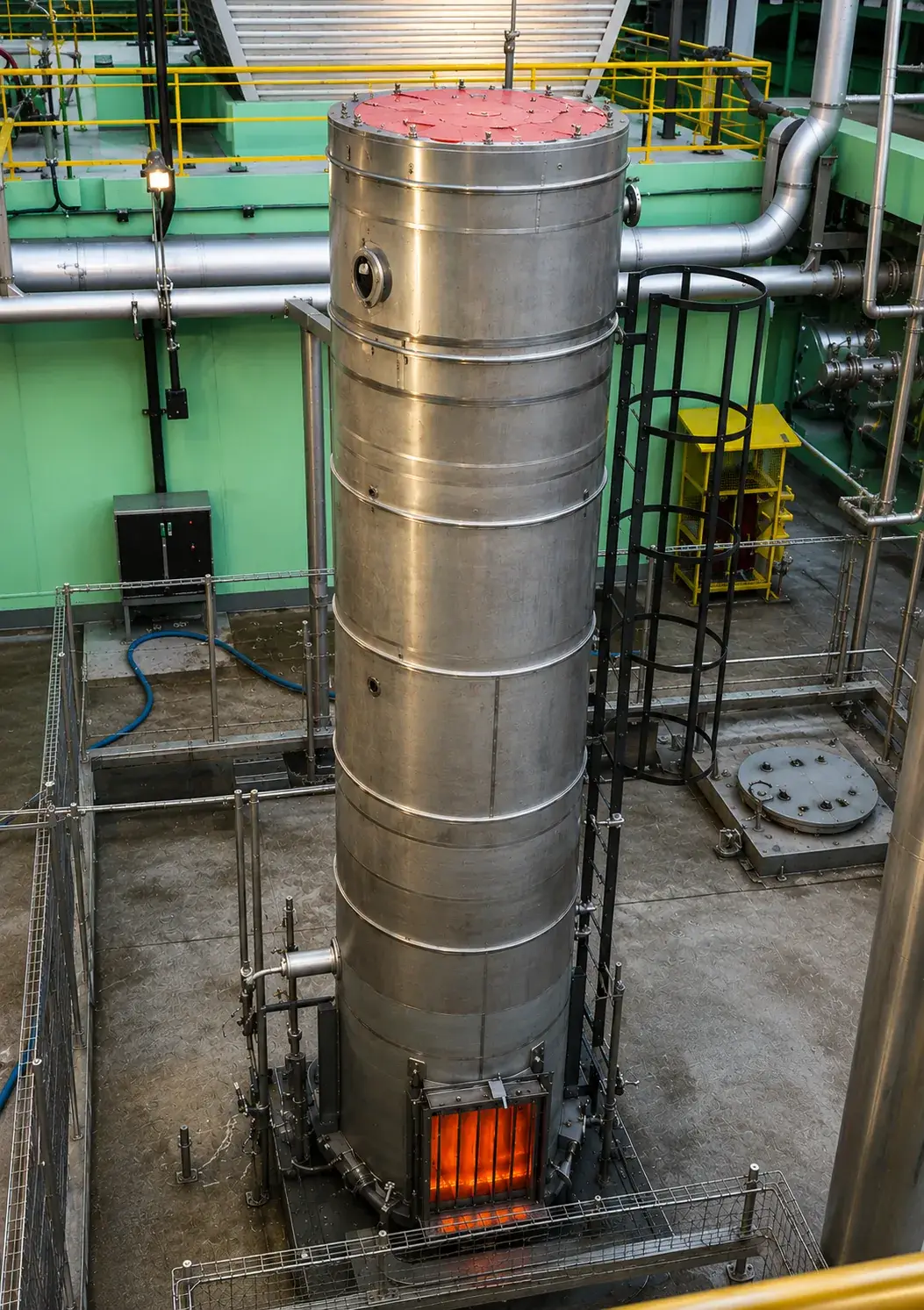
Designed for reliable, smokeless performance across variable gas quality and flow conditions.
The CRA Edge
CRA has more than 30 years of experience in gas handling and flare engineering.
Design, R&D and manufacturing are carried out under one roof.
ISO 9001 certified through TÜV NORD, with designs aligned with ASME, API and CE.
Designs are customised to the process needs and the regulations that apply at site.
Applications
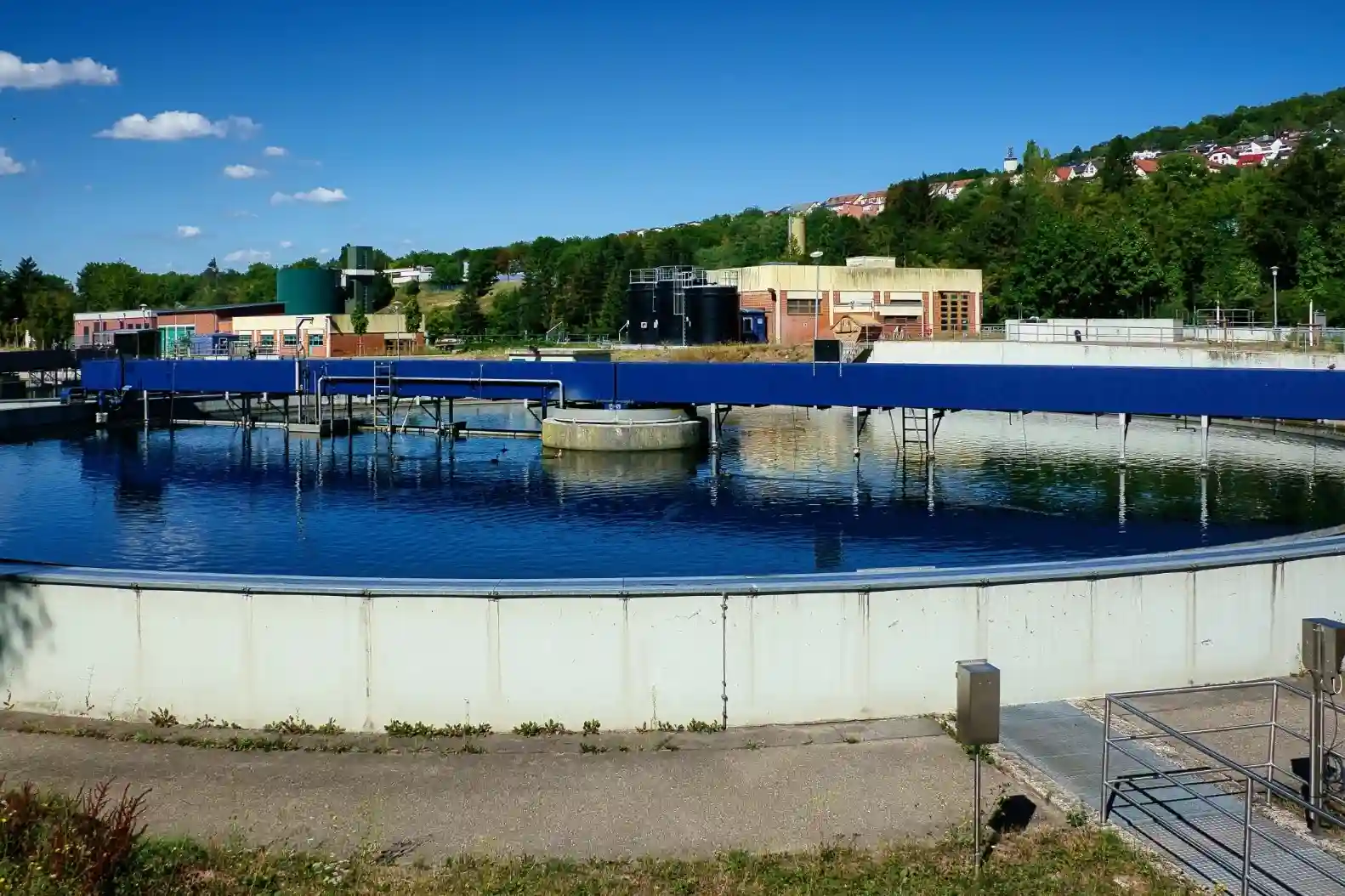
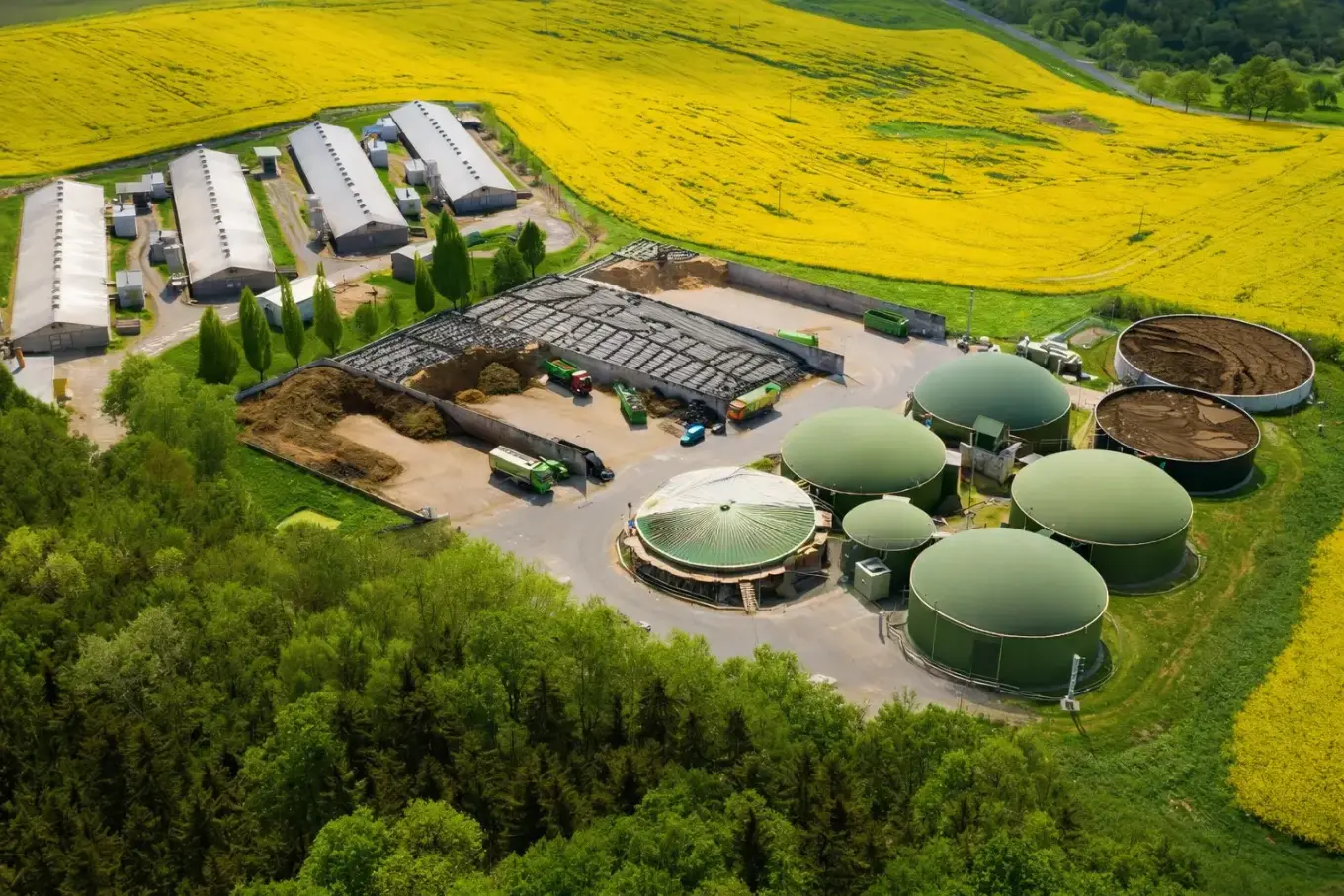
Built to help you specify.
Sizing tools, decision guides, and technical references. Use them before, during, and after your evaluation.


Frequently Asked Questions
Why does an effluent treatment plant need a biogas flare?
Anaerobic reactors produce biogas for as long as they are fed. When the boiler or engine that uses the gas is offline, the flare burns it so the plant does not vent methane and odorous gas.
How is the flare sized?
The flare is sized for the full gas production of the reactors with the gas user offline, across the range of production at the factory.
What happens to H₂S when the gas is flared?
H₂S burns to sulphur dioxide in the flare. Where the gas is high in H₂S, a scrubber ahead of the flare and the gas user can cut the sulphur load.
What data does CRA need to size an effluent plant biogas flare?
CRA needs the maximum and minimum gas flow, the methane and H₂S content, the supply pressure and the site conditions.
Does the flare need an operator?
No. The flare starts, proves its flame, follows the gas flow and shuts down automatically, and it can be linked to the plant's control system.