
Biogas Flares for Distilleries
Enclosed and semi-enclosed biogas flares that burn surplus spent wash biogas at distilleries.


Surplus spent wash biogas burned safely
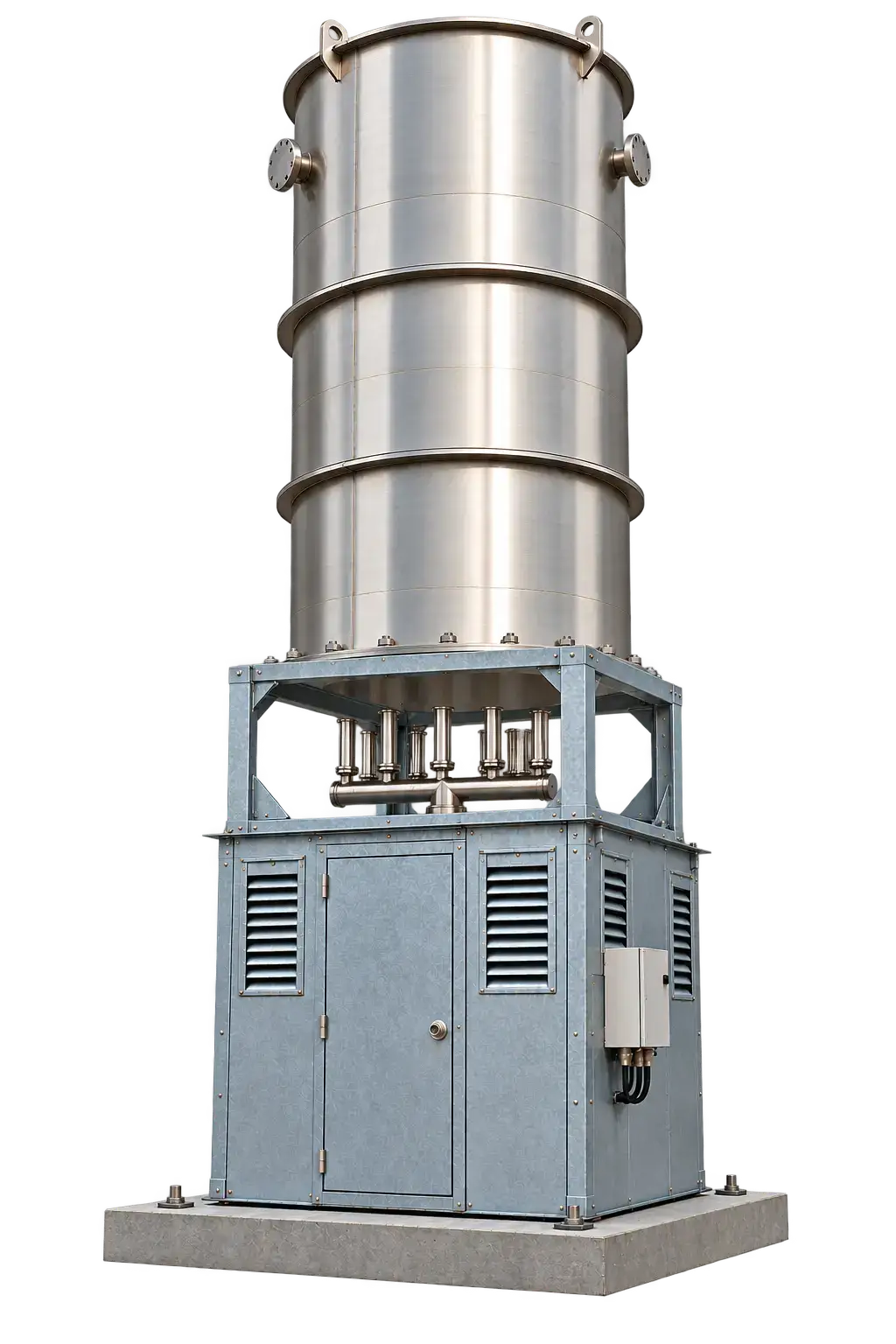
CRA's biogas flares burn the gas that distillery boilers cannot take, in enclosed designs with destruction efficiency above 98% or in simpler semi-enclosed designs.
Destruction efficiency
>98% (enclosed)
Methane operating range
20 to 80% CH₄ (enclosed)
Designs
Enclosed and semi-enclosed
Operation
Fully automated
When does a distillery send biogas to the flare?
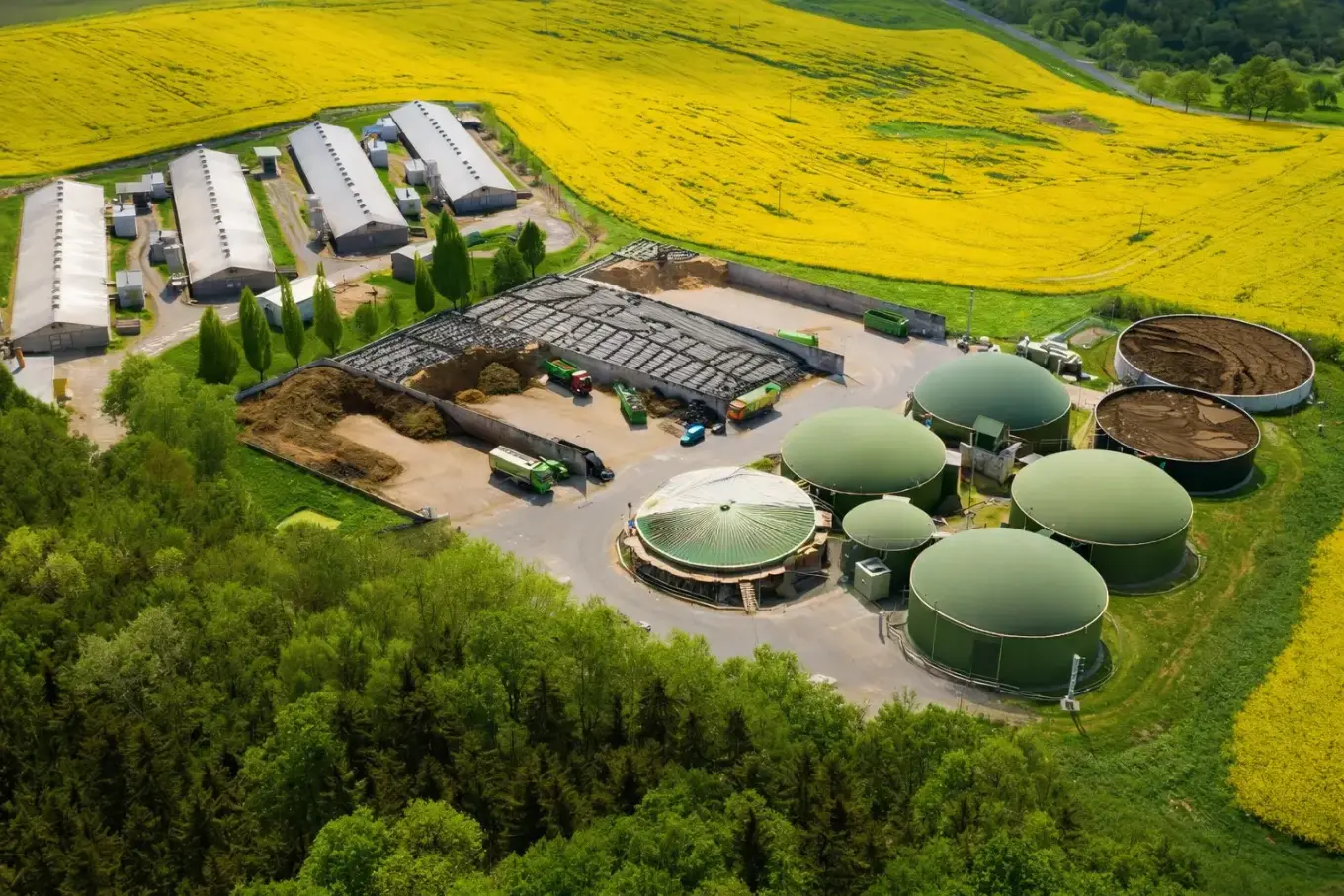
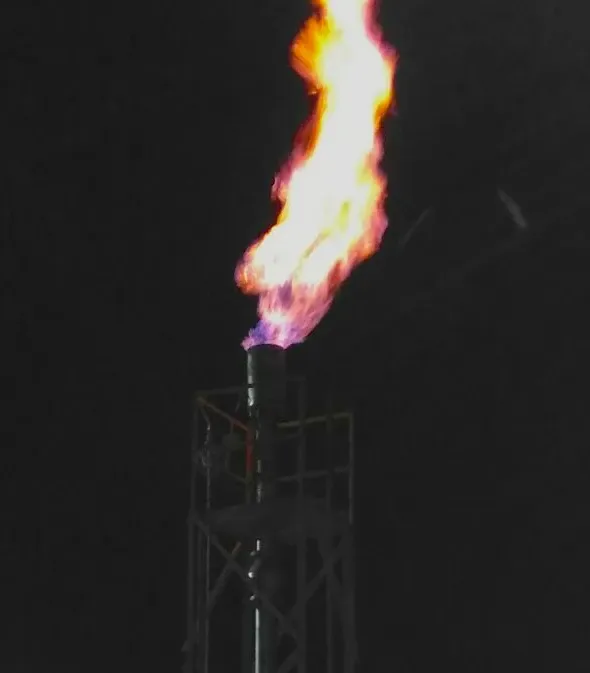
Gas from the spent wash digesters normally goes to the boilers. When a boiler trips, is down for maintenance or needs less fuel, the gas holder level rises and the surplus is sent to the flare. The flare lights automatically, burns the gas and shuts down once the boilers can take the full flow again.
How it works
The flare takes gas from the line after the gas holder, with a booster blower and a flame arrestor in its gas train where the duty calls for them.
A boiler trip or a fall in steam demand leaves gas to spare.
A rising gas holder level brings the flare into service.
The flare lights its pilot and confirms the flame.
The flare burns the surplus and follows the flow.
When the boilers recover, the flare shuts down.
Key Benefits
Surplus gas is burned whenever the boilers cannot take it.
Enclosed flares destroy more than 98% of the methane they burn.
CRA offers enclosed and semi-enclosed flares to suit the flow and the site.
Enclosed flares burn gas from 20 to 80% methane.
The flare starts, proves its flame and shuts down without an operator.
Projects That Push Boundaries
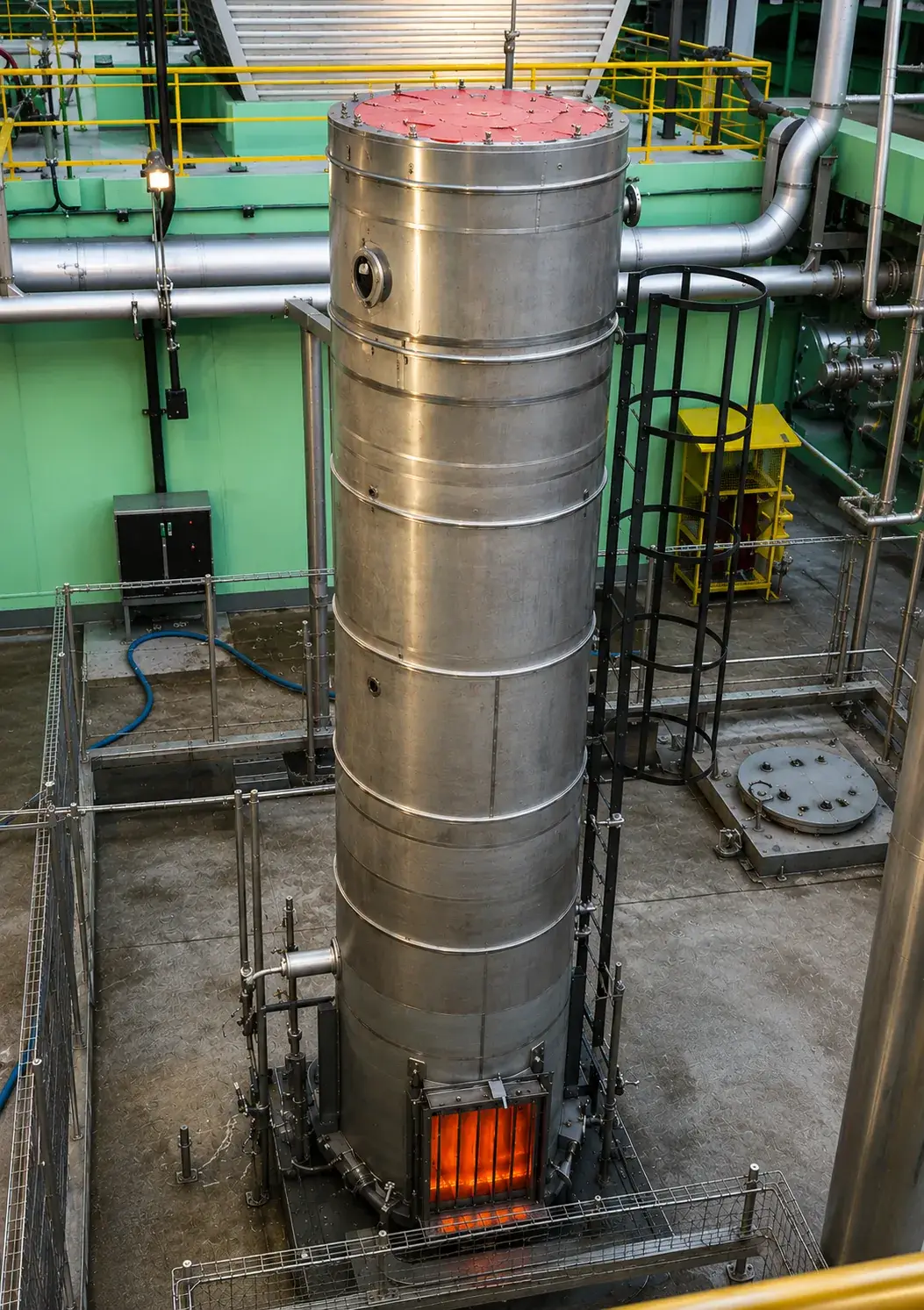
Designed for reliable, smokeless performance across variable gas quality and flow conditions.
The CRA Edge
CRA has more than 30 years of experience in gas handling and flare engineering.
Design, R&D and manufacturing are carried out under one roof.
ISO 9001 certified through TÜV NORD, with designs aligned with ASME, API and CE.
Designs are customised to the process needs and the regulations that apply at site.
Applications

Built to help you specify.
Sizing tools, decision guides, and technical references. Use them before, during, and after your evaluation.


Frequently Asked Questions
Why does a distillery need a biogas flare?
The digesters produce gas continuously while spent wash is fed. When the boilers cannot use it, the flare burns it so the distillery does not vent methane and H₂S.
Which suits a distillery, an enclosed or a semi-enclosed flare?
Enclosed flares hold a set combustion temperature and residence time and hide the flame completely, which suits plants with emission limits or close neighbours. Semi-enclosed flares come in standard models from 500 to 2,500 Nm³/h and suit plants that need more than an open flare. CRA recommends a type from the gas flow, the permit and the site.
What happens to the H₂S in a flare?
The H₂S burns to sulphur dioxide. Where the biogas is very high in H₂S, scrubbing it upstream lowers the sulphur load at the flare and the boilers.
How should the flare be sized?
The flare should be sized for the full gas production of the digesters with the boilers offline.
What data does CRA need to size a distillery biogas flare?
CRA needs the gas flow range, the methane and H₂S content, the pressure at the gas holder and the site conditions.