
Thermal Oxidizers for Chemical Process Vents
Thermal oxidisers that destroy VOCs and hazardous air pollutants in chemical plant process vents.


VOC and HAP destruction for process vents
CRA's thermal oxidisers destroy the volatile organic compounds and hazardous air pollutants in chemical plant vents, with destruction efficiency above 99% and heat recovery where the vent runs steadily.
VOC/HAP destruction
>99%
Waste streams
Gas, liquid, particulate
Heat recovery
Up to 70% (recuperative)
Mount
Skid
How does a thermal oxidiser treat chemical process vents?
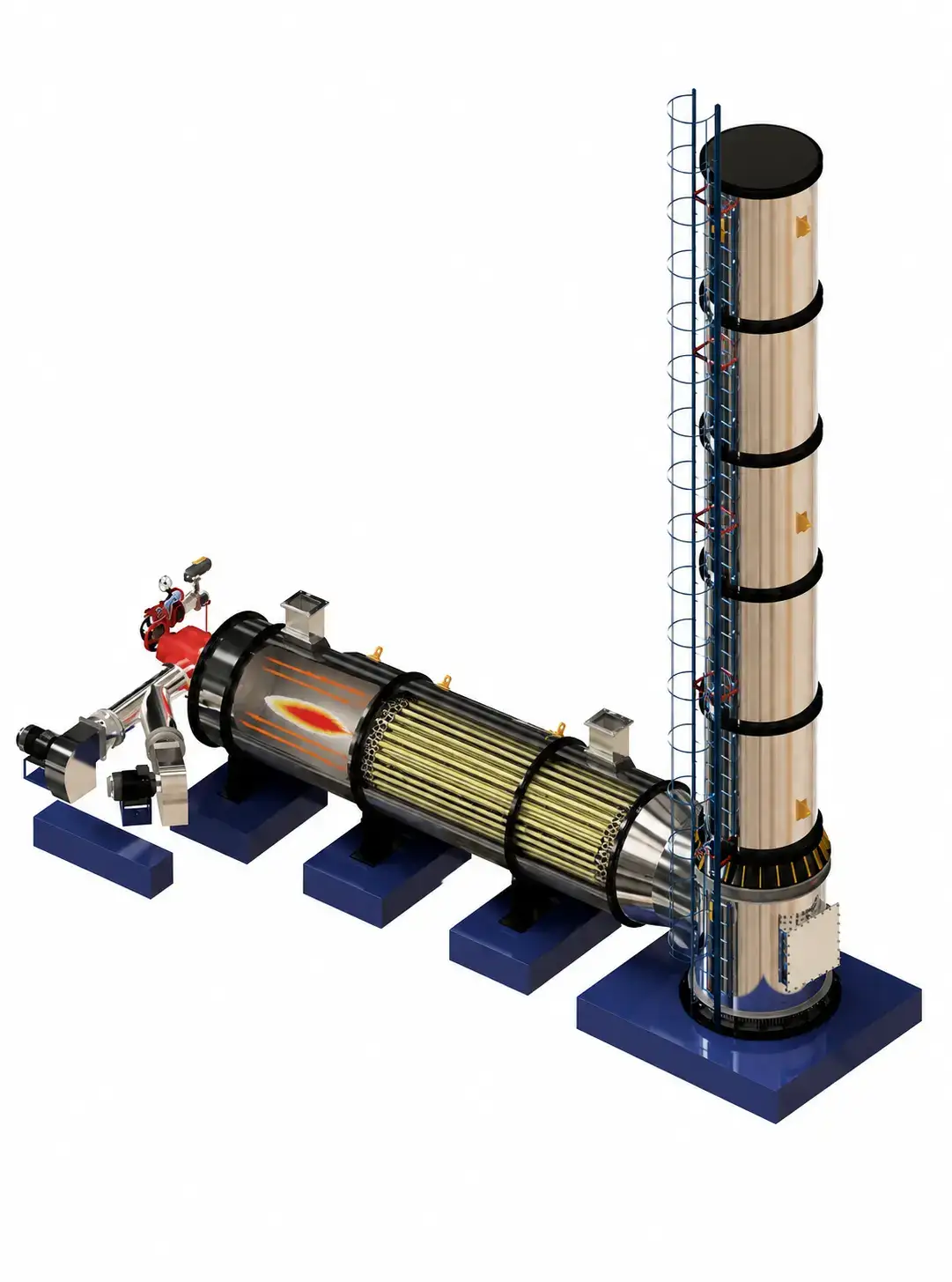
A thermal oxidiser heats the vent gas to a temperature at which organic compounds react with oxygen and break down into carbon dioxide and water. The gas is held at that temperature long enough for the reaction to complete. Direct fired designs burn the vent with fuel in one chamber. Recuperative designs pass the clean exhaust through a heat exchanger to preheat the incoming vent gas.
How it works
The oxidiser sits at the end of the plant's vent collection system, ahead of the stack.
Process vents are gathered into a common header with the safety devices they need.
The burner raises the vent gas to the oxidation temperature.
VOCs and HAPs break down to carbon dioxide and water in the chamber.
In a recuperative design, the hot exhaust preheats the incoming gas.
The treated gas leaves through the stack.
Key Benefits
VOCs and hazardous air pollutants are destroyed with destruction efficiency above 99%.
The oxidiser takes gas, liquid and particulate-laden waste streams.
A recuperative design recovers up to 70% of the heat and lowers fuel use.
Compact skid packages shorten installation in operating plants.
The burner management system comes with the oxidiser as part of CRA's supply.
Projects That Push Boundaries
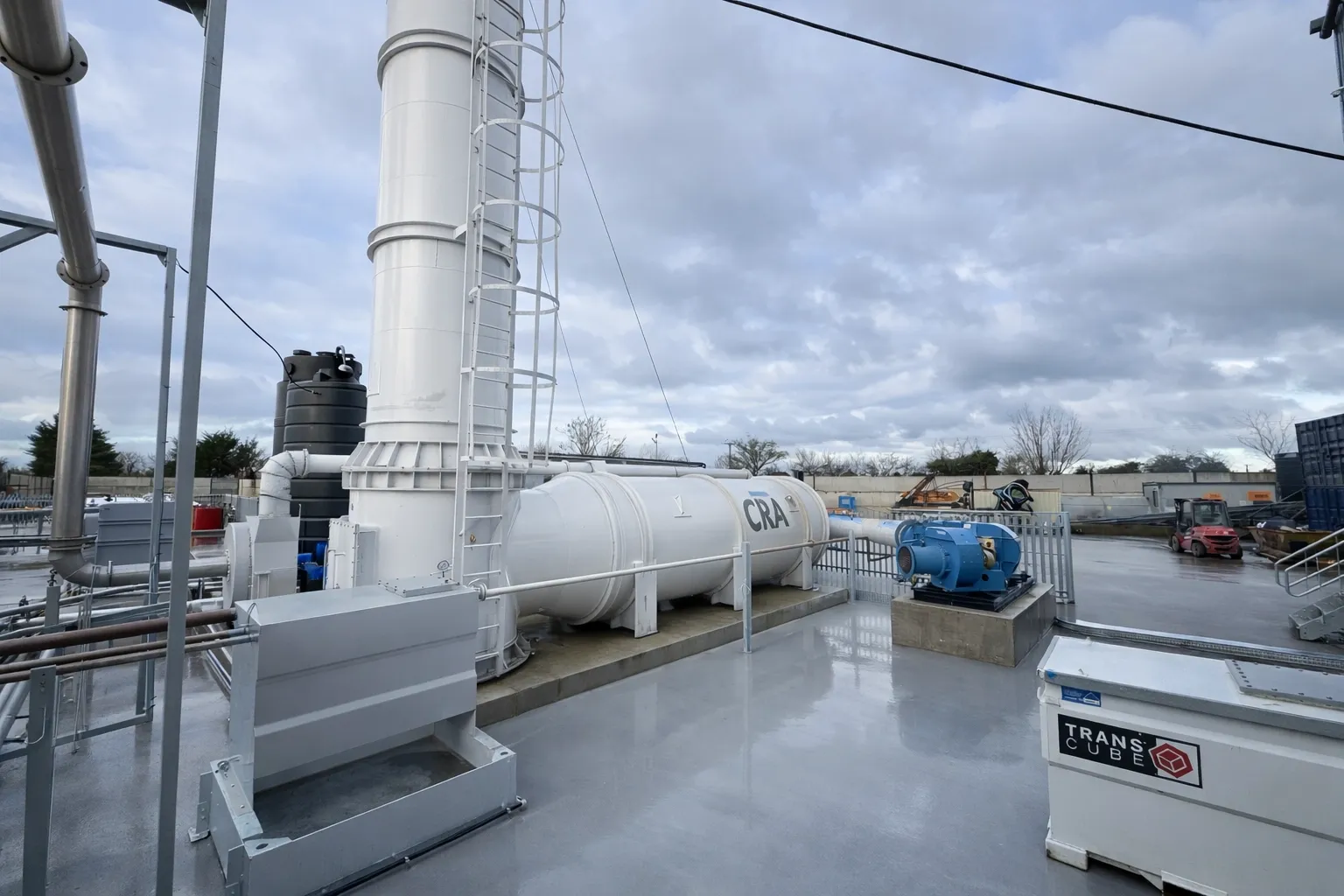
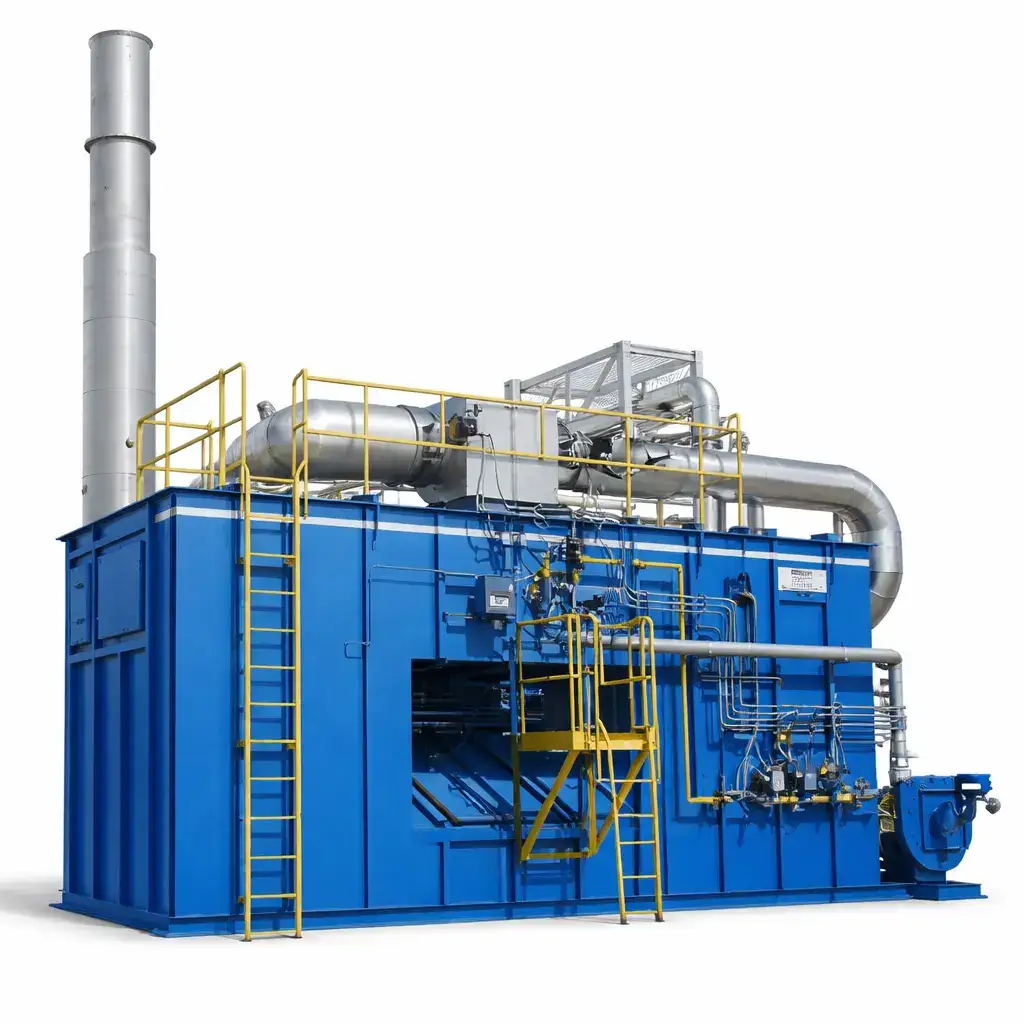
Skid-mounted thermal oxidiser for lean, VOC-laden pyrolysis off-gas, designed in line with UKCA requirements.

Simultaneous destruction of multiple corrosive gas streams in an active paper manufacturing process.
The CRA Edge
CRA has more than 30 years of experience in gas handling and combustion engineering.
Design, R&D and manufacturing are carried out under one roof.
ISO 9001 certified through TÜV NORD, with designs aligned with ASME, API and CE.
Designs are customised to the process needs and the regulations that apply at site.
Applications


Built to help you specify.
Sizing tools, decision guides, and technical references. Use them before, during, and after your evaluation.





Frequently Asked Questions
Which thermal oxidiser suits a chemical process vent?
Direct fired oxidisers suit variable or rich vents and streams with liquids. Recuperative oxidisers suit steady vents where heat recovery pays back. Regenerative oxidisers suit large, lean airflows.
What destruction efficiency does CRA design for?
CRA designs its direct fired and recuperative thermal oxidisers for VOC and HAP destruction above 99%.
Can one oxidiser take several vents?
Often it can. CRA reviews the flow, composition and timing of each vent and designs a common collection and oxidation system where it is safe to do so.
What data does CRA need to size a process vent oxidiser?
CRA needs the flow range, composition and temperature of each vent, the operating pattern, the permit limits and the site conditions.
Why does a thermal oxidiser need a backup flare?
If the oxidiser trips, the process vents still need a safe destination. CRA engineers its oxidisers with a safety disposal route, usually an enclosed ground flare, as part of the same system.