
Digester Gas Mixing for Sewage Plants
Biogas mixing for sewage sludge digesters, with no moving parts inside the tank.


Full-volume sludge mixing with recirculated digester gas
CRA's sequential digester biogas mixing system mixes sewage sludge digesters with their own gas, injected through submerged lances in a timed sequence, with no mechanical equipment inside the tank.
Mixing principle
Gas recirculation
Submerged moving parts
Zero
Operating mode
Time-sequenced injection
Moving equipment
External compressor
How does gas mixing work in a sewage sludge digester?
Biogas is drawn from the digester headspace, compressed outside the tank and injected back through lances set in the sludge. A sequencing controller moves the injection from lance to lance, so the rising gas sets up circulation in one part of the tank after another. Over each cycle the whole volume is mixed, scum is broken up and solids stay in suspension.
How it works
The compressor and controls sit outside the digester, and the gas returns to the headspace once it has risen through the sludge.
The compressor draws biogas from the digester headspace.
The gas is compressed outside the tank for injection.
The controller cycles the injection between the lances.
Rising gas circulates the sludge and breaks up scum.
The gas returns to the headspace, ready for the next cycle.
Key Benefits
The only moving machine is the compressor, which stands outside the digester.
Timed injection moves the mixing pattern across the whole tank.
Circulation breaks up scum and keeps solids in suspension.
The compressor can be serviced without opening or draining the digester.
Even temperature and feed distribution support stable gas production.
Projects That Push Boundaries

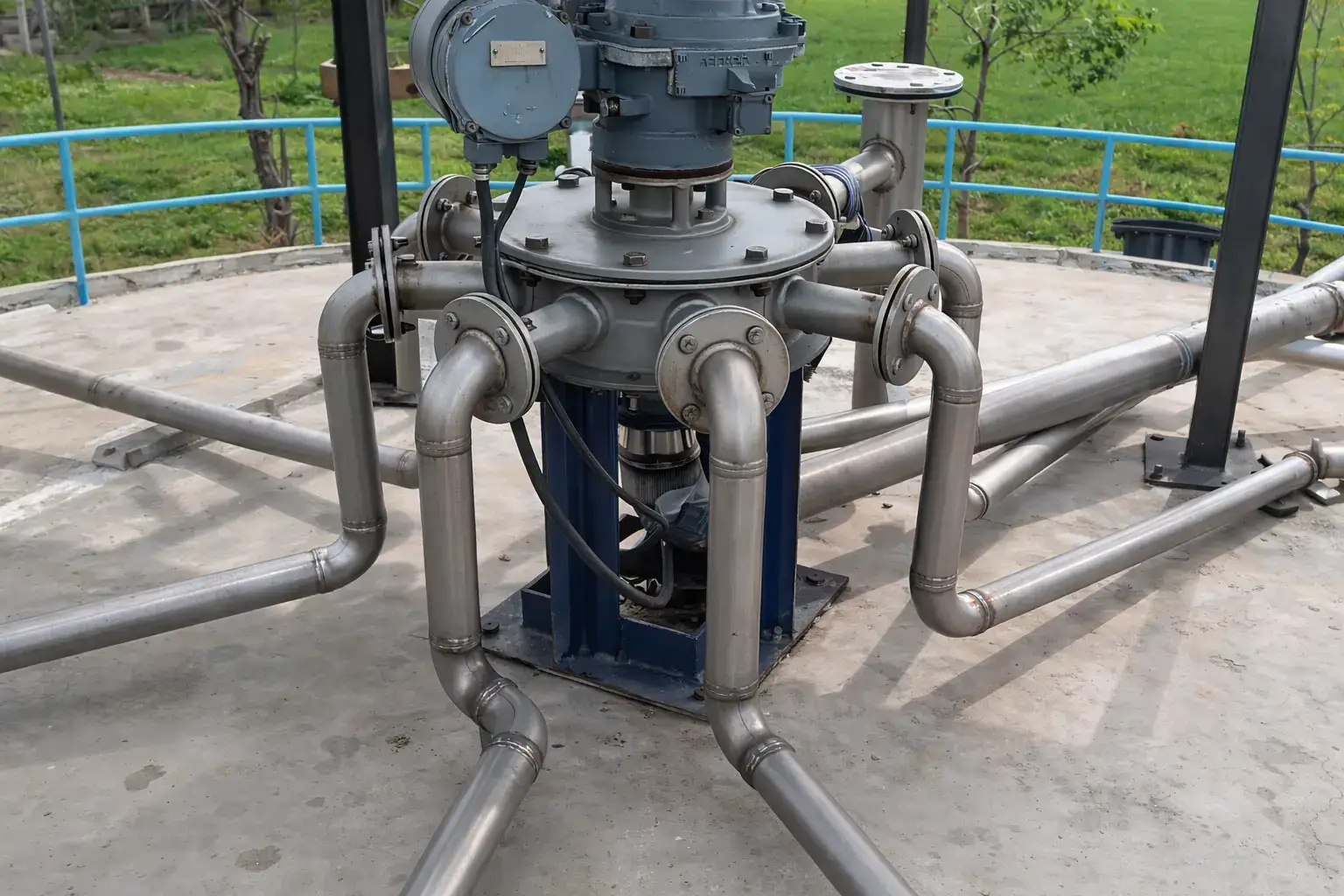
Ro-Flo rotary vane compressor units engineered for continuous digester gas recirculation at a municipal STP.
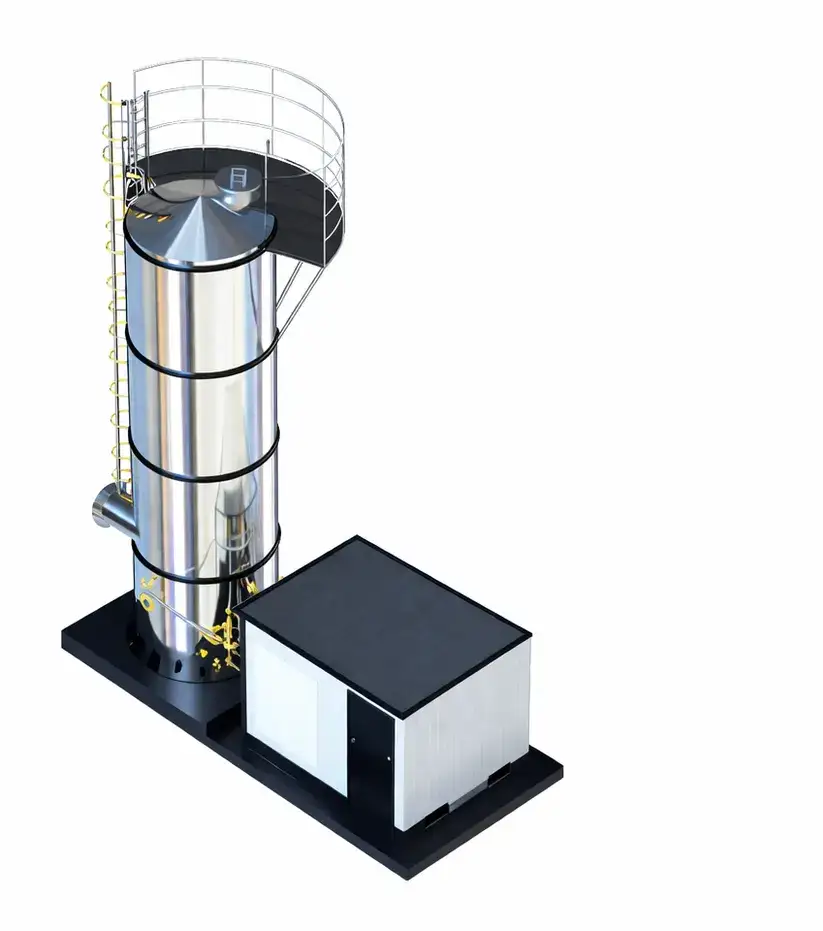
Single package combining 175 Nm3/hr scrubbing with 2,800 Nm3/hr digester gas mixing.
Continuous recirculation with automated gas distribution and no mechanical mixers inside the digesters.
The CRA Edge
CRA has more than 30 years of experience in gas handling and flare engineering.
Design, R&D and manufacturing are carried out under one roof.
ISO 9001 certified through TÜV NORD, with designs aligned with ASME, API and CE.
Designs are customised to the process needs and the regulations that apply at site.
Applications
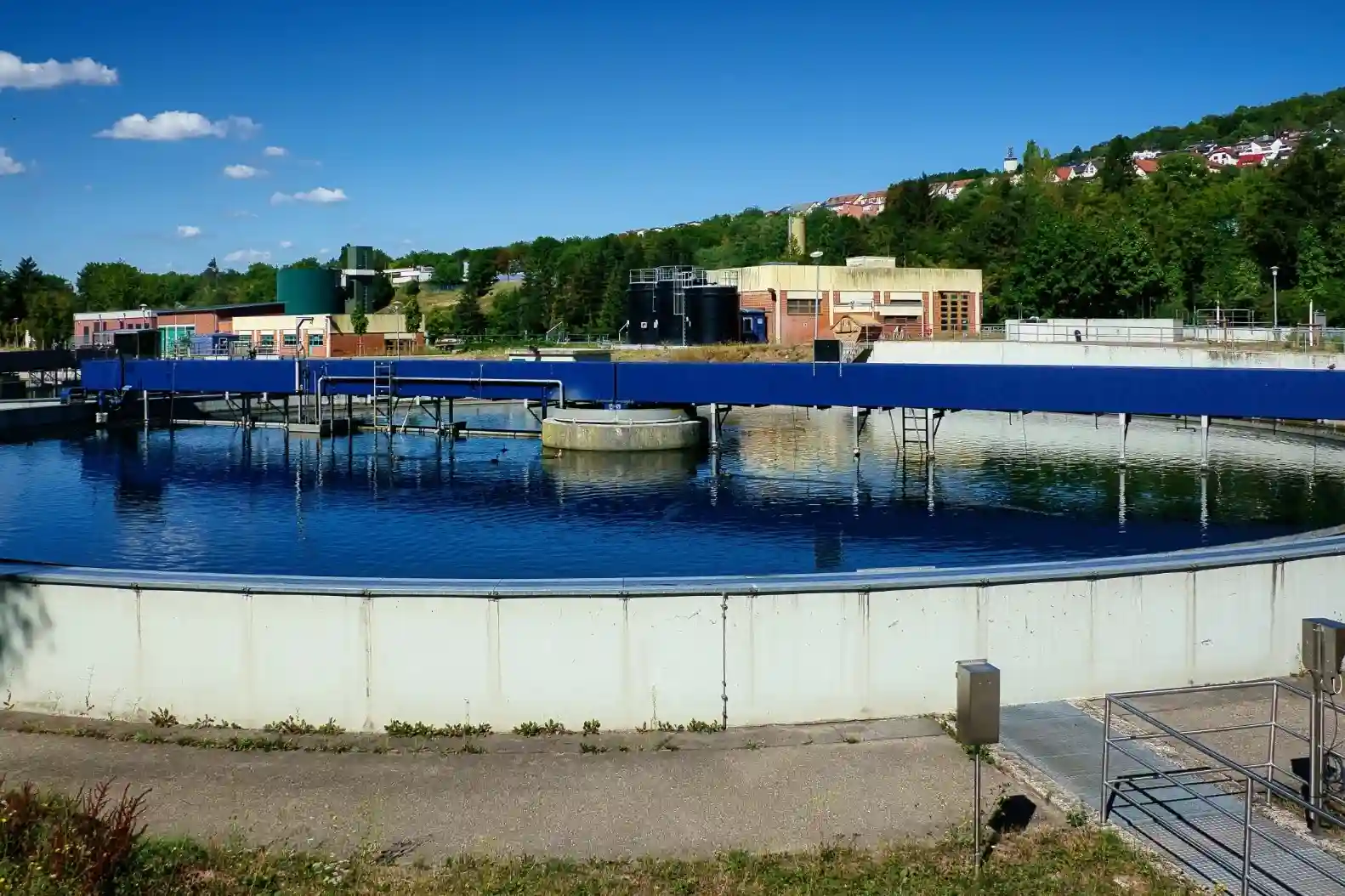
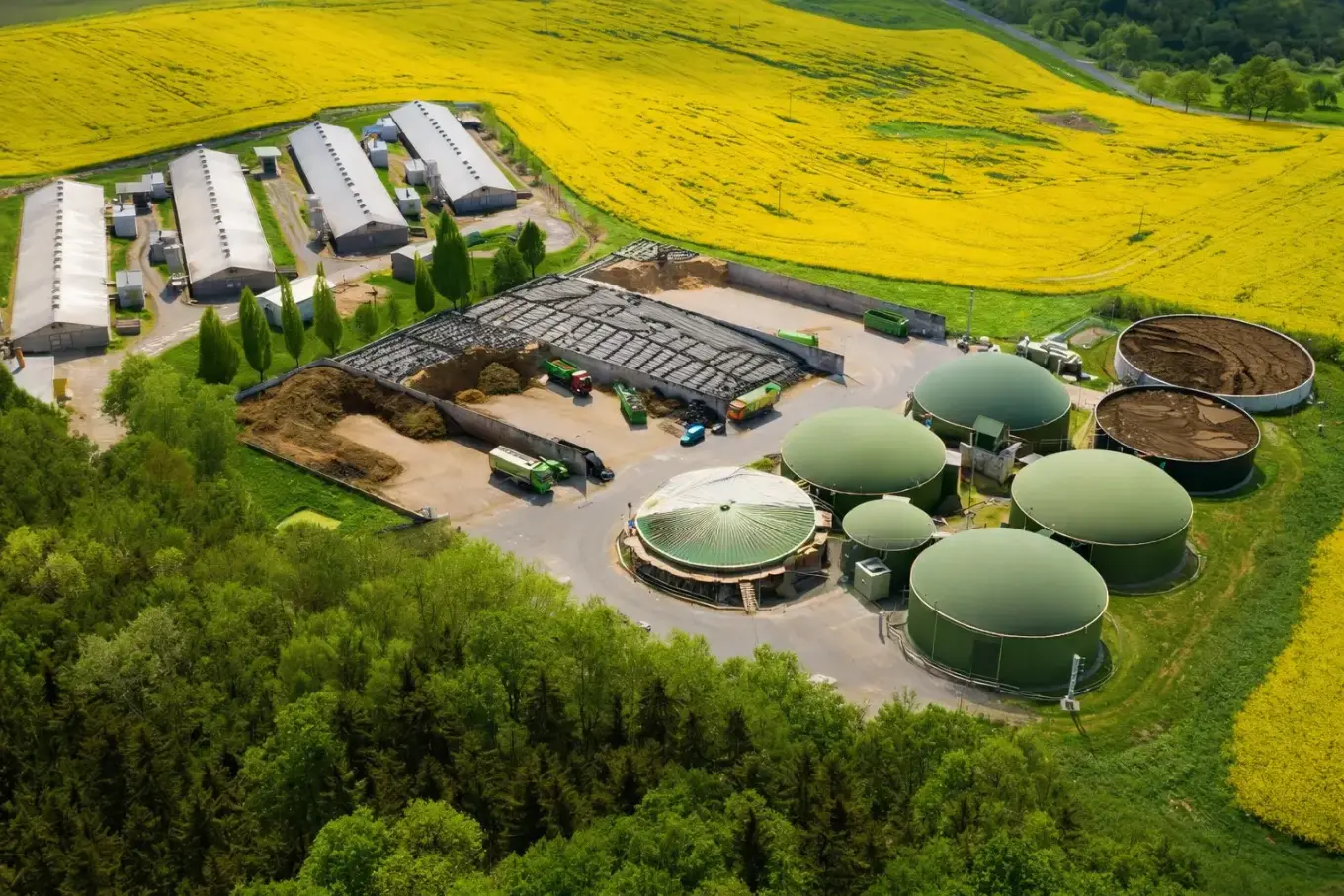
Built to help you specify.
Sizing tools, decision guides, and technical references. Use them before, during, and after your evaluation.


Frequently Asked Questions
Why do sludge digesters need mixing?
Mixing keeps solids in suspension, breaks up scum, spreads heat and feed through the tank and prevents dead zones, so the whole digester volume produces gas.
How does gas mixing work with no moving parts in the tank?
An external compressor draws biogas from the digester headspace and re-injects it through submerged lances. A controller cycles the injection between lances, so the mixing pattern moves around the tank.
What are the advantages over mechanical mixers?
There are no submerged shafts, impellers or bearings to wear or foul with rags, and the moving equipment sits outside the tank where it can be reached for maintenance.
Can the system be fitted to an existing digester?
Yes. CRA designs the lance layout for the existing tank, and the system can replace mechanical mixers during a refurbishment.
What data does CRA need to design digester gas mixing?
CRA needs the number and size of the digesters, the sludge type and solids content, the gas production and the site conditions.