
Thermal Oxidizers for Pharmaceutical Plants
Thermal oxidisers that destroy solvent vents from pharmaceutical batch processes and API plants.


Solvent vents from batch processes destroyed
CRA designs thermal oxidisers for the changing solvent vents of pharmaceutical and API plants, with heat recovery where the flows are steady enough to use it.
VOC destruction
>99%
Heat recovery
Up to 95% with an RTO
Duty
Batch and continuous vents
Vent sources
Reactors, dryers, solvent recovery
How does a thermal oxidiser handle pharmaceutical solvent vents?
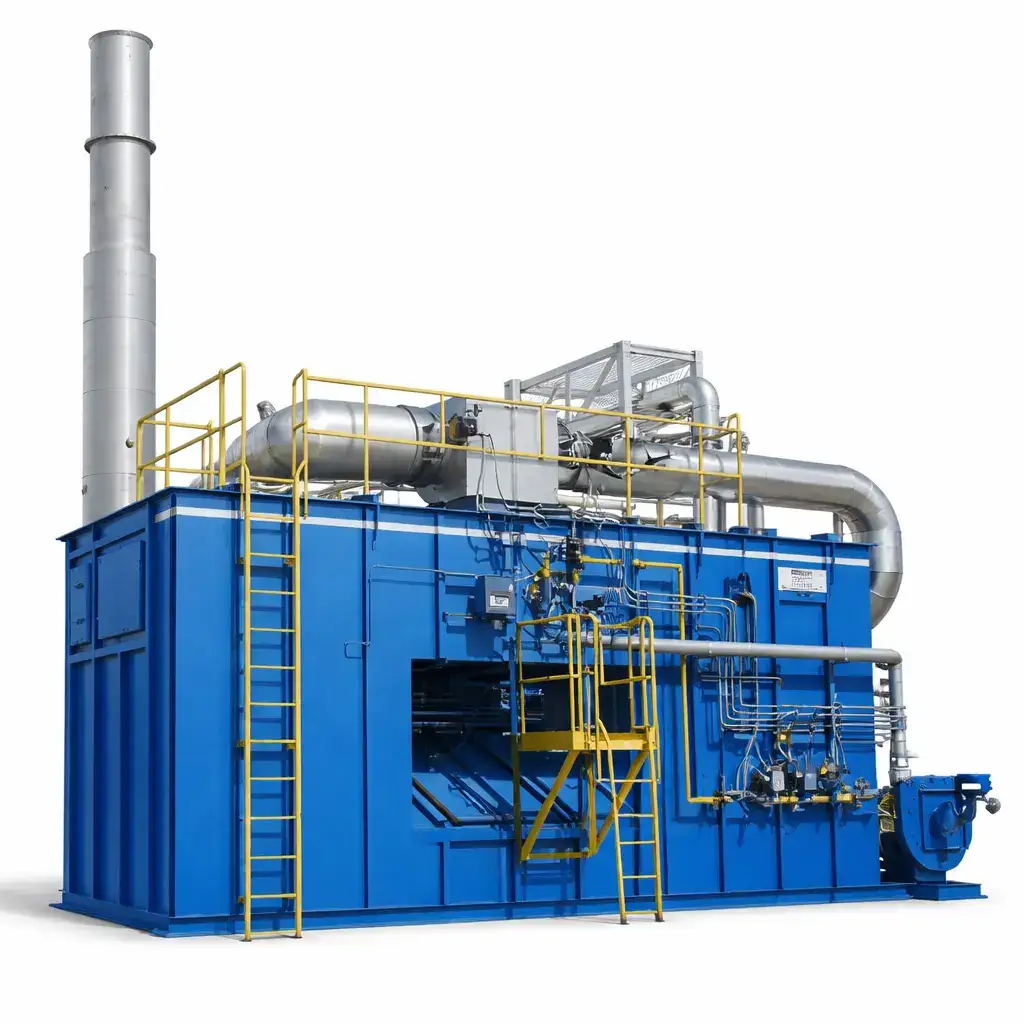
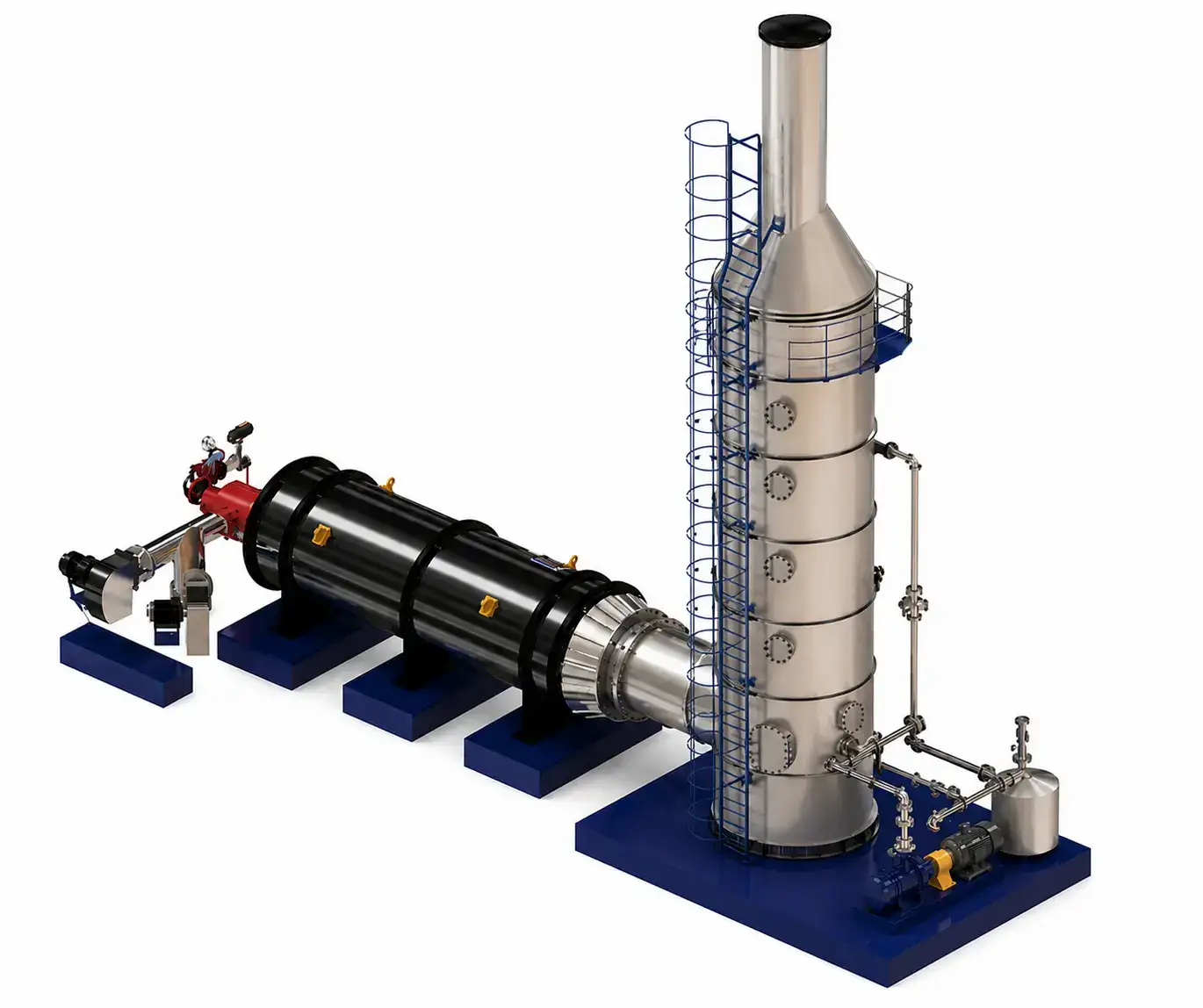
Pharmaceutical vents come from reactors, centrifuges, dryers and solvent recovery, each running on its own batch cycle. The vents are collected into one header and sent to the oxidiser, which heats them to a temperature at which the solvents break down. The controls follow the changing load as batches start and finish.
How it works
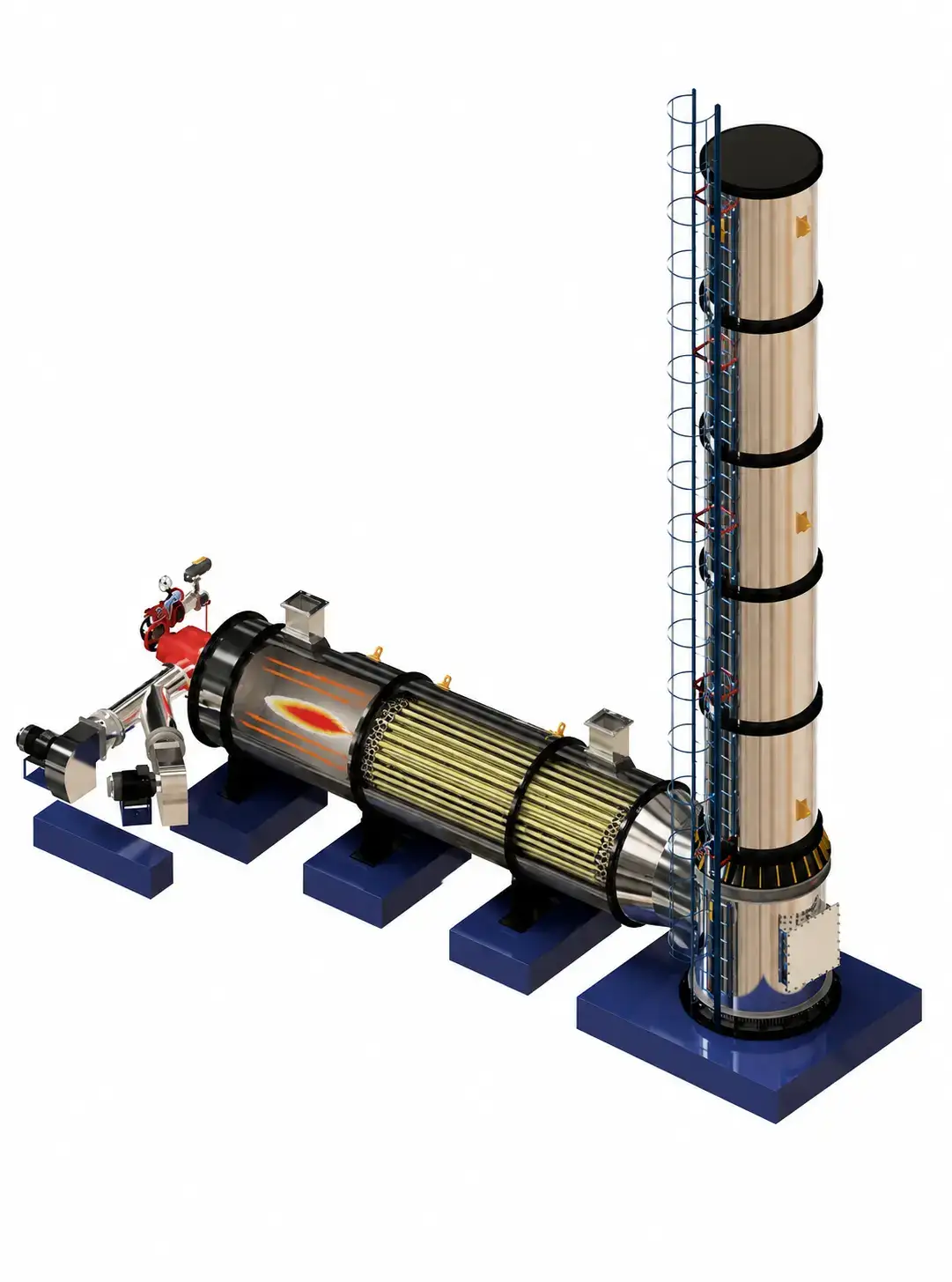
The oxidiser takes the plant's combined vent header and discharges clean gas to the stack.
Vents from reactors, dryers and solvent recovery are collected into one header.
The controls follow the vent load as batches start and finish.
The oxidiser heats the gas until the solvents break down.
Recuperative or regenerative designs return heat to the incoming gas.
Treated gas leaves through the stack.
Key Benefits
The oxidiser handles the changing flow and solvent load of batch processes.
Solvent VOCs are destroyed with destruction efficiency above 99%.
Recuperative designs recover up to 70% of the heat and regenerative designs up to 95%.
Vents from reactors, dryers and solvent recovery can share one oxidiser.
Skid-mounted packages suit installation in running plants.
The CRA Edge
CRA has more than 30 years of experience in gas handling and combustion engineering.
Design, R&D and manufacturing are carried out under one roof.
ISO 9001 certified through TÜV NORD, with designs aligned with ASME, API and CE.
Designs are customised to the process needs and the regulations that apply at site.
Applications


Built to help you specify.
Sizing tools, decision guides, and technical references. Use them before, during, and after your evaluation.





Frequently Asked Questions
Why are pharmaceutical vents hard to treat?
Batch processes change the flow and solvent load of the vents through each batch and campaign, so the oxidiser has to cope with a wide range.
Which oxidiser suits a pharmaceutical plant?
Variable or rich vents suit direct fired or recuperative oxidisers, and large lean airflows suit a regenerative oxidiser. CRA selects the design from the vent data.
Can the oxidiser follow changing batch vents?
Yes. CRA designs the oxidiser and its controls for the full range of vent flows and solvent loads across the batch cycle.
What data does CRA need for a pharmaceutical plant oxidiser?
CRA needs the vent flows and solvents for each batch stage, the operating schedule, the permit limits and the site conditions.
Can heat be recovered from the oxidiser?
Yes. Recuperative designs recover up to 70% of the heat and regenerative designs up to 95%.