
Elevated Flares for Emergency Relief
Elevated flares that give process plants a safe, high-capacity route for emergency relief gas.


Explore more
A high-capacity route for emergency relief
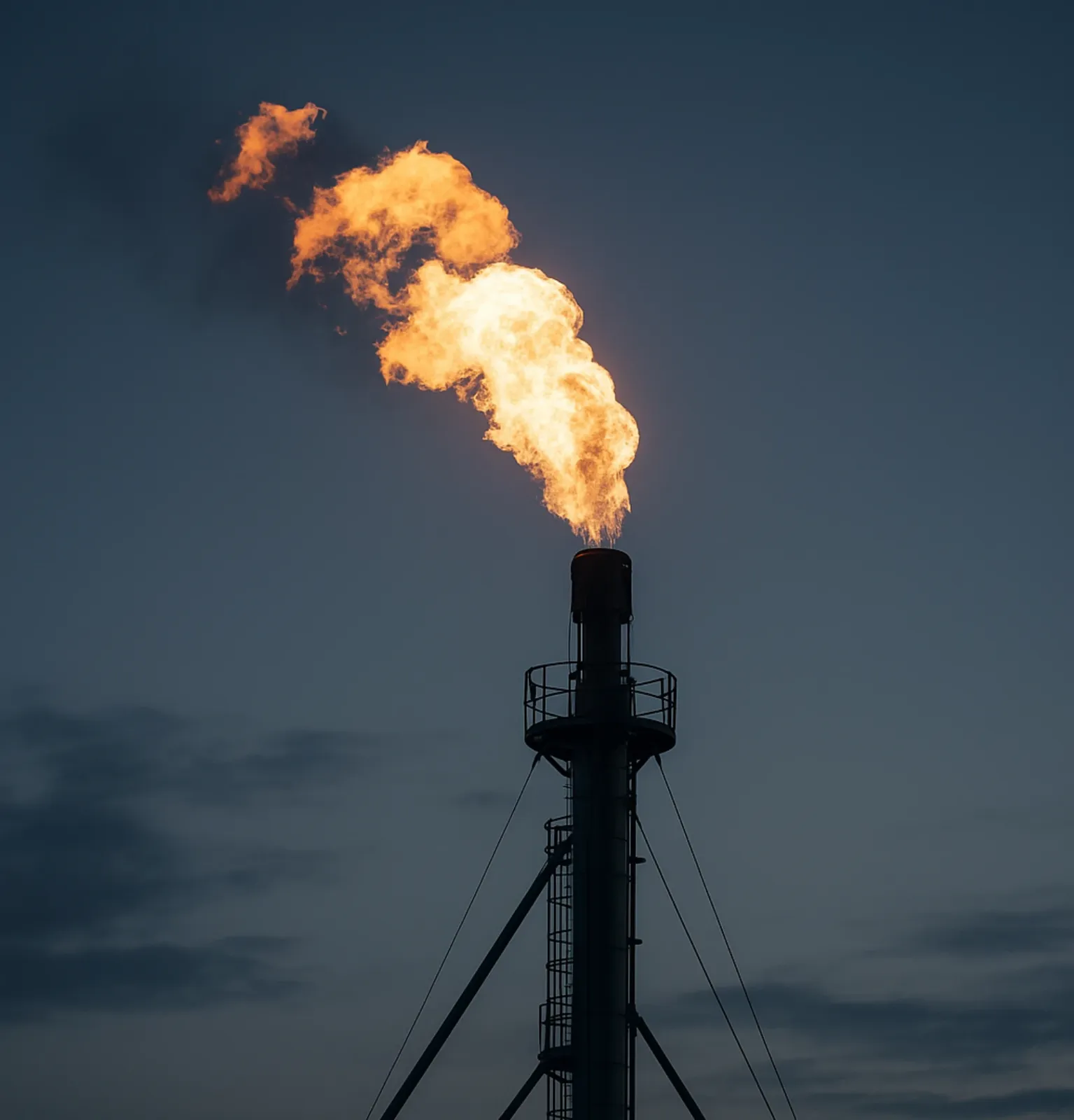
CRA's open elevated flares burn emergency relief gas high above the plant, so very large flows can be destroyed safely while radiant heat at grade stays within limits.
Destruction efficiency
>98%
Assist options
3 types
Pilot
Automated
Standard
API 537
What does an elevated flare do in an emergency?
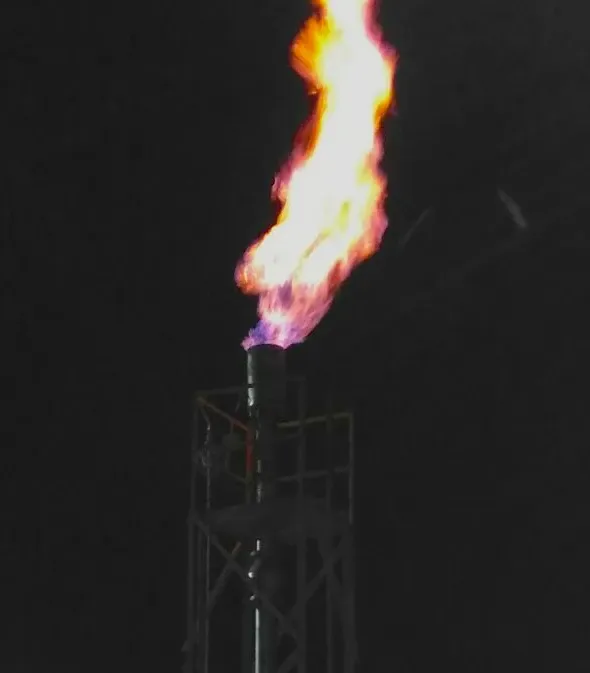
In an emergency, relief valves and depressurising systems send gas to the flare header within seconds. The elevated flare burns that gas at the top of a stack, away from people and equipment. Its height and tip are chosen for the largest relief case, so the plant can always shed its gas safely.
How it works
Gas reaches the stack through the relief header, a knockout drum and a water seal or purge system.
Relief valves or the depressurising system open and send gas to the flare header.
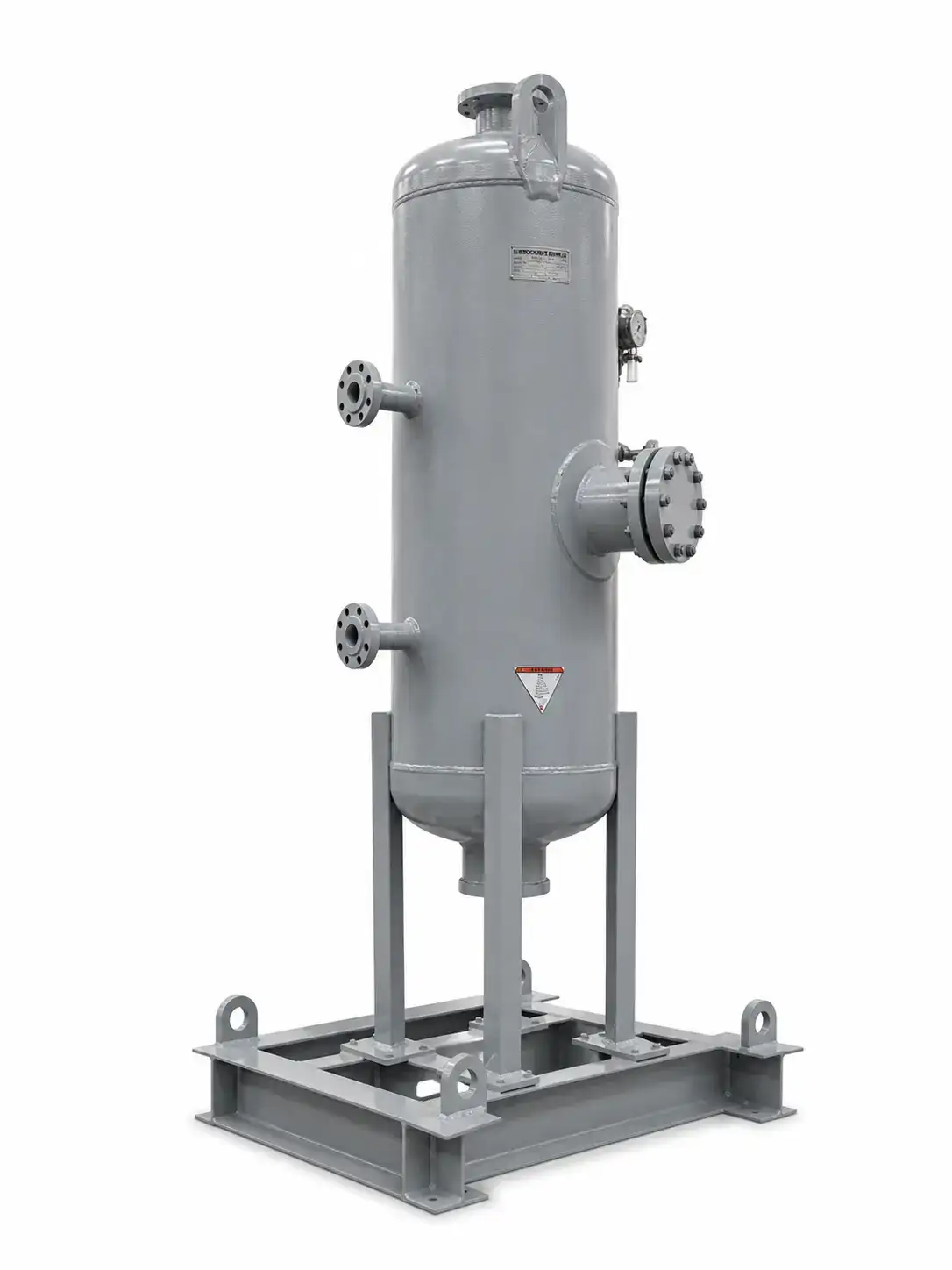
The knockout drum separates liquid droplets before the gas reaches the stack.
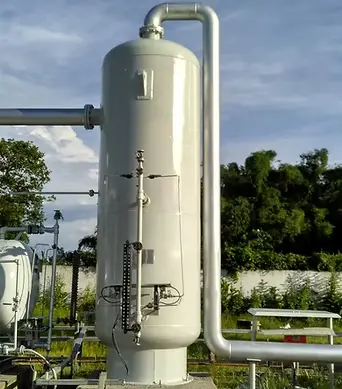
A water seal or purge gas keeps air out of the header and prevents flashback.
The gas burns at the flare tip, high above grade.
Automated pilots keep the flare ready for the next relief event.
Key Benefits
An elevated flare takes very large emergency flows that would not fit inside an enclosure.
The flame burns high above the plant, which keeps radiant heat at ground level within safe limits.
Unassisted, air assisted and steam assisted tips suit light gas, heavy gas and smokeless duty.
Automated pilots and ignition keep the flare ready for an emergency at any time.
Flare design and construction follow API 537.
Projects That Push Boundaries
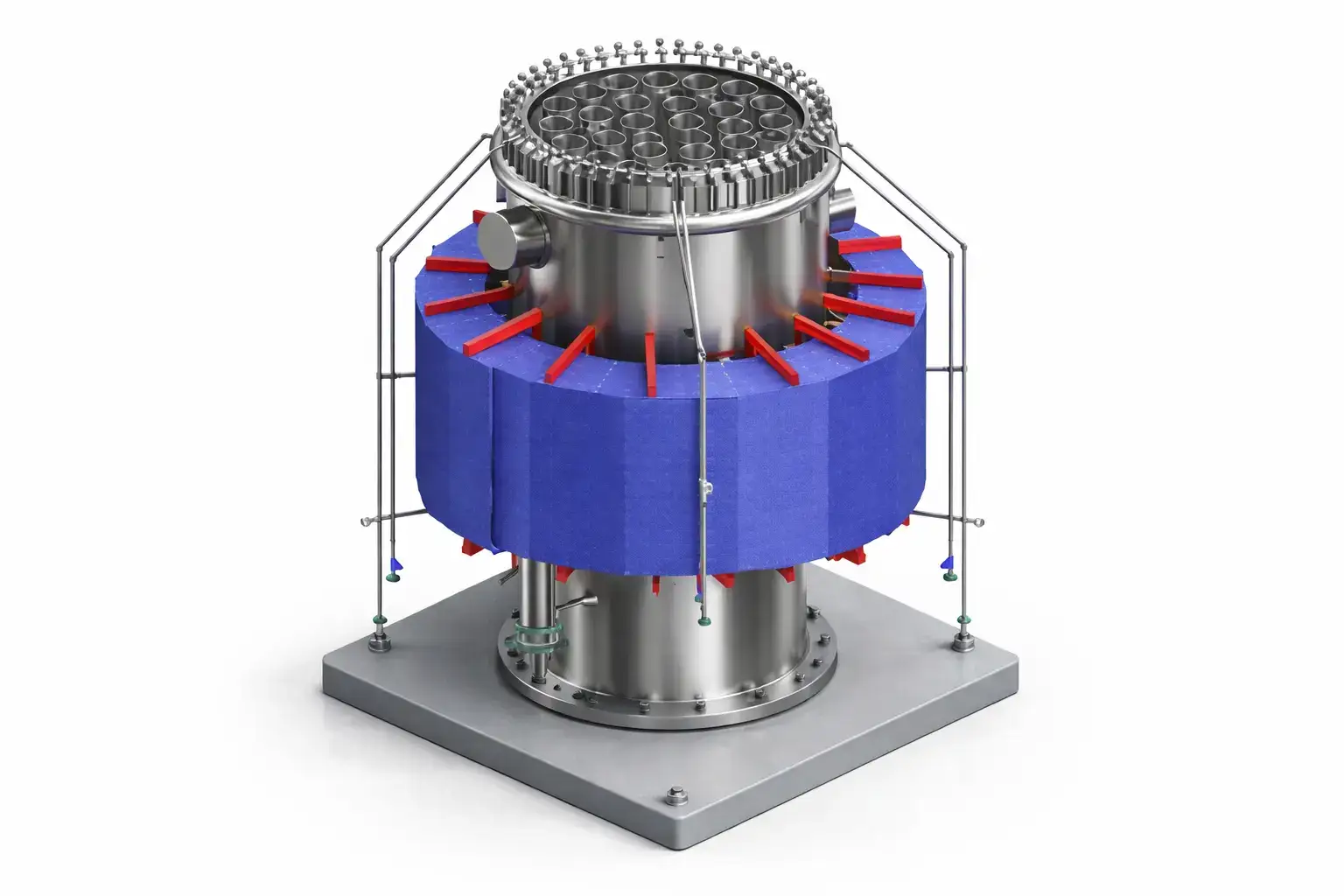
Handles purge-only to full emergency relief at 358 t/h with minimised purge gas consumption.
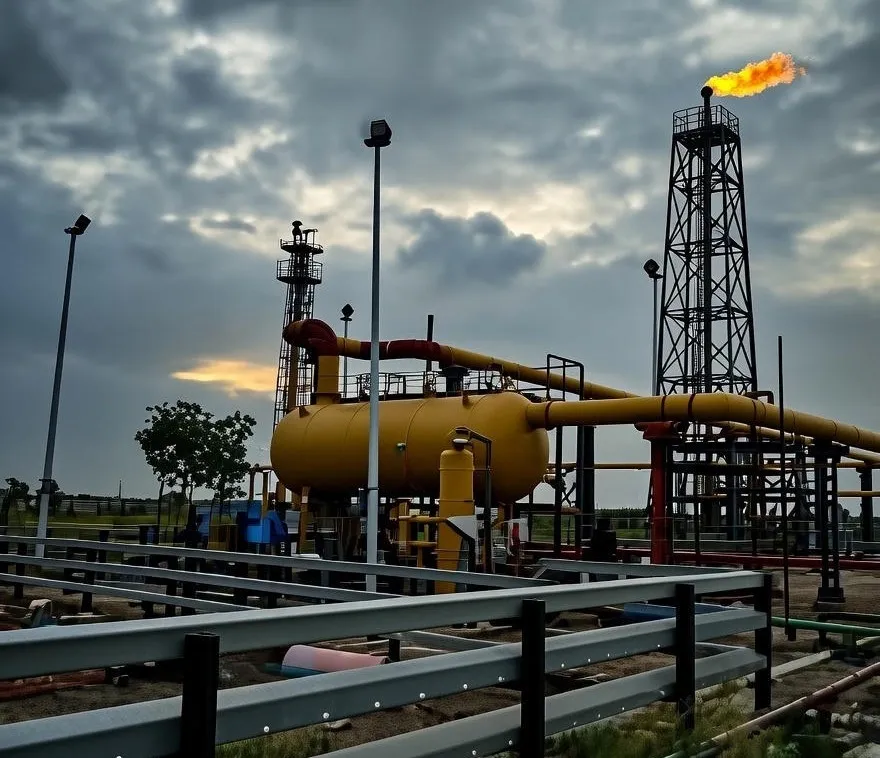
Smokeless performance CFD-validated, with built-in ignition redundancy for uninterrupted field operation.
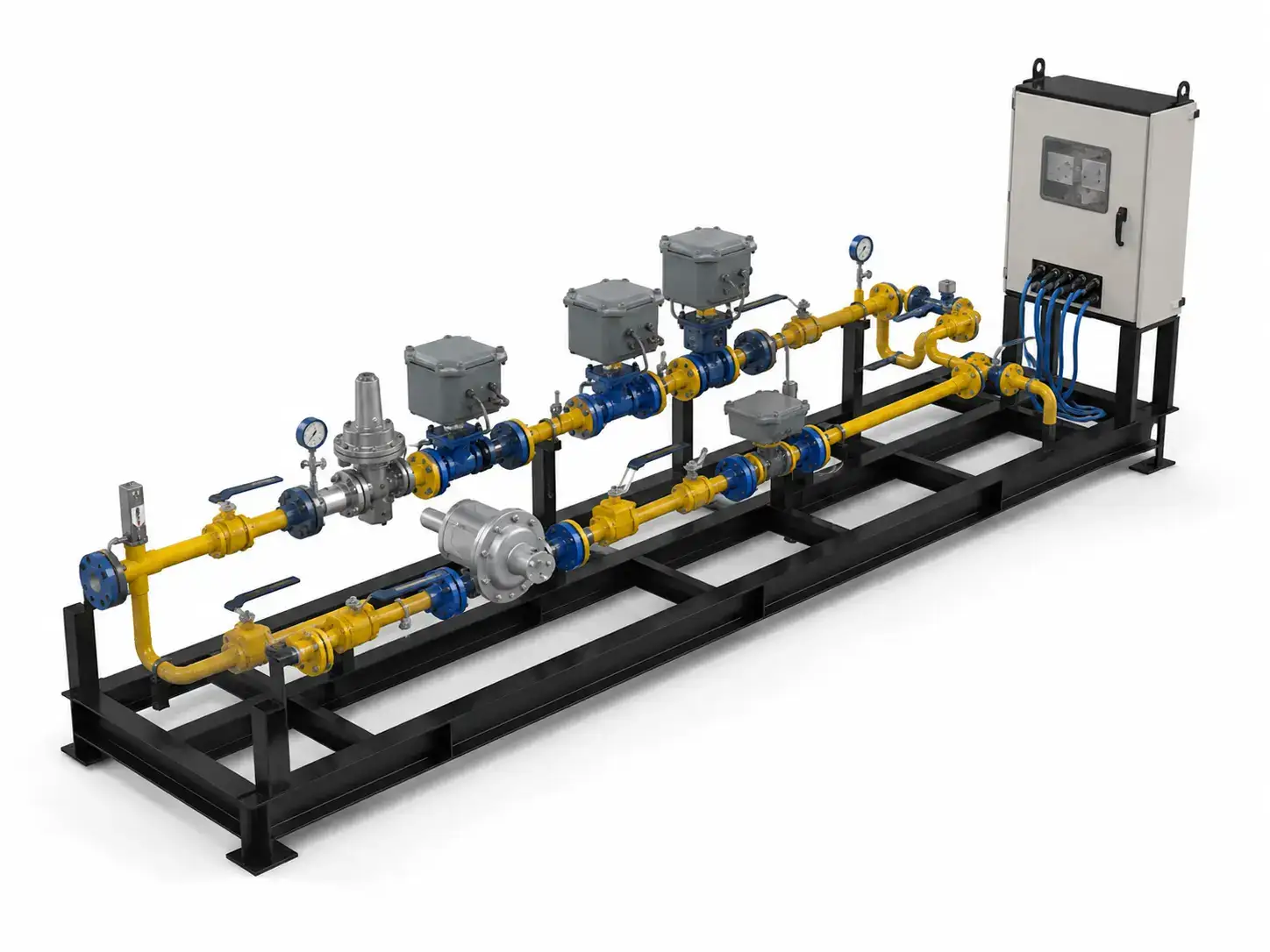
Fully integrated with plant DCS and safety interlocks for reliable pilot lighting in adverse weather.
The CRA Edge
CRA has more than 30 years of experience in gas handling and flare engineering.
Design, R&D and manufacturing are carried out under one roof.
ISO 9001 certified through TÜV NORD, with designs aligned with ASME, API and CE.
Designs are customised to the process needs and the regulations that apply at site.
Applications
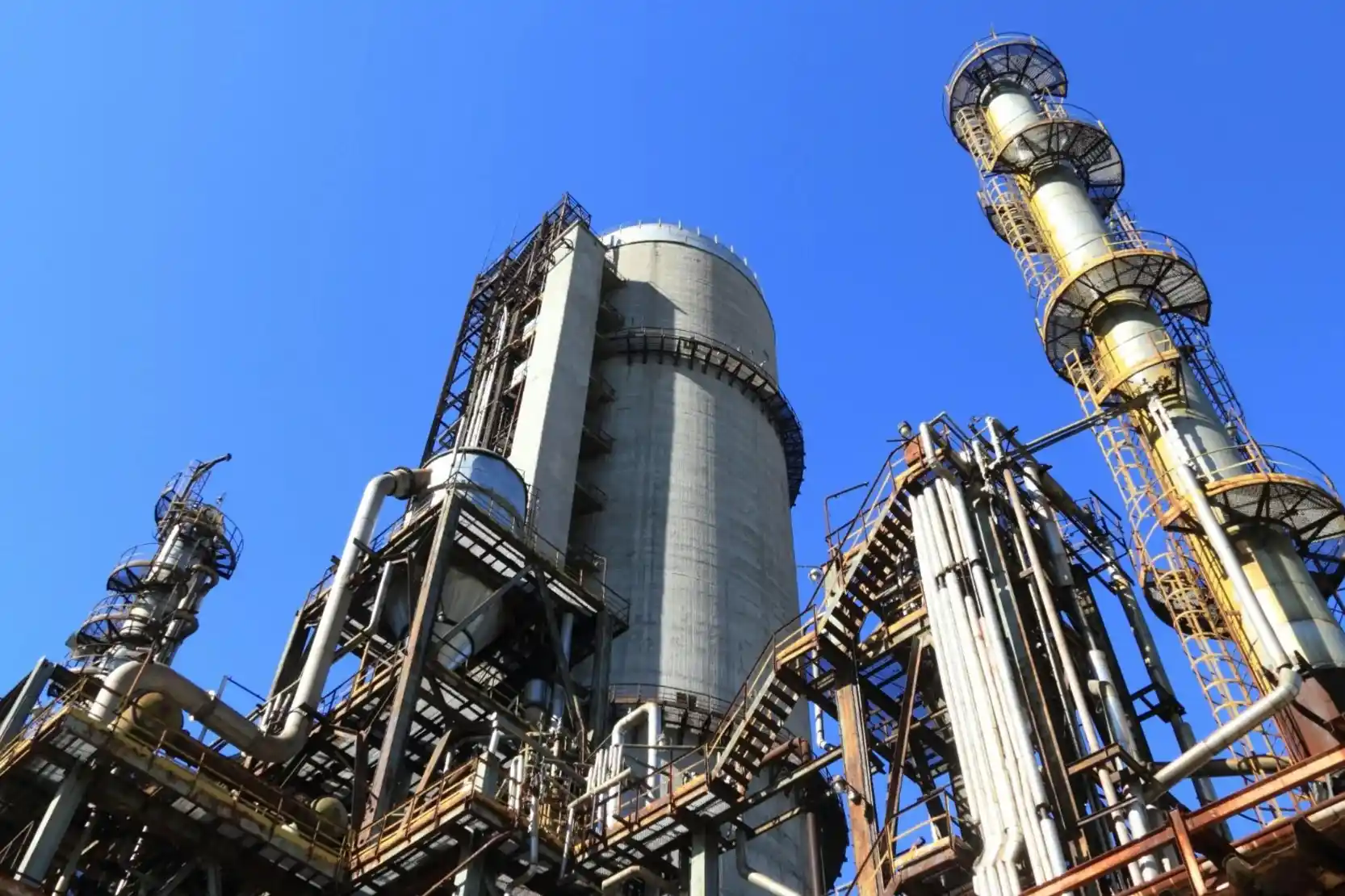

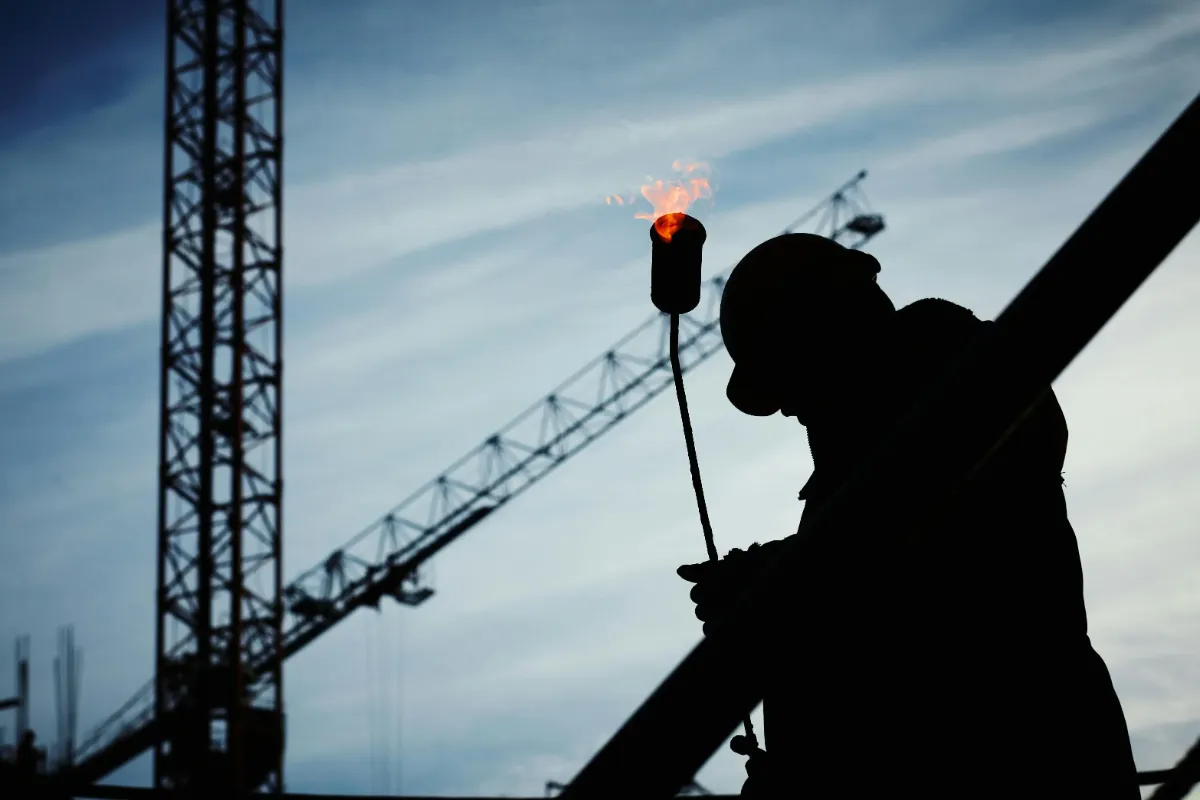
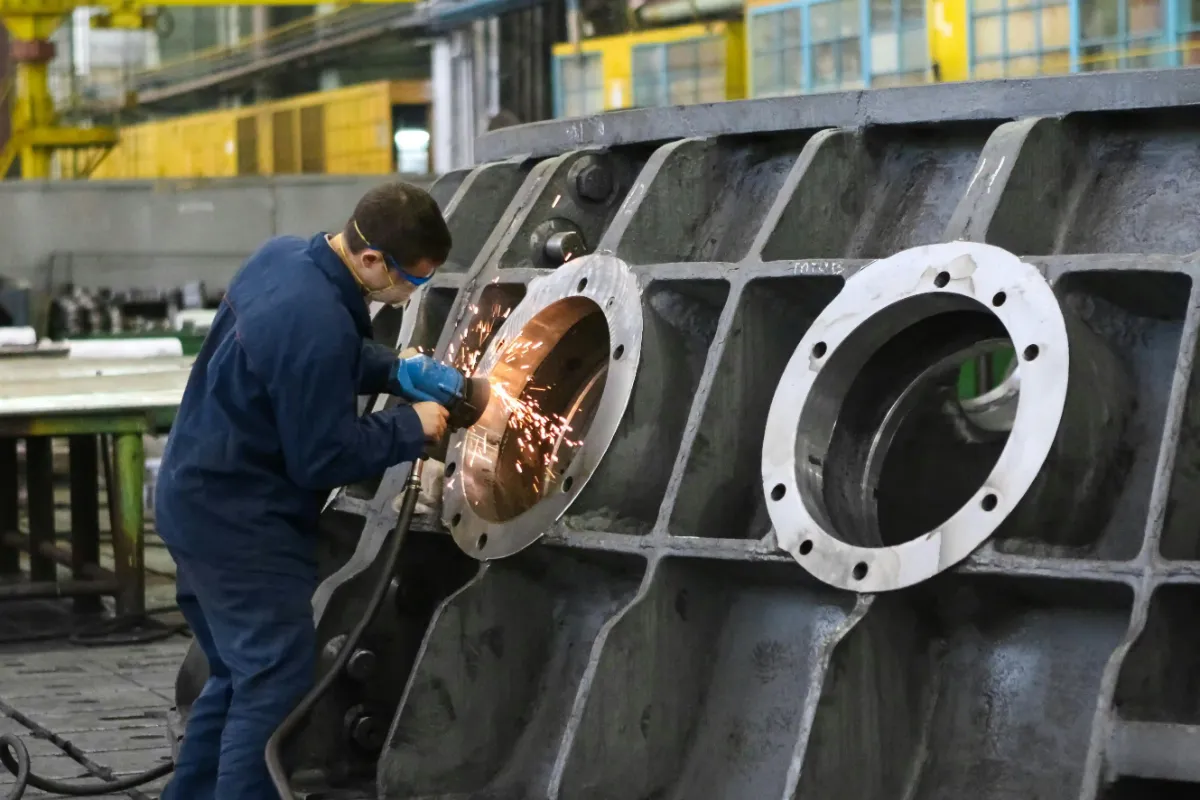
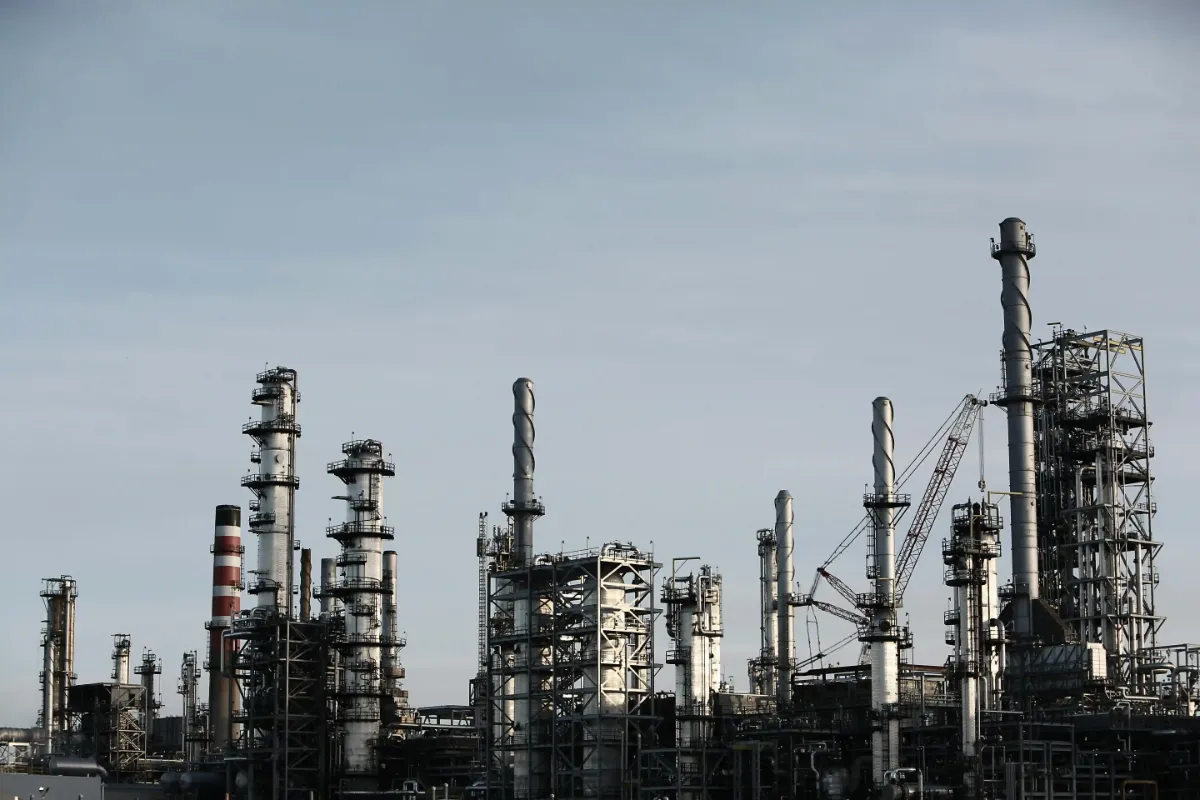
Built to help you specify.
Sizing tools, decision guides, and technical references. Use them before, during, and after your evaluation.



Frequently Asked Questions
When is an elevated flare the right choice?
An elevated flare suits sites with large emergency relief loads and enough space for the radiation zone around the stack.
Which flare tip does my plant need?
Light, clean gas can often burn on an unassisted tip. Heavier gas needs air or steam assist to burn without smoke. CRA selects the tip from the gas data.
How is the height of the flare chosen?
CRA sizes the stack so that radiant heat at grade stays within the limits that apply at site, using the plant's relief cases.
What data does CRA need to size an emergency relief flare?
CRA needs the relief cases with their flows, the gas composition, the allowable back pressure, and the site layout and conditions.
Does CRA supply the knockout drum and water seal?
Yes. CRA supplies knockout drums and water seals as part of the flare system.