
Low NOx Thermal Oxidizers for Chemical Plants
Low NOx thermal oxidisers that destroy VOCs while keeping NOx within tight permit limits, without SCR.


VOC destruction within tight NOx limits
CRA's low NOx thermal oxidisers destroy more than 99.9% of VOCs while staged combustion and flue gas recirculation keep NOx within tight permit limits, without SCR.
VOC/HAP destruction
>99.9%
NOₓ control
Staged combustion + quenching
SCR
Not required
Burner
Multi-stage
How does a low NOx thermal oxidiser work?
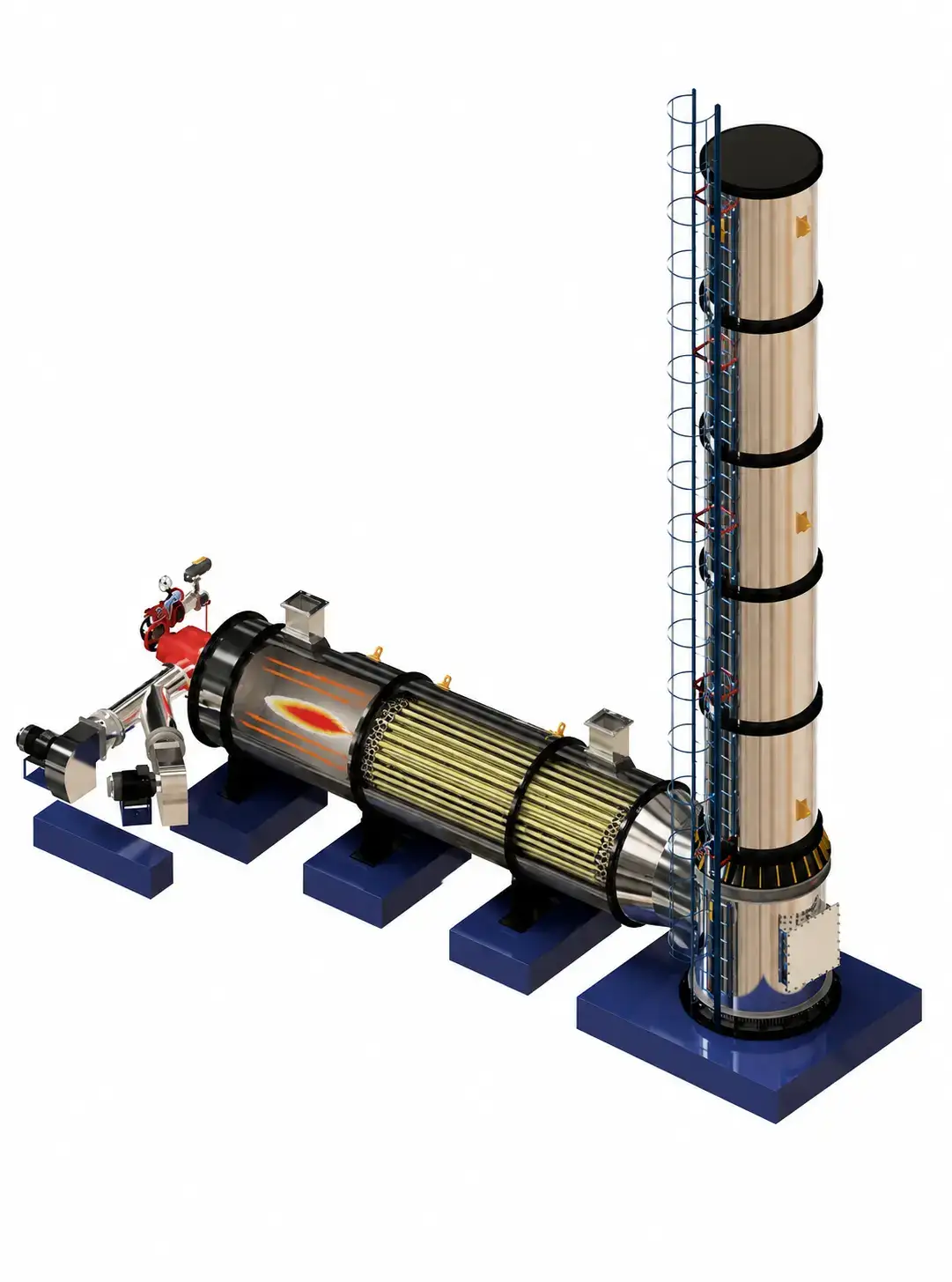
NOx forms fastest in the hottest parts of a flame and from nitrogen in the vent compounds. A low NOx oxidiser splits the combustion into stages and recirculates cooled flue gas into the flame, which lowers peak temperatures. The overall temperature and residence time still destroy the VOCs.
How it works
The oxidiser takes the plant's vent header and discharges to the stack with no downstream NOx treatment.
The process vent flows to the oxidiser.
Fuel and air are added in stages to avoid hot spots in the flame.
Cooled flue gas is fed back into the flame to lower its peak temperature.
The chamber holds the gas at temperature until the VOCs are destroyed.
The exhaust leaves within its NOx limit, with no SCR needed.
Key Benefits
VOCs and HAPs are destroyed with destruction efficiency above 99.9%.
Staged combustion and flue gas recirculation limit NOx formation in the oxidiser.
NOx limits are met in the oxidiser itself, without post-combustion treatment.
The design suits vents that carry amines and other nitrogen compounds.
Burner and air control keep the flame in its low NOx range across the load range.
Projects That Push Boundaries
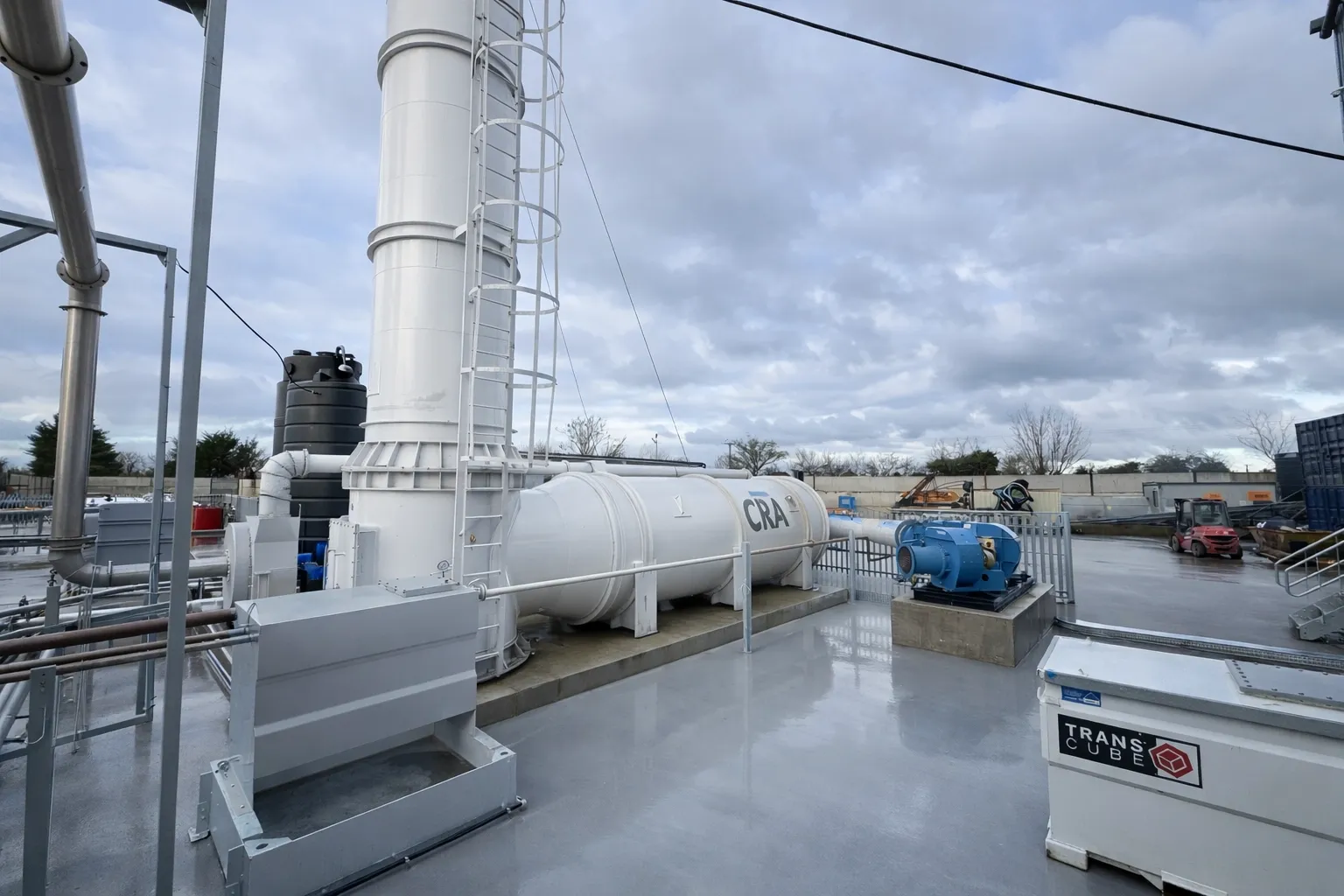
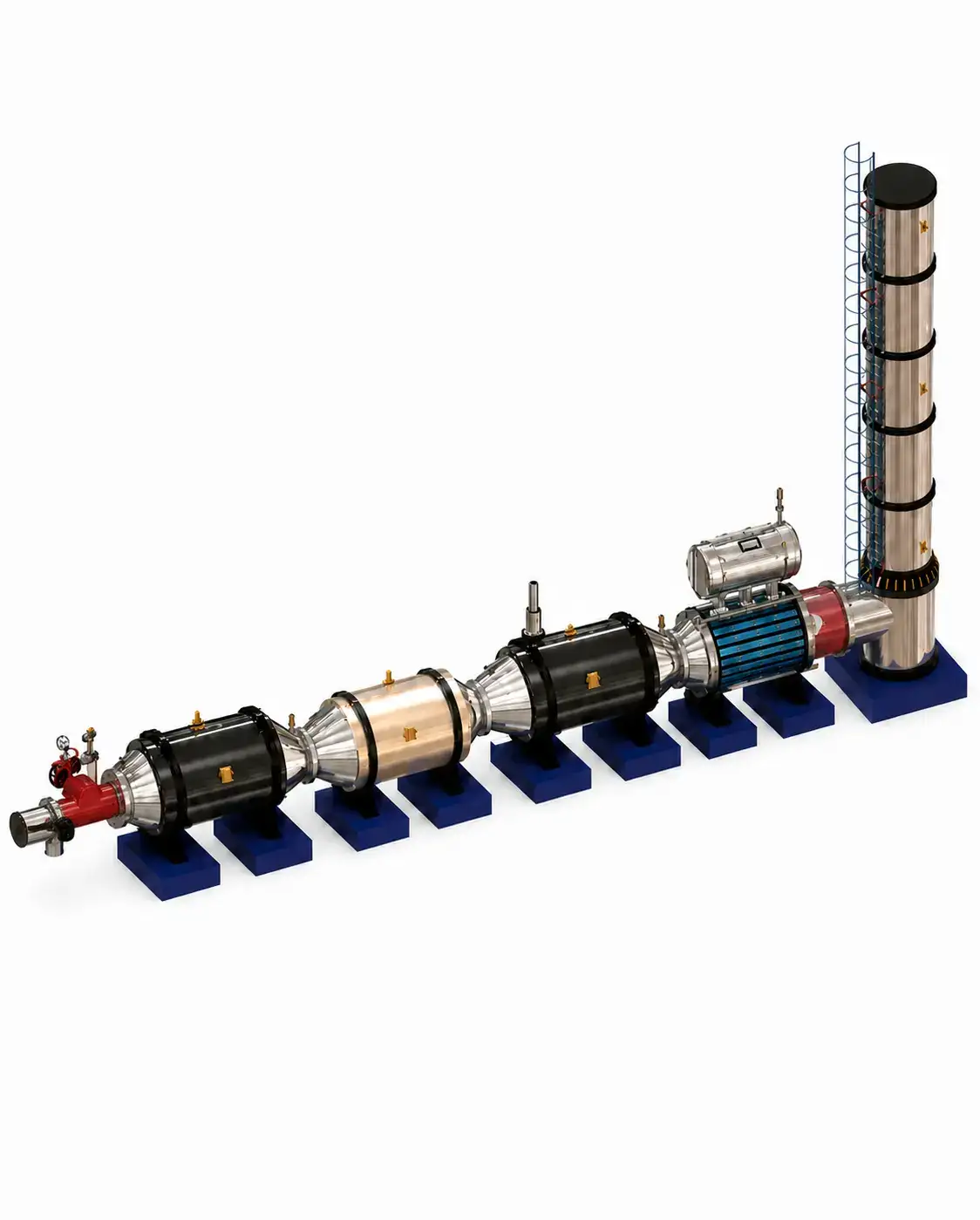
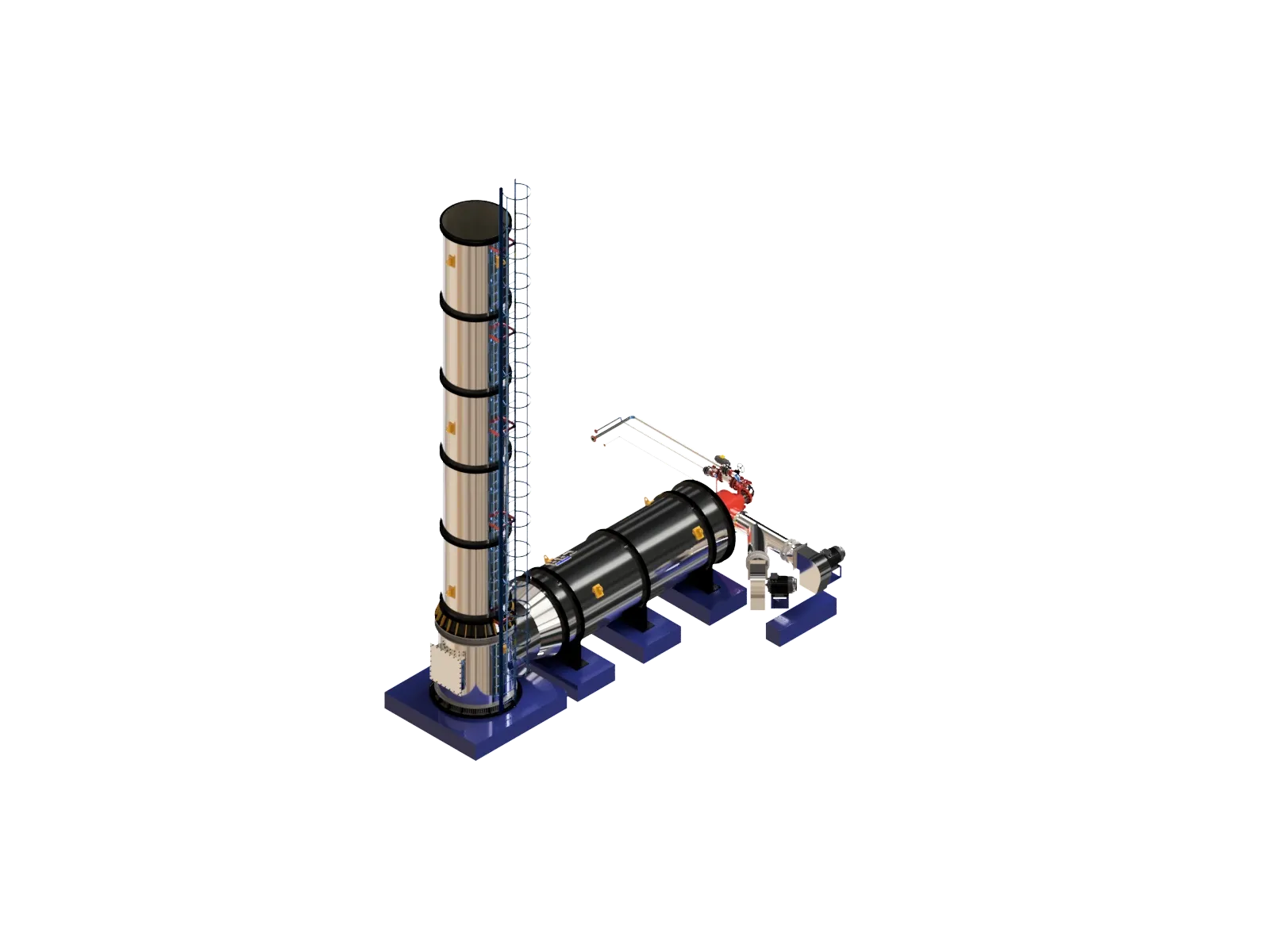
Skid-mounted thermal oxidiser for lean, VOC-laden pyrolysis off-gas, designed in line with UKCA requirements.
The CRA Edge
CRA has more than 30 years of experience in gas handling and combustion engineering.
Design, R&D and manufacturing are carried out under one roof.
ISO 9001 certified through TÜV NORD, with designs aligned with ASME, API and CE.
Designs are customised to the process needs and the regulations that apply at site.
Applications

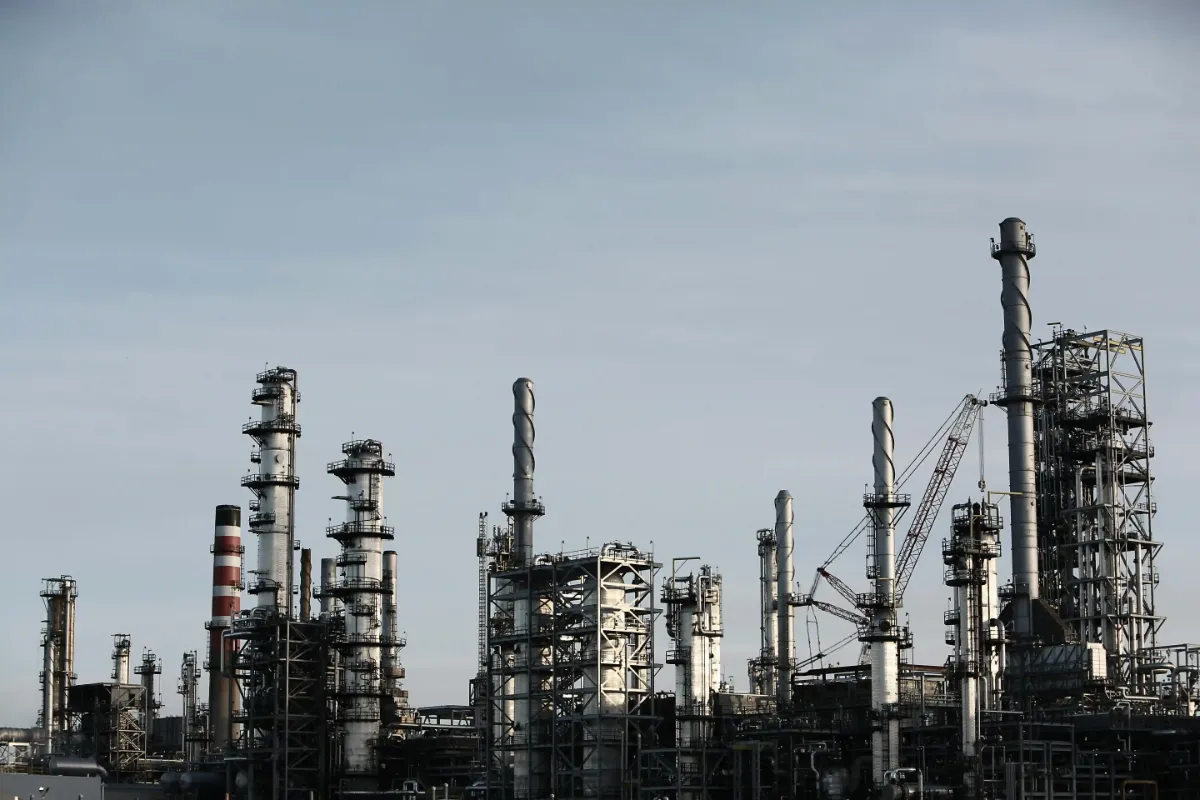
Built to help you specify.
Sizing tools, decision guides, and technical references. Use them before, during, and after your evaluation.




Frequently Asked Questions
Why does a thermal oxidiser produce NOx?
High combustion temperatures turn some of the nitrogen in the air and in the vent compounds into nitrogen oxides.
How does CRA keep NOx low?
CRA uses multi-stage burners, flue gas recirculation and precise air control to hold the flame in a low NOx range.
Is an SCR unit needed?
CRA's low NOx oxidisers are designed to meet NOx limits without post-combustion treatment such as SCR.
What data does CRA need to size a low NOx oxidiser?
CRA needs the vent flows and compositions, including nitrogen-bearing compounds, the NOx and VOC limits, and the site conditions.
Can an existing oxidiser be upgraded for lower NOx?
In many cases it can. CRA assesses the existing unit and the limits, and proposes a burner and control retrofit where it is feasible.