
PVRVs and Flame Arrestors for Storage Tanks
Pressure vacuum relief valves and flame arrestors that protect storage tanks and their vent lines.


Tank vents protected against pressure, vacuum and flame
CRA's pressure vacuum relief valves hold storage tanks within their pressure and vacuum limits, and its flame arrestors stop a flame passing through tank vents and vapour lines.
Protection
Pressure and vacuum
Arrestors
End-of-line and in-line
Service
Storage tanks
Sizing
Per tank duty
What do PVRVs and flame arrestors do on a storage tank?
A tank pushes vapour out as it fills or warms and draws air in as it empties or cools. A pressure vacuum relief valve opens at set points in each direction, keeping the tank within its pressure and vacuum limits.
How it works
Flame arrestors on the vents and vapour lines let gas through and stop a flame.
Rising liquid raises the pressure in the vapour space.
The valve opens and releases vapour at its pressure setting.
Falling liquid draws a vacuum in the vapour space.
The valve opens and admits air or blanket gas.
Arrestors on the vents quench a flame before it reaches the tank.
Key Benefits
The valve opens to release vapour before the tank pressure gets too high.
The valve lets air or blanket gas in as the tank empties or cools.
The valve stays closed through small pressure changes, holding vapour in the tank.
Flame arrestors quench a flame before it can enter the tank.
Valves and arrestors are sized for the filling, emptying and breathing of each tank.
The CRA Edge
CRA has more than 30 years of experience in gas handling and flare engineering.
Design, R&D and manufacturing are carried out under one roof.
ISO 9001 certified through TÜV NORD, with designs aligned with ASME, API and CE.
Designs are customised to the process needs and the regulations that apply at site.
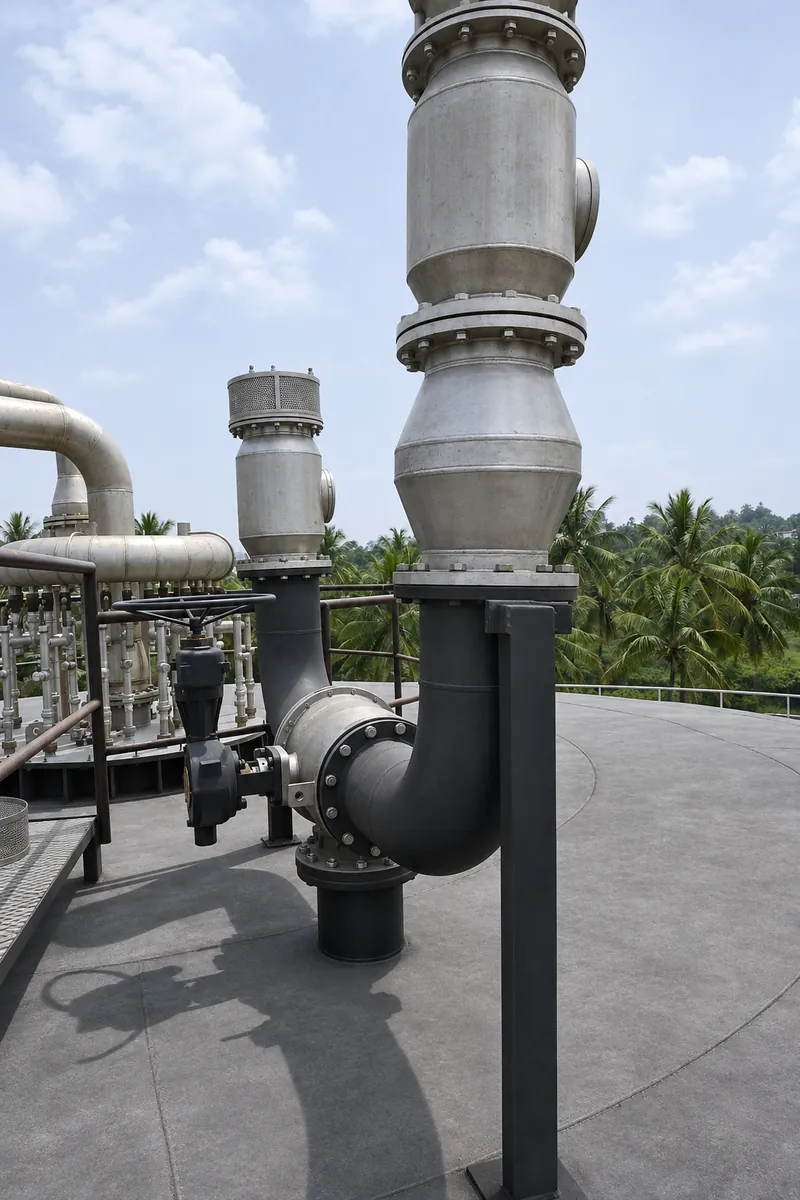
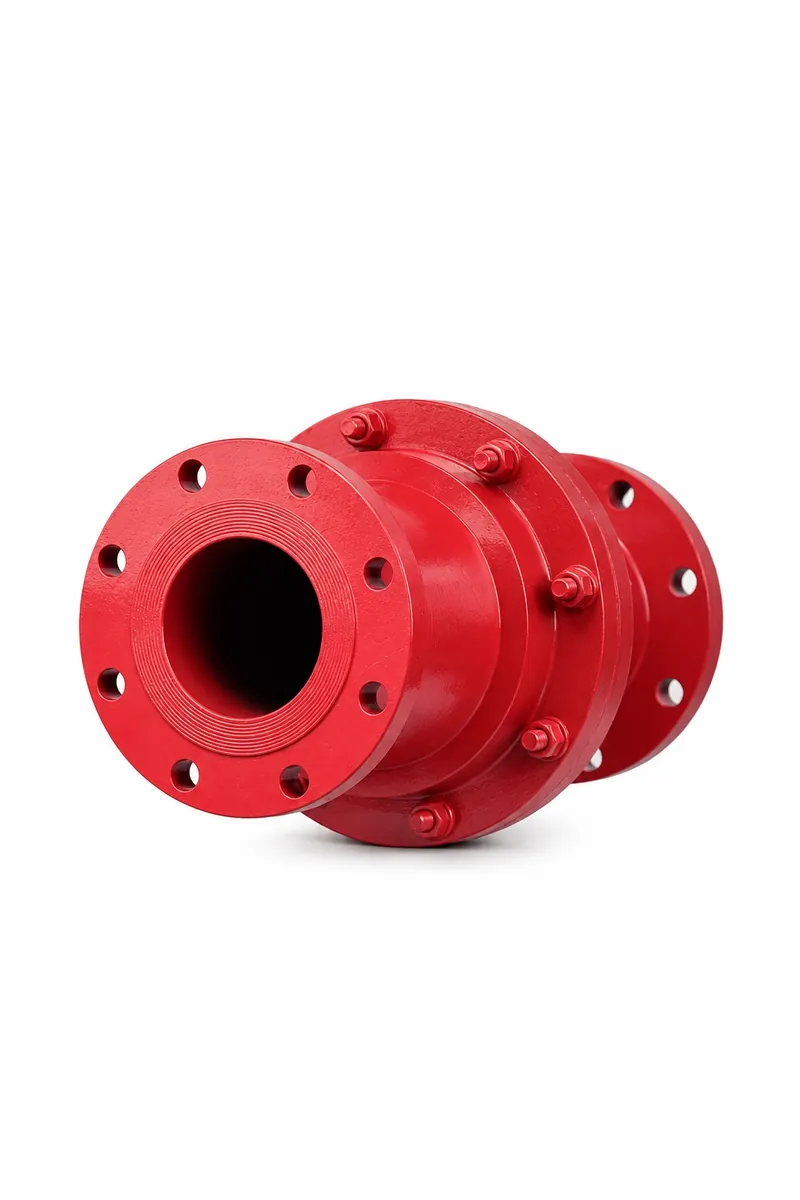
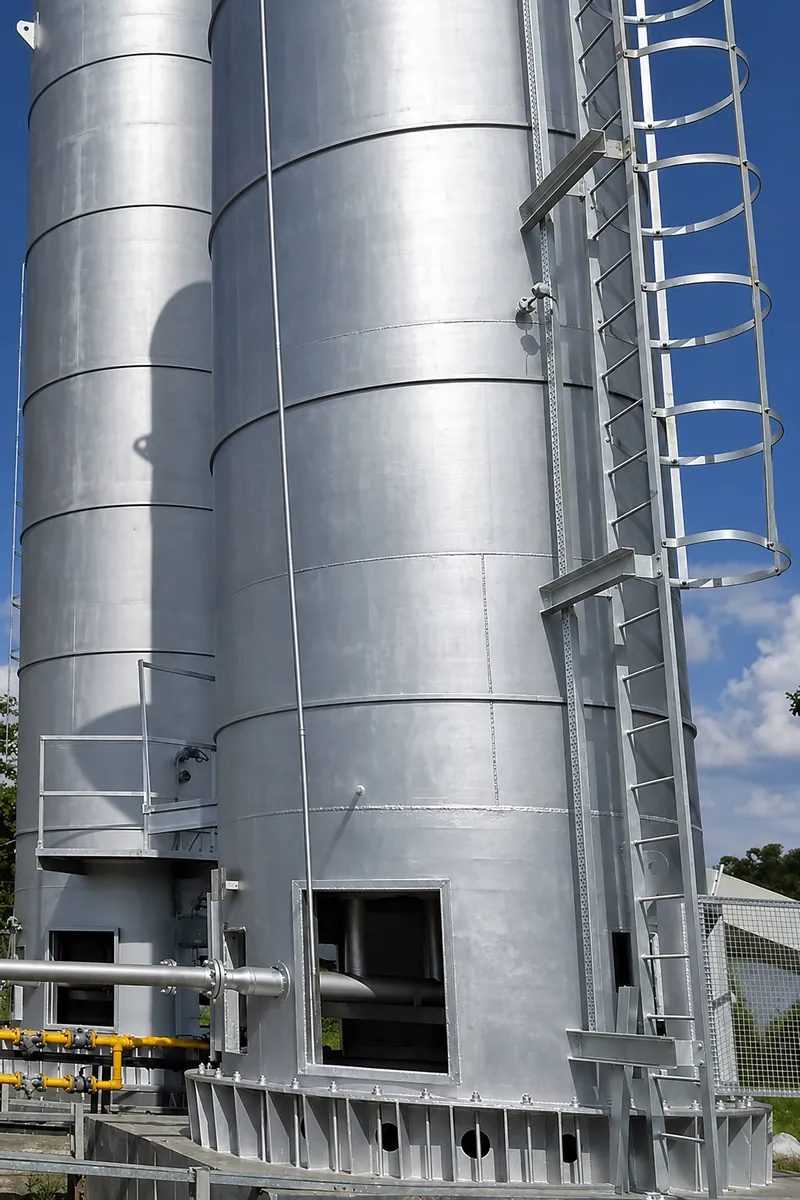
Applications

Frequently Asked Questions
What does a pressure vacuum relief valve do?
It lets a tank breathe out when the pressure rises and breathe in when a vacuum forms, keeping the tank within its design limits.
Where are flame arrestors fitted on a tank?
On open vents, and in vapour lines that connect the tank to a vapour combustion or recovery unit, where they stop a flame passing into the tank.
Does a PVRV reduce vapour losses?
Yes. Between its set points the valve stays shut, so small pressure changes do not vent vapour.
What data does CRA need to size tank valves and arrestors?
CRA needs the tank size and design pressures, the filling and emptying rates, the stored product, any blanketing and the site conditions.
Can CRA supply both for the same tank?
Yes. CRA supplies pressure vacuum relief valves, end-of-line flame arrestors and in-line flame arrestors for tank vents and vapour lines.