
Regenerative Thermal Oxidizers for Automotive Paint Shops
Regenerative thermal oxidisers that destroy solvent from automotive paint shop ovens and spray booth exhaust.


Paint shop solvent destroyed with most of the heat recovered
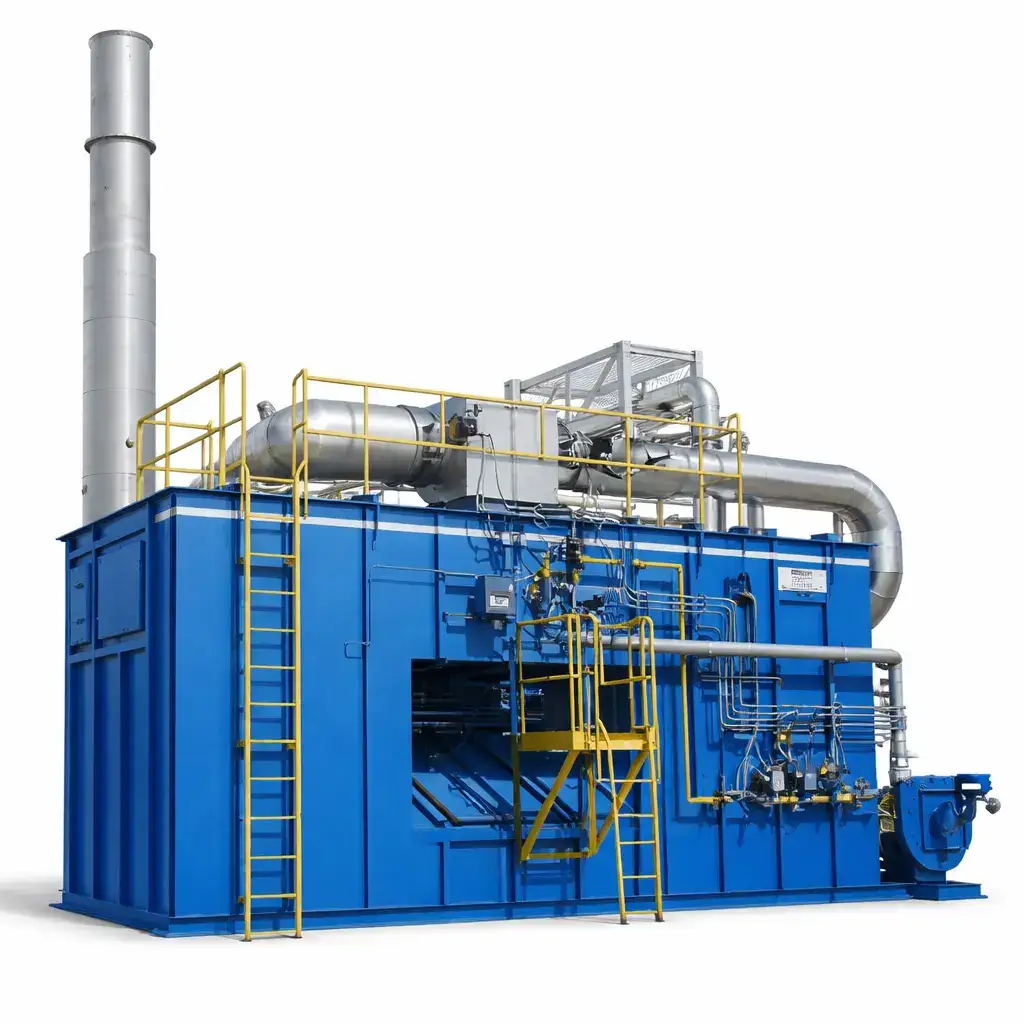
CRA's regenerative thermal oxidisers destroy the solvent in automotive paint shop oven exhaust and booth air, recovering most of the heat to keep fuel use low.
Destruction efficiency
>99%
Streams
Ovens and booths
Heat recovery
Regenerative beds
Duty
Shift based
What does an RTO do in an automotive paint shop?
Solvent leaves the paint as it is sprayed, flashed off and cured. Fans collect the oven exhaust and the solvent-rich booth air and send them to the RTO, where a hot bed preheats the air and the solvent oxidises in the combustion chamber.
How it works
The clean air heats a second bed on its way out, and the flow reverses at intervals to keep the heat in the unit.
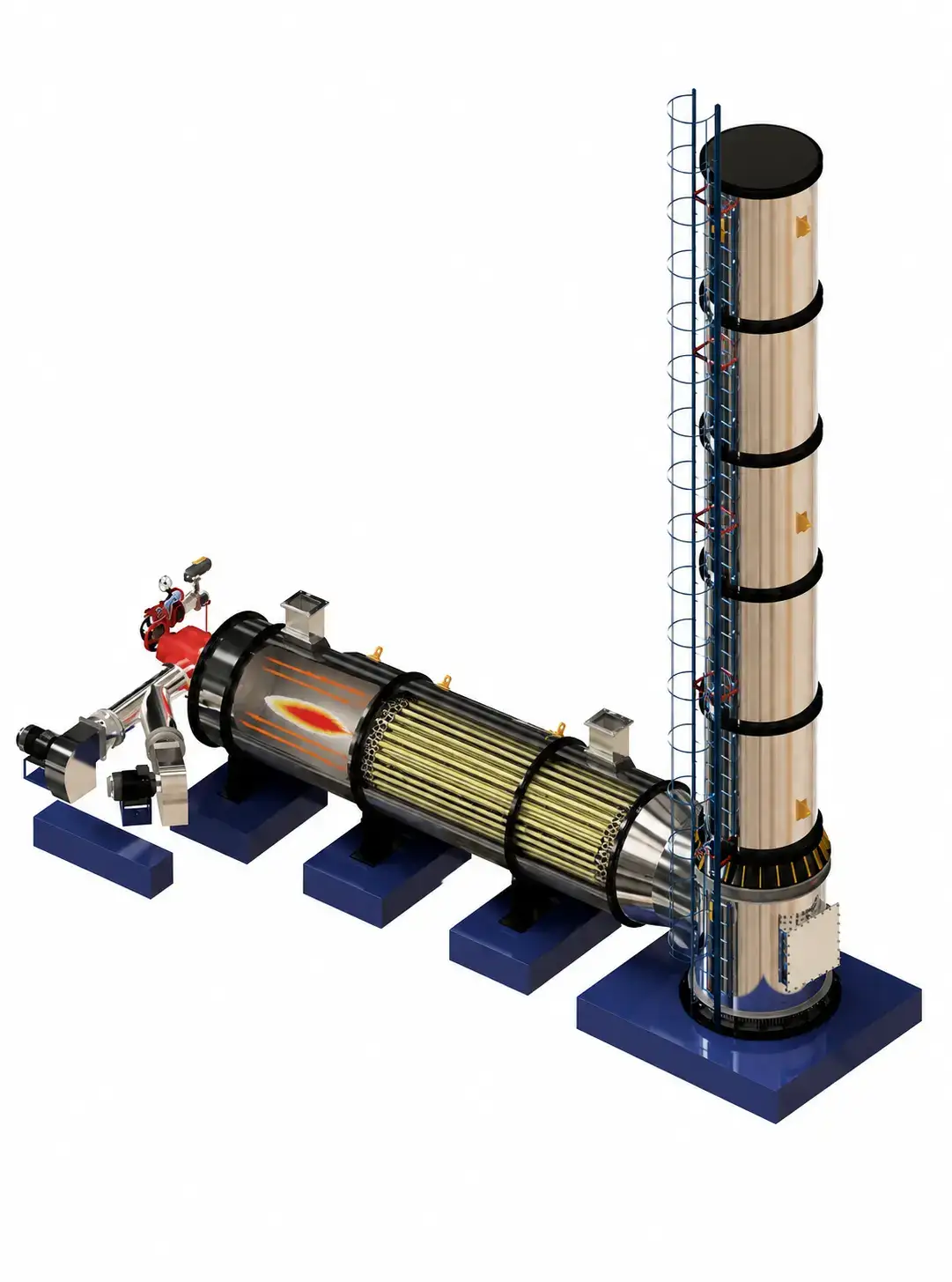
Fans draw air from the ovens and the solvent-rich booth zones.
A hot bed warms the incoming air.
The solvent is destroyed in the combustion chamber.
The outgoing air heats the next bed before discharge.
Key Benefits
Solvent and fumes from curing ovens are destroyed before discharge.
Air from the solvent-rich booth zones can be treated in the same unit.
The regenerative beds recover most of the heat from the clean exhaust.
Heat recovery keeps support fuel low across the shop's shift pattern.
Paint and oven odours are destroyed with the solvent.
The CRA Edge
CRA has more than 30 years of experience in gas handling and flare engineering.
Design, R&D and manufacturing are carried out under one roof.
ISO 9001 certified through TÜV NORD, with designs aligned with ASME, API and CE.
Designs are customised to the process needs and the regulations that apply at site.
Applications

Frequently Asked Questions
Which paint shop streams go to the RTO?
Curing oven exhaust is the usual stream. Where the permit requires it, air from the solvent-rich booth zones can be treated as well.
Why treat only part of the booth air?
Booth air carries little solvent in a very large flow, so treating all of it needs a very large unit. Plants usually treat the zones where the solvent is highest.
Does the RTO handle oven fumes and odour?
Yes. Oven fumes and the odours they carry are destroyed with the solvent.
What data does CRA need to size a paint shop RTO?
CRA needs the oven and booth exhaust flows, the paint and solvent use, the shift pattern, the emission limits and the site conditions.
Do water-based paint shops need an RTO?
Water-based paints still contain some solvent. Where the permit limits it, the oven exhaust can be treated in the same way.