
Thermal Oxidizers for Coating and Laminating Lines
Thermal oxidisers that destroy solvent in oven exhaust from coating and laminating lines, returning heat to the ovens.


Oven exhaust cleaned and its heat returned to the line
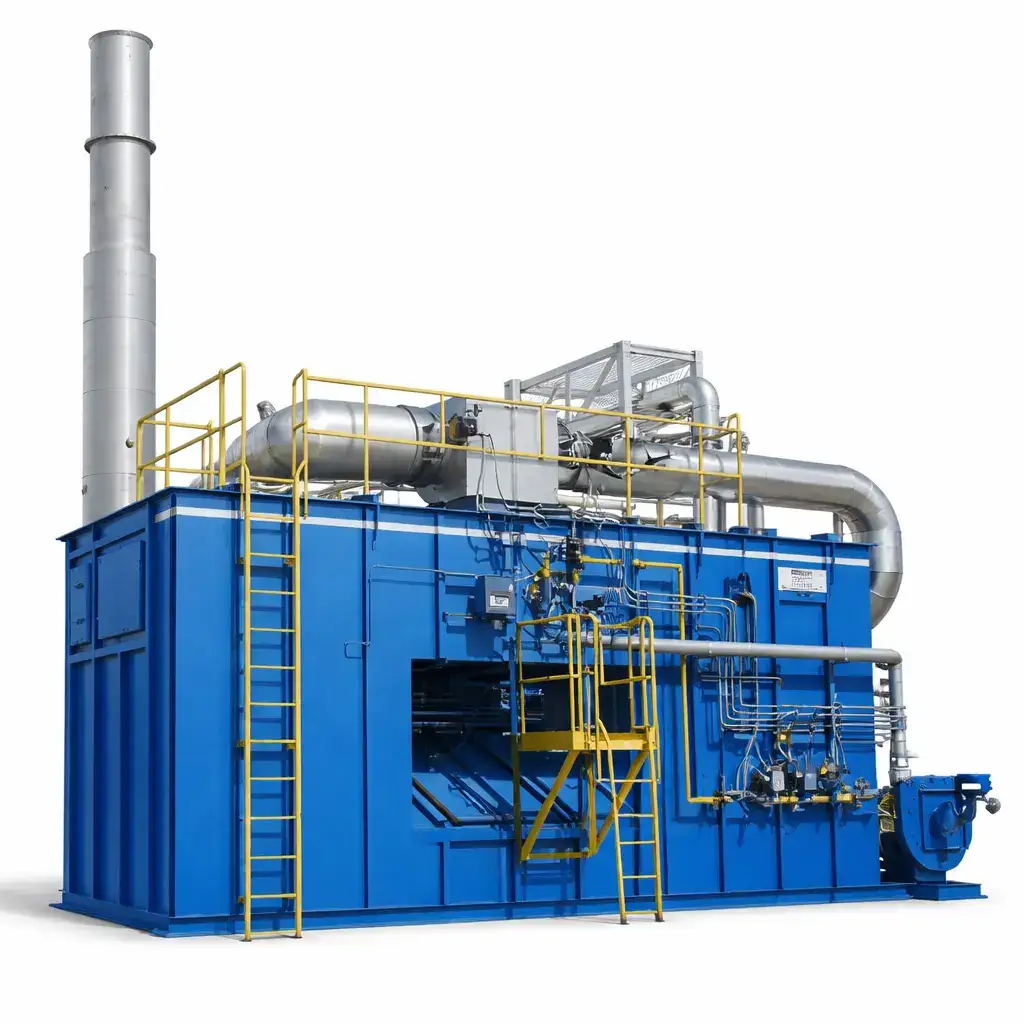
CRA's thermal oxidisers destroy the solvent in coating and laminating oven exhaust, with the recovered heat returned to the ovens as hot air or thermal oil.
Destruction efficiency
>99%
Design
Recuperative or regenerative
Heat use
Ovens and thermal oil
Duty
Continuous
What does a thermal oxidiser do on a coating line?
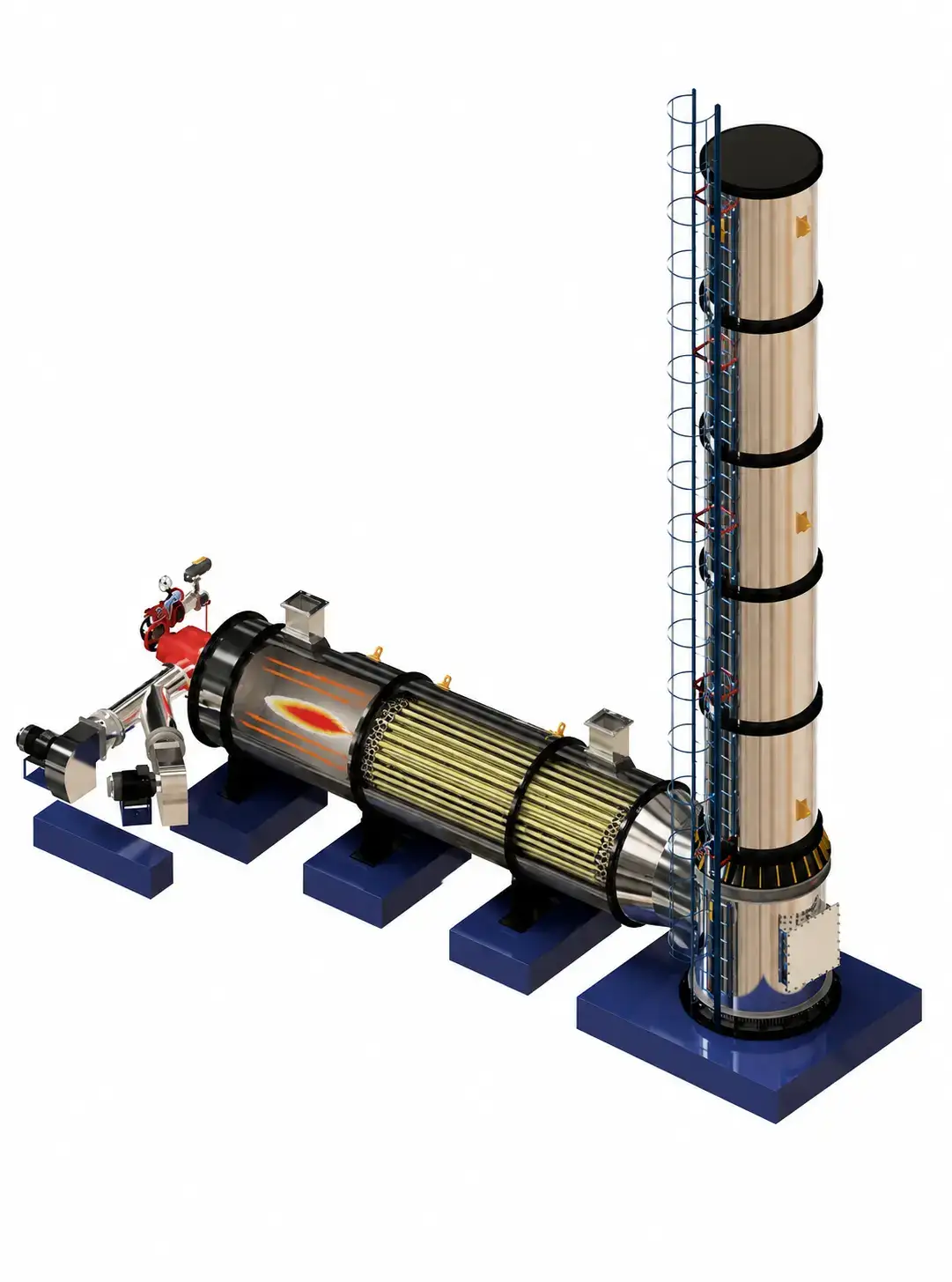
Ovens on a coating line evaporate the solvent from the coating into hot air. The oxidiser takes this exhaust, oxidises the solvent and produces clean, hot gas.
How it works
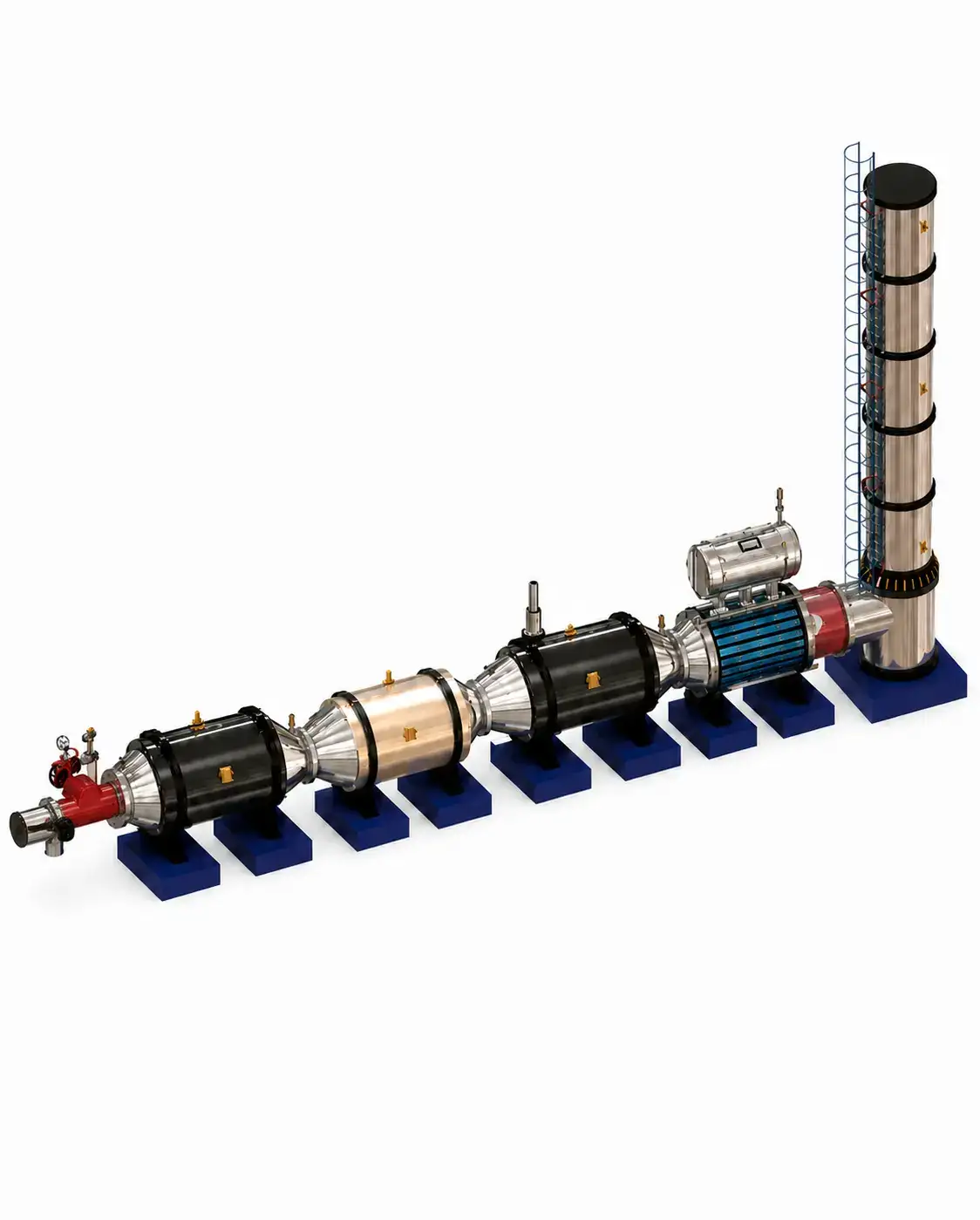
Heat exchangers recover that heat, first to preheat the incoming exhaust and then to supply the ovens.
Fans draw the solvent-laden air from the ovens.
A heat exchanger warms the exhaust with the outgoing hot gas.
The solvent burns in the combustion chamber.
Further heat recovery supplies hot air or thermal oil to the ovens.
Key Benefits
Solvent in the oven exhaust is destroyed before discharge.
Recovered heat can supply the drying ovens as hot air or thermal oil.
The design is chosen for the exhaust flow, the solvent load and the heat the line needs.
The oxidiser follows changes in line speed and coating weight.
The oxidiser is designed to destroy more than 99% of the solvent.
The CRA Edge
CRA has more than 30 years of experience in gas handling and flare engineering.
Design, R&D and manufacturing are carried out under one roof.
ISO 9001 certified through TÜV NORD, with designs aligned with ASME, API and CE.
Designs are customised to the process needs and the regulations that apply at site.
Applications

Frequently Asked Questions
Why use a thermal oxidiser on a coating line?
Coating ovens release the solvent from the coating into the exhaust. The oxidiser destroys it, and its heat can be put back into the ovens.
Which design suits a coating line?
A recuperative oxidiser suits lines that can use the recovered heat in their ovens. A regenerative oxidiser suits large, dilute flows with little use for the heat.
Can the oxidiser supply heat to the ovens?
Yes. Recovered heat can be returned as hot air or through a thermal oil heater.
What data does CRA need to size a coating line oxidiser?
CRA needs the oven exhaust flows, the solvent use, the heat demand of the ovens, the emission limits and the site conditions.
Can several coating lines share one oxidiser?
Yes, where the exhaust streams are compatible and the ducting layout allows it.