
Thermal Oxidizers for Petrochemical Process Vents
Thermal oxidisers for continuous petrochemical process vents, with a flare route for safe disposal when the oxidiser trips.


Continuous process vents oxidised, with a flare behind them
CRA's thermal oxidisers destroy the organics in continuous petrochemical process vents, with heat recovery where it pays and a flare route for trips.
Destruction efficiency
>99%
Heat recovery
Optional
Trip disposal
Flare included
NOx
Low NOx option
What does a thermal oxidiser do with petrochemical vents?
Reactors, absorbers and recovery sections release vent gas that carries organics. A thermal oxidiser burns this gas with air and support fuel, turning the organics into carbon dioxide and water.
How it works
The vents are collected into a header that feeds the oxidiser, with a flare connection that takes over when the oxidiser stops.
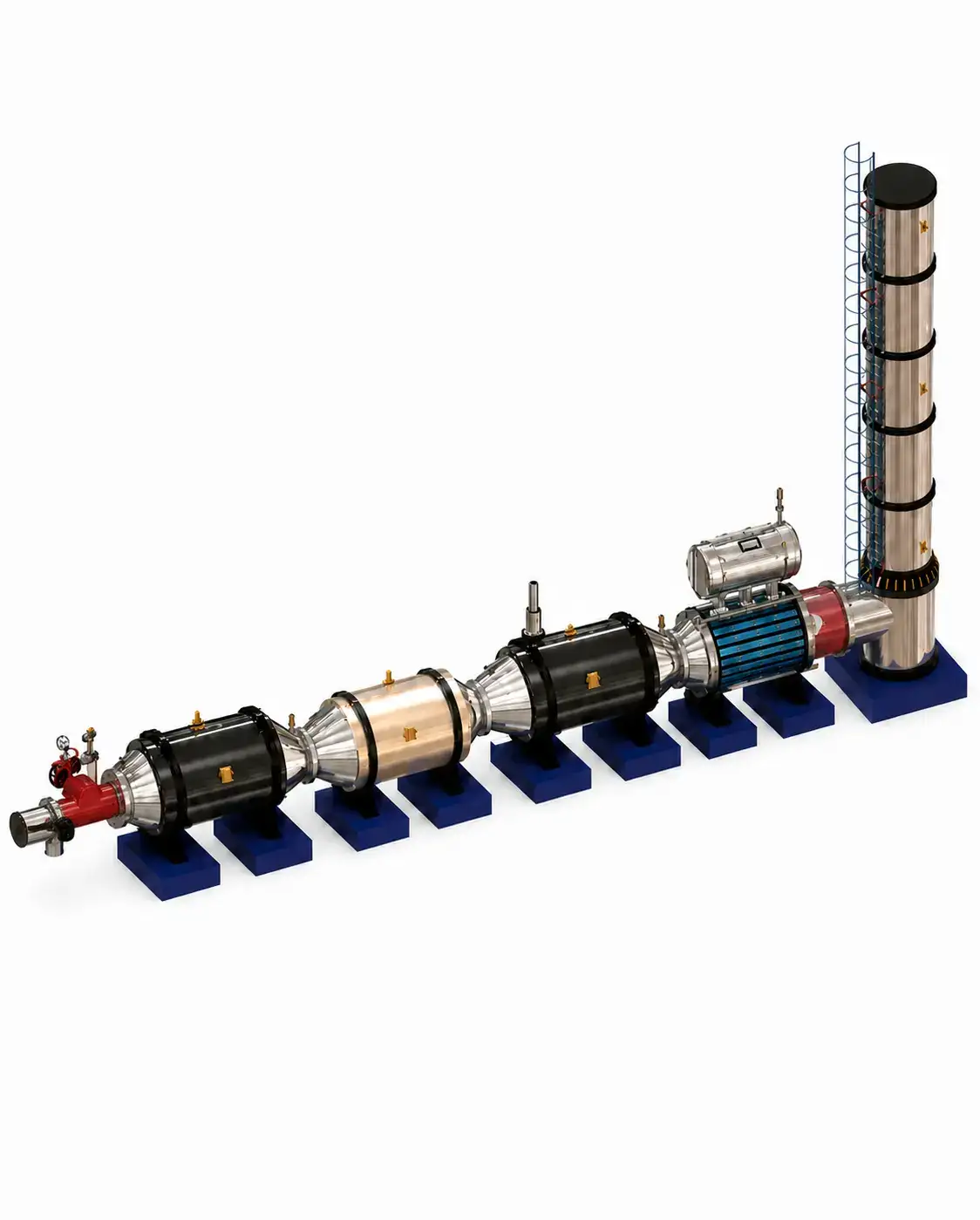
Process vents are gathered into a header.
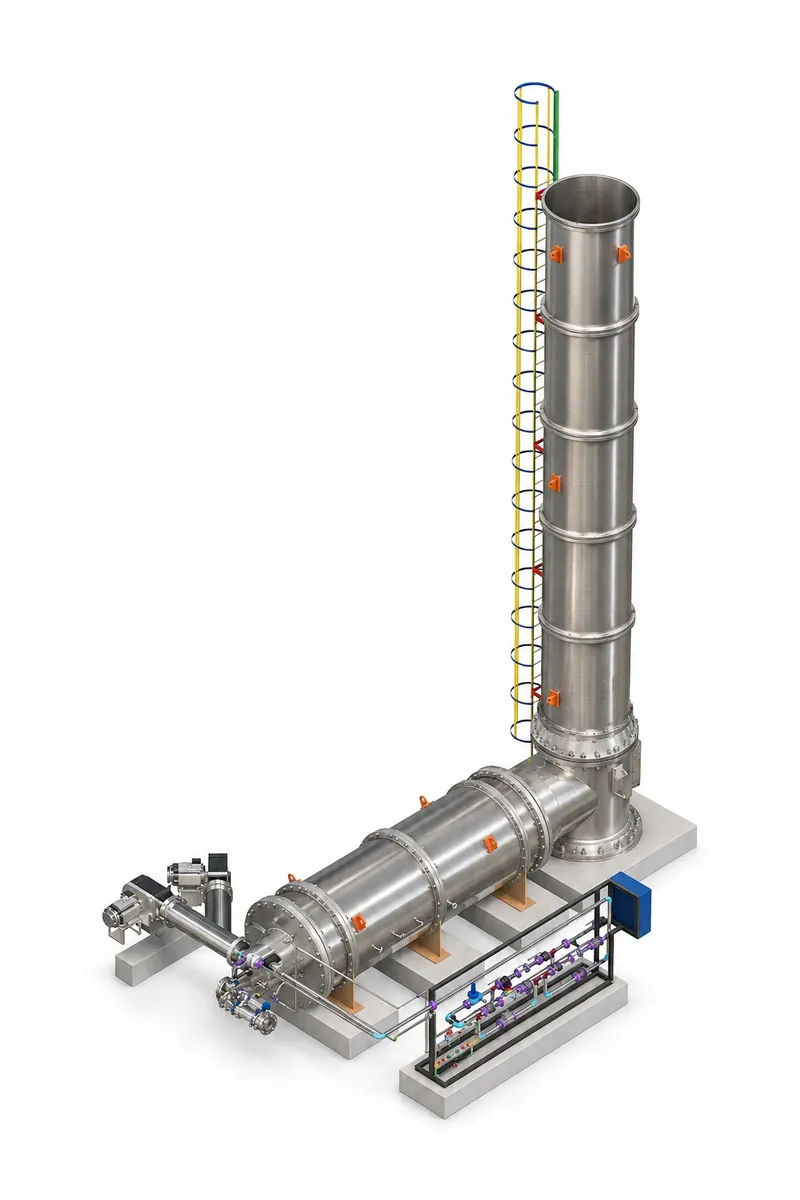
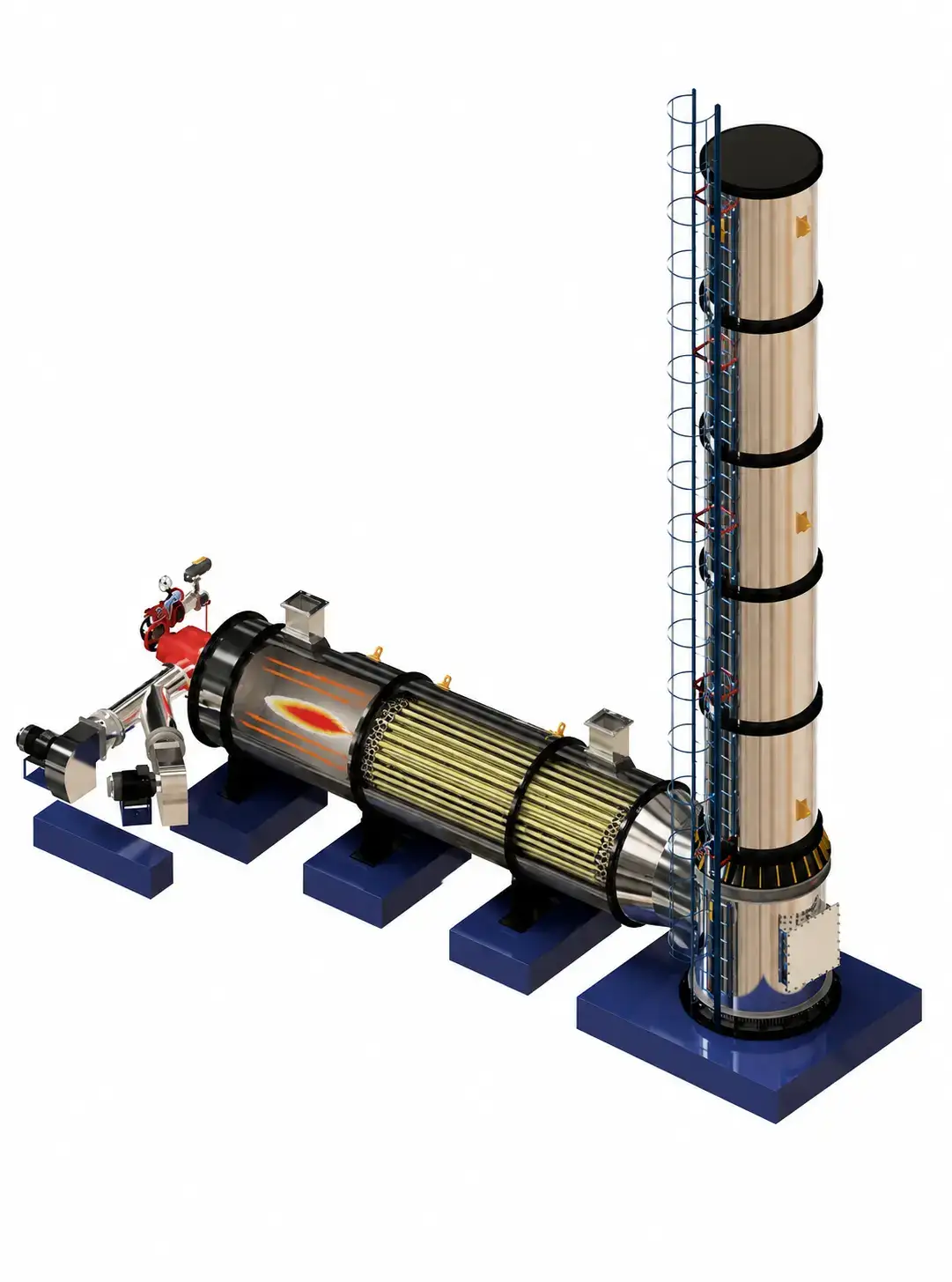
The oxidiser burns the organics with air and support fuel.
A boiler or recuperator can use the heat in the exhaust.
The flare takes the vent gas when the oxidiser trips.
Key Benefits
The oxidiser is designed for destruction efficiency above 99%.
The unit runs for as long as the process does.
Recovered heat can raise steam or preheat the vent gas.
Low NOx designs suit nitrogen-bearing vents.
A flare route takes the vent gas when the oxidiser trips.
The CRA Edge
CRA has more than 30 years of experience in gas handling and flare engineering.
Design, R&D and manufacturing are carried out under one roof.
ISO 9001 certified through TÜV NORD, with designs aligned with ASME, API and CE.
Designs are customised to the process needs and the regulations that apply at site.
Applications

Frequently Asked Questions
When does a petrochemical vent need a thermal oxidiser?
Continuous vents carrying organics that a permit limits are usually sent to a thermal oxidiser, which holds a steady destruction efficiency.
Can the oxidiser recover heat?
Yes. Where the vent carries enough heat, a waste heat boiler or a recuperator can recover it.
What happens when the oxidiser trips?
The vent gas switches to a flare, so it is still burned safely. CRA includes this route in every oxidiser package.
What data does CRA need for a petrochemical vent oxidiser?
CRA needs the flow range and composition of each vent, the emission limits, the fuel and utilities available and the site conditions.
Can several vents go to one oxidiser?
Yes, where the streams are compatible. CRA reviews each vent before combining them.