
Thermal Oxidizers for Rubber and Tyre Curing Fumes
Thermal oxidisers that destroy the fumes and odour released by tyre curing presses and rubber processing.


Curing fumes and rubber odour destroyed at source
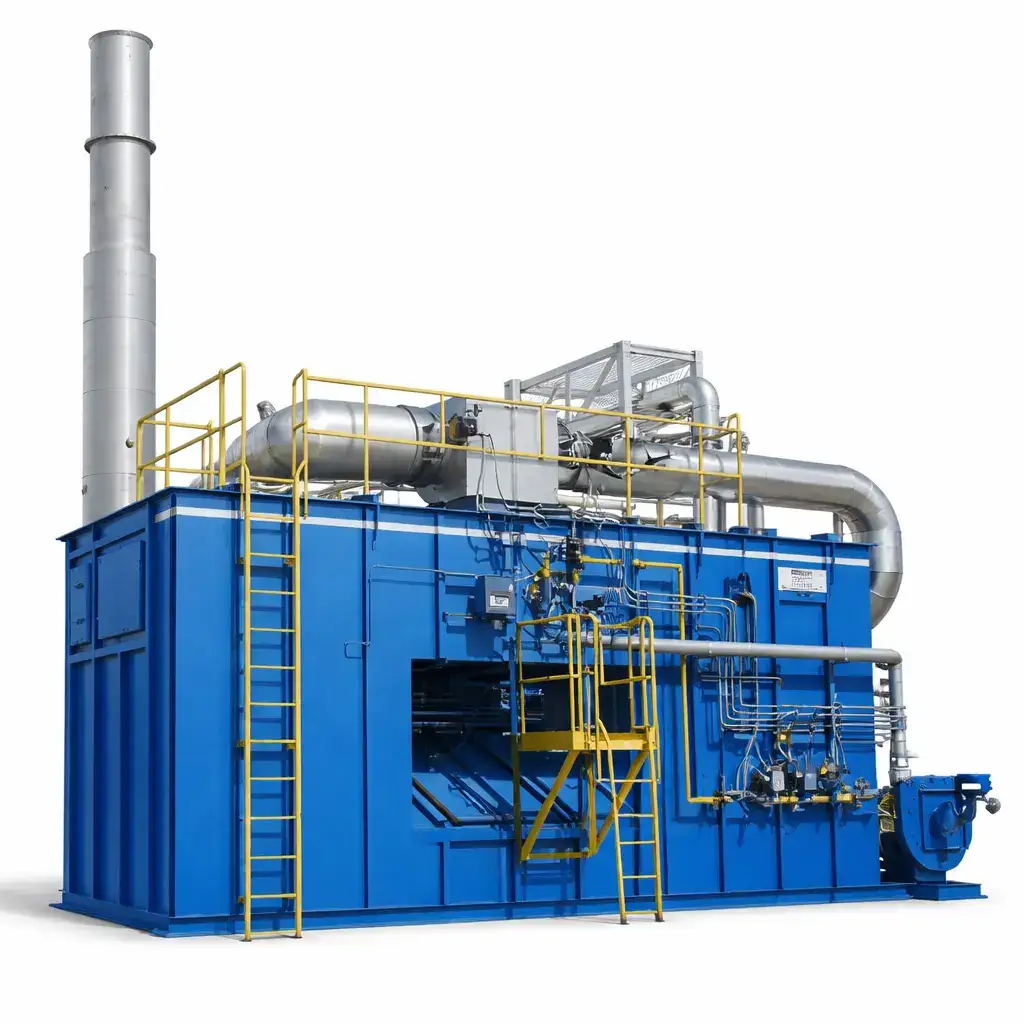
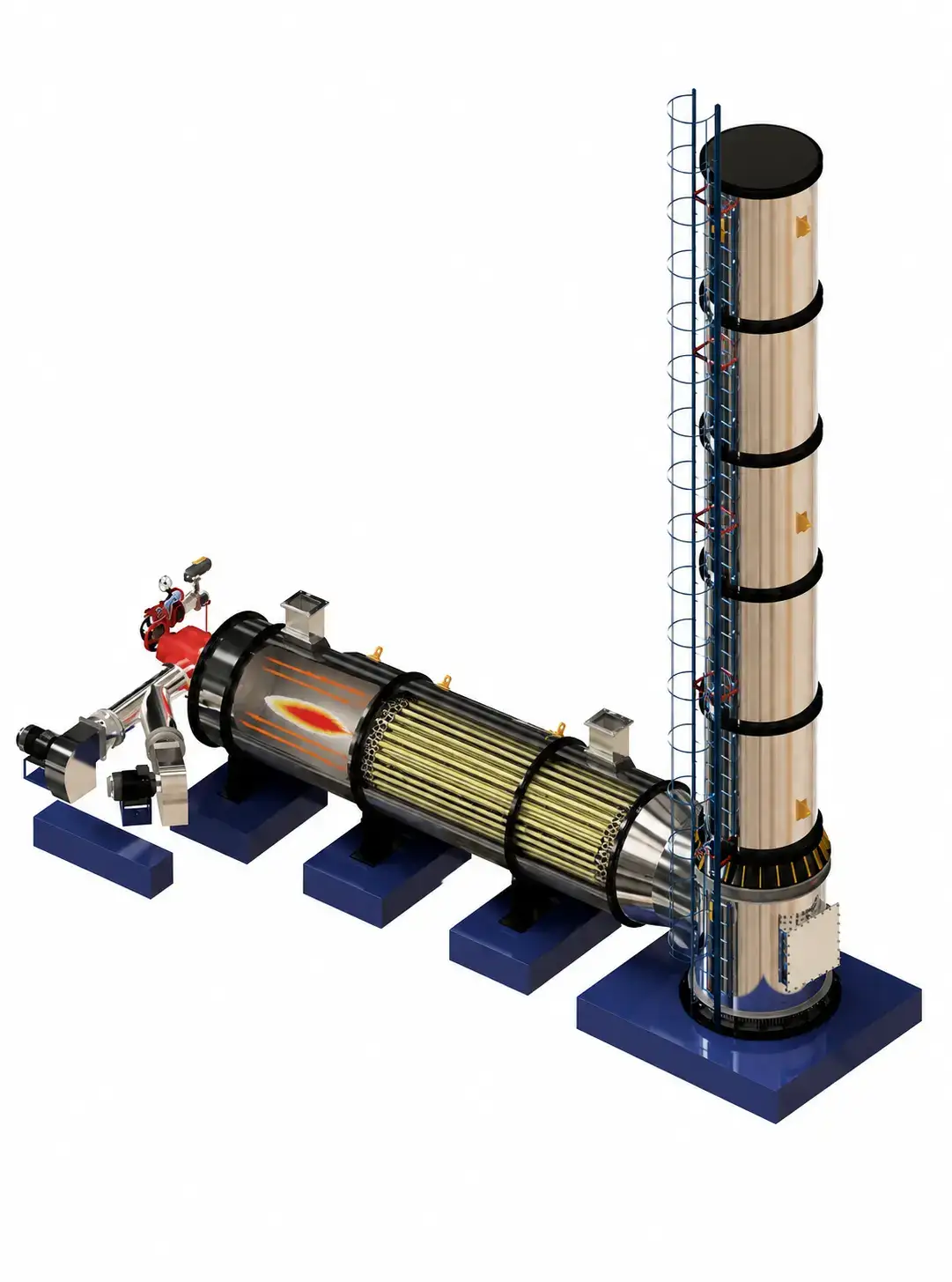
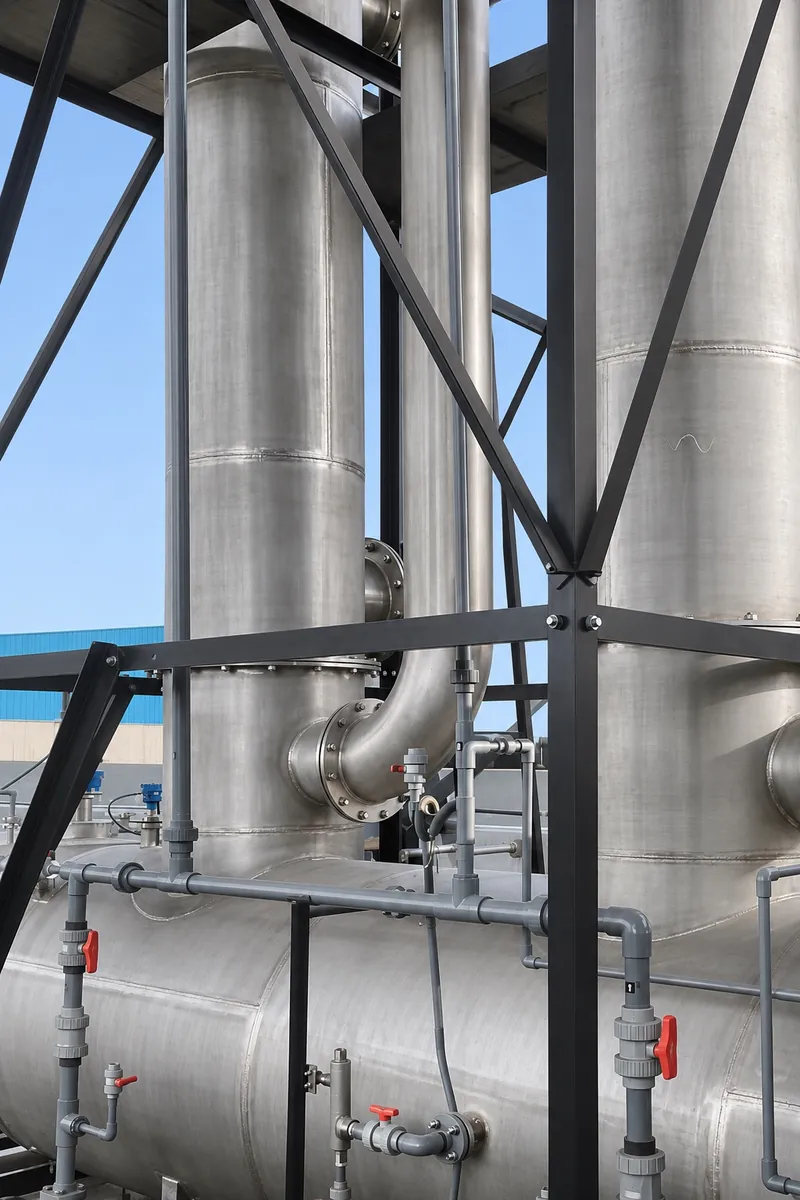
CRA's thermal oxidisers destroy the VOCs and odour in fumes captured from tyre curing presses and rubber lines, with filtration to remove oil mist and particles first.
Destruction efficiency
>99%
Pre-treatment
Oil mist filtration
Design
Regenerative
Odour
Destroyed
What does a thermal oxidiser do at a tyre or rubber plant?
Hot rubber in presses, mixers and extruders gives off fumes. Hoods capture the fumes, filters remove the oil mist and particles, and the oxidiser burns the remaining organics and odour-causing compounds.
How it works
For the large air flows of a curing hall, a regenerative oxidiser keeps the fuel use low.
Hoods over presses and lines draw off the fumes.
Filters remove oil mist and particles.
The oxidiser destroys the VOCs and odour-causing compounds.
Clean air leaves through the stack.
Key Benefits
The rubber odour that reaches neighbours is destroyed at source.
Volatile organics in the curing fumes are oxidised before discharge.
Filters remove oil mist and particles ahead of the oxidiser.
Regenerative designs keep fuel use low on large, dilute flows.
Sulphur compounds are oxidised, with scrubbing where the stack limit needs it.
The CRA Edge
CRA has more than 30 years of experience in gas handling and flare engineering.
Design, R&D and manufacturing are carried out under one roof.
ISO 9001 certified through TÜV NORD, with designs aligned with ASME, API and CE.
Designs are customised to the process needs and the regulations that apply at site.
Applications


Frequently Asked Questions
What is in tyre curing fumes?
Curing fumes carry volatile organics, sulphur compounds, oil mist and fine particles, and they have a strong odour.
Why filter the fumes first?
Oil mist and particles can foul the oxidiser. Filters ahead of it keep the heat recovery clean.
Which oxidiser suits curing fumes?
Curing fumes are large, dilute flows, so a regenerative oxidiser usually suits them best.
What data does CRA need to size a curing fume oxidiser?
CRA needs the number of presses and lines, the captured air flow, the odour and emission limits and the site conditions.
Can mixing and extrusion fumes go to the same unit?
Yes, where the flows are compatible. CRA reviews each source before combining them.