
Vapor Combustion Units for Loading Gantries
Vapour combustion units that burn the vapour displaced when road and rail tankers are loaded at a gantry.


Loading vapour burned away from the bays
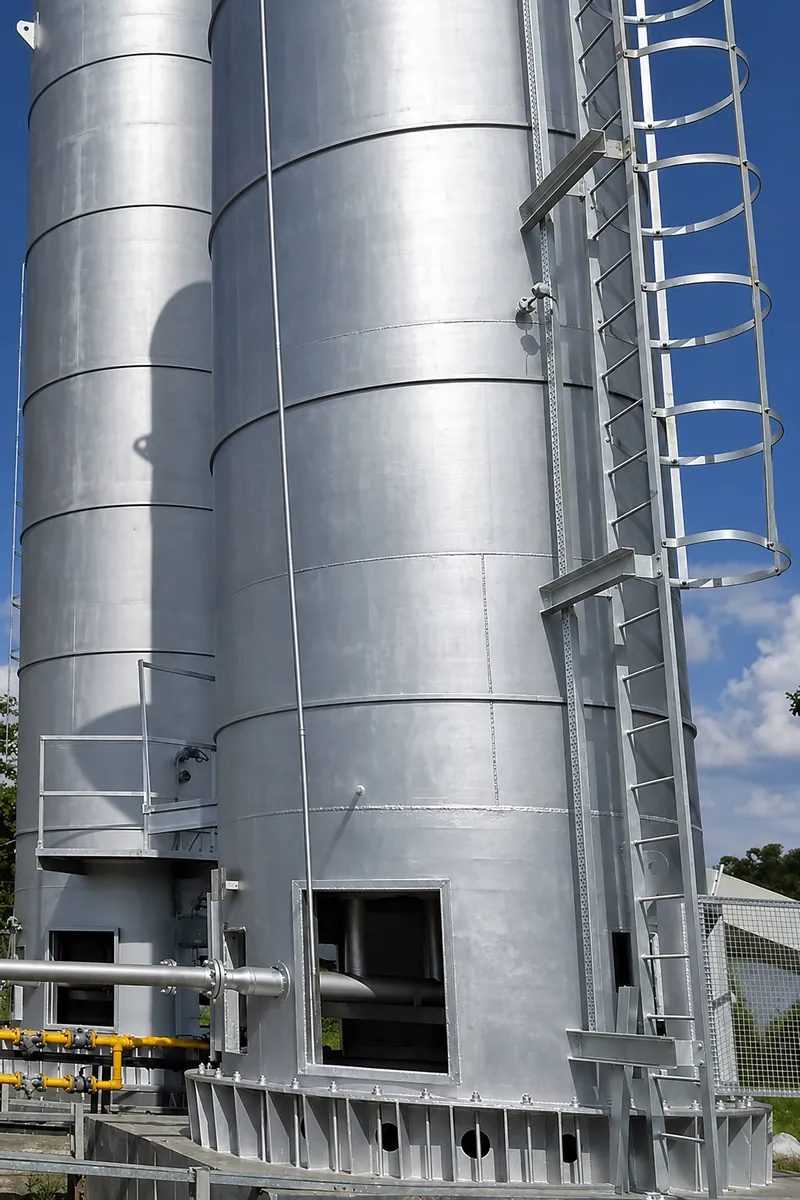
CRA's vapour combustion units collect the vapour pushed out of road and rail tankers during loading and burn it in an enclosed combustor sized for the gantry's peak loading.
Destruction efficiency
>99%
Combustion
Enclosed
Duty
Intermittent loading
Line safety
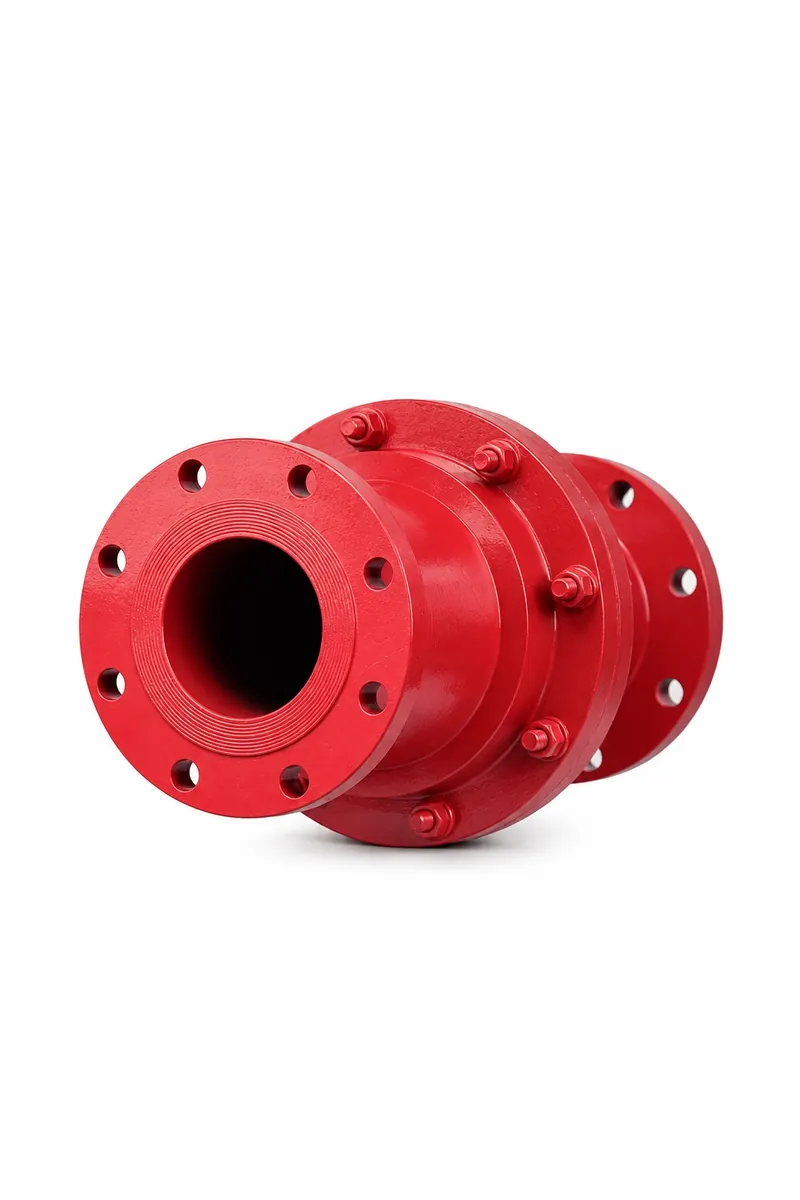
Flame arrestors
What does a vapour combustion unit do at a loading gantry?
Filling a tanker compartment pushes out the vapour above the liquid. A vapour arm at each bay collects it into a header, and the vapour combustion unit at the end of the header burns it.
How it works
Flame arrestors on the header protect the bays, and the unit returns to standby when loading stops.
Product enters the compartment and pushes vapour out.
A vapour arm at the bay carries the vapour into the header.
Flame arrestors stop flame travelling back towards the bays.
The enclosed combustor burns the vapour.
The unit idles until the next load starts.
Key Benefits
The unit is sized for the number of bays loading at the same time.
Vapour burns inside the combustor, out of sight of the gantry.
The unit lights as loading starts and follows the vapour flow until it stops.
Flame arrestors protect the vapour header back to the loading arms.
The combustor is designed to destroy more than 99% of the hydrocarbon vapour.
The CRA Edge
CRA has more than 30 years of experience in gas handling and flare engineering.
Design, R&D and manufacturing are carried out under one roof.
ISO 9001 certified through TÜV NORD, with designs aligned with ASME, API and CE.
Designs are customised to the process needs and the regulations that apply at site.
Applications

Frequently Asked Questions
Why burn vapour at a loading gantry?
Loading pushes hydrocarbon vapour out of the tanker. Collecting and burning it keeps the vapour away from the bays and within emission limits.
How is the unit sized for a gantry?
CRA sizes the unit for the number of bays that load at once, the loading rate per bay and the product being loaded.
Can the unit stand idle between loads?
Yes. The unit waits in standby and lights when vapour starts to flow.
What data does CRA need for a gantry vapour combustion unit?
CRA needs the number of bays, the loading rates, the products loaded, the vapour line layout and the site conditions.
Should a gantry use combustion or recovery?
Combustion suits gantries with low throughput or vapour of little value. Where throughput is high and the vapour is worth recovering, a vapour recovery unit can pay back, and a combustor can treat its vent.